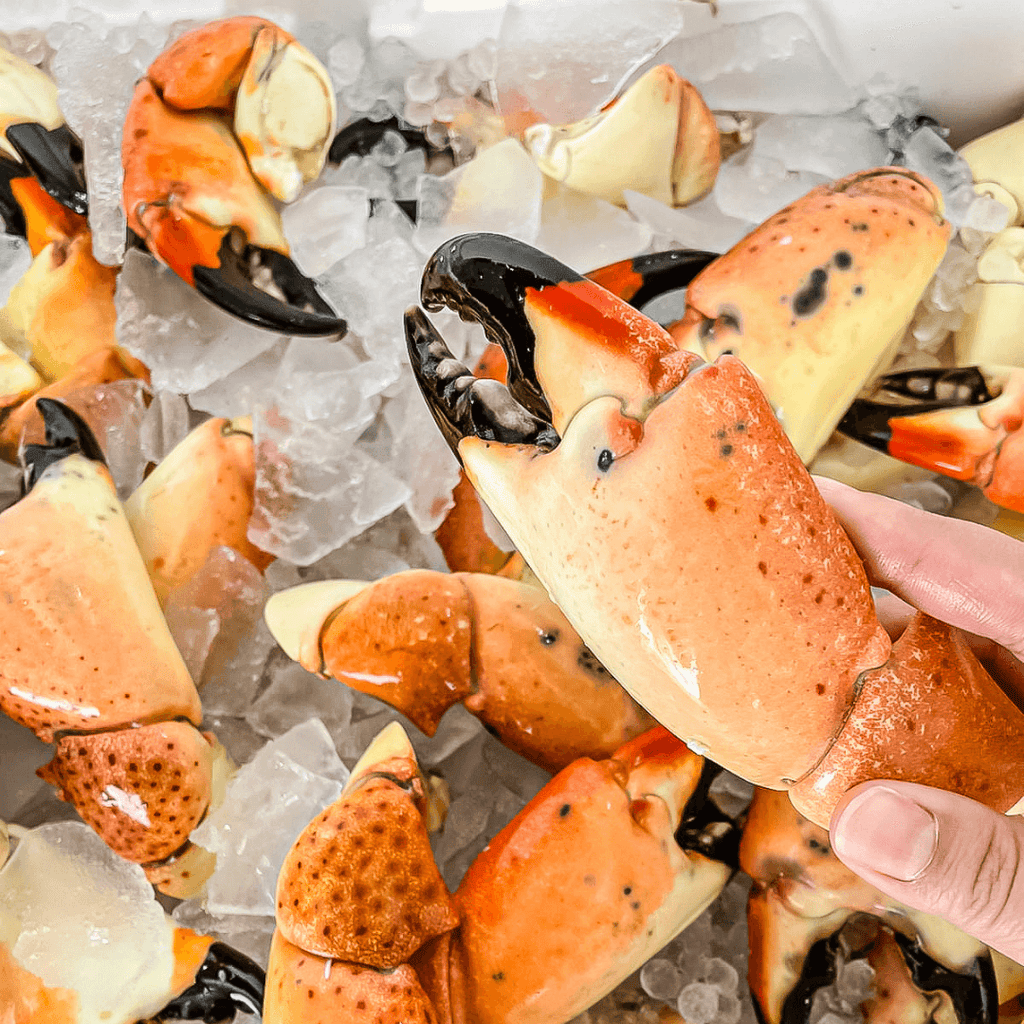
Are you a seafood enthusiast who loves savoring the delicious taste of stone crab claws? Perhaps you’ve found yourself wondering if you can preserve their freshness by freezing them.
You’re not alone. Many seafood lovers are curious about the best way to store these tasty claws without sacrificing their delectable flavor and texture. In this blog post, we’ll delve into the secrets of freezing stone crab claws and reveal how you can keep them as fresh as the day you bought them.
Stay with us to discover tips that will ensure your next seafood feast is a mouthwatering success. Your taste buds will thank you!
Stone Crab Claws Basics
Stone crab claws are a delicacy cherished by seafood lovers around the world. Understanding their basics helps you appreciate why they are so valued and how to enjoy them at their best. Knowing a bit about their popularity and availability can guide you in making smart choices, especially if you’re thinking about freezing them for later.
Why Stone Crab Claws Are Popular
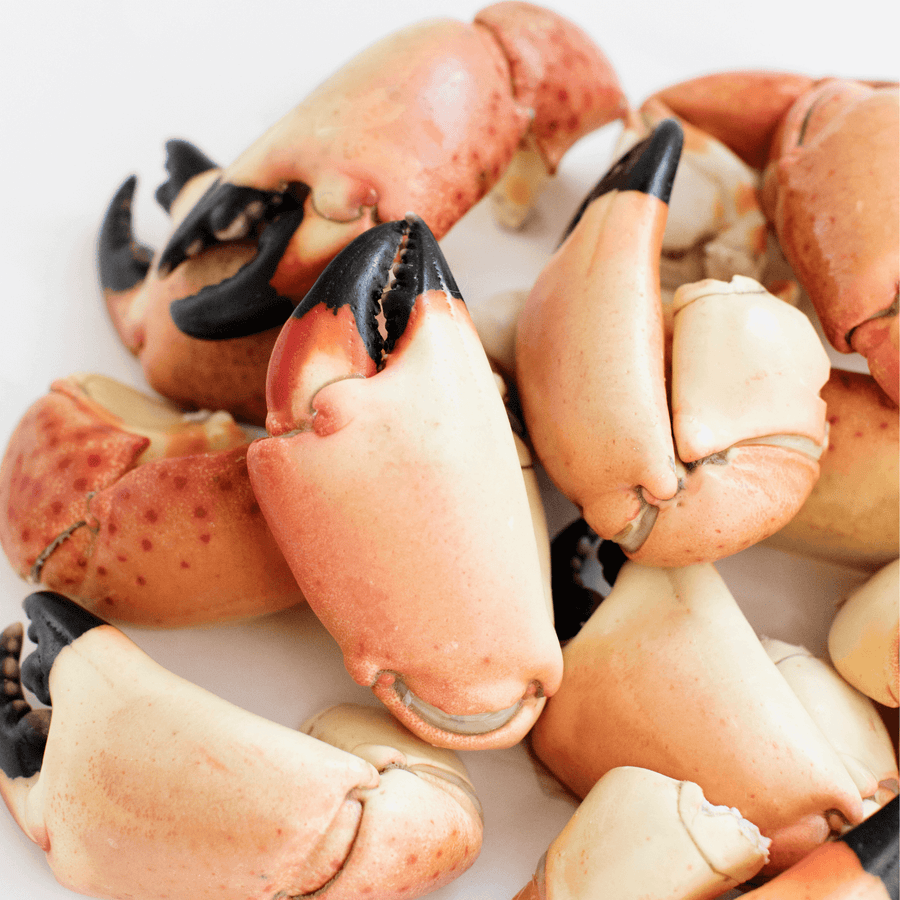
Stone crab claws stand out because of their sweet, tender meat and firm texture. Unlike many other shellfish, only the claws are harvested, allowing the crab to live and regenerate new claws. This sustainable practice appeals to many consumers who care about environmental impact.
You might notice the unique way the claws are cooked—usually steamed or boiled briefly to lock in flavor without overcooking. Their natural taste doesn’t need heavy seasoning, which makes them perfect for simple preparations like dipping in mustard sauce or melted butter.
Have you ever wondered why stone crab claws often cost more than other seafood? It’s partly due to the labor-intensive harvesting and the care required to keep the claws fresh and intact.
Seasonality And Availability
Stone crab claws are not available year-round. Their prime season runs from mid-October to mid-May, which is when fishermen can legally harvest them. Outside this period, the crabs regenerate their claws, ensuring a sustainable supply for future seasons.
This seasonality means you might find better deals and fresher claws during the harvest months. If you buy them off-season, they are likely frozen or imported, which can affect taste and texture.
Considering their limited availability, have you thought about how freezing stone crab claws could extend your enjoyment? Knowing when and how to freeze them properly can keep their quality intact beyond the season.
Freezing Stone Crab Claws
Freezing stone crab claws is a great way to enjoy their sweet, tender meat later. Proper freezing keeps their flavor and texture intact. Knowing the right methods helps prevent freezer burn and loss of taste.
Is Freezing Safe?
Freezing stone crab claws is safe if done correctly. It stops bacteria from growing and preserves the claws. Always freeze fresh or fully cooked claws. Avoid freezing claws that show signs of spoilage.
Proper packaging prevents air exposure, which causes freezer burn. Keep the claws at 0°F (-18°C) or lower. Frozen claws can last up to six months without losing quality.
Best Freezing Methods
Use airtight containers or vacuum-sealed bags for best results. Remove as much air as possible before sealing. Wrap claws in plastic wrap or aluminum foil if needed.
Label packages with the date to track storage time. Place the claws in the coldest part of the freezer. Avoid frequent temperature changes to maintain quality.
- Wrap claws tightly in plastic wrap
- Use vacuum sealing to remove air
- Store in freezer-safe bags or containers
- Freeze quickly to preserve freshness
Preparing Claws For Freezing
Preparing stone crab claws for freezing is a crucial step to keep their flavor and texture intact. Proper preparation helps avoid freezer burn and maintains the claws’ fresh taste when you’re ready to enjoy them later. Paying attention to how you clean, dry, and package the claws can make a big difference in your frozen seafood experience.
Cleaning And Drying
Start by rinsing the stone crab claws under cold water to remove any dirt or debris. Make sure to handle them gently to avoid damaging the shells. After rinsing, pat the claws completely dry with a clean kitchen towel or paper towels—moisture can cause ice crystals that ruin the texture.
Have you noticed how wet seafood tends to get icy and mushy after freezing? That’s why drying is not just a step but a necessity. A thoroughly dried claw freezes better and keeps its original snap and flavor.
Packaging Tips
Once the claws are dry, packaging them properly is key to preserving quality. Use airtight freezer bags or vacuum-sealed bags to prevent exposure to air. If you don’t have a vacuum sealer, squeeze out as much air as possible from the bags before sealing.
Consider wrapping each claw individually in plastic wrap before placing them in the bag to add an extra layer of protection. Label the packages with the date so you can keep track of how long they’ve been frozen.
- Use freezer-safe bags or vacuum sealers
- Remove excess air to reduce freezer burn
- Wrap claws individually for better preservation
- Label packages with freezing dates
Have you tried freezing stone crab claws without proper packaging? The difference is noticeable when you thaw them. Taking these simple steps ensures your claws stay delicious and ready for your next seafood feast.

Credit: captainstonecrab.com
Storage Duration And Conditions
Storing stone crab claws properly is essential to keep their flavor and texture intact. The right storage duration and conditions make a big difference in how fresh and tasty your claws will be when you decide to enjoy them later. Let’s look at the key factors that affect how long you can freeze stone crab claws and the best way to set your freezer for optimal results.
Optimal Freezer Temperature
Your freezer’s temperature plays a critical role in preserving stone crab claws. Set your freezer to 0°F (-18°C) or lowerto keep the claws fresh for a longer time. Temperatures above this range can cause the claws to lose quality faster, leading to freezer burn and a change in texture.
Do you know that even slight temperature fluctuations can impact seafood? Avoid opening your freezer often or leaving the door open for long periods to maintain a consistent temperature. This helps protect the delicate meat inside the claws.
How Long To Freeze
You might wonder how long stone crab claws can stay frozen without losing their delicious taste. Generally, you can freeze them for up to 3 monthswith minimal loss of flavor and texture. Beyond this period, the quality starts to decline, and the claws may become dry or rubbery.
If you’ve ever thawed frozen crab claws that tasted bland or tough, it’s likely they were stored too long. To avoid this, label your packages with the freezing date so you can keep track. Also, vacuum-sealing or tightly wrapping the claws in plastic wrap and then placing them in a freezer bag can extend their freshness.
Thawing Stone Crab Claws
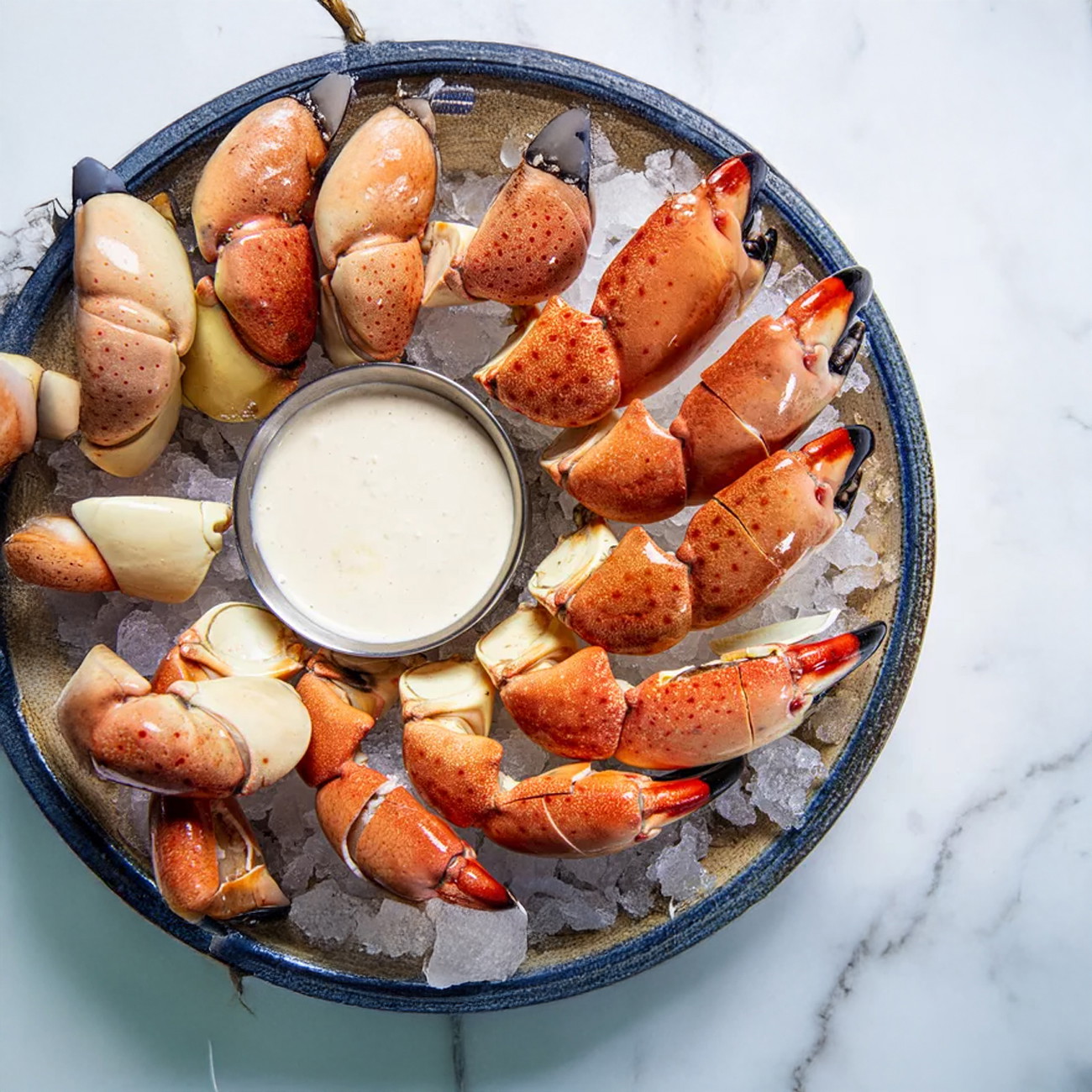
Thawing stone crab claws properly preserves their sweet, tender flavor. Careful thawing also keeps the meat safe to eat. Avoid rushing the process to maintain the best quality. Follow these tips for safe and effective thawing.
Safe Thawing Techniques
Thaw stone crab claws in the refrigerator. This method keeps them at a safe temperature. Place the claws on a plate or shallow dish to catch any drips. Leave them in the fridge for 12 to 24 hours. Avoid thawing at room temperature. It can cause bacteria to grow quickly.
Another option is to use cold water. Seal the claws in a leak-proof bag. Submerge the bag in cold water. Change the water every 30 minutes. This method takes about 1 to 2 hours. Cook the claws immediately after thawing with cold water.
Avoiding Quality Loss
Do not use hot water or microwave to thaw. These methods can make the meat tough and rubbery. Keep claws wrapped to avoid drying out. Use them as soon as possible after thawing. Refreezing thawed claws can reduce taste and texture quality.
Handle the claws gently to avoid breaking the shell. Cracked shells can expose the meat to bacteria. Store thawed claws in the fridge if you are not cooking right away. Use within 1 to 2 days for best freshness.
Credit: freshcatchfishco.com
Cooking Frozen Stone Crab Claws
Cooking frozen stone crab claws can feel tricky if you want to keep their natural sweetness and texture intact. The key is to handle them gently and avoid overcooking. Whether you thaw them first or cook straight from frozen, there are simple ways to enjoy these seafood delicacies just like fresh ones.
Cooking Methods After Freezing
You can cook stone crab claws either thawed or straight from the freezer. Thawing them in the refrigerator overnight is ideal if you want even cooking. If you’re short on time, run them under cold water for a quick thaw.
Popular cooking methods include:
- Steaming:Place claws in a steamer basket over boiling water. Steam for about 5-7 minutes until heated through.
- Boiling:Boil claws in salted water for 4-6 minutes. Don’t overboil; it makes the meat tough.
- Baking:Wrap claws in foil with butter and lemon. Bake at 350°F (175°C) for 10-12 minutes.
- Grilling:Brush with olive oil and grill for 3-4 minutes per side for a smoky flavor.
Which method suits your taste best depends on how much time you have and the texture you prefer. Have you tried mixing cooking methods for a unique twist?
Maintaining Flavor And Texture
Stone crab claws have a delicate, sweet flavor that can fade if overcooked. To keep that fresh taste, cook them just until warm. Avoid boiling too long or grilling on high heat for extended periods.
After cooking, serve immediately with simple dips like melted butter, garlic aioli, or a squeeze of fresh lemon. These enhance flavor without overpowering the natural taste.
Storing claws properly before cooking also matters. Keep them tightly wrapped to prevent freezer burn, which dries out the meat. Have you noticed how even a small change in cooking time alters the texture? Paying attention here can make your claws taste restaurant-quality at home.
Common Mistakes To Avoid
Freezing stone crab claws might seem straightforward, but many people make avoidable mistakes that affect taste and texture. Knowing what to watch out for can save you from a disappointing meal later. Let’s look at the common pitfalls so you can enjoy your claws just as much after freezing as when fresh.
Freezing Fresh Vs Cooked Claws
Many assume you can freeze stone crab claws the same way whether they’re fresh or cooked. However, freezing fresh claws without cooking them first can lead to a mushy texture after thawing. Cooked claws hold up much better in the freezer.
If you freeze fresh claws, ice crystals form inside the meat and break down its structure. Have you ever noticed how some frozen seafood turns watery? This is why cooking before freezing is often recommended.
On the other hand, cooked claws freeze well because the heat has already set the proteins. This helps keep the claws firm and flavorful after thawing. If you’re unsure, cook the claws before freezing to avoid texture issues.
Improper Storage Issues
Another common mistake is not storing stone crab claws properly in the freezer. Leaving them exposed to air causes freezer burn, which dries out the meat and ruins the flavor. Always use airtight containers or heavy-duty freezer bags to protect your claws.
Labeling your package with the date is crucial too. Frozen stone crab claws are best eaten within 3 months for peak quality. Keeping them longer can lead to a loss in flavor and texture, even if they’re still safe to eat.
Have you ever thrown away seafood because it smelled off after freezing? That’s often due to poor storage allowing odors to transfer. To avoid this, keep the claws separate from strong-smelling foods and seal them tightly.
Credit: www.alaskankingcrab.com
Frequently Asked Questions
Can You Freeze Stone Crab Claws Safely?
Yes, you can safely freeze stone crab claws. Wrap them tightly in plastic wrap or aluminum foil. Store in an airtight container or freezer bag to prevent freezer burn. Properly frozen claws maintain quality for up to three months.
How Long Can Stone Crab Claws Stay Frozen?
Stone crab claws can stay frozen for up to three months. Beyond this, they may lose texture and flavor. Always label and date your package for best results. Thaw claws properly in the refrigerator before use.
Should Stone Crab Claws Be Cooked Before Freezing?
It’s best to freeze stone crab claws after cooking. Cooked claws freeze better and keep flavor intact. Raw claws may become mushy after freezing. Ensure claws are cooled before freezing to maintain quality.
How To Thaw Frozen Stone Crab Claws Correctly?
Thaw frozen stone crab claws in the refrigerator overnight. Avoid thawing at room temperature to prevent bacterial growth. You can also thaw them in cold water sealed in a bag for faster results. Use claws immediately after thawing.
Conclusion
Freezing stone crab claws keeps them fresh longer. Wrap claws tightly to avoid freezer burn. Use within three months for the best taste. Thaw slowly in the fridge before eating. Do not refreeze once thawed to keep quality. Enjoy your stone crab claws anytime by freezing them right.
Simple steps make storage easy and safe. Save leftovers without worry and reduce waste. Now, you can enjoy stone crab claws anytime you want.