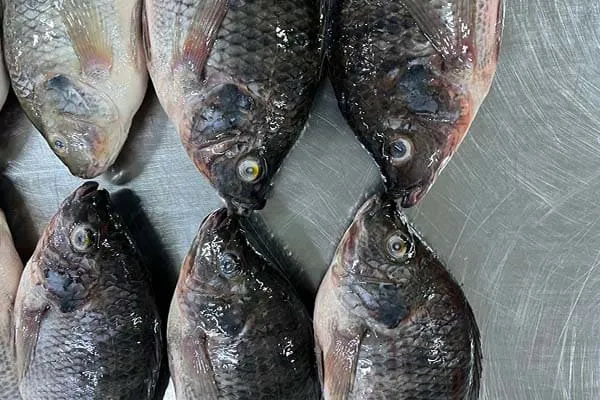
Are you wondering if you can freeze tilapia without losing its fresh taste and texture? Whether you’ve bought more than you can cook or want to save leftovers, knowing the right way to freeze tilapia is key.
Freezing it the wrong way can lead to a disappointing meal later. You’ll discover simple tips that keep your tilapia fresh and delicious for longer. Keep reading to learn how to store your fish like a pro and enjoy every bite, even days after buying it.
Tilapia And Freezing Basics
Tilapia freezes well and keeps its taste when stored properly. Wrap it tightly to avoid freezer burn and keep it fresh for months. Freezing slows spoilage and preserves the fish’s texture and flavor.
Tilapia and Freezing Basics Tilapia is a versatile fish, popular for its mild flavor and ease of cooking. But what happens when you have more fillets than you can cook in one go? Freezing is a practical way to preserve tilapia, extending its shelf life without much hassle. Let’s dive into the essentials of freezing tilapia effectively.Why Freeze Tilapia
Freezing tilapia offers a convenient solution to avoid waste and ensures you have a quick meal option available. Imagine a busy evening when you can just pull a few fillets from the freezer, saving time on meal prep. Moreover, buying tilapia in bulk and freezing it can be cost-effective, especially when there are discounts at your local grocery store.How Freezing Affects Texture And Flavor
While freezing tilapia is beneficial, it’s essential to consider how it affects the texture and flavor. Freezing can sometimes alter the delicate texture of tilapia, making it slightly firmer. However, this change is subtle and often goes unnoticed once the fish is cooked. Flavor-wise, properly wrapped and sealed tilapia retains its freshness quite well. To maintain the best quality, ensure the fillets are tightly wrapped to prevent freezer burn. This extra step will keep the fish tasting delicious, as if it were fresh off the counter. Have you ever noticed a difference in taste after freezing? It’s a gentle reminder to check your storage methods, ensuring your tilapia tastes as good as the day you bought it.Preparing Tilapia For Freezing
Preparing tilapia for freezing is a crucial step that impacts the fish’s taste and texture once thawed. Proper preparation helps avoid freezer burn and preserves freshness. Taking a little extra time here ensures your tilapia stays delicious and ready to cook whenever you need it.
Cleaning And Filleting Tips
Start by rinsing your tilapia under cold water to remove any surface impurities. Use a sharp fillet knife to carefully cut along the backbone, separating the flesh from the bones. Make sure to remove all pin bones by running your fingers along the fillet—this makes eating much more enjoyable.
Don’t forget to pat the fillets dry with paper towels. Excess moisture can create ice crystals during freezing, which affects texture. I learned this the hard way once; soggy fillets turned mushy after thawing, so drying is essential.
Portioning For Convenience
Cut your fillets into meal-sized portions before freezing. This way, you only thaw what you need and avoid waste. Think about your typical meal sizes—do you cook one or two fillets per person? Portion accordingly.
Wrap each portion tightly in plastic wrap or freezer paper, then place them in a freezer bag. Removing as much air as possible prevents freezer burn and keeps the fish tasting fresh. Have you ever pulled out a freezer-burned fillet? It’s a disappointing experience you can easily avoid with proper portioning and wrapping.
Best Freezing Methods
Freezing tilapia properly is key to preserving its fresh taste and texture. Choosing the right freezing method can make a big difference in how well the fish holds up over time. Let’s dive into some practical ways to freeze tilapia that you can easily try at home.
Using Vacuum Sealing
Vacuum sealing removes air around the tilapia, which helps prevent freezer burn and keeps the fish fresh longer. You just need a vacuum sealer and special bags designed for freezing.
Simply place the tilapia fillets or whole fish in the bag, seal tightly, and freeze. This method locks in moisture and flavor, making thawed tilapia taste almost as good as fresh. Have you noticed how vacuum-sealed fish lasts much longer in your freezer?
Alternative Wrapping Techniques
If you don’t have a vacuum sealer, don’t worry. You can still freeze tilapia effectively using other wrapping methods.
- Wrap each piece tightly in plastic wrap or aluminum foil to minimize air exposure.
- Place the wrapped fish inside a freezer-safe zip-top bag, squeezing out as much air as possible before sealing.
- Label the bags with the freezing date to keep track of freshness.
This double-wrapping approach helps maintain the fish’s texture and flavor for a few months. What’s your go-to method for wrapping food when you’re short on equipment?
Freezing Whole Vs. Fillets
Deciding whether to freeze tilapia whole or as fillets depends on how you plan to use it later.
Freezing whole tilapia retains moisture well but can take up more space and take longer to thaw. Fillets are easier to portion and cook quickly after thawing, making them convenient for busy nights.
Think about how you usually prepare tilapia. Do you prefer handling whole fish, or do fillets suit your cooking style better? Your answer will guide the best freezing choice for your needs.
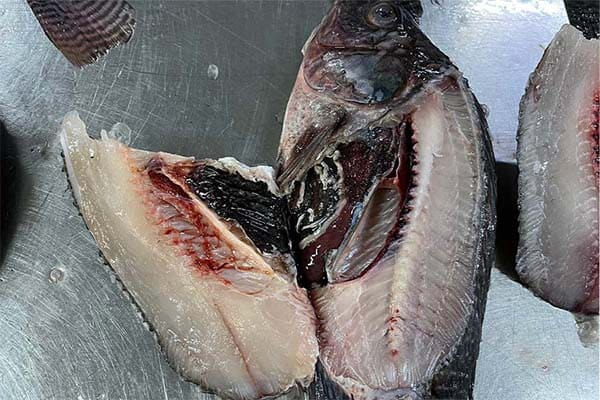
Credit: yanghuafishery.com
Storage Duration And Safety
Knowing how long you can safely freeze tilapia and recognizing signs of spoilage are key to enjoying this fish at its best. Storing tilapia properly extends its shelf life without compromising taste or safety. Let’s look at optimal freezing times, how to spot freezer burn, and important food safety tips.
Optimal Freezing Times
Tilapia stays fresh in the freezer for about 2 to 3 months. Beyond this period, its texture and flavor can start to deteriorate. If you freeze it sooner after buying or catching, you’ll preserve its quality much better.
To keep your tilapia at peak freshness, freeze it as soon as possible. Using airtight packaging helps prevent freezer burn and keeps moisture in.
Signs Of Freezer Burn
Have you ever found white or grayish spots on your frozen fish? These are signs of freezer burn. It happens when the fish is exposed to air and loses moisture.
Freezer-burned tilapia may look dry and feel tough. While it’s still safe to eat, the taste and texture might be unpleasant. Avoid freezer burn by sealing your fish tightly in vacuum bags or wrapping it well with plastic wrap and foil.
Food Safety Considerations
Freezing tilapia halts bacterial growth but doesn’t kill all bacteria. Once thawed, you must cook it promptly to avoid foodborne illness. Never refreeze tilapia that has been thawed completely.
Keep your freezer at 0°F (-18°C) or below to ensure safety. Also, thaw tilapia in the refrigerator or under cold running water instead of leaving it out at room temperature. This practice minimizes bacteria growth and keeps your meal safe.
Thawing Tilapia Properly
Thawing tilapia properly is key to preserving its delicate texture and fresh flavor. How you thaw it can affect not only taste but also food safety. Let’s look at the best ways to thaw your frozen tilapia and keep it safe to eat.
Slow Thawing In Refrigerator
Thawing tilapia slowly in the refrigerator is the safest and most reliable method. Simply place the frozen fish on a plate or dish to catch any drips and leave it in the fridge for 12 to 24 hours.
This gentle thawing keeps the fish at a consistent, safe temperature below 40°F (4°C). It also prevents moisture loss, so your tilapia stays moist and tender. Have you noticed how fish thawed this way cooks more evenly?
Quick Thawing Methods
If you’re short on time, quick thawing can work, but you need to be careful. Submerge the sealed tilapia in a bowl of cold water, changing the water every 30 minutes until thawed—usually within an hour.
Using warm or hot water might seem faster but can start cooking the edges and promote bacteria growth. Another fast option is using the microwave’s defrost setting, but only if you plan to cook the fish immediately afterward.
Avoiding Bacterial Growth
Thawing fish improperly can create a breeding ground for harmful bacteria. Never leave tilapia to thaw on the kitchen counter or in hot water. These conditions let the fish sit at unsafe temperatures for too long.
Keep your fish in a sealed container or plastic bag to avoid cross-contamination with other foods. Do you check the temperature or timing when thawing fish, or is it more of a guess? Paying attention to these details protects your health and keeps your meal delicious.

Credit: temeculablogs.com
Cooking Frozen Tilapia
Cooking frozen tilapia is a convenient way to enjoy a healthy meal without the wait. You don’t always need to thaw it first, but you do need to adjust your cooking approach to get the best results. Let’s talk about how to handle frozen tilapia so it cooks evenly, tastes great, and fits into your busy schedule.
Adjusting Cooking Times
Cooking frozen tilapia takes a bit longer than fresh or thawed fish. Expect to add about 50% more time to your usual cooking duration. For example, if you normally bake tilapia for 15 minutes, plan for around 22 minutes when cooking from frozen.
Keep the heat moderate to prevent the outside from overcooking while the inside remains underdone. Using a thermometer can help you check for an internal temperature of 145°F (63°C), which means your fish is perfectly cooked.
Flavor Preservation Tips
Frozen fish can sometimes lose a bit of flavor during storage. To keep your tilapia tasting fresh, use marinades or seasoning blends right before cooking. Simple ingredients like lemon juice, garlic, and herbs work wonders.
Consider cooking frozen tilapia in a sauce or wrapping it in foil with veggies. This traps moisture and infuses flavor, preventing your fish from drying out. Have you ever tried baking tilapia in parchment paper? It’s a game-changer for keeping flavors locked in.
Recipe Ideas For Frozen Tilapia
- Baked Lemon Herb Tilapia:Toss frozen fillets with olive oil, lemon slices, and fresh herbs, then bake until flaky.
- Tilapia Tacos:Cook frozen tilapia with taco seasoning, then flake and serve with fresh salsa and avocado.
- Tilapia Stir-Fry:Sauté frozen tilapia chunks with your favorite veggies and soy sauce for a quick dinner.
Have you experimented with adding frozen tilapia directly to your favorite recipes? It saves time and still delivers delicious meals. What’s your go-to recipe for cooking frozen fish?
Common Mistakes To Avoid
Freezing tilapia is a great way to keep it fresh longer, but many people make mistakes that affect its taste and safety. Avoiding these common errors will help you enjoy your fish at its best. Let’s look at some key pitfalls to watch out for when freezing tilapia.
Refreezing Risks
Refreezing tilapia after it has thawed can seriously degrade its quality. Every time fish thaws and refreezes, ice crystals damage the texture, making it mushy and less appealing. Worse, refreezing increases the chance of harmful bacteria growth, which can cause foodborne illness.
If you’ve thawed tilapia, cook it immediately instead of putting it back in the freezer. Think about how often you’ve refrozen food without noticing the change—would you want to eat fish that’s been through that cycle?
Improper Packaging
Leaving tilapia exposed to air in the freezer leads to freezer burn, drying out the fish and causing off-flavors. Using flimsy plastic bags or wrapping without squeezing out air is a common mistake. Instead, use airtight packaging like vacuum-sealed bags or double-wrap with freezer paper and plastic wrap.
Label your packages with the freezing date to keep track. Have you ever opened freezer fish only to find it dry or tasting odd? Chances are, poor packaging was the culprit.
Ignoring Expiry Dates
Freezing doesn’t stop time completely; tilapia still has a shelf life in the freezer. Keeping it frozen for too long results in loss of flavor and texture. Most experts recommend using frozen tilapia within 3 to 6 months for the best quality.
Check the date you froze your fish and plan meals accordingly. When was the last time you found forgotten fish buried in your freezer? Tossing old frozen tilapia is better than risking bad taste or safety issues.

Credit: cheflolaskitchen.com
Faqs About Freezing Tilapia
Freezing tilapia is a common way to preserve this popular fish, but you might still have questions about the best practices and effects of freezing on its taste and nutrition. Here are some frequently asked questions to help you handle frozen tilapia with confidence and get the best results every time.
Can You Freeze Cooked Tilapia?
Yes, you can freeze cooked tilapia. Make sure the fish has cooled completely before wrapping it tightly in plastic wrap or placing it in an airtight container. This helps prevent freezer burn and keeps the fish moist when thawed.
Cooked tilapia usually stays good in the freezer for up to 2-3 months. When reheating, do it gently to avoid drying out the fish—using a microwave on low power or warming it in a skillet works well. Have you tried freezing leftovers, only to end up with dry fish? Proper wrapping and reheating can make a big difference.
Is Frozen Tilapia Nutritious?
Freezing tilapia does not significantly reduce its nutritional value. The protein content remains intact, and most vitamins and minerals stay preserved. However, slight changes in texture can happen, which might affect how you prefer to cook it later.
Keeping tilapia frozen at a consistent temperature ensures it retains its nutrients. Have you noticed a difference in taste or texture between fresh and frozen fish? Often, proper freezing and thawing methods minimize those differences, making frozen tilapia a nutritious and convenient option.
How To Handle Frozen Tilapia Odor
Sometimes frozen tilapia can develop a strong odor that surprises you when thawing. This usually comes from natural fish oils breaking down or improper storage. To reduce odor, rinse the fish under cold water after thawing and pat it dry.
Marinating the fish with lemon juice or herbs can help neutralize any lingering smells. Storing tilapia in tightly sealed bags or containers also prevents it from absorbing odors from other foods in the freezer. Have you ever opened your freezer and been hit by a strong fish smell? Proper packaging is key to avoiding that unpleasant surprise.
Frequently Asked Questions
Can You Freeze Tilapia Raw Or Cooked?
Yes, you can freeze tilapia both raw and cooked. Wrap it tightly in plastic wrap or freezer bags. Label and store it in the freezer to maintain freshness and prevent freezer burn.
How Long Can Frozen Tilapia Last?
Frozen tilapia can last up to 6 months in the freezer. For best quality, consume it within this period. Proper packaging helps preserve taste and texture.
Does Freezing Tilapia Affect Its Texture?
Freezing may slightly change tilapia’s texture, making it softer. Proper wrapping minimizes this effect. Thaw it gently in the refrigerator to maintain quality.
What Is The Best Way To Thaw Frozen Tilapia?
The best way to thaw tilapia is in the refrigerator overnight. This slow thaw prevents bacterial growth and preserves flavor. Avoid thawing at room temperature.
Conclusion
Freezing tilapia keeps it fresh for weeks. Use airtight bags to avoid freezer burn. Thaw it slowly in the fridge for best taste. Cook it soon after thawing to enjoy quality flavor. Proper freezing helps reduce waste and saves money.
Now, you can store tilapia without worry. Simple steps make frozen fish just as good. Give freezing a try and enjoy tilapia anytime.