
Have you ever found yourself with a bit too much tuna salad after a big family gathering or a meal prep session? You might be wondering if you can simply pop it in the freezer for later.
After all, it seems like such a waste to throw away perfectly good food. But, wait—what about that mayonnaise in your tuna salad? Will it freeze well, or will it turn into a watery, unappetizing mess? The answers might surprise you.
By the end of this article, you’ll know exactly what to do with your leftover tuna salad, and you might even discover some tips and tricks to keep it fresh and delicious. Stick with us, and you’ll soon be a pro at managing your tuna salad leftovers!
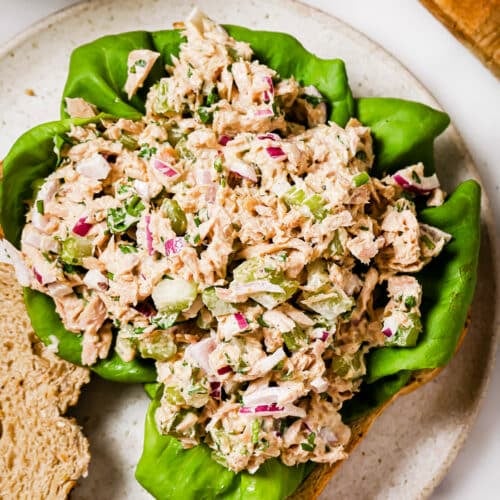
Credit: www.primaverakitchen.com
Freezing Tuna Salad Basics
Freezing tuna salad with mayo is a common question for many home cooks. Tuna salad is a quick meal favorite, but its creamy texture can change when frozen. Understanding the basics helps keep your salad tasty after freezing. Proper storage and knowing what to expect make a difference.
How Mayo Affects Freezing
Mayonnaise contains oil and water, which separate when frozen. This causes the mayo to become grainy or watery after thawing. The creamy texture you enjoy fresh can change into something less smooth. Mayo’s delicate balance does not freeze well, which affects the entire salad.
Texture Changes To Expect
Expect the tuna salad to be less creamy after freezing. The ingredients may release water, making the salad watery. The mayo might look curdled or separated. Tuna chunks can become a bit dry or mushy. Stirring after thawing helps but cannot fully restore the original texture.
Preparing Tuna Salad For Freezing
Freezing tuna salad with mayo can be tricky if you don’t prepare it correctly. The texture and flavor might change if you use the wrong ingredients or storage methods. Getting these details right can help you enjoy your tuna salad even after it’s been frozen.
Choosing The Right Ingredients
Not all ingredients freeze well in tuna salad. Mayo tends to separate and become watery after freezing, so use a stable mayonnaise or try mixing mayo with a bit of Greek yogurt to improve texture.
Avoid adding fresh veggies like cucumbers or celery before freezing. They become soggy and lose their crunch. Instead, add these fresh ingredients after thawing to keep your salad crisp and fresh.
Use tuna packed in water rather than oil. It freezes better and keeps the salad lighter. Also, skip adding hard-boiled eggs before freezing; they can turn rubbery and affect the overall taste.
Best Containers For Storage
Choosing the right container can make a big difference in how your tuna salad freezes and thaws. Airtight containers prevent freezer burn and keep odors from other foods away.
- Use small, shallow plastic or glass containers to allow quick and even freezing.
- Alternatively, resealable freezer bags work well if you remove as much air as possible before sealing.
- Label your containers with the date to keep track of freshness.
Have you noticed how some containers keep your frozen food fresher longer? Experiment with different types to find what works best for your freezer and lifestyle.
Freezing Process Tips
Freezing tuna salad with mayo can be a great way to save time and reduce food waste. However, the freezing process needs a bit of care to maintain the salad’s texture and flavor. Paying attention to how you prepare and store it will make your leftovers just as enjoyable as fresh.
Portioning For Convenience
Divide your tuna salad into small, meal-sized portions before freezing. This approach prevents thawing more than you need, keeping the rest fresh. Use airtight containers or freezer bags that fit the amount you usually eat in one sitting.
Think about how you eat your tuna salad—do you prefer it on sandwiches or with crackers? Portioning with your usual serving style in mind saves time later. Plus, smaller containers freeze and thaw faster, reducing the chance of soggy mayo.
Labeling And Dating
Always label each container with the date you froze the tuna salad. This simple step helps you keep track of freshness and avoid eating spoiled food. Use a permanent marker or freezer tape to ensure the label won’t fade.
Consider adding a note about the salad’s ingredients or any special flavors you added. When you have multiple batches, this makes it easier to pick the one you want. Have you ever found mystery food in your freezer and hesitated to eat it? Labeling eliminates that uncertainty.
Thawing And Using Frozen Tuna Salad
Thawing and using frozen tuna salad needs care to keep it safe and tasty. Tuna salad with mayo can change texture after freezing. Proper thawing helps keep flavor and freshness.
Use the right thawing methods to avoid bacteria growth. Handle the salad gently to bring back its original taste. Small steps make a big difference in enjoying frozen tuna salad.
Safe Thawing Methods
- Place the frozen tuna salad in the fridge overnight.
- Use a sealed container to prevent contamination.
- Allow slow thawing for even temperature change.
- Do not thaw at room temperature to avoid bacteria.
- If in a hurry, thaw in cold water inside a sealed bag.
Reviving Texture And Flavor
Tuna salad may become watery or separated after freezing. Stir gently to mix ingredients back together. Add a small amount of fresh mayo to improve creaminess. Adjust seasoning with salt or pepper if needed. Serve chilled for best taste and texture.
Alternatives To Freezing Tuna Salad
If freezing tuna salad with mayo isn’t ideal for you, don’t worry—there are other ways to keep your tuna salad fresh and tasty. These alternatives can help maintain flavor and texture without the risk of separation or sogginess that freezing may cause. Let’s look at some practical options that keep your tuna salad ready to enjoy.
Storing In The Refrigerator
Keeping tuna salad in the refrigerator is a simple and effective way to extend its freshness. Use an airtight container to prevent it from absorbing other fridge odors. Typically, tuna salad stays good for about 3 to 5 days when refrigerated properly.
Make sure to keep the mayo-based salad cold at all times. If you notice any off smells or changes in texture, it’s best to discard it to avoid foodborne illness. Have you ever forgotten tuna salad in the fridge and regretted it later? Proper storage can save you from that disappointment.
Making Fresh Batches
Preparing smaller, fresh batches of tuna salad can be a game changer. This way, you enjoy the salad at its best quality without worrying about long storage or freezing issues. It also gives you the chance to customize ingredients based on what’s fresh or what you’re craving that day.
Try making just enough for a couple of meals and then whip up a new batch when needed. This approach keeps your meals vibrant and flavorful, plus it reduces waste. What’s your favorite twist on classic tuna salad that you’d want to make fresh next time?
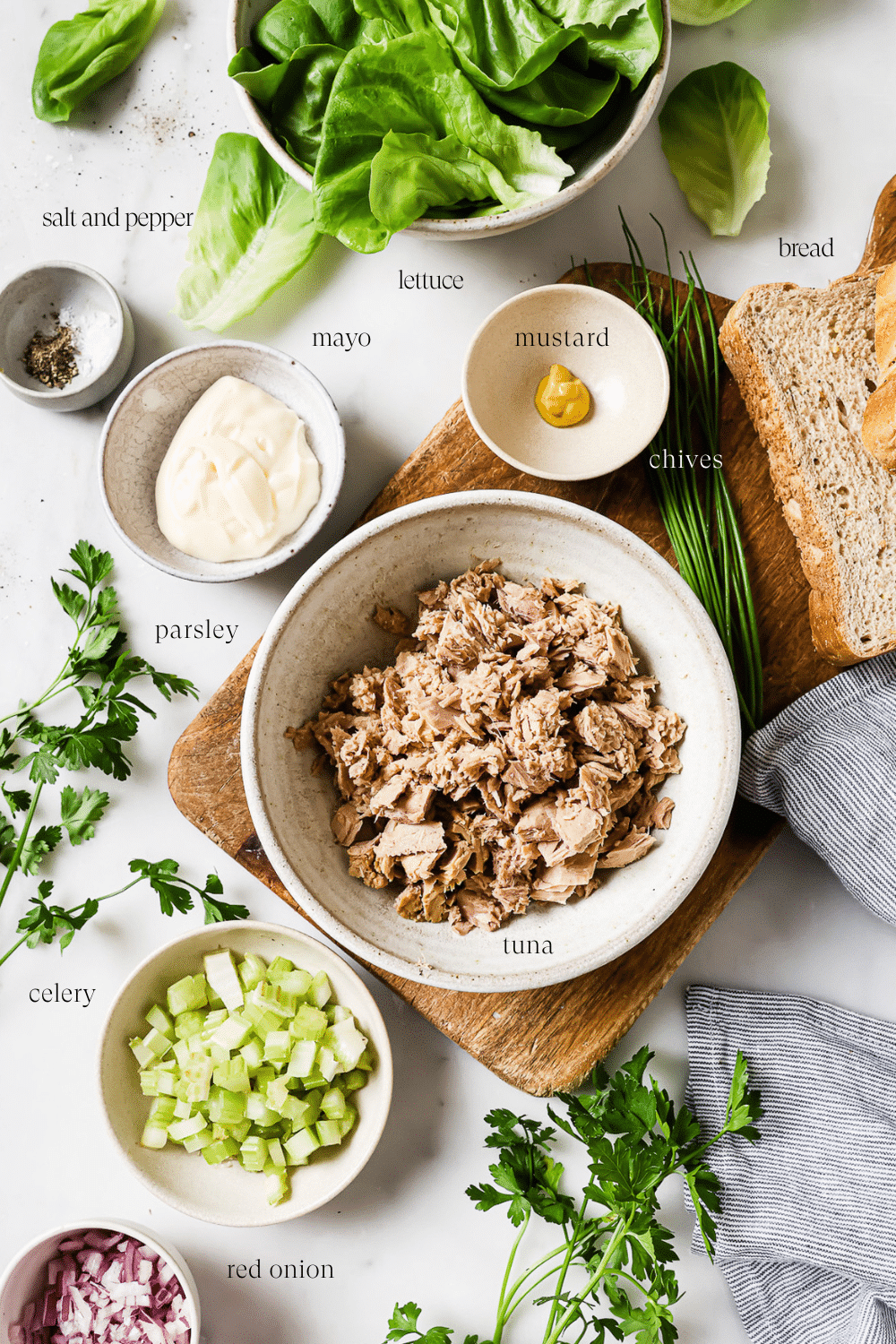
Credit: www.primaverakitchen.com

Credit: hh-hm.com
Frequently Asked Questions
Can You Freeze Tuna Salad With Mayonnaise Safely?
Freezing tuna salad with mayonnaise is not recommended. Mayo tends to separate and become watery after thawing, affecting texture and taste. It’s best to store tuna salad in the refrigerator and consume it within 3 days for freshness and safety.
How Long Does Frozen Tuna Salad Last?
If frozen, tuna salad can last up to 1 month. However, the quality and texture may degrade due to mayonnaise separation. For best taste and safety, consume refrigerated tuna salad within 3 days and avoid freezing mayo-based salads.
What Happens To Mayo When Frozen In Tuna Salad?
Mayonnaise separates when frozen, causing a watery and grainy texture upon thawing. This separation affects the salad’s consistency and flavor, making frozen tuna salad with mayo less appealing and potentially less enjoyable.
Is It Safe To Eat Thawed Tuna Salad With Mayo?
Eating thawed tuna salad with mayo is generally safe if kept below 40°F during thawing. However, texture and taste may suffer due to mayo separation. Always check for spoilage signs before consuming.
Conclusion
Freezing tuna salad with mayo is possible but not ideal. Mayo can change texture and taste after freezing. The salad may become watery or separate. For best results, freeze tuna alone and add mayo later. This keeps your salad fresh and tasty.
Always store in an airtight container to avoid freezer burn. Thaw slowly in the fridge for safer eating. Remember, fresh tuna salad tastes best when made and eaten quickly. Keep these tips in mind for your next meal prep.