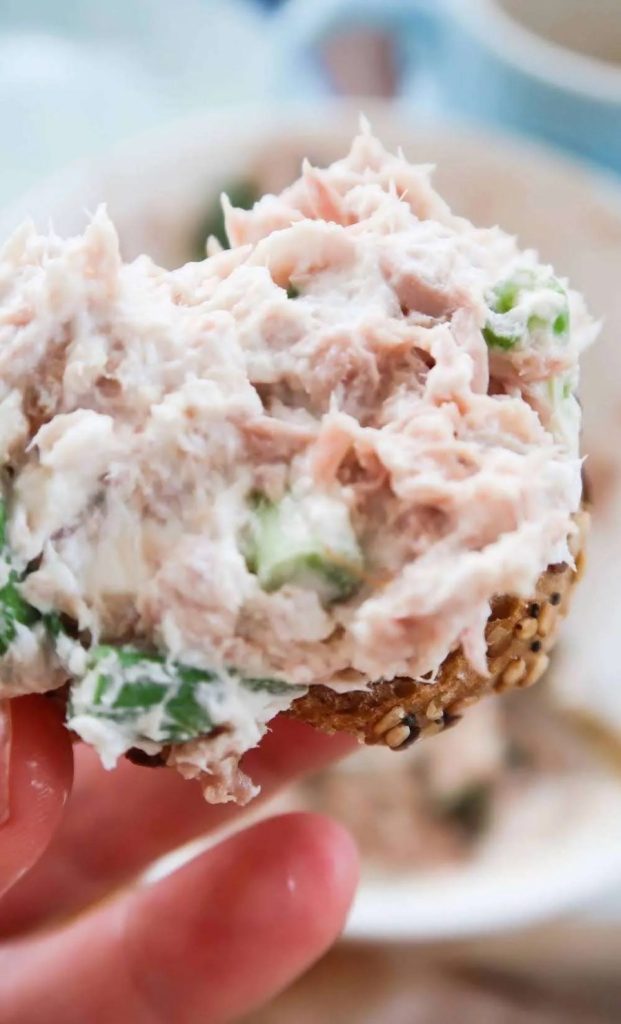
Have you ever found yourself with leftover tuna salad after a meal and wondered if you can freeze it, especially when it contains mayonnaise? You’re not alone.
Many of us love a good tuna salad, but when it comes to preserving it for later, things can get a little tricky. The thought of wasting food is never appealing, and knowing the right way to store your salad can make all the difference in taste and texture.
We’ll unravel the mystery of whether freezing your tuna salad with mayonnaise is a good idea. By the end, you’ll have the confidence to make the best decision for your kitchen and your taste buds. Curious to know more? Let’s dive in and discover the surprising truth!

Credit: hh-hm.com
Freezing Tuna Salad Basics
Freezing tuna salad might seem tricky because of its creamy texture. Many wonder if the salad keeps its taste and feel after freezing. Understanding the basics helps keep your tuna salad fresh and tasty after freezing.
Ingredients That Freeze Well
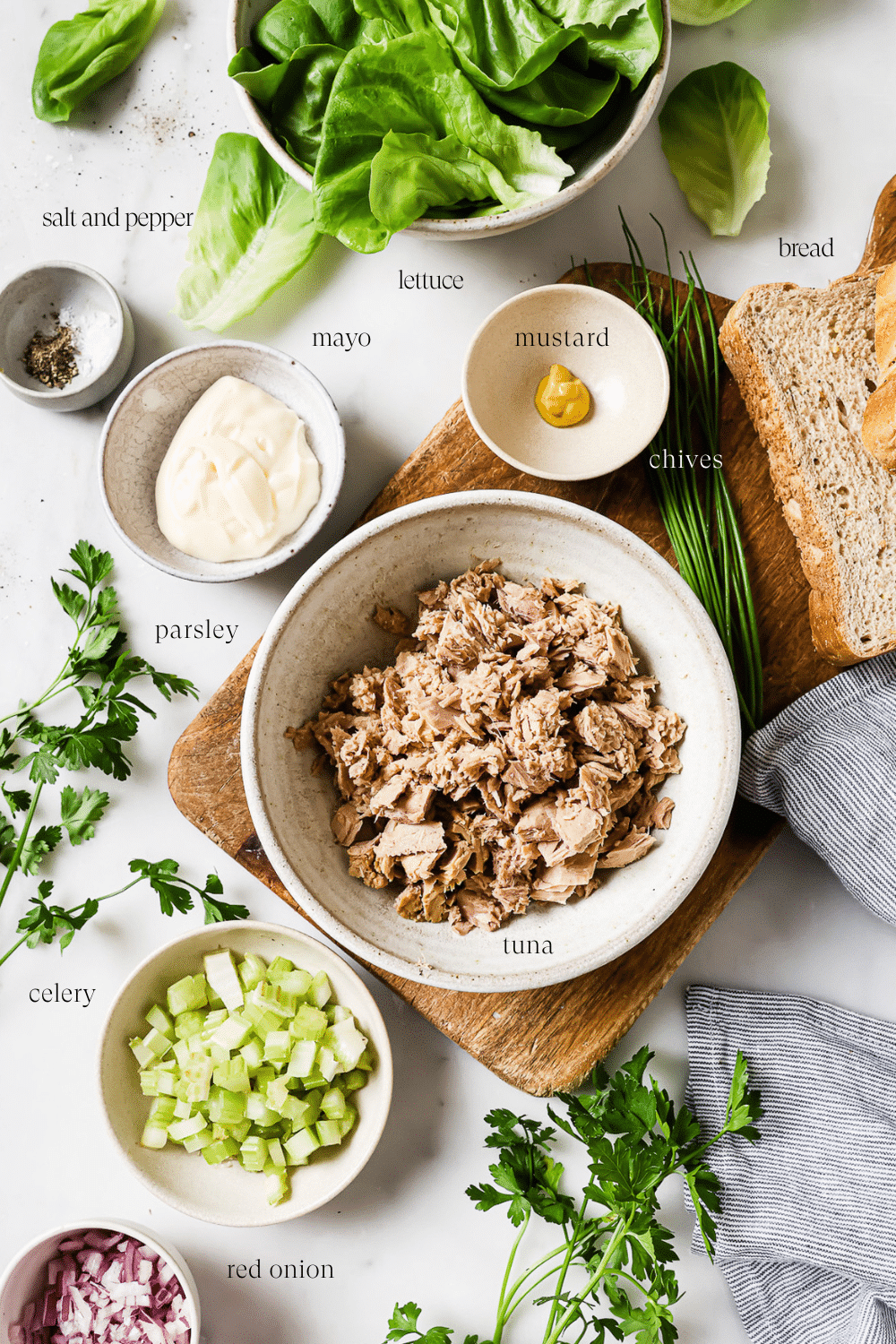
Some ingredients in tuna salad handle freezing better than others. Tuna itself freezes well without losing flavor. Vegetables like celery and onions can freeze but may turn softer. Hard-boiled eggs do not freeze well and may become rubbery.
- Tuna: Freezes well and keeps flavor.
- Celery: May soften but still edible.
- Onions: Slight texture change after freezing.
- Pickles: Texture may change but taste remains.
- Hard-boiled eggs: Not good for freezing.
Role Of Mayonnaise In Freezing
Mayonnaise is a key ingredient in tuna salad. It has a creamy texture that can change when frozen. Mayonnaise can separate and become watery after thawing. This might affect the salad’s texture but not its safety. Stirring the salad well after thawing helps improve texture.
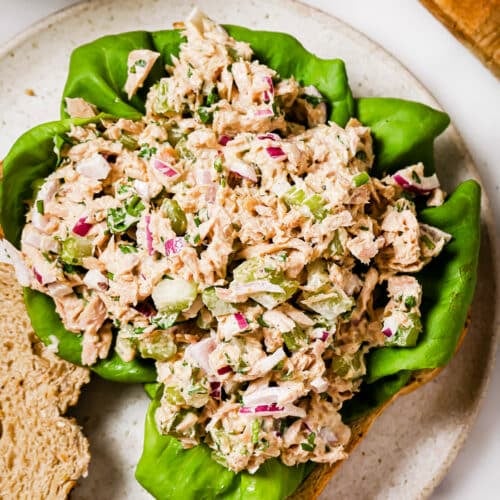
Credit: www.primaverakitchen.com
Effects Of Freezing On Texture And Flavor
Freezing tuna salad with mayonnaise affects its texture and flavor significantly. The process changes the consistency of both the tuna and the mayonnaise. These changes can influence how fresh and tasty the salad feels after thawing. Understanding these effects helps decide if freezing is a good option for storing tuna salad.
Changes In Tuna Texture
Tuna becomes firmer and drier after freezing. Ice crystals form inside the fish flakes, breaking their structure. This makes the tuna less tender and sometimes a bit crumbly. The texture no longer feels as fresh or moist as before freezing.
Mayonnaise Separation Issues
Mayonnaise tends to separate when frozen. The oil and water components split apart during freezing and thawing. This causes a watery layer to appear on top of the salad. The creamy texture of mayonnaise becomes grainy and less smooth.
Impact On Salad Freshness
The overall salad loses some of its fresh taste after freezing. Flavors become muted and less vibrant. The crispness of any added vegetables fades too. This results in a less appetizing salad compared to the fresh version.
Step-by-step Freezing Guide
Freezing tuna salad with mayonnaise requires careful preparation to keep its texture and flavor intact. Following a clear freezing guide helps maintain the quality of your salad. This section breaks down the process into simple, easy-to-follow steps.
Preparing Tuna Salad For Freezing
Start by making sure your tuna salad is fresh and well mixed. Avoid adding extra mayonnaise before freezing, as it can separate and change texture. Instead, keep the salad slightly drier than usual. Chill the salad in the refrigerator for at least an hour. This helps it firm up and freeze better.
Best Containers And Storage Tips
Choose airtight containers or heavy-duty freezer bags. These prevent freezer burn and keep the salad fresh. When using bags, press out as much air as possible before sealing. Small containers work best for portion control and quick thawing. Leave some space at the top to allow salad expansion during freezing.
Labeling And Dating Tips
Always label the container with the contents and freezing date. Use a permanent marker or freezer tape for clear writing. This helps track how long the salad has been frozen. Tuna salad stays good for up to two months in the freezer. Use the oldest batch first to avoid waste.
Credit: www.primaverakitchen.com
Thawing And Reheating Tuna Salad
Thawing and reheating tuna salad with mayonnaise needs care. The texture and flavor can change if not handled properly. Safe practices keep the salad tasty and healthy. Follow clear steps for best results.
Safe Thawing Methods
Thaw tuna salad in the refrigerator. This keeps it at a safe temperature. Avoid thawing at room temperature. Use the fridge for about 12 hours or overnight. If you need it fast, use a sealed bag and cold water. Change water every 30 minutes until thawed.
Restoring Texture And Flavor
Mayonnaise may separate after freezing. Stir the salad gently to mix it well. Add a little fresh mayonnaise if needed. Serve chilled for best taste. Avoid microwaving, as it can make the salad watery. Let it come to room temperature before eating.
Avoiding Food Safety Risks
Never refreeze thawed tuna salad. Eat it within 24 hours after thawing. Keep it cold to stop bacteria growth. Use clean utensils to avoid contamination. Discard if it smells off or looks strange. Proper handling protects your health.
Alternative Tips For Long-term Storage
Looking for ways to store your tuna salad for longer periods without sacrificing taste and texture? Freezing tuna salad with mayonnaise isn’t always the best choice because mayonnaise can separate and turn watery after thawing. Luckily, there are effective alternatives that help you keep your tuna fresh and delicious for weeks.
Freezing Tuna Without Mayonnaise
Freezing tuna salad works much better if you leave out the mayonnaise. Simply freeze the tuna mixed with other solid ingredients like celery, onions, or pickles. This way, you avoid the soggy texture mayonnaise can cause after thawing.
Once thawed, your tuna will be firm and ready to mix with fresh ingredients. This approach keeps the flavor intact and the texture much more appealing.
Adding Mayonnaise After Thawing
Why not add mayonnaise after you thaw your tuna? This is a simple trick that many home cooks swear by. You freeze the tuna and other salad ingredients separately and only stir in mayonnaise once everything is completely defrosted.
This method keeps your salad creamy and fresh, as the mayonnaise stays smooth and stable. Plus, it gives you control over how much mayo to add each time you serve it.
Using Mayonnaise Substitutes
If you want to freeze the salad whole, consider swapping mayonnaise for alternatives that freeze better. Greek yogurt, sour cream, or avocado can be good options because they hold up better after freezing and thawing.
Each substitute brings a different flavor and texture, so try small batches first. This could be a great way to experiment with new tastes while keeping your tuna salad freezer-friendly.
Frequently Asked Questions
Can You Freeze Tuna Salad With Mayonnaise Safely?
Freezing tuna salad with mayonnaise is not recommended. Mayonnaise separates and becomes watery after thawing. This affects texture and taste, making it less enjoyable.
How Long Can Tuna Salad With Mayo Stay Frozen?
Tuna salad with mayonnaise can be frozen for up to one month. Beyond this, quality and flavor degrade significantly. Use airtight containers to maintain freshness.
What Happens To Mayonnaise When Frozen In Tuna Salad?
Mayonnaise tends to separate and turn watery when frozen. This causes a grainy texture and altered flavor. It’s best to avoid freezing mayo-based salads.
How To Thaw Frozen Tuna Salad With Mayonnaise?
Thaw tuna salad overnight in the refrigerator. Avoid microwaving, as it may worsen texture. Stir well before serving to redistribute moisture evenly.
Conclusion
Freezing tuna salad with mayonnaise is not the best choice. Mayo tends to separate and change texture when frozen. This makes the salad watery and less tasty after thawing. For better results, freeze tuna and mix mayo fresh later. This keeps the salad creamy and fresh.
Keep these tips in mind to enjoy your tuna salad at its best. Simple steps lead to better meals every time.