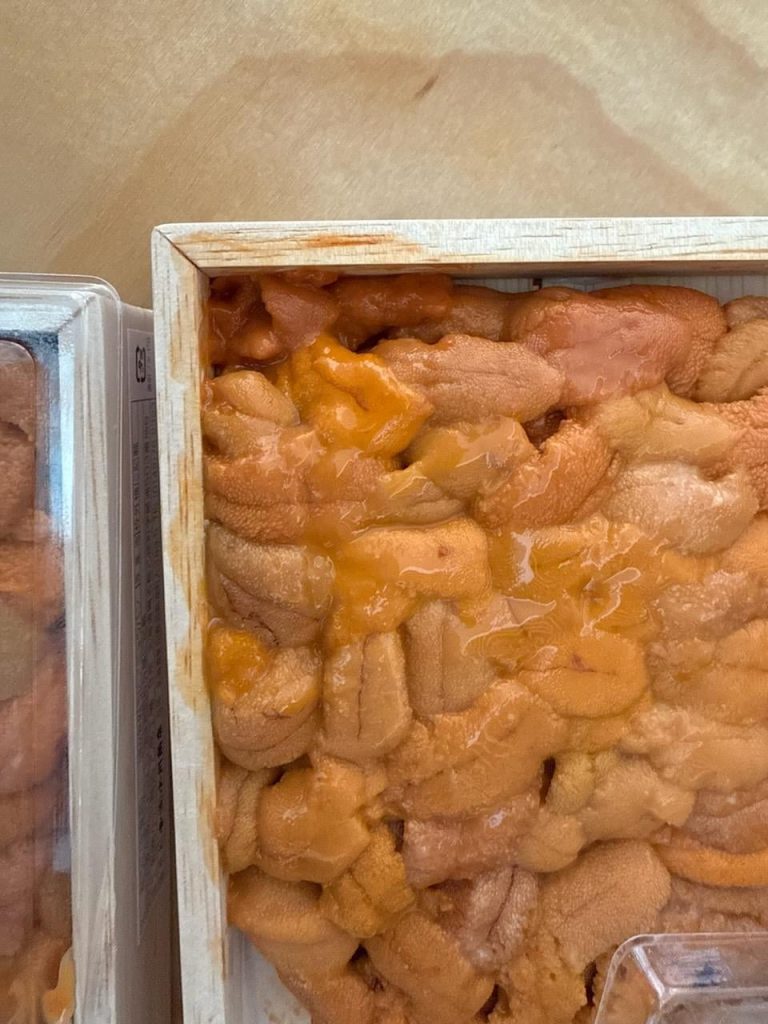
Have you ever wondered if you can freeze uni to keep it fresh longer? If you love the rich, creamy taste of sea urchin but worry about wasting any leftovers, this question probably crosses your mind.
Freezing seafood can be tricky, and uni is no exception. But what if freezing could help you enjoy your favorite delicacy whenever you want, without sacrificing flavor or texture? Keep reading to discover the truth about freezing uni and learn how to preserve its quality like a pro.
Your next sushi night might just get a whole lot better.

Credit: caliconnected.com
What Is Uni?
Uni is the edible part of sea urchins, prized for its creamy texture and rich flavor. Freezing uni can affect its delicate taste and texture, so it’s best to freeze it carefully or consume it fresh.
Uni, a delicacy cherished by seafood lovers, refers to the edible part of a sea urchin. This unique ingredient, often found in upscale sushi bars, has been intriguing food enthusiasts worldwide. But what exactly is uni, and why is it so sought after?Types Of Uni
Uni can come from different species of sea urchins, each offering its own distinct taste and texture. The most popular varieties include Japanese Bafun Uni and California Purple Sea Urchin. These types are often compared for their color and flavor intensity. Japanese Bafun Uni is renowned for its vibrant orange hue and sweet, creamy taste. On the other hand, California Purple Sea Urchin is slightly more delicate in flavor, making it a favorite in West Coast cuisine.Flavor And Texture
The allure of uni lies in its unique flavor profile and texture. It is often described as having a rich, buttery taste with a hint of ocean brininess. Imagine tasting the sea in the most luxurious way possible. Its texture is equally captivating, offering a smooth, custard-like consistency that melts in your mouth. Have you ever wondered how such a small creature can offer such an explosion of taste? That’s the magic of uni, transforming any dish into a gourmet experience. Uni’s distinct characteristics make it a versatile ingredient, perfect for adventurous home cooks looking to elevate their meals. Whether you enjoy it as a sushi topping or a creamy pasta sauce, uni promises to deliver an unforgettable taste sensation.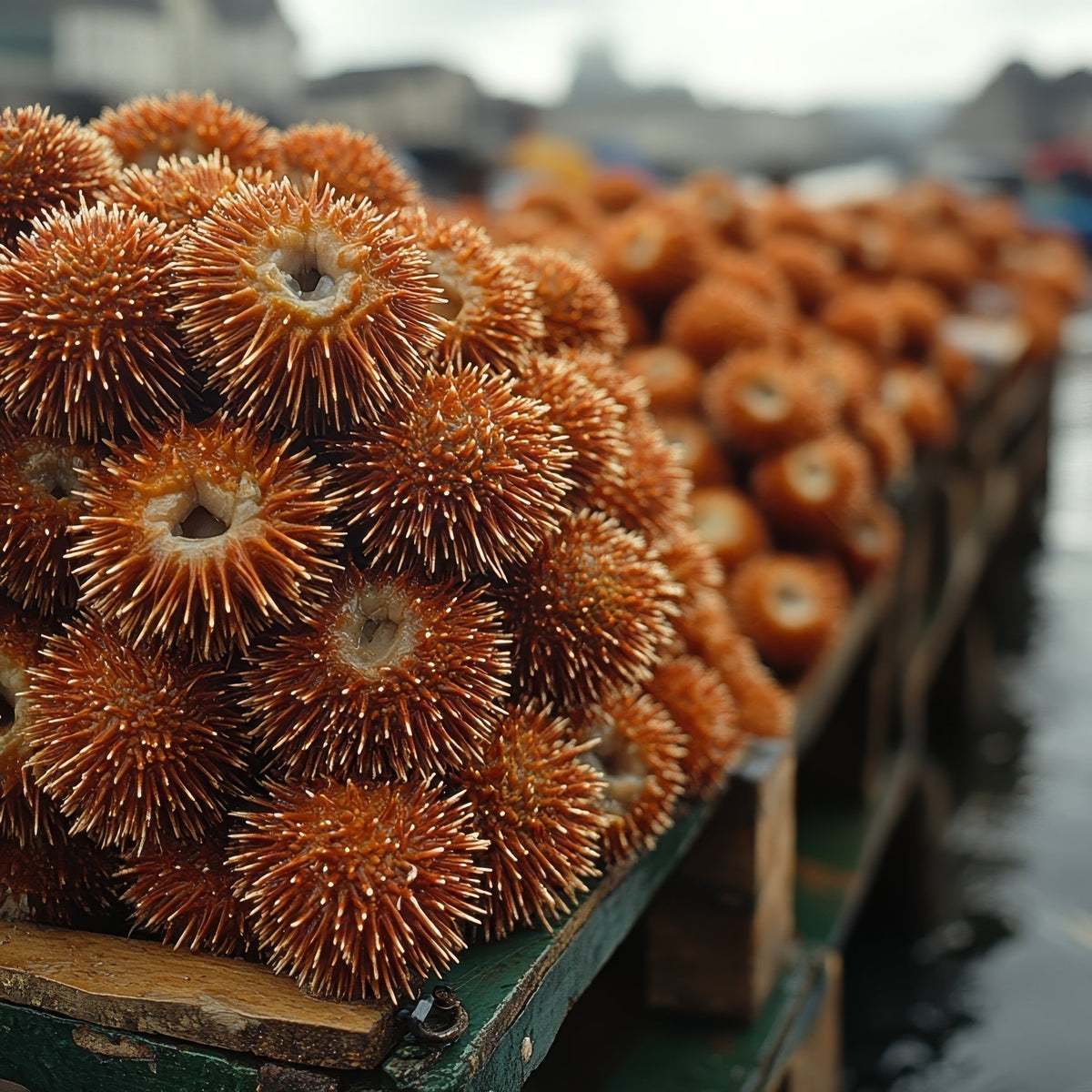
Credit: globalseafoods.com
Why Freeze Uni?
Uni, or sea urchin, is a delicate and highly perishable seafood. Freezing uni helps keep it fresh for longer. This process preserves its unique flavor and texture. Many people wonder if freezing changes the quality. Understanding why to freeze uni guides better storage decisions.
Benefits Of Freezing
- Extends shelf life beyond a few days
- Prevents spoilage and waste
- Keeps flavor close to fresh uni
- Makes it easy to store for future use
- Allows buying in bulk at lower prices
When To Freeze Uni
Freeze uni as soon as possible after purchase. The fresher it is before freezing, the better the taste. Avoid freezing if uni already looks or smells off. Freeze uni if you cannot use it within two days. Plan to use frozen uni within a few weeks for best quality.
Preparing Uni For Freezing
Preparing uni for freezing requires careful attention to preserve its delicate texture and flavor. Handling it properly before freezing can make a significant difference in how well it tastes after thawing. The goal is to maintain freshness while preventing freezer burn and unwanted moisture loss.
Cleaning And Packaging
Start by gently rinsing the uni under cold water to remove any salt or debris. Avoid scrubbing too hard since uni is fragile and can easily break apart.
Pat it dry using a paper towel, then place it on a clean, dry surface. Removing excess moisture helps prevent ice crystals from forming during freezing.
Next, wrap the uni tightly in plastic wrap or vacuum-seal it if you have the equipment. This step is crucial to protect it from air exposure, which causes freezer burn and dulls flavor.
Portioning Tips
Think about how you will use the uni once it’s frozen. Dividing it into small, meal-sized portions avoids thawing more than you need.
Use airtight containers or freezer bags for each portion, squeezing out as much air as possible before sealing. This keeps the uni fresh and easy to grab when you’re ready to cook or serve.
Label each package with the freezing date to track freshness. Have you ever lost track of frozen foods and ended up tossing them? Staying organized saves both money and taste quality.

Credit: japan-food.guide
Freezing Methods
Freezing uni requires care to keep its delicate texture and flavor. Using the right freezing methods helps maintain quality. These methods prevent freezer burn and preserve freshness. Below are effective ways to freeze uni safely.
Flash Freezing
Flash freezing quickly cools uni to prevent large ice crystals. Spread uni pieces on a tray in a single layer. Place the tray in the freezer until the uni is solid. Transfer frozen pieces to containers to avoid clumping. This method keeps uni’s texture intact better than slow freezing.
Using Airtight Containers
Airtight containers reduce exposure to air and moisture. Choose small containers that fit the amount of uni you freeze. Place uni inside, leaving little air space. Seal the container tightly to avoid freezer burn. Label containers with the freezing date for easy tracking.
Vacuum Sealing
Vacuum sealing removes air, extending uni’s freezer life. Place uni in vacuum bags and seal using a vacuum sealer. This method protects uni from freezer odors and moisture. Vacuum sealed uni maintains freshness longer than other methods. It also prevents freezer burn and keeps flavor strong.
Thawing Uni Safely
Thawing uni safely is crucial to preserving its delicate flavor and texture. If you rush the process or use the wrong method, you risk ending up with a mushy, less enjoyable dish. Taking your time and using gentle techniques will help you enjoy uni as if it were freshly caught.
Best Thawing Practices
Start by moving your frozen uni from the freezer to the refrigerator. Let it thaw slowly for about 8 to 12 hours, or overnight. This slow thaw keeps the uni at a safe temperature and prevents bacterial growth.
If you need uni thawed faster, place it in a sealed bag and submerge it in cold water for 30 to 60 minutes. Avoid using warm or hot water, as it can cook the uni and ruin its texture.
Always keep the uni in its original packaging or a sealed container during thawing to avoid contamination and preserve moisture.
Avoiding Texture Loss
Uni’s texture is delicate and can easily become grainy or slimy if mishandled. To avoid this, never thaw uni at room temperature or in the microwave. These methods cause uneven thawing and damage the soft roe.
After thawing, gently pat the uni dry with a paper towel to remove excess moisture. Too much water can dilute its flavor and make it mushy.
Have you noticed how quickly uni changes after thawing? Use it within 24 hours for the best taste and texture. Storing it too long after thawing leads to a loss of freshness that even the best thawing methods can’t fix.
Signs Of Spoiled Uni
Knowing the signs of spoiled uni is crucial before deciding to freeze or consume it. Uni is delicate seafood, and its freshness can change quickly. Recognizing when it has gone bad can save you from an unpleasant experience or even foodborne illness.
Visual Indicators
Fresh uni has a bright, vibrant orange or yellow color with a slightly glossy surface. If you notice dullness, dark spots, or a dry and crumbly texture, it’s a clear warning sign. Avoid uni that looks slimy or has any mold growth, as these are strong indicators of spoilage.
Have you ever seen uni that looks watery or has separated liquid? This often means it has started to break down and is no longer fresh. Paying attention to these visual cues can help you decide whether to freeze it or discard it.
Smell And Taste
Uni should have a mild, ocean-like aroma that is clean and fresh. If it smells sour, ammonia-like, or overly fishy, it’s spoiled. Trust your nose—any off-putting odor means it’s best not to eat or freeze it.
Tasting a tiny piece can confirm your suspicion, but be cautious. Spoiled uni tastes bitter or sour, not sweet and creamy as fresh uni does. If the flavor feels off, don’t risk it; your health is more important than wasting a small amount.
Using Frozen Uni In Recipes
Frozen uni offers a unique way to enjoy this delicate seafood beyond its fresh state. Using frozen uni in recipes allows you to savor its rich flavor even weeks after purchase. The texture may soften slightly, but many dishes still benefit from its creamy taste. Knowing how to use frozen uni can help you add luxury to everyday meals.
Ideal Dishes For Frozen Uni
- Sushi rolls with a creamy, soft center
- Pasta tossed in a light butter or cream sauce
- Seafood risotto enhanced with uni’s umami
- Uni-topped toast with avocado or cucumber slices
- Cold appetizers like uni salad or ceviche
Frozen uni works best in dishes where its flavor shines without needing a firm texture.
Tips For Maintaining Flavor
- Thaw slowly in the refrigerator, not at room temperature
- Use uni soon after thawing to preserve freshness
- Avoid cooking at very high heat to prevent flavor loss
- Add uni at the end of cooking for best taste
- Keep frozen uni tightly wrapped to avoid freezer burn
These simple tips help keep frozen uni flavorful and enjoyable in your recipes.
Frequently Asked Questions
Can You Freeze Uni For Later Use?
Yes, you can freeze uni to extend its shelf life. Wrap it tightly in plastic wrap and place it in an airtight container. Freeze for up to one month for best quality. Thaw slowly in the refrigerator before consuming.
Does Freezing Affect Uni’s Texture Or Flavor?
Freezing uni may slightly alter its delicate texture and flavor. It can become a bit softer and less creamy. However, freezing preserves its taste better than leaving it at room temperature. Consume frozen uni quickly after thawing for optimal freshness.
How To Properly Thaw Frozen Uni?
Thaw frozen uni slowly in the refrigerator for 6-8 hours. Avoid using warm water or microwave thawing as it damages texture and flavor. Once thawed, consume uni within 24 hours for the best taste and safety.
Is It Safe To Freeze Fresh Uni?
Yes, freezing fresh uni is safe if done correctly. Ensure it is fresh and clean before freezing. Proper storage in airtight containers prevents freezer burn and preserves quality. Always check for any off smells after thawing.
Conclusion
Freezing uni can help keep it fresh for a short time. Use airtight containers to stop freezer burn. Thaw it slowly in the fridge to keep taste. Note that texture might change after freezing. Use frozen uni soon for the best flavor.
This way, you can enjoy uni without waste. Try freezing small amounts first to see what works. Simple steps make storing uni easy and safe. Keep your uni fresh and enjoy its unique taste.