
Imagine having the power to safeguard your future family plans right from the comfort of your home. Sounds intriguing, doesn’t it?
Freezing your own sperm at home might seem like a futuristic concept, but it’s a growing interest for many. Whether you’re considering it for personal reasons, health concerns, or simply planning ahead, the idea of home sperm freezing raises several questions.
How does it work? Is it safe and effective? And most importantly, is it even possible? We’ll dive into the details, providing you with clear answers and insights. If you’re curious about how you can take control of your reproductive future in your own space, read on—this could be the information you’ve been searching for.

Credit: pherdal.com
Basics Of Sperm Freezing
Sperm freezing is a process used to preserve male fertility for future use. It involves collecting sperm and storing it at very low temperatures. This method helps protect sperm cells from damage over time. Many men choose sperm freezing before medical treatments or life changes that may affect fertility.
Understanding the basics helps decide the best approach to sperm freezing. Different methods exist, each with pros and cons. Knowing how sperm freezing works aids in making informed choices.
How Sperm Freezing Works
Sperm is collected through ejaculation or special medical procedures. The sample is then mixed with a cryoprotectant. This substance protects sperm cells during freezing. The sample cools slowly before being stored in liquid nitrogen tanks. Temperatures reach around -196°C, stopping all biological activity. Proper freezing keeps sperm viable for many years. When needed, sperm is thawed carefully for use in fertility treatments.
Medical Vs. Home Freezing
Medical sperm freezing happens in clinics with expert staff. Clinics use advanced equipment to ensure safe freezing and storage. Samples are tested for quality before freezing. Clinics follow strict protocols to avoid contamination or damage.
Home sperm freezing kits are available but less common. These kits allow men to collect and freeze sperm at home. However, they lack the precise temperature control of clinics. The risk of damage or contamination is higher. Home freezing may suit short-term needs or specific cases. Medical freezing remains the safest choice for long-term storage and fertility planning.
Home Sperm Freezing Methods
Freezing your own sperm at home sounds like a futuristic idea, but it’s gaining attention for its convenience and privacy. While traditional sperm freezing happens in clinics, some men consider home methods to preserve their fertility on their own terms. Understanding how to do this safely requires knowing the right tools and steps involved.
Required Equipment
You’ll need specific equipment to freeze sperm properly. A sterile collection container is essential to avoid contamination.
- Sterile collection cup:Ensures the sperm sample stays clean.
- Freezing medium or cryoprotectant:Protects sperm cells during freezing.
- Small, labeled cryovials or storage tubes:For storing the sperm samples.
- Access to a very low temperature freezer:Typically a liquid nitrogen tank or a specialized deep freezer that can reach -196°C.
- Temperature monitor:To track freezing conditions accurately.
Without these, freezing sperm at home risks damaging the cells, making the effort useless.
Step-by-step Freezing Process
First, collect your sperm sample in the sterile container. Make sure you avoid any contamination by washing your hands and the genital area before collection.
Next, gently mix the sperm with the freezing medium. This step is crucial because the cryoprotectant prevents ice crystals from forming inside the sperm cells, which can kill them.
After mixing, divide the sample into labeled cryovials. Labeling helps you keep track of dates and samples accurately.
Then, place the vials in the freezer. If you’re using liquid nitrogen, carefully lower the vials into the tank to reach the ultra-low temperature quickly.
Finally, monitor the temperature regularly to ensure the environment remains stable. A sudden rise in temperature can ruin the sperm.
Have you considered how much risk you’re willing to take by skipping a professional lab? While home freezing might sound convenient, it demands precision and the right tools to be effective.
Storage And Preservation Tips
Storing and preserving sperm at home requires careful attention to detail. You need to create the right environment to keep sperm healthy and viable. Without proper storage, the chances of successful use later can drop significantly.
Ideal Freezer Conditions
Sperm needs to be frozen quickly at extremely low temperatures to stay viable. A standard household freezer won’t cut it because it doesn’t reach the necessary cold levels. Instead, sperm should ideally be stored in liquid nitrogen tanks, which maintain temperatures around -196°C (-321°F).
Since liquid nitrogen tanks aren’t practical for home use, some opt for specialized sperm freezing kits with built-in cooling systems. These devices maintain temperatures far below a regular freezer and help protect sperm from ice crystal damage.
- Keep the sperm in airtight, sterile containers to avoid contamination.
- Minimize temperature fluctuations by storing samples in a stable environment.
- Label containers clearly with dates and details to track storage time.
Duration And Viability
How long can sperm remain viable when frozen? In professional settings, sperm can last for years if stored correctly. But at home, without ideal conditions, viability may decrease after just a few months.
Freezing sperm slows down all biological processes, but thawing and refreezing reduce quality. Think about how often you might access the sample and plan to use it within a reasonable timeframe to ensure effectiveness.
Have you considered the risks of long-term storage without professional oversight? Regular checks and proper labeling can help you keep track and avoid surprises when you need to use the sperm.
Risks And Limitations
Freezing your own sperm at home might seem like a convenient option, but it carries risks and limitations you need to understand fully. These factors can impact the safety, effectiveness, and viability of your sperm sample. Being aware of these challenges helps you make a more informed decision about whether home sperm freezing is right for you.
Potential Contamination
At-home sperm freezing lacks the sterile environment of a professional lab. This increases the risk of contamination by bacteria, viruses, or other pathogens. Even small impurities can affect the quality and safety of your sample.
Improper handling or unclean containers can introduce unwanted elements. Have you considered how carefully you can maintain a sterile process on your own? Contamination might not only ruin the sample but could also pose health risks if used later for fertility treatments.
Effect On Sperm Quality
Freezing sperm requires precise temperature control and the use of special freezing agents called cryoprotectants. Without professional equipment, it’s difficult to maintain these conditions accurately.
Fluctuating temperatures or incorrect freezing techniques can damage sperm cells, reducing their motility and viability. If your sperm quality drops, it could affect your chances of successful fertilization later on.
Think about this: would you trust your future fertility to a process that might compromise the very cells you want to preserve? Understanding these limitations can help you decide if a lab-based option is worth the extra effort.
Legal And Ethical Considerations
Freezing your own sperm at home raises important legal and ethical questions. These concerns ensure safety, respect privacy, and follow the law. Understanding these points helps you make wise choices. It also protects your rights and health during the process.
Regulations Around Home Freezing
Many countries have strict rules about sperm freezing. Most laws require procedures to happen in licensed clinics. Home freezing often falls outside these rules. This can cause legal risks for users. Some places may ban home sperm freezing entirely.
Regulations focus on:
- Quality control of freezing and storage
- Proper labeling and tracking of samples
- Health and safety standards
- Legal ownership of stored sperm
Without following these rules, frozen sperm may not be usable for legal fertility treatments. Checking local laws before attempting home freezing is essential.
Consent And Privacy Issues
Consent is key in sperm storage. Only the owner should decide how sperm is used. Clear consent protects against misuse or accidental use. This is especially important if others have access to the samples.
Privacy is another major concern. Personal and medical information must stay confidential. Home storage may lack secure measures to protect data. This increases the risk of unauthorized access.
Consider these points:
- Who can access the sperm samples?
- How is personal data protected?
- Are there agreements about future use?
Without clear consent and strong privacy controls, ethical problems may arise. Always secure your rights and data when freezing sperm at home.
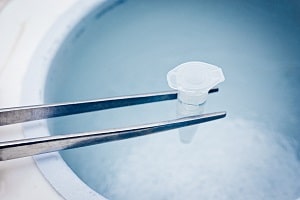
Credit: www.cityfertility.com.au
Alternatives To Home Freezing
Freezing sperm at home is not the only choice for preserving fertility. Various alternatives offer different levels of safety, convenience, and support. These options often provide professional care and better results.
Clinic-based Freezing Services
Clinics provide expert sperm freezing services with proper equipment. They ensure samples are stored in controlled conditions. Clinics follow strict health and safety rules to protect sperm quality.
Using clinic services means trained staff handle collection and storage. This reduces risks of contamination or damage. Clinics also offer counseling and advice on fertility options.
Costs vary, but clinics often have payment plans. Many accept insurance for these services. Clinics keep samples safe for many years, allowing future use.
Sperm Donation Options
Sperm donation is another way to support fertility needs. Donated sperm comes from screened donors tested for health and genetics. This option helps people who cannot produce viable sperm.
Donation programs provide access to a wide donor pool. Donors undergo strict testing to ensure safety. Recipients receive detailed donor profiles to make informed decisions.
Donation offers immediate use of sperm without freezing worries. Clinics assist with matching donors and managing legal paperwork. This option suits those seeking a reliable fertility source.
When To Consider Professional Help
Freezing your own sperm at home might seem like a convenient option, but there are important moments when professional help is necessary. Knowing when to seek expert advice can save you from potential health risks and improve your chances of future fertility. It’s not just about freezing sperm; it’s about ensuring it’s done safely and effectively.
Health Conditions Impacting Fertility
Certain health issues can affect your sperm quality and overall fertility. Conditions like diabetes, varicocele, infections, or hormonal imbalances can lower sperm count or motility.
If you have any chronic illness or suspect fertility problems, freezing sperm at home could be risky or ineffective. Professionals have the tools to assess your sperm health before freezing. This assessment helps avoid wasting time and resources on poor-quality samples.
Seeking Fertility Specialist Advice
Consulting a fertility specialist can provide clarity on whether freezing sperm at home is right for you. Specialists offer tailored guidance based on your health, lifestyle, and reproductive goals.
They can also perform tests to check sperm health, suggest the best timing for collection, and ensure the proper freezing process. Have you considered how expert advice could improve your chances of success?
Remember, professional clinics follow strict protocols to preserve sperm viability. This level of care is hard to match at home, especially without medical guidance.

Credit: cryochoice.com
Frequently Asked Questions
Can You Freeze Sperm At Home Safely?
Freezing sperm at home is not recommended. Proper freezing requires specialized equipment and medical expertise. Home methods risk damaging sperm and lowering fertility success. Always consult a fertility clinic for safe sperm cryopreservation.
What Equipment Is Needed To Freeze Sperm At Home?
Freezing sperm needs liquid nitrogen tanks, cryoprotectants, and controlled freezing devices. These tools ensure sperm survives freezing and thawing. Such equipment is costly and requires professional handling, making home freezing impractical.
How Long Can Sperm Be Stored After Freezing?
Frozen sperm can be stored indefinitely in liquid nitrogen. Viability remains high if storage conditions stay stable. Clinics often store sperm for years, allowing future use in fertility treatments.
Can Frozen Sperm Be Used For Ivf Later?
Yes, frozen sperm is commonly used in IVF and ICSI procedures. Thawed sperm retains fertilization ability if properly frozen. Clinics carefully handle thawing to maximize success rates.
Conclusion
Freezing your own sperm at home is possible but tricky. It needs special tools and careful steps. Mistakes can harm sperm quality. Seeking advice from a doctor or expert helps a lot. Safe storage is also very important. This method is not as reliable as professional clinics.
Think about the risks and benefits before trying it. Your health and future plans matter most. Take time to research and decide what fits you best.