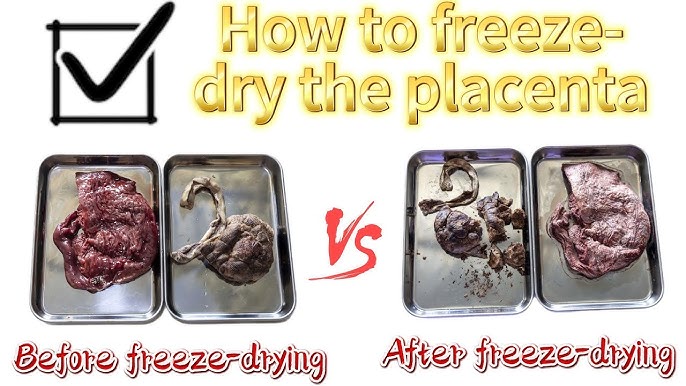
Have you ever wondered what happens to your placenta after birth? If you’re considering freezing it, you’re not alone.
Many new parents are curious about this practice and want to know if it’s safe, practical, and worth it. You’ll discover the facts about freezing your placenta, how it works, and what you need to consider before making this decision.
Keep reading to find out everything you need to know to make the best choice for you and your family.
Placenta Freezing Basics
Freezing the placenta is a practice some parents consider after birth. It involves preserving the placenta for future use or study. Understanding the basics helps in deciding if this option fits your needs.
What Is Placenta Freezing
Placenta freezing means storing the placenta at very low temperatures. This process keeps the placenta’s cells and tissues intact. It allows the placenta to stay preserved for months or years. The placenta is usually cleaned, prepared, and placed in special containers. Then, it is frozen using medical-grade freezers or liquid nitrogen. This method helps maintain the placenta’s quality for later use.
Common Reasons To Freeze Placenta
- Preserving stem cells for future medical treatments
- Using it in traditional or alternative medicine
- Research purposes to study health and development
- Personal or cultural reasons, such as rituals
- Making placenta pills or supplements
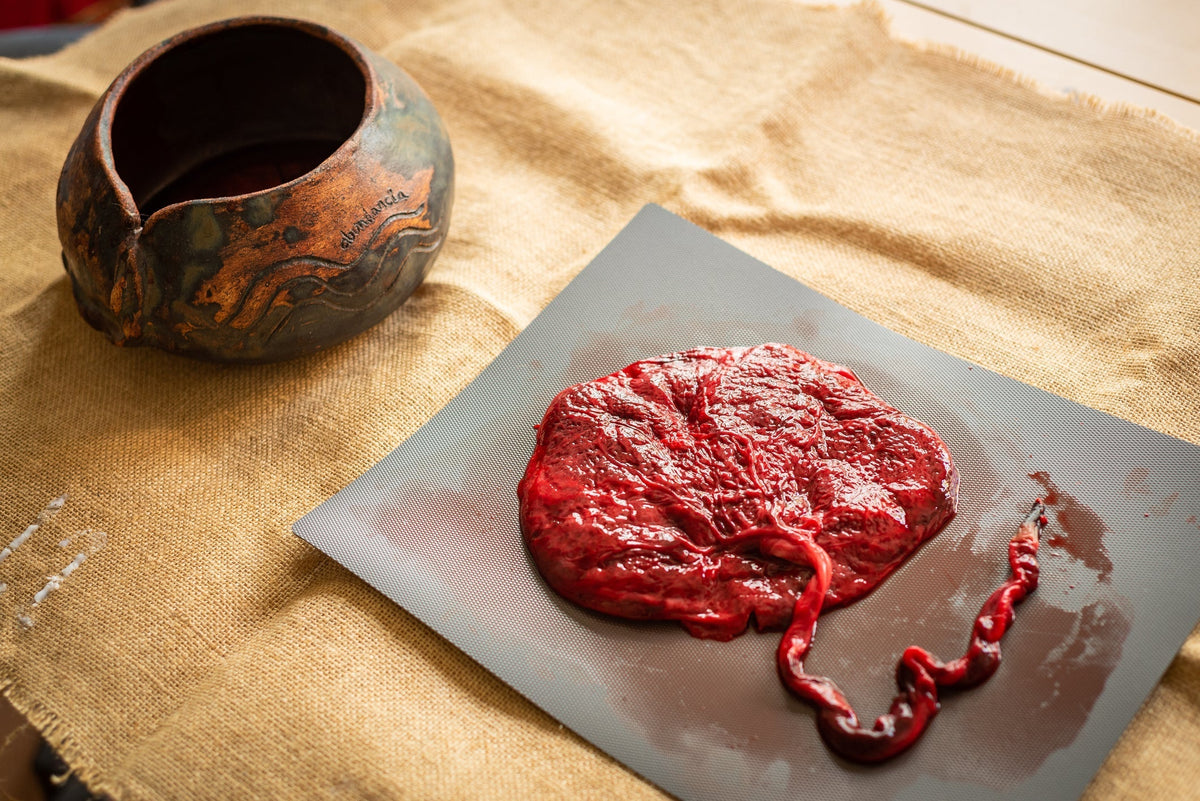
Credit: eatpluck.com
Methods Of Freezing Placenta
Freezing your placenta is a unique way to preserve it for future use, whether for encapsulation, consumption, or other personal purposes. Understanding the different methods available can help you make the best choice based on your needs, budget, and comfort level. Let’s look at how you can freeze your placenta safely and effectively.
Freezing At Home
Freezing your placenta at home is a practical option if you want direct control over the process. It requires prompt handling—usually within an hour after birth—to keep the tissue fresh.
Start by rinsing the placenta gently with cold water to remove any blood clots. Then, pat it dry with paper towels and wrap it tightly in plastic wrap or place it in a sealed freezer bag. Label the package with the date and store it in the coldest part of your freezer.
Keep in mind, home freezers can vary in temperature consistency, which might affect the quality of the placenta over time. How confident do you feel about managing these steps yourself? If you hesitate, professional help might be worth considering.
Professional Cryopreservation Services
If you want maximum preservation quality, professional cryopreservation is a reliable choice. These services use specialized equipment to freeze your placenta at ultra-low temperatures, often in liquid nitrogen.
The process involves careful handling, testing, and storage under sterile conditions. You simply deliver the placenta to the facility soon after birth, and experts take care of the rest. This method significantly slows down cellular breakdown and can extend the placenta’s viability for years.
Professional services usually offer additional options, such as encapsulation or custom preparation. Have you thought about how long you want to keep your placenta and what you might use it for? This can help you decide if investing in professional preservation makes sense for you.
Safety And Health Considerations
Freezing your placenta requires careful attention to safety and health. Improper handling can lead to risks that affect your well-being. Understanding these concerns helps you make informed choices.
Risks Of Improper Freezing
Freezing the placenta without following correct steps can cause damage. Ice crystals may form and break down tissues. This can reduce the placenta’s nutritional value and benefits. Poor freezing methods can also cause unpleasant odors and textures. Thawing too quickly increases the risk of bacteria growth. Always use proper freezing techniques to preserve quality.
Sterilization And Contamination Concerns
Placenta handling must be very clean to avoid contamination. Bacteria and viruses can grow if sterilization is not done right. Contaminated placentas can lead to infections after consumption. It is important to use sterile equipment and clean surfaces. Washing hands and tools thoroughly lowers contamination risks. Always consult a healthcare professional about safe preparation and storage.

Credit: www.carolinawaterbirth.com
Legal And Ethical Issues
Freezing your placenta might seem like a practical way to preserve its benefits, but there are important legal and ethical issues you need to understand before making that decision. Regulations and ethical concerns vary widely depending on where you live and what you plan to do with the placenta. Knowing these factors can help you make an informed choice that respects both the law and your personal values.
Regulations On Placenta Storage
Different countries and states have strict rules about how placentas can be stored and handled. Some require special permits or certifications for facilities that freeze and store human tissue. If you plan to keep your placenta at home, you might face less regulation, but this can come with health risks.
Hospitals and clinics often have policies that limit whether they will release your placenta for personal use or freezing. You might need to sign consent forms or follow specific procedures to take it home. These rules are designed to protect you and others from contamination or misuse.
Ask yourself: Are you prepared to follow these regulations? Ignoring them can lead to legal trouble or health hazards.
Ethical Questions Around Placenta Use
Beyond legality, ethical questions surround what you do with your placenta. Some people use it for encapsulation, believing it offers health benefits, while others donate it for research or medical use. But not everyone agrees on the morality of these choices.
Consider the implications of commercializing placenta products. Should a natural part of childbirth be sold or shared? What about consent if multiple parties are involved, like donors and recipients?
Your personal values play a big role here. Have you thought about how your decisions might affect others or reflect your beliefs? Ethics often require you to balance your desires with respect for the body and community standards.
Using Frozen Placenta
Using frozen placenta has become a topic of interest for many new parents exploring natural health options. Once frozen, the placenta can be preserved for future use, allowing you to decide how and when to utilize it. Understanding what you can do with a frozen placenta helps you make informed choices about your postpartum care and wellness routines.
Common Uses After Freezing
Many people choose to process their frozen placenta into capsules. This makes it easier to consume and store over time. Some also blend it into smoothies or cook it in meals, though freezing may affect texture and flavor.
Another popular option is to create tinctures or extracts by soaking small pieces in alcohol. This method can preserve some of the placenta’s nutrients and is convenient for gradual use.
Some parents opt to use the frozen placenta in ceremonial ways, such as burying it in a special spot as a symbolic gesture. This can be a meaningful part of honoring the birth experience.
- Placenta encapsulation into pills
- Adding to smoothies or food
- Making tinctures or extracts
- Ceremonial or symbolic uses
Effectiveness And Benefits
Freezing the placenta helps preserve many of its nutrients, but some vitamins and enzymes may degrade over time. You might notice a difference in potency compared to using fresh placenta.
Many users report benefits such as improved mood, increased energy, and quicker postpartum recovery. However, scientific evidence varies, and individual results depend on how the placenta is prepared and consumed.
Ask yourself: is preserving the placenta frozen worth it for your wellness goals? If you want flexibility in timing and use, freezing can be a practical choice. Just remember to handle and store it safely to maintain quality.
Alternatives To Freezing
Freezing your placenta is not the only way to preserve it. Several alternatives offer unique benefits. These options let you use your placenta in meaningful and natural ways. Each choice has its own process and purpose.
Encapsulation
Encapsulation turns the placenta into easy-to-take capsules. First, the placenta is cleaned and steamed. Then it is dehydrated and ground into powder. Finally, the powder is placed in capsules. This method helps preserve nutrients and hormones. Many believe it supports postpartum recovery and energy.
Planting Or Burial
Planting or burying the placenta honors its role in life. It can be buried in a special spot, often under a tree or plant. The placenta helps nourish the plant as it decomposes. This practice connects the child to nature and family roots. Some families hold a small ceremony to mark the event.
Expert Tips For Placenta Preservation
Preserving your placenta can be meaningful for new parents. Choosing the right method ensures it remains beneficial. Experts share insights to help you preserve it effectively. Follow these tips to make informed decisions.
Choosing The Right Method
Select a method that suits your needs and lifestyle. Common methods include encapsulation and freezing. Encapsulation involves drying and grinding the placenta into capsules. Freezing keeps it intact for future use. Each method offers different benefits and requirements.
Storage Duration And Conditions
Proper storage is crucial for placenta preservation. If freezing, store the placenta within 48 hours. Use airtight containers to prevent contamination. Ensure your freezer maintains a consistent temperature of 0°F (-18°C) or lower. This will help preserve the placenta’s properties.
Encapsulated placentas can last longer. Store capsules in a cool, dry place away from light. Check them regularly for signs of spoilage. Proper care ensures they remain safe for consumption.

Credit: myexpertmidwife.com
Frequently Asked Questions
Can You Freeze Your Placenta Safely At Home?
Yes, you can freeze your placenta safely at home. Use airtight containers and freeze promptly. However, for long-term storage, professional freezing or dehydration is recommended to maintain safety and quality.
How Long Can A Frozen Placenta Be Stored?
A frozen placenta can be stored safely for up to six months. Beyond this, nutrient quality and safety may decline. Proper packaging and consistent freezing temperatures are essential for preservation.
Does Freezing Affect The Placenta’s Nutrients?
Freezing helps preserve many nutrients in the placenta. However, some sensitive vitamins may degrade slightly over time. Proper freezing methods minimize nutrient loss, making it a viable option for storage.
Can Frozen Placenta Be Used Later For Encapsulation?
Yes, frozen placenta can be thawed and prepared for encapsulation. Make sure it’s frozen quickly after birth and stored correctly to avoid contamination and preserve benefits.
Conclusion
Freezing your placenta is possible with proper care and preparation. It helps preserve nutrients for later use. Make sure to follow safe handling and storage guidelines. Speak with a healthcare provider before deciding. Keep in mind, not everyone chooses this option.
It’s a personal choice based on beliefs and health needs. Understanding the process can help you decide what’s best. Take your time to learn and plan carefully. Your health and safety always come first.