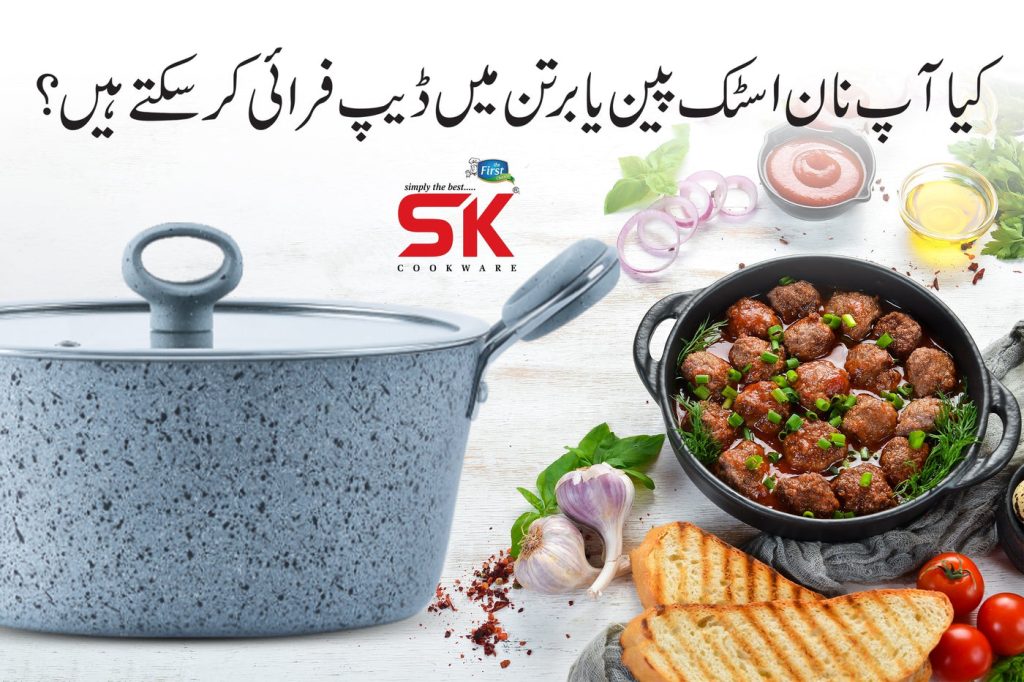
Have you ever wondered if you can fry your favorite meals in a nonstick pan without ruining it? You might be worried about damaging the coating or not getting the perfect crispy texture.
The good news is, frying in a nonstick pan is possible—but there are some important tips you need to know to get the best results. Keep reading to discover how you can fry safely and deliciously using your nonstick cookware, saving you time and keeping your kitchen mess-free.
Credit: www.carawayhome.com
Nonstick Pan Basics
Nonstick pans are popular for cooking because food does not stick to their surface. This makes cooking and cleaning easier.
Many people wonder if they can fry food in a nonstick pan. Understanding how these pans work helps answer this question.
How Nonstick Coatings Work
Nonstick pans have a special coating that stops food from sticking. This coating is usually made of a material called PTFE.
The coating creates a smooth surface. This means less oil or butter is needed for cooking. It also helps with easy cleaning.
Types Of Nonstick Pans
There are several types of nonstick pans. Each type uses different materials or coatings to stop food from sticking.
- PTFE-coated pans are the most common and affordable.
- Ceramic-coated pans use a natural, nonstick surface without chemicals.
- Hard-anodized pans have a tough surface that is scratch resistant.
- Cast iron pans can be nonstick when seasoned properly.
Frying Techniques
Frying in a nonstick pan is possible with the right approach. This technique uses less oil and reduces food sticking.
It is important to control heat and use suitable oils. Proper steps help keep the pan safe and food tasty.
Best Oils For Frying
Choose oils that handle heat well without burning. Oils with high smoke points work best for frying.
- Canola oil – light taste and high heat tolerance
- Peanut oil – good for frying with a mild flavor
- Sunflower oil – stable at high temperatures
- Avocado oil – healthy and heat-resistant
- Light olive oil – better for medium heat frying
Avoid oils that burn easily like extra virgin olive oil or butter. These can damage the nonstick coating.
Ideal Temperature Settings
Keep the pan temperature between 325°F and 375°F. This range cooks food evenly without harming the pan.
Use medium to medium-high heat. Too high heat can break the pan’s nonstick surface and burn the food.
- Start with medium heat to warm the pan
- Add oil and let it heat until it shimmers
- Place food carefully and avoid overcrowding
- Adjust heat to keep oil hot but not smoking
Advantages Of Frying In Nonstick Pans
Nonstick pans are popular for cooking many dishes. They offer some clear benefits during frying.
Using a nonstick pan can help make cooking easier and healthier. These pans prevent food from sticking and reduce the need for extra fats.
Reduced Oil Usage
Nonstick surfaces need less oil or butter to cook food. This means you can fry with less fat, making meals lighter.
- Use just a small amount of oil to prevent sticking
- Lower fat content helps with weight control
- Easy to clean as oil residue is minimal
- Less oil saves money and reduces waste
Easy Food Release
Food slides off easily from nonstick pans. This keeps your food whole and looking nice.
| Benefit | Description |
| Minimal Sticking | Prevents food from breaking apart |
| Better Presentation | Foods keep their shape and texture |
| Less Scraping | Clean up is faster and easier |
Credit: hexclad.ca
Potential Drawbacks
Nonstick pans are popular for easy cooking and cleaning. Still, they have some drawbacks you should know. These issues can affect how you fry food and how long your pan lasts.
Understanding these drawbacks helps you use your pan safely and get the best results. We look at heat limits and durability concerns to help you decide.
Heat Limitations
Nonstick pans have a maximum heat they can handle. Cooking at too high heat can damage the coating. This damage can release harmful fumes and reduce nonstick properties.
- Most nonstick pans work well up to 450°F (232°C).
- Using high heat may cause the coating to peel or flake.
- Overheating can create toxic fumes that are unsafe to breathe.
- It is best to use medium or low heat for frying.
Durability Concerns
Nonstick coatings are delicate. They can wear out from scratches or rough cleaning. This wear reduces the pan’s lifespan and cooking performance.
| Cause | Effect |
|---|---|
| Using metal utensils | Scratches the coating |
| Abrasive cleaning pads | Removes nonstick layer |
| Stacking pans without protection | Causes chips and cracks |
| Dishwasher use | Fades coating faster |
Maintenance Tips
Using a nonstick pan for frying is easy, but it needs care. Good maintenance keeps the pan working well for a long time.
Cleaning and handling the pan correctly helps stop damage. Follow simple tips to keep your pan safe.
Cleaning Without Damage
Clean your nonstick pan after each use. Use warm water and mild soap. Avoid strong cleaners that can harm the coating.
Let the pan cool before washing. Sudden temperature changes can cause warping or damage. Use a soft sponge or cloth to wash the pan gently.
- Use warm water and mild dish soap
- Wash with a soft sponge or cloth only
- Never use steel wool or abrasive pads
- Allow the pan to cool before cleaning
- Dry the pan fully before storing
Avoiding Scratches
Scratches can ruin the nonstick surface. Use wooden, silicone, or plastic utensils when cooking. Avoid metal tools that can scrape the pan.
Store your pan carefully. Do not stack heavy pots on it. Place a soft cloth or paper towel between pans if stacking is needed.
- Use only non-metal utensils
- Do not cut food inside the pan
- Store pans with padding between them
- Handle with care to avoid drops or bumps
Credit: misen.com
Expert Cooking Tips
Frying in a nonstick pan is possible with the right methods. It helps keep food from sticking and makes cooking easier.
Using the right techniques improves the pan’s lifespan and your cooking results. Learn how to preheat and use utensils safely.
Preheating Strategies
Preheat your nonstick pan on low or medium heat. High heat can damage the coating and release harmful fumes.
- Start heating the pan empty for 1 to 2 minutes.
- Add a small amount of oil or butter to help with cooking.
- Wait until the oil shimmers before adding food.
Using Utensils Safely
Use the right utensils to protect the pan’s surface. Hard tools can scratch and ruin the nonstick coating.
| Utensil Type | Safe to Use | Not Recommended |
| Spoons | Wood, silicone, plastic | Metal |
| Spatulas | Silicone, wood | Metal, sharp edges |
| Tongs | Silicone tips | Metal tips |
Frequently Asked Questions
Can You Fry Eggs In A Nonstick Pan?
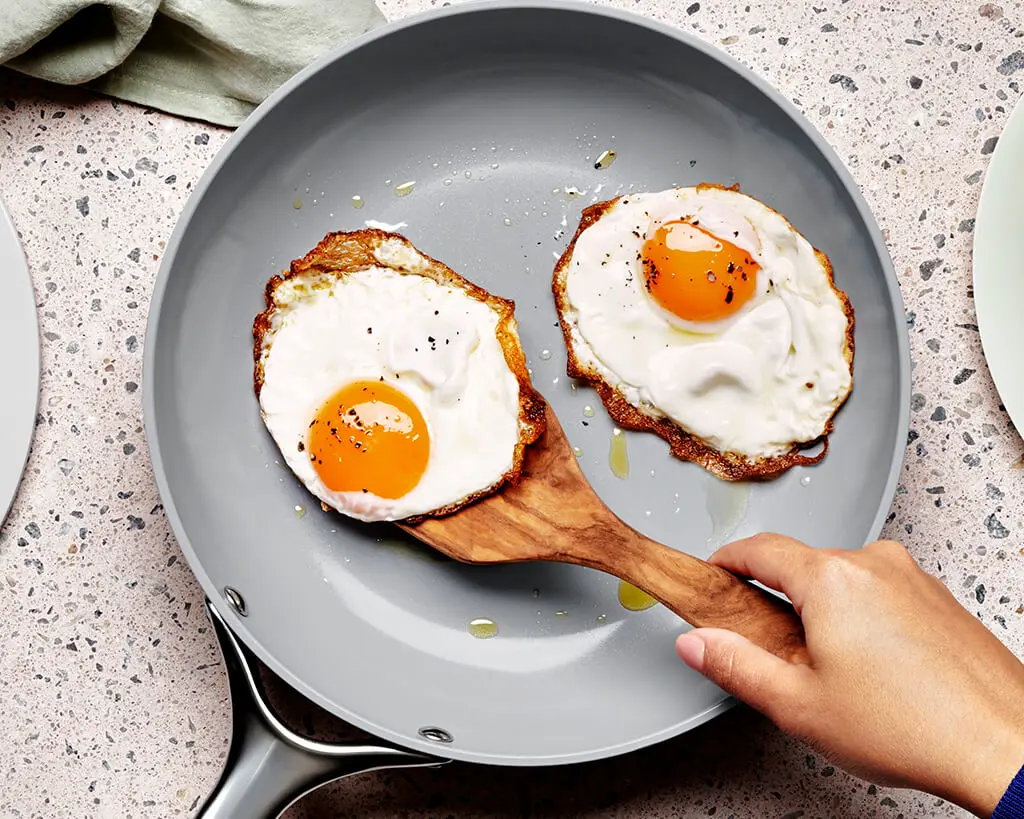
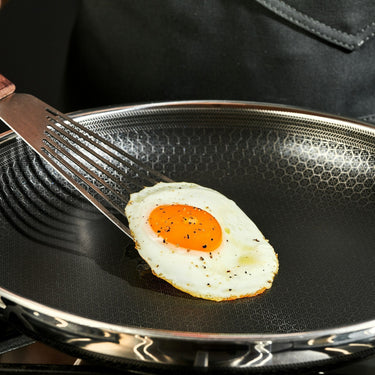
Yes, you can fry eggs in a nonstick pan. Nonstick pans provide even heat distribution and prevent sticking. Use a small amount of oil or butter for best results. Ensure the pan is properly heated before adding eggs. This helps achieve a perfectly fried egg with ease.
Is Frying In Nonstick Pans Safe?
Frying in nonstick pans is generally safe. Modern nonstick coatings are designed to withstand high temperatures. However, avoid overheating the pan to prevent harmful fumes. Use medium heat for frying and maintain ventilation. Always follow the manufacturer’s instructions for your specific nonstick pan.
What Oil Is Best For Nonstick Frying?
Use oils with a high smoke point for nonstick frying. Canola, vegetable, and avocado oils are excellent choices. These oils withstand frying temperatures and don’t degrade the nonstick coating. Avoid using cooking sprays as they can build up residue on the pan over time.
How To Prevent Food From Sticking?
To prevent sticking, preheat your nonstick pan before adding food. Use a small amount of oil or butter. Avoid using metal utensils that can scratch the coating. Gently move food while cooking to ensure even heat distribution and prevent sticking.
Conclusion
Nonstick pans work well for frying at low to medium heat. High heat can damage the coating and release fumes. Use a little oil to keep food from sticking. Avoid metal utensils to protect the surface. Clean the pan gently with a soft sponge.
With proper care, nonstick pans last longer. They offer easy cleanup and good cooking results. Choose the right pan for your frying needs. Safe, simple, and effective cooking is possible in a nonstick pan.