
Have you ever wondered if your air conditioner could be putting you at risk for carbon monoxide poisoning? It’s a question that might surprise you, especially since you rely on your AC to keep your home cool and comfortable.
But understanding whether your air conditioner can produce this deadly gas is crucial for your safety. You’ll discover the facts you need to protect yourself and your loved ones. Keep reading to learn how carbon monoxide works, what sources to watch out for, and how to stay safe while enjoying cool air.
Credit: www.diychatroom.com
How Air Conditioners Work
Air conditioners work by moving heat from inside to outside. They use a cooling mechanismthat removes warm air and adds cool air. A refrigerant absorbs heat and changes from liquid to gas. Then, the heat is released outside as the gas turns back to liquid.
Different types of air conditionersexist to fit various needs. Some common types include:
- Window units:Installed in windows, cool single rooms.
- Split systems:Have indoor and outdoor parts, cool larger spaces.
- Portable units:Moveable and easy to set up.
- Central air systems:Cool entire buildings through ducts.
Sources Of Carbon Monoxide
Carbon monoxide (CO)is a colorless, odorless gas. It can come from many household items that burn fuel. These include:
- Gas stoves
- Fireplaces
- Wood-burning stoves
- Gas water heaters
- Portable generators
- Heating systems using oil, gas, or coal
These appliances produce CO when they do not burn fuel completely. Poor ventilation can make CO build up inside your home. Air conditioners do not produce carbon monoxide because they do not burn fuel. But if your air conditioner uses a gas furnace for heating, that furnace can be a source of CO.
Air Conditioners And Carbon Monoxide
Air conditioners themselves do not produce carbon monoxide (CO). CO is a gas made from burning fuel like gas, oil, or wood. Most AC units use electricity, so they don’t create this gas.
CO can come from furnaces, water heaters, or gas stovesif they are broken or not vented well. Sometimes, if an air conditioner shares space with these appliances, CO could leak into the home.
Improper installation of heating or cooling systems can cause CO buildup. Poor ventilation or blocked vents are common risks. This can let dangerous gases enter living areas.
- Wrong vent pipe connections
- Cracked heat exchangers
- Poor air flow around the unit
- Not following local building codes
Always hire qualified professionalsfor installation and maintenance. Regular checks keep your home safe from CO poisoning.
Signs Of Carbon Monoxide Exposure
Carbon monoxide (CO) exposurecan cause many health problems. Common symptoms include headaches, dizziness, nausea, and weakness. People may feel confused or have trouble breathing. Sometimes, symptoms look like a cold or flu. If many people in the same place feel sick, CO might be the cause.
CO is a gas that is colorless and odorless. It is hard to detect without special tools. A carbon monoxide detectoris the best way to find CO in your home. These devices sound an alarm when CO levels rise. Place detectors near bedrooms and living areas. Regularly check and change the batteries in detectors. Never ignore alarms; leave the home and call for help.
Preventing Carbon Monoxide Risks
Regular maintenancehelps keep your air conditioner safe. Check and clean filters often. This stops dust and dirt build-up. Keep vents and ducts clear to allow air flow. Schedule yearly inspections by a professional. They check for leaks or blockages that can cause issues.
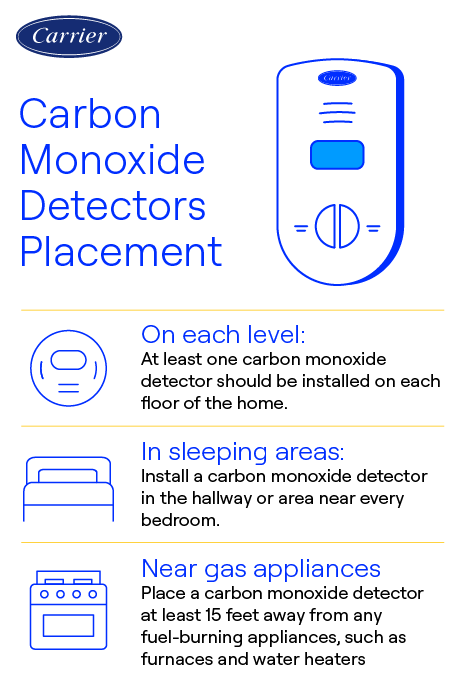
Install carbon monoxide (CO) detectorsnear your air conditioner. These devices alert you to dangerous CO levels. Test detectors monthly to ensure they work well. Replace batteries every six months or as needed. Place detectors on every floor and near sleeping areas.
Credit: www.carrier.com
What To Do If You Suspect Co Exposure
Leave the area immediatelyto get fresh air. Carbon monoxide is invisible and dangerous. Open windows and doors to ventilate the space. Avoid re-entering until the air is safe.
Check for symptoms like headache, dizziness, nausea, or confusion. These may signal carbon monoxide exposure. Seek medical help right away if symptoms appear.
- Turn off any fuel-burning appliances, including the air conditioner if it uses gas.
- Do not use fans or air conditioners that could spread the gas.
- Use a battery-powered CO detector if available to confirm exposure.
- Call a qualified professional to inspect your air conditioning and heating system.
- Request a full check for leaks or malfunctioning parts.
- Have a certified technician test your home for carbon monoxide levels.
- Schedule regular maintenance to prevent future risks.

Credit: www.dreamden.ai
Frequently Asked Questions
Can Air Conditioners Produce Carbon Monoxide?
No, air conditioners do not produce carbon monoxide. They function solely to cool and circulate air. Carbon monoxide is usually a byproduct of burning fuels. AC units don’t use fuel combustion processes, thus they cannot generate carbon monoxide. Regular maintenance ensures your AC operates efficiently and safely without any risk of gas leakage.
How Does Carbon Monoxide Poisoning Occur?
Carbon monoxide poisoning happens when you inhale too much carbon monoxide. This gas is produced by burning fuel. Common sources include cars, stoves, and heating systems. It prevents oxygen from entering your bloodstream, leading to serious health issues. Ensure proper ventilation and regular maintenance of fuel-burning appliances to prevent exposure.
Can A Faulty Air Conditioner Cause Health Issues?
Yes, a faulty air conditioner can circulate unclean air, causing health issues. This can lead to allergies or respiratory problems. Regular maintenance ensures clean filters and ductwork. This keeps the air free from dust and allergens. Always inspect your AC system to maintain a healthy indoor environment.
What Should I Do If I Suspect Carbon Monoxide?
If you suspect carbon monoxide, immediately leave the area and seek fresh air. Call emergency services for help. Do not re-enter the area until it’s declared safe. Ensure all gas appliances are checked by a professional regularly. Installing a carbon monoxide detector can help prevent exposure.
Conclusion
Air conditioners do not produce carbon monoxide gas. This gas usually comes from fuel-burning appliances like heaters or stoves. Still, faulty air conditioners can cause other problems, such as poor air quality or mold. Regular maintenance keeps your air conditioner safe and clean.
Always check for gas leaks in your home. Stay aware and protect your family’s health. Clean air feels good and keeps you safe.