
Have you ever wondered if your air conditioner could be a hidden source of carbon monoxide in your home? It’s a question that might seem unusual, but when it comes to your safety and peace of mind, it’s worth knowing the facts.
Carbon monoxide is a silent, invisible threat that can cause serious health problems. So, can your air conditioner put you at risk? Keep reading to uncover the truth and learn how to keep your home safe and comfortable all year round.
Credit: www.diychatroom.com
How Air Conditioners Work
An air conditioner cools air by removing heat inside a room. It uses a special fluid called refrigerant. This fluid absorbs heat and carries it outside. The process happens in a cycle that repeats.
Common parts of an air conditioner include:
- Compressor:Pumps the refrigerant through the system.
- Condenser:Releases heat outside.
- Evaporator:Absorbs heat from indoor air.
- Expansion Valve:Controls refrigerant flow.
- Fans:Move air over coils to help heat exchange.
Sources Of Carbon Monoxide
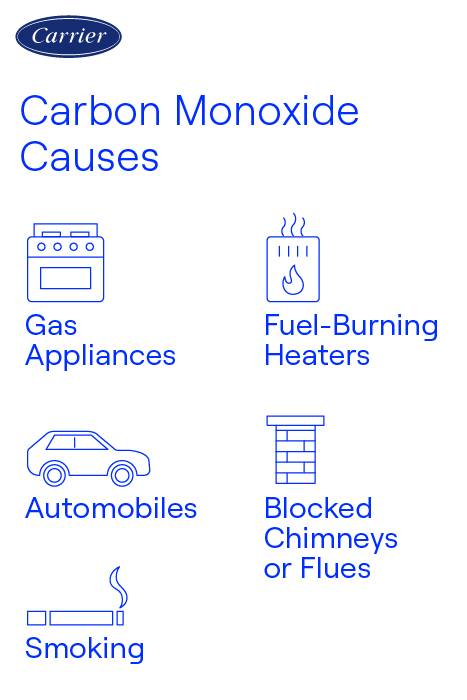
Fuel-burning appliancesare common sources of carbon monoxide (CO). These include gas stoves, water heaters, and fireplaces. When these devices are not working properly, they can release CO into the air.
Poor ventilationmakes CO buildup more likely. Closed or blocked vents stop fresh air from entering and trap gases inside. This can cause dangerous CO levels in homes.
- Gas heaters that are not maintained well
- Fireplaces without proper chimney flow
- Blocked vents or exhaust pipes
- Indoor use of generators or grills
Air conditioners usually do not create carbon monoxide. But if combined with fuel-burning appliances and poor ventilation, CO risks increase.
Air Conditioners And Carbon Monoxide
Air conditioners do not produce carbon monoxide (CO). They use electricity to cool the air. CO is made when fuels like gas, oil, or wood burn without enough oxygen. Since air conditioners don’t burn fuel, they don’t create CO.
Still, some risks exist. If an air conditioner works with a gas furnace or heater, CO could leak from those devices. Poor ventilation or broken equipment might cause CO to build up inside.
- Gas furnaces connected to AC can leak CO.
- Blocked vents or chimneys increase CO risk.
- Faulty heating equipment is a common source.
- Regular maintenance helps prevent CO problems.
Signs Of Carbon Monoxide Exposure
Carbon monoxide (CO)poisoning can cause serious health problems. Watch for symptomslike headache, dizziness, and nausea. People may feel weak or confused. Some might have trouble breathing or chest pain. These signs can appear suddenly or slowly over time. Pets can show symptoms too, such as vomiting or lethargy.
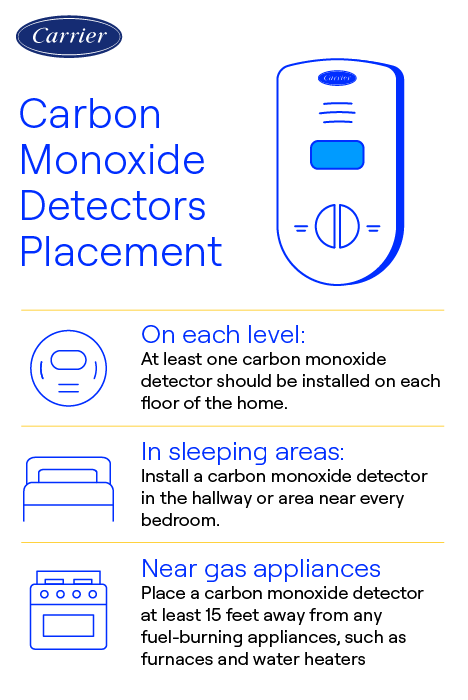
Detecting carbon monoxideis vital for safety. Use CO detectorsnear bedrooms and living areas. These devices sound alarms when CO levels rise. Regularly check and replace batteries in detectors. If a detector goes off, leave the area immediately and call for help. Never ignore symptoms or alarms, even if they seem mild.
Preventing Carbon Monoxide Risks
Regular maintenancekeeps your air conditioner safe. Clean filters and check for leaks. A well-maintained unit works better and reduces risks.
Proper ventilationhelps fresh air flow. It stops dangerous gases from building up inside your home. Keep vents clear and open at all times.
Using carbon monoxide (CO) detectorsis a smart safety step. Place them near bedrooms and living areas. They alert you if CO levels rise, helping you stay safe.
Credit: www.carrier.com
What To Do In Case Of Co Exposure
Leave the area immediatelyto get fresh air. Open windows and doorsto ventilate the space. Turn off any devices that might produce carbon monoxide. Call emergency servicesor ask someone nearby to help.
Try to stay calm and breathe slowly. Do not go back insideuntil the area is declared safe by professionals.
- Seek medical help if feeling dizzy, weak, or confused.
- Get help if there is a headache, nausea, or vomiting.
- Call for help if you have trouble breathing or chest pain.
- Young children, elderly, and pregnant women need prompt care.
Credit: www.carrier.com
Frequently Asked Questions
Can Air Conditioners Produce Carbon Monoxide?
No, air conditioners do not produce carbon monoxide. They operate on electricity, not combustion. Carbon monoxide is a byproduct of burning fuel. Only appliances that burn fuel, like heaters or gas stoves, can produce carbon monoxide. Always ensure proper ventilation for any fuel-burning appliances to avoid carbon monoxide buildup.
Is Carbon Monoxide Poisoning Possible From Ac Units?
No, carbon monoxide poisoning from AC units is not possible. Air conditioners use electricity, not combustible fuels. Therefore, they cannot produce carbon monoxide. However, malfunctioning fuel-burning appliances in the home can lead to carbon monoxide buildup. Always use carbon monoxide detectors to ensure safety in your home.
How To Detect Carbon Monoxide In The Home?
Install carbon monoxide detectors on each floor of your home. These devices can alert you to dangerous levels of carbon monoxide. Regularly test and replace their batteries for optimal performance. Ensure proper ventilation and maintenance of fuel-burning appliances to minimize the risk of carbon monoxide accumulation.
Can Faulty Acs Cause Carbon Monoxide Leaks?
No, faulty ACs cannot cause carbon monoxide leaks. Air conditioners do not use combustion, so they cannot produce carbon monoxide. However, ensure regular maintenance of all appliances in your home. This includes ACs, to ensure efficient performance and safety.
Conclusion
Air conditioners do not produce carbon monoxide by themselves. Carbon monoxide comes from burning fuel, not from cooling air. Still, some heating systems near the AC can leak this gas. Always check your appliances regularly for safety. Use carbon monoxide detectors in your home.
They help catch leaks early and keep you safe. Stay aware and maintain your equipment well. Clean air and safety go hand in hand. Keep your home fresh and worry-free.