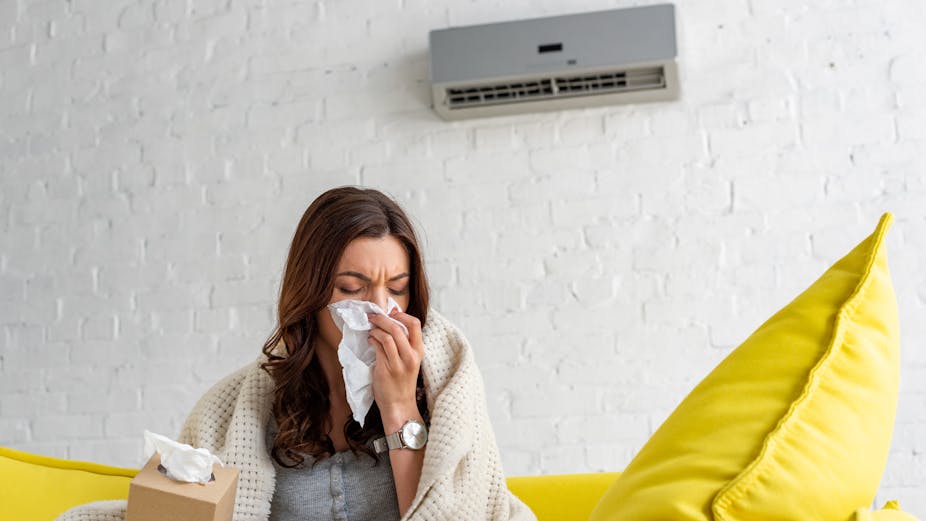
Have you ever wondered if your air conditioner could be making you sick? When the weather heats up, you rely on your AC to keep cool and comfortable.
But what if that cool breeze is hiding something harmful? You might be surprised to learn that under certain conditions, your air conditioner could increase your risk of getting pneumonia. Before you turn off your AC for good, keep reading to find out what you need to know to stay safe and healthy while staying cool.

Credit: theconversation.com
How Pneumonia Develops
Pneumonia is a lung infection that can cause breathing problems. It happens when germs enter the lungs and cause inflammation.
The infection can start in many ways. Knowing how pneumonia develops helps in preventing it.
Common Causes
Pneumonia can develop from several causes. These include inhaling harmful substances or infections from the environment.
- Breathing in cold or damp air
- Exposure to dust or chemicals
- Contact with sick people who have infections
- Using air conditioners that are not cleaned properly
Role Of Bacteria And Viruses
Bacteria and viruses are the main germs that cause pneumonia. They enter the lungs and multiply quickly.
| Type of Germ | How It Affects Lungs |
| Bacteria | Cause severe lung inflammation and fluid buildup |
| Viruses | Lead to swelling and damage to lung tissue |
| Fungi | Less common but can infect people with weak immunity |
Risk Factors
Some people have a higher chance of getting pneumonia. These risk factors weaken the lungs’ defenses.
- Age under 2 years or over 65 years
- Smoking or exposure to secondhand smoke
- Chronic illnesses like asthma or diabetes
- Weak immune system
- Poor air quality indoors
Air Conditioners And Health
Air conditioners help cool indoor spaces during hot days. Many people wonder if they can cause health problems.
One common question is whether air conditioners can cause pneumonia. This depends on several factors related to air quality and maintenance.
Impact On Indoor Air Quality
Air conditioners change the air inside buildings. They can remove dust and pollen if filters work well.
If filters are dirty, air conditioners can spread dust, allergens, and other particles. This can cause breathing problems for some people.
Potential For Bacterial Growth
Air conditioners can create wet, dark areas inside their units. These conditions help bacteria and mold grow.
One bacteria, called Legionella, can cause a type of pneumonia. It grows in water tanks and pipes if not cleaned well.
- Legionella grows in warm water
- Dirty AC units increase risk
- Regular cleaning lowers bacteria
Humidity And Temperature Effects
Air conditioners lower indoor temperature and humidity. Very dry air can irritate lungs and nose.
Low humidity may make it easier to catch colds or lung infections. Proper humidity levels help keep the air healthy.
- Low humidity can dry out airways
- High humidity can cause mold growth
- Balance is important for health
Link Between Air Conditioners And Pneumonia
Many people wonder if air conditioners can cause pneumonia. Pneumonia is an infection that inflames the air sacs in the lungs. It can be caused by bacteria, viruses, or fungi.
This article explores the connection between air conditioners and pneumonia. We look at myths, real cases, and scientific findings.
Myths And Facts
Some believe air conditioners can directly cause pneumonia. This is not true. Pneumonia comes from infection, not cold air alone. But air conditioners can affect health if not cleaned properly.
- Myth: Cold air from AC causes pneumonia. Fact: Pneumonia is caused by germs, not cold air.
- Myth: Using AC in summer leads to pneumonia. Fact: Proper use of AC does not cause illness.
- Myth: Dirty AC units spread harmful bacteria. Fact: Poor maintenance can allow bacteria to grow.
Cases Of Air Conditioner-related Illness
There are cases where air conditioners contributed to lung infections. These usually involve bacteria growing in the AC system. One well-known illness is Legionnaires’ disease.
| Illness | Cause | Relation to AC |
| Legionnaires’ disease | Legionella bacteria | Bacteria can grow in AC water tanks |
| Hypersensitivity Pneumonitis | Allergens and mold | Dirty AC filters can spread spores |
| Pneumonia | Bacteria or virus | Rarely linked directly to AC use |
Scientific Evidence
Research shows that clean and well-maintained air conditioners do not cause pneumonia. Problems happen when AC systems are dirty or damp. This creates a place for germs to grow and spread.
To reduce risk:
- Clean AC filters regularly
- Check for water leaks inside AC units
- Use professional cleaning services yearly
- Keep indoor humidity levels low

Credit: www.1news.co.nz
Preventing Pneumonia From Air Conditioning
Air conditioners can cause health issues if not cared for well. Pneumonia risk rises when air systems spread germs or mold. Taking steps to keep your air conditioner clean helps lower this risk.
Good habits in maintaining and using air conditioners protect your lungs. Learn easy ways to keep your air clean and fresh inside your home or office.
Proper Maintenance Tips
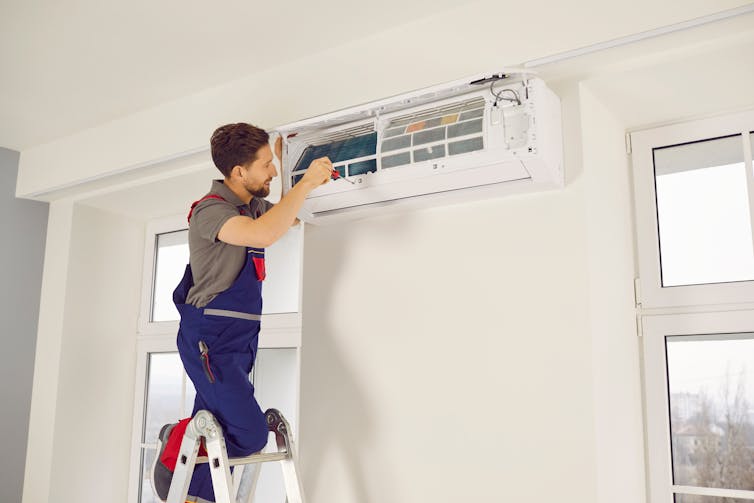
Cleaning your air conditioner often stops bacteria and mold growth. Change filters regularly and check for water leaks. These actions keep the air safe to breathe.
- Clean or replace filters every 1-3 months
- Remove dust and dirt from vents and coils
- Fix any leaks to avoid moisture buildup
- Schedule professional servicing yearly
Improving Ventilation
Good airflow reduces germs in the air. Open windows or doors to let fresh air in. Use fans to help air move well inside rooms.
| Ventilation Method | Benefit |
| Opening windows | Brings fresh air to replace stale air |
| Using exhaust fans | Removes humid or polluted air |
| Ceiling or portable fans | Keeps air moving to prevent buildup |
Using Air Purifiers
Air purifiers trap dust, bacteria, and mold spores. They improve indoor air quality and reduce infection chances. Choose purifiers with HEPA filters for best results.
- Check filter type and replacement cost
- Match purifier size with room size
- Look for quiet operation models
When To Seek Medical Help
Pneumonia can be serious. Knowing when to get help is key. This guide shows signs to watch for.
If you feel very sick or symptoms worsen, see a doctor quickly. Early care can prevent problems.
Recognizing Pneumonia Symptoms
Pneumonia symptoms can start mild and become severe. Watch for these signs:
- High fever and chills
- Persistent cough with mucus
- Chest pain when breathing or coughing
- Shortness of breath
- Feeling very tired or weak
- Confusion, especially in older adults
Risk Groups To Watch
Some people have higher risk for pneumonia. They should be extra careful and seek help early.
| Risk Group | Reason to Watch |
| Young children | Immature immune system |
| Older adults | Weaker immunity and other illnesses |
| People with chronic illness | Diseases like asthma or diabetes |
| Smokers | Damaged lung tissue |
| Weakened immune system | Due to illness or medication |
Treatment Options
Treatment depends on pneumonia type and severity. Early treatment helps recovery.
- See a doctor for diagnosis.
- Use prescribed antibiotics if bacterial.
- Rest and drink plenty of fluids.
- Use fever reducers and pain relievers as needed.
- Follow up with your healthcare provider.
Credit: theconversation.com
Frequently Asked Questions
Can Air Conditioners Cause Pneumonia?
Air conditioners themselves don’t cause pneumonia. However, dirty AC units can harbor bacteria and mold. Breathing contaminated air may increase infection risks.
How Does Ac Air Affect Lung Health?
Cold, dry AC air can irritate airways. Prolonged exposure may weaken respiratory defenses, making lungs vulnerable to infections like pneumonia.
Can Ac Filters Prevent Pneumonia Risks?
Yes, clean AC filters trap dust, bacteria, and mold. Regular filter maintenance helps maintain air quality and lowers pneumonia risk.
Is Pneumonia Linked To Poor Ac Maintenance?
Poorly maintained AC systems promote mold and bacteria growth. This can increase airborne pathogens, raising pneumonia infection chances.
Conclusion
Pneumonia from air conditioners is unlikely but not impossible. Ensure regular maintenance to keep units clean. Dirty filters can harbor harmful bacteria. Avoid cold blasts directly on your body. These steps can help you stay healthy. Always consult a doctor if you feel unwell.
Understanding how air quality affects health is important. Proper care of air conditioners protects your health. Simple actions can prevent potential risks. Stay informed and make safe choices. Your well-being matters.