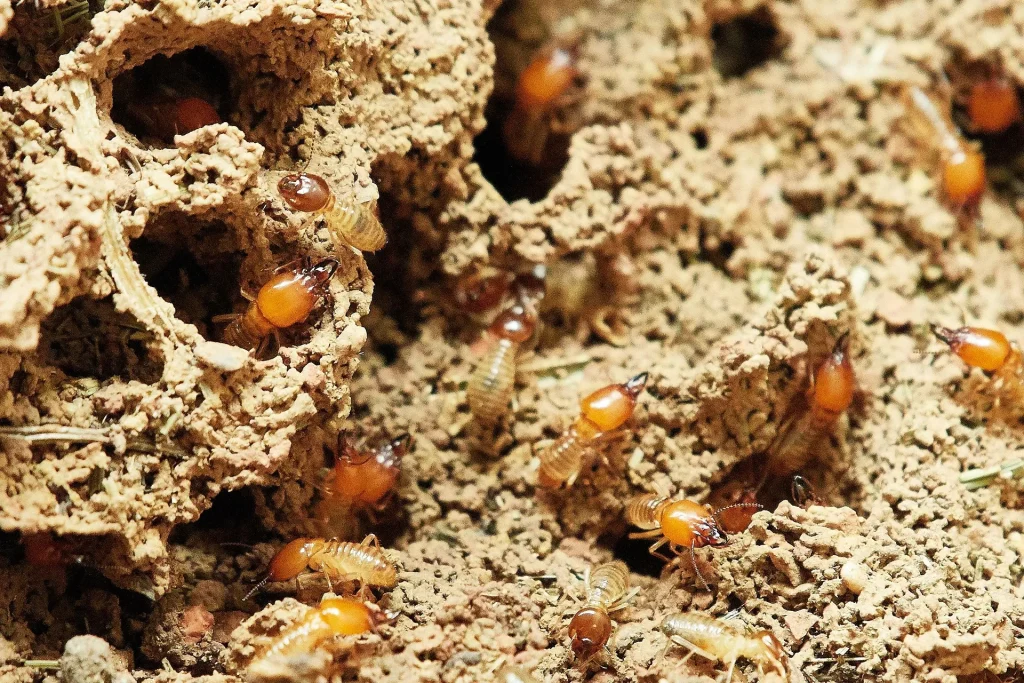
Are termites invading your home, and you’re wondering if you can get rid of them without the hassle of tenting? You’re not alone.
The thought of setting up tents, leaving your house for days, and dealing with strong chemicals can feel overwhelming. But what if there’s a way to protect your home without all that stress? You’ll discover effective termite treatments that don’t require tenting, saving you time, money, and peace of mind.
Keep reading to learn how you can tackle termites safely and efficiently—without turning your home upside down.
Credit: extension.msstate.edu
Signs Of Termite Infestation
Termites can cause serious damage to your home. Early detection helps stop the problem fast.
Look for signs that show termites may be living nearby. Knowing these signs can save money and stress.
Common Termite Damage
Termites eat wood from the inside out. This can weaken floors, walls, and furniture.
Look for hollow wood or wood that sounds hollow when tapped. Cracked paint or bubbling wood can also mean damage.
- Soft or crumbling wood
- Warped or buckling walls and floors
- Peeling or blistered paint
- Small holes in wood surfaces
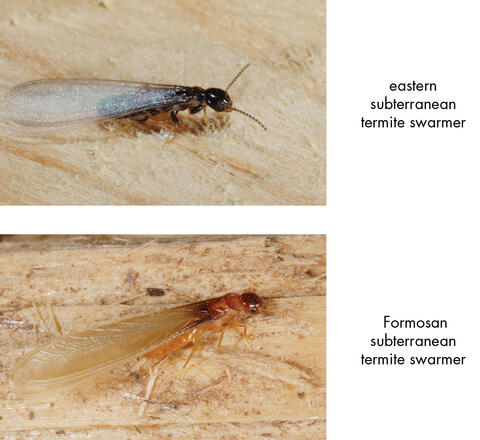
Identifying Termite Swarmers
Swarmers are winged termites that leave the colony to start new ones. They often appear in spring.
Look for small flying insects near windows or doors. They have straight antennae and equal-length wings.
- About ¼ inch long
- Dark brown or black bodies
- Two pairs of wings of the same size
- Found near light sources indoors
Spotting Mud Tubes
Termites build mud tubes to travel safely between their nest and food. These tubes protect them from air and predators.
Check foundation walls, beams, and crawl spaces for small, dirt-colored tubes. Breaking the tubes often reveals live termites inside.
- Thin, pencil-sized tubes
- Brown or tan color matching soil
- Found on walls, floors, or wood surfaces
- Usually near termite damage areas
Limitations Of Tenting
Tenting is a common way to get rid of termites in a home. It involves covering the house with a large tarp and using chemicals. This method can be effective, but it has some limits.
People often ask if they can avoid tenting and still solve termite problems. There are reasons why tenting might not always be the best choice.
Cost And Disruption
Tenting can be very expensive. The chemicals and labor costs add up quickly. Many people also need to stay somewhere else for several days while their home is tented.
Moving out disrupts daily life. It is hard to pack up all belongings and find a place to stay. This makes tenting a big inconvenience for families.
- High price for chemicals and labor
- Need to leave home for 2 to 4 days
- Must pack and store household items
- Daily routine and work can be interrupted
Health Risks
The chemicals used in tenting are strong and can be harmful. People, pets, and plants need to stay away until the house is safe again. Some chemicals may cause breathing or skin problems.
Even after tenting, small amounts of chemicals might remain. This can cause worry for people with allergies or health issues.
- Strong chemicals can irritate eyes and skin
- Must avoid home during and after treatment
- Possible risks for children, elderly, and pets
- Concerns about chemical residues in the house
Effectiveness Concerns
Tenting kills termites inside the house, but it may not stop new ones. Termites can enter again from outside. Tenting does not fix wood damage already done.
Some homes are hard to tent properly. Gaps in the tarp or large homes may reduce the chemical’s reach. This lowers the chances of full termite elimination.
- Does not prevent termites from returning
- Does not repair wood damage
- Hard to seal large or complex homes
- May miss termites in hidden areas
Non-tenting Treatment Options
Termites can cause serious damage to your home. Many people wonder if they can get rid of termites without tenting. The good news is, there are effective non-tenting treatments available.
These methods are less intrusive and can be done while you stay at home. Let’s explore some options you can consider.
Liquid Termiticides
Liquid termiticides are applied to the soil around your home. They create a barrier that termites cannot cross. This method can kill termites on contact and prevent future infestations.
Baiting Systems
Baiting systems use stations filled with termite food. Termites take the bait back to their colony, which helps to eliminate the entire colony over time.
- Install bait stations around the home.
- Check stations regularly for activity.
- Replace bait as needed to keep it effective.
Heat Treatments
Heat treatments involve raising the temperature of your home to a level that kills termites. This method is chemical-free and effective.
| Temperature | Effect |
| 120°F | Kills termites |
| 130°F | Ensures complete eradication |
Cold Treatments
Cold treatments use liquid nitrogen to freeze termites. This method is effective for localized infestations and is safe for the environment.

Credit: www.roattorneys.com
Natural Remedies For Termites
Termites can cause serious damage to wood in homes. Many people want to avoid using harsh chemicals or tenting. Natural remedies offer safer ways to control termites.
These treatments use natural ingredients or living organisms to fight termites. They can be effective for small infestations or as part of a prevention plan.
Orange Oil
Orange oil comes from orange peels. It contains a chemical called d-limonene that kills termites on contact.
You apply orange oil directly to the wood or termite tunnels. It works best for small areas and drywood termites.
- Safe for humans and pets
- Effective in small, localized areas
- Needs repeated application for best results
Nematodes
Nematodes are tiny worms that eat termites and other pests. They are natural predators of termites.
You release nematodes into the soil around your home. They find termites and kill them inside the tunnels.
- Non-toxic and environmentally friendly
- Works well for underground termite colonies
- Needs moist soil to survive and work
Boric Acid
Boric acid is a natural mineral powder that kills termites. It affects their stomach and nervous system.
You can apply boric acid dust or spray on wood and termite areas. It prevents termites from eating and spreading.
- Long-lasting effect on wood surfaces
- Safe if used carefully and kept away from children
- Works best for drywood termites
Preventive Measures
Termites can damage your home if you do not take steps to stop them. You can avoid tenting by using some simple ways to keep termites away.
These preventive measures help protect your wood and keep termites from settling in your house.
Moisture Control
Termites like damp places. Fix leaks and remove standing water around your home. Keep gutters clean to stop water from building up near the foundation.
Use good ventilation in crawl spaces and basements to reduce humidity. Dry wood is less attractive to termites.
- Repair leaking pipes and faucets
- Clear debris blocking drainage
- Use dehumidifiers in damp areas
- Ensure proper roof drainage
Wood Treatment
Use treated wood for building or repairs. Termite-resistant wood chemicals help stop termite damage. Seal cracks and holes in wood to keep termites out.
Apply wood preservatives or termite repellents to exposed wood. This makes it harder for termites to eat or enter the wood.
- Choose pressure-treated wood
- Use borate wood treatments
- Seal gaps and joints tightly
- Apply wood sealants regularly
Regular Inspections
Check your home often for signs of termites. Look for mud tubes, damaged wood, or small holes. Early detection helps stop big damage.
Inspect both inside and outside your home. Hire a professional inspector once a year for a detailed check.
- Look under sinks and near pipes
- Check wooden doors and window frames
- Inspect the foundation and basement
- Schedule annual termite inspections
When To Call A Professional
Termites can cause serious damage to your home. Sometimes you can try to remove them yourself. Other times, you need a professional’s help.
Knowing when to call an expert can save you time and money. Professionals have tools and knowledge to handle tough termite problems.
Severe Infestations
If you see many termites or damaged wood, the infestation is severe. DIY methods may not work well in this case.
Professionals can use strong treatments and control methods to stop the infestation fast. They also protect your home from future attacks.
- Large number of visible termites
- Extensive wood damage
- Multiple termite colonies inside the home
Hidden Colonies
Sometimes termites hide inside walls or underground. You may not see signs until damage appears.
Professionals use special tools to detect hidden colonies. Early detection helps stop damage before it gets worse.
- Unseen termite activity inside walls
- Termites in hard-to-reach places
- Use of moisture meters and infrared cameras
Long-term Monitoring
After treatment, termites can return. Long-term monitoring helps keep your home safe.
Professionals set up monitoring stations. They check regularly and treat any new termite activity early.
- Regular inspections by experts
- Use of bait stations and traps
- Early treatment to prevent new infestations

Credit: www.angi.com
Frequently Asked Questions
Can Termites Be Eliminated Without Tenting The House?
Yes, termites can be removed without tenting using localized treatments like baiting, liquid termiticides, or heat treatments. These methods target infestations directly, avoiding tenting’s disruption and chemical exposure risks. Effectiveness depends on infestation size and termite species.
What Are Non-tenting Termite Treatment Options?
Non-tenting treatments include termite baits, liquid termiticides, foam applications, and heat or microwave treatments. These methods minimize chemical exposure and property disruption while effectively controlling termites. Consult a pest professional to choose the best option for your situation.
Is Diy Termite Removal Effective Without Tenting?
DIY termite treatments without tenting can help minor infestations but may not fully eliminate colonies. Professional treatments offer better results due to specialized tools and knowledge. For severe infestations, professional intervention is recommended to ensure complete termite eradication.
How Long Do Non-tenting Termite Treatments Last?
Non-tenting termite treatments typically provide protection for 1 to 5 years. Longevity depends on the treatment type, environmental conditions, and ongoing monitoring. Regular inspections and maintenance are essential to prevent reinfestation.
Conclusion
Termites cause serious damage if left unchecked. You can try treatments without tenting. Some methods work well for small infestations. Regular inspections help catch problems early. Professional advice ensures you choose the right approach. Quick action saves your home and money.
Don’t wait until damage gets worse. Protect your property by staying informed. Termite control is possible without tenting, but stay careful.