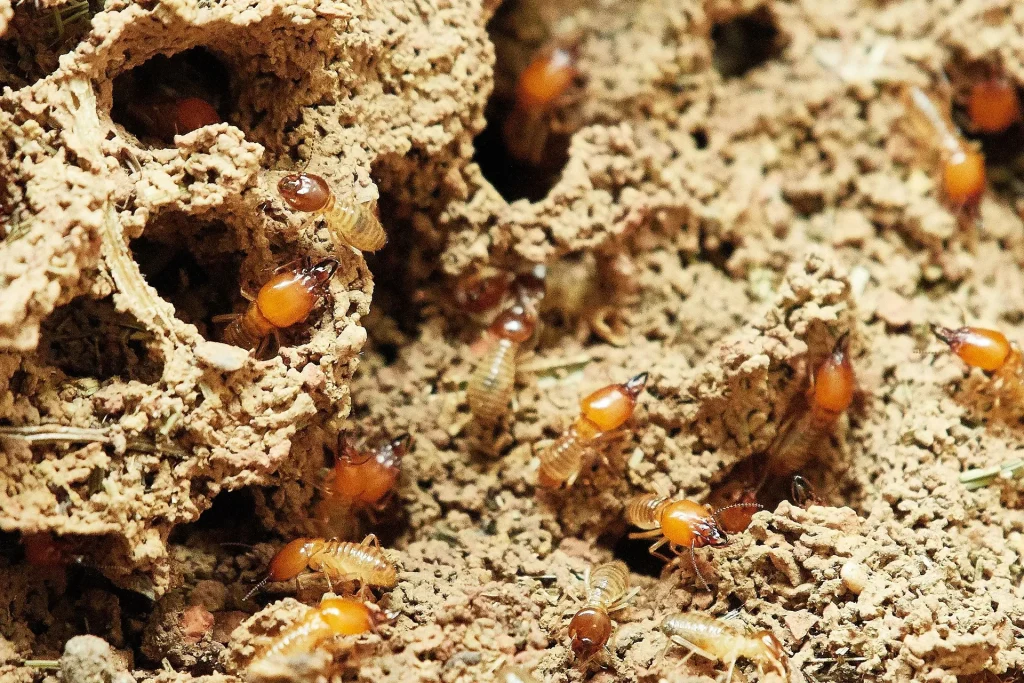
Are termites invading your home? The thought of tenting your house can feel overwhelming and costly.
But what if you could get rid of these pests without all that hassle? You’re not alone in wanting a simpler, safer solution. You’ll discover effective ways to tackle termites without tenting your entire home. Keep reading to find out how you can protect your space and peace of mind without breaking the bank or disrupting your life.

Credit: www.angi.com
Signs Of Termite Infestation
Termites can damage your home without you noticing. Spotting signs early can save your property.
Look for clues around your house to find out if termites are present. Knowing what to check is important.
Identifying Termite Damage
Termite damage looks different from other wood problems. It often appears hollow or damaged inside.
Wood may sound hollow if you tap it. You might also see cracked or bubbled paint on walls or wood.
- Wood that breaks easily or crumbles
- Blistered or peeling paint on wood surfaces
- Thin tunnels inside wood or walls
- Small piles of dirt or dust near wood
Common Areas To Inspect
Termites like warm, dark, and damp places. Check these spots carefully to catch them early.
- Wooden beams and floor joists in basements
- Doors, window frames, and wooden furniture
- Areas near plumbing or leaking pipes
- Spaces where wood touches soil or mulch
Look inside walls, under floors, and around foundations. These areas often hide termite activity.
Early Warning Signals
Early signs of termites can be small but telling. Spot them before the damage grows worse.
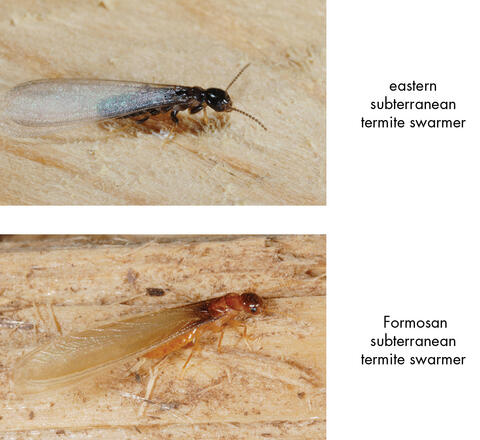
- Swarmers: winged termites flying near windows or lights
- Discarded wings on window sills or floors
- Mud tubes or tunnels on walls or foundations
- Soft or sagging wood in hidden places
Listening for hollow sounds and checking for mud tubes helps find termites fast. Acting early reduces harm.
Limitations Of Tenting
Tenting is a common way to get rid of termites. It involves covering a house with a large tent and using chemicals. While it can be effective, tenting has some limits.
These limits mean some people look for other ways to handle termites. Here are key problems with tenting.
Cost And Disruption
Tenting can cost a lot of money. The price depends on the size of the home and the damage level. It may not fit every budget.
The process also disrupts daily life. People must leave their homes for several days. Pets and plants need special care or removal.
- High cost for large homes
- Need to vacate house for 2-4 days
- Pets and plants must be moved
- Extra cleaning after tenting
Effectiveness Concerns
Tenting kills termites inside the house. It may not reach termites outside or deep in wood. This can cause re-infestation later.
Some termites live in areas tenting can’t cover. Chemicals may not fully penetrate all wood or soil.
- Does not treat termites outside home
- May miss termites deep in wood
- Risk of termites returning
Health And Safety Issues
Tenting uses strong chemicals that can be dangerous. People cannot stay inside during treatment. Chemicals can irritate eyes and skin.
Proper safety measures are needed to protect family and pets. Some people may have allergic reactions.
- Requires leaving home during treatment
- Potential chemical exposure risks
- Possible allergic reactions
- Needs professional handling
Non-tenting Treatment Options
Termites can cause serious damage to wooden structures. Tenting is a common way to treat them. Yet, some homeowners want options without tenting. There are several non-tenting treatments to consider.
These methods focus on killing termites without covering your whole house. They include chemical and physical approaches. Each has its benefits and limits.
Liquid Termiticides
Liquid termiticides are chemicals applied to soil or wood. They create a barrier that kills termites on contact or stops them from entering the home. This method is popular for preventing infestations.
Professionals spray or inject these liquids around foundations and other key areas. The treatment lasts for several years but needs proper application for best results.
Baiting Systems
Baiting systems use small stations placed near the home. Termites find the bait, eat it, and carry poison back to their colony. This method targets the whole colony over time.
- Stations are easy to install and monitor
- Safe for people and pets
- Requires regular checks and refills
- Works slowly but effectively
Heat Treatments
Heat treatments raise the temperature inside a structure to kill termites. The home is heated to about 120 degrees Fahrenheit for several hours. This method does not use chemicals.
| Heat Treatment Feature | Details |
|---|---|
| Temperature | Approximately 120°F (49°C) |
| Duration | 3 to 6 hours |
| Effectiveness | Kills termites in wood and hidden areas |
| Chemical Use | None |
Electrocution Methods
Electrocution uses electric currents to kill termites inside wood. A device sends electricity through the wood, killing termites without chemicals. This method is useful for small or localized infestations.
This method requires special equipment and trained technicians. It does not treat the entire home but can save specific areas from damage.
Natural And Diy Remedies
Termites can damage your home quickly. Many people want to stop termites without using tents. Natural and DIY remedies offer safe ways to fight termites.
These methods use natural ingredients or simple tools. They can reduce termite problems without harsh chemicals or big setups.
Beneficial Nematodes
Beneficial nematodes are tiny worms that eat termites. They live in the soil and find termites underground. These nematodes kill termites by entering their bodies.
Using nematodes is safe for people and pets. You can buy them and apply them to your yard or garden. Keep the soil moist to help nematodes survive.
- Apply nematodes to damp soil near termite areas
- Water the area well after application
- Use during warm months for best results
Boric Acid Applications
Boric acid is a powder that kills termites by damaging their stomachs. It is a safe and common home remedy. You can mix boric acid with water and spray it on wood and soil.
Spraying boric acid can stop termites from eating wood. It works best on dry wood and in cracks where termites enter. Repeat the spray every few months for control.
- Mix boric acid powder with water
- Spray on wood surfaces and soil
- Use gloves to protect your skin
Orange Oil Treatments
Orange oil comes from orange peels and has a chemical that kills termites. It works by breaking down their bodies. You can apply orange oil directly to termite nests or wood.
Orange oil is strong and acts fast. It is best for small termite problems and dry wood areas. Use a dropper or spray bottle to put oil where termites are active.
- Apply orange oil to termite holes and tunnels
- Use a brush or dropper for deep wood cracks
- Repeat treatment after a few days
Diatomaceous Earth
Diatomaceous earth is a natural powder made from fossil shells. It kills termites by drying out their bodies. Sprinkle it around your home’s foundation and wood areas.
This powder is safe for people and pets but deadly for insects. It works best in dry places. Reapply after rain or heavy watering to keep it effective.
- Spread diatomaceous earth near termite entry points
- Keep the area dry for better results
- Wear a mask to avoid breathing the dust
Preventing Future Infestations
Termites cause serious damage to homes and buildings. Preventing infestations helps save money and stress.
Simple steps can reduce the chance of termites returning after treatment. Focus on controlling moisture, maintaining wood, inspecting regularly, and managing landscaping.
Moisture Control
Termites are attracted to damp areas. Fix leaks and keep your home dry to stop them.
Make sure gutters and downspouts direct water away from the house. Use dehumidifiers in damp spaces like basements.
- Repair leaking pipes and faucets
- Clear clogged gutters regularly
- Keep soil away from foundation walls
- Ventilate crawl spaces and attics
Wood Maintenance
Termites eat wood, so keep wood dry and in good shape. Replace damaged wood fast to avoid inviting termites.
Use treated wood in areas that touch soil. Paint or seal exposed wood to protect it from moisture and pests.
- Check wooden structures for cracks or holes
- Seal gaps between wood and concrete
- Store firewood away from your home
- Remove old tree stumps near your house
Regular Inspections
Check your home often for signs of termites. Early detection helps stop damage before it spreads.
Look for mud tubes, hollow wood, or discarded wings. Hire a professional inspector yearly if possible.
- Inspect basements, crawl spaces, and attics
- Check wooden doors and window frames
- Look under sinks and near water heaters
- Watch for small piles of wood dust
Landscaping Tips
Keep plants and mulch away from your home’s foundation. This reduces termite access points.
Trim tree branches that touch your house. Avoid stacking wood or debris near the building.
- Maintain a gap between soil and siding
- Use gravel instead of mulch near the foundation
- Keep shrubs trimmed and away from walls
- Remove dead plants and wood debris
Credit: extension.msstate.edu
When To Call A Professional
Termites can cause serious damage to your home. Many people wonder if they can get rid of termites without tenting. Sometimes, the problem is too big to handle alone. Knowing when to call a professional is important.
Experts have the tools and experience to remove termites safely. They also prevent the problem from coming back. It is best to act quickly to protect your home.
Assessing Infestation Severity
Check how bad the termite damage is before deciding what to do. Small infestations may be treated without tenting. Large or hidden infestations need professional help.
Look for signs like mud tubes, damaged wood, and termite droppings. If you see many signs in different areas, the infestation is severe.
- Small area damage may be manageable alone
- Widespread damage needs professional treatment
- Hidden infestations require expert tools
Choosing The Right Expert
Not all pest control experts handle termite problems the same way. Pick a company that specializes in termite control. They should explain all treatment options clearly.
Ask if they offer non-tenting treatments if you prefer that method. Check their license and reviews to ensure quality work.
- Look for termite control specialists
- Check if they use safe, effective methods
- Read reviews and verify licenses
Cost Vs. Benefits
Termite treatments vary in price. Tent fumigation can be expensive but effective for severe cases. Non-tenting methods may cost less but might need repeat visits.
Think about the long-term benefits. Paying more now can save money on repairs later. A professional can help you choose the best option for your budget.
- Fumigation may cost more but covers all termites
- Non-tenting treatments can be cheaper but slower
- Early treatment saves money on home repairs
Credit: www.angi.com
Frequently Asked Questions
Can Termites Be Eliminated Without Tenting A House?
Yes, termites can be eliminated without tenting using liquid treatments, bait systems, or heat treatments. These methods target termites effectively while avoiding the inconvenience and expense of tenting. However, the best method depends on infestation severity and home structure.
What Are Common Non-tenting Termite Treatments?
Common non-tenting treatments include liquid soil treatments, termite bait stations, and localized foam injections. Heat treatments can also eradicate termites without chemicals. These options offer flexibility and are less disruptive compared to fumigation.
How Effective Are Non-tenting Termite Control Methods?
Non-tenting methods can be very effective if applied correctly by professionals. They target termite colonies and prevent future infestations. Effectiveness depends on infestation size and treatment thoroughness.
Can Termite Damage Be Stopped Without Fumigation?
Yes, termite damage can be controlled without fumigation by using targeted treatments like liquid barriers and baiting systems. Early detection and prompt treatment are crucial to minimize damage.
Conclusion
Termite problems can be managed without tenting. Various effective methods exist. Baits and barriers work well for many homeowners. Natural treatments, like orange oil, offer safe alternatives. Regular inspections help catch issues early. Hiring professionals ensures thorough and safe solutions.
Always consider the extent of the infestation first. This guides the best treatment choice. Remember, patience is key in pest control. Consistent efforts lead to success. Protect your home from future invasions. Stay informed and proactive. Termites don’t stand a chance.
With the right approach, peace of mind is achievable.