Have you ever wondered if your air conditioner could be making you sick? You rely on it to keep cool, but what if it’s quietly affecting your health?
Understanding how your air conditioner might impact your body is key to staying comfortable and well. You’ll discover the surprising ways your AC could cause illness—and simple steps you can take to protect yourself. Keep reading to find out how to enjoy cool air without risking your health.
How Air Conditioners Affect Health
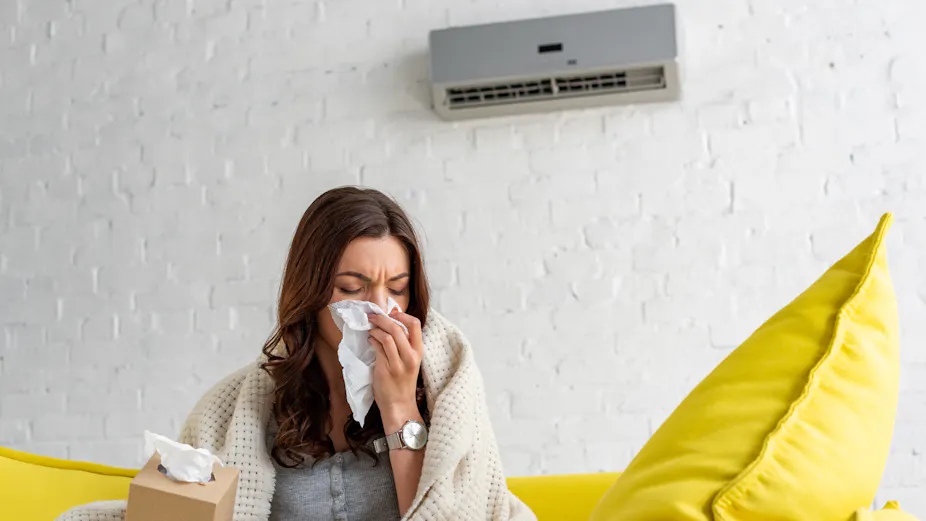
Air conditionerscan affect health in several ways. Poorly maintained units may spread bacteriaand mold. This can cause allergic reactionsor respiratory issues. Cold air from AC might cause dry skinand irritated eyes. Sudden temperature changes can lead to muscle stiffnessor headaches.
Common symptoms linked to AC use include:
- Runny noseor nasal congestion
- Coughingor throat irritation
- Sneezingand itchy eyes
- Fatigueand headaches
- Dry skinand cracked lips
Indoor air quality can worsen due to dust, mold spores, and pollutantstrapped in AC filters. Regular cleaning helps reduce these risks. Poor ventilation can cause air to feel stale and increase allergen levels. Using air purifiers or opening windows can improve air quality.

Credit: www.1news.co.nz
Air Conditioner And Respiratory Issues
Air conditionerscan sometimes worsen allergies and asthma. Dust, mold, and pollen can build up inside filters. This can cause allergic reactionsor trigger asthma attacks. Regular cleaning helps reduce this risk.
Air conditioners can also lower the moisture in the air. Dry air may irritate the nose and throat. This can make breathing harder for some people.
| Risk Factor | Effect |
|---|---|
| Dirty filters | Spread allergens and mold spores |
| Cold, dry air | Irritates airways, causing discomfort |
| Poor ventilation | Can increase risk of respiratory infections |
Air conditioners can also help prevent heat-related illness. But poor maintenance may cause respiratory infections. Germs can grow in unclean systems and spread in the air. Keeping units clean and dry is key to staying healthy.
Temperature And Humidity Effects
The cold airfrom an air conditioner can cause the body to lose heat quickly. This sudden chill may lead to a stiff neckor muscle aches. Breathing in cold air for long periods can dry out the nose and throat, making it easier to catch a cold.
Humidityplays a big role in how comfortable and healthy the air feels. Air conditioners lower humidity, which helps cool the room but can also dry out the skin and airways.
| Humidity Level | Effect |
|---|---|
| Too Low (<30%) | Dry skin, irritated eyes, sore throat |
| Ideal (30%-50%) | Comfortable air, less risk of illness |
| Too High (>60%) | Mold growth, dust mites, allergies |
Mold grows easily in damp places inside air conditioners. This can cause allergic reactionsand breathing problems. Regular cleaning helps stop mold and keeps air safe to breathe.

Credit: theconversation.com
Maintenance And Hygiene Importance
Air conditioner filters and vents collect dust and dirt over time. Cleaning them regularly keeps the air fresh and healthy. Dirty filters can block airflow and make the AC work harder. This wastes energy and lowers comfort.
Filters trap small particles like dust, pollen, and pet hair. Without cleaning, these particles stay in the air you breathe. This can cause allergies or breathing problems.
Vents can also gather moisture, leading to bacteria and mold growth. These germs spread through the air and may cause sickness. Cleaning vents stops this build-up and keeps the air safe.
- Clean or change AC filters every 1-3 months
- Vacuum vents to remove dust and dirt
- Use mild soap and water to wash filters
- Check for mold and bacteria regularly
- Keep the AC dry to prevent fungal growth
Tips To Stay Healthy With Air Conditioning
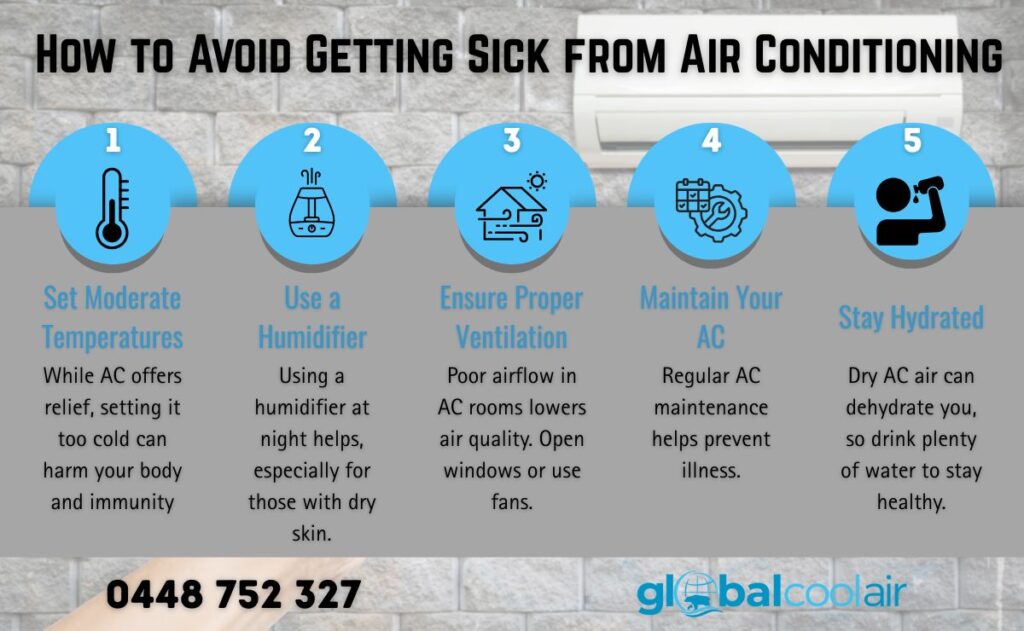
Set the air conditioner temperature between 72°F and 78°F. This helps avoid getting too cold or too hot. Avoid setting it too low, which can cause chills and dryness. Use the timer feature to turn off the AC when not needed. This saves energy and keeps air fresh.
Keep doors and windows closed to maintain cool air inside. Clean or replace filters every month to stop dust and germs from spreading. Use a fan to help circulate air wellin the room. This stops air from becoming stale and reduces the risk of sickness.
| Tip | Why It Helps |
|---|---|
| Set temperature 72°F – 78°F | Prevents cold-related sickness and dryness |
| Use timer to turn off AC | Keeps air fresh and saves energy |
| Close doors and windows | Maintains cool air and avoids drafts |
| Clean or change filters monthly | Stops dust and germs from spreading |
| Use a fan for air circulation | Prevents stale air and reduces sickness |
Credit: theconversation.com
Frequently Asked Questions
Can Air Conditioners Cause Sickness?
Yes, air conditioners can contribute to illness. They can spread bacteria, mold, and viruses if not maintained properly. Regular cleaning and servicing are essential to prevent the spread of harmful particles. Poorly maintained units can lead to respiratory issues, allergies, and other health problems.
Why Does Ac Make You Feel Unwell?
AC can make you feel unwell due to dry air and mold. The dry air can irritate your respiratory system and skin. Mold and bacteria can thrive in filters and ducts. Regular maintenance and using a humidifier can help mitigate these effects.
Can Sleeping With Ac On Cause A Cold?
Sleeping with the AC on doesn’t cause colds directly. However, it can dry out nasal passages, making you more susceptible to viruses. Ensure your AC is well-maintained and consider using a humidifier. It helps maintain moisture levels and reduce the risk of respiratory discomfort.
How Can Ac Trigger Allergies?
Air conditioners can circulate dust, pollen, and mold, triggering allergies. Dirty filters and ducts can harbor allergens. Regular cleaning and using high-quality filters can reduce allergen circulation. Ensure your AC is well-maintained to prevent allergy flare-ups.
Conclusion
Air conditioners can cause sickness if not cleaned often. Dust, mold, and germs grow inside filters. Breathing these can lead to cough, cold, or allergies. Keep your AC well-maintained for fresh air. Change filters regularly and clean vents. Proper use helps you stay healthy and cool.
Stay aware of symptoms linked to AC use. Simple care keeps your home safe and comfy. Don’t ignore strange smells or noises from the AC. Healthy air improves your daily comfort and wellbeing.