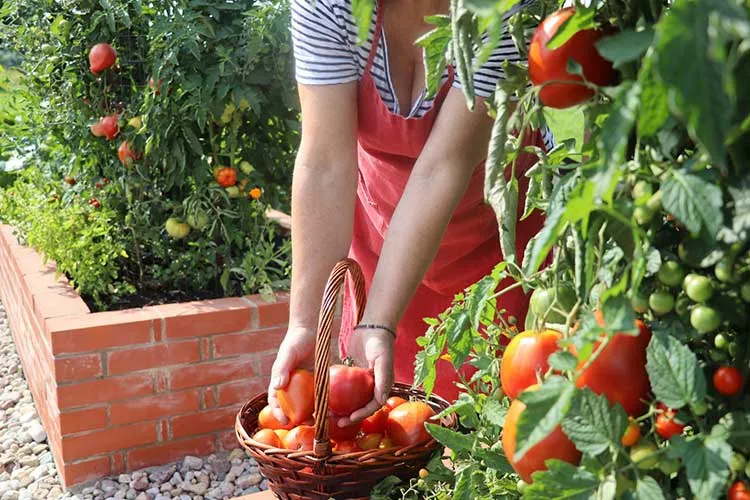
Are you thinking about growing tomatoes but worried about space or soil quality? A raised garden bed might be the perfect solution for you.
It gives your tomatoes the right environment to thrive, even if your garden soil is poor or limited. Imagine picking fresh, juicy tomatoes right from your own backyard, bursting with flavor and nutrition. You’ll discover exactly how to grow healthy, delicious tomatoes in a raised garden bed—and why this method could make all the difference for your gardening success.
Keep reading to unlock the secrets to a bountiful tomato harvest!
Benefits Of Raised Garden Beds
Raised garden beds offer many benefits for growing tomatoes. They create a better environment for plants to grow strong and healthy.
Gardeners find raised beds easier to manage and maintain. The soil and drainage improvements help plants thrive.
Improved Soil Quality
Raised garden beds allow you to control the soil mix. You can add rich compost and nutrients that tomatoes need.
The soil stays loose and well-aerated. This helps roots grow deep and absorb water and nutrients better.
Better Drainage
Raised beds prevent water from pooling around tomato roots. Good drainage stops root rot and other problems.
- Water drains faster in raised beds
- Soil dries quicker after rain
- Less chance of soil becoming compacted
- Roots get enough oxygen for healthy growth
Enhanced Pest Control
Raised beds create a barrier against some pests. They are easier to cover with netting or row covers.
| Pest Type | Raised Bed Benefit |
| Slugs and snails | Harder to reach plants |
| Weeds | Less soil exposed, fewer weeds grow |
| Small rodents | Easier to protect with barriers |
Ease Of Access And Maintenance
Raised beds sit higher than ground level. This makes planting, weeding, and harvesting easier on your back.
Benefits of raised bed design for gardeners:
- Less bending and kneeling
- Clear pathways around beds
- Organized space for tools and watering
- Better control over plant spacing
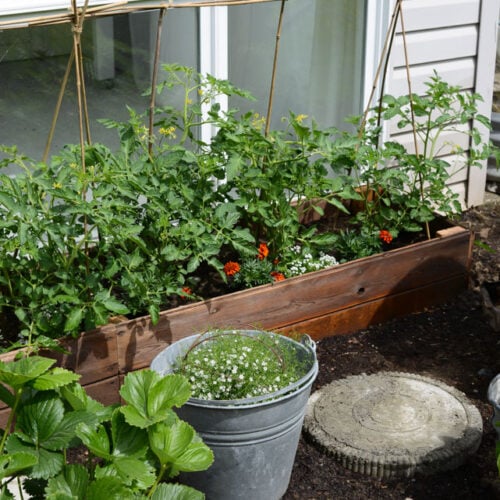
Credit: www.funkyjunkinteriors.net
Selecting The Right Tomato Varieties
Growing tomatoes in a raised garden bed can be very rewarding. Picking the right tomato variety helps you get the best results. Different types of tomatoes suit different garden spaces and care routines.
Understanding the types and traits of tomato plants will help you choose the best ones for your raised bed. This guide covers key points to consider before planting.
Determinate Vs Indeterminate Tomatoes
Tomato plants come in two main types: determinate and indeterminate. Determinate tomatoes grow to a fixed size and stop. They produce fruit all at once. Indeterminate tomatoes keep growing and producing fruit all season long.
- Determinate:Compact plants, good for small spaces.
- Indeterminate:Tall plants needing support like stakes or cages.
- Determinate:Easier to manage in raised beds.
- Indeterminate:Offers longer harvest but needs more space.
Choosing Disease-resistant Types
Raised beds reduce some soil diseases but choosing disease-resistant tomatoes helps a lot. These types survive better and give higher yields. Look for varieties with resistance to common tomato problems.
| Disease | Common Resistant Varieties |
| Fusarium Wilt | Celebrity, Better Boy, Early Girl |
| Verticillium Wilt | Roma, Big Beef, Jet Star |
| Tomato Mosaic Virus | Mountain Magic, Iron Lady |
| Late Blight | Defiant, Iron Lady, Plum Regal |
Varieties Suited For Raised Beds
Raised beds have limited space and soil volume. Choose tomato varieties that grow well in these conditions. Compact and bushy types work best. You can grow some cherry and patio tomatoes too.
- ‘Patio Princess’ – small, bushy, ideal for small beds.
- ‘Tiny Tim’ – cherry tomato, grows well in containers or raised beds.
- ‘Bush Early Girl’ – early fruiting, compact growth.
- ‘Celebrity’ – determinate, good yield and disease resistance.
Preparing Soil For Tomatoes
Growing tomatoes in a raised garden bed can be rewarding. The key is preparing the soil properly.
Healthy soil means healthy tomatoes. Let’s explore what makes soil ideal for tomato growth.
Soil Composition And Amendments
Tomatoes love rich, well-drained soil. Add organic matter to improve soil quality.
- Loam soil is best for tomatoes.
- Mix in compost to boost nutrients.
- Ensure proper drainage to prevent root rot.
Ph Levels And Nutrient Balance
Tomatoes thrive in slightly acidic soil. Aim for a pH between 6.0 and 6.8.
Composting And Mulching Tips
Composting enriches soil with nutrients. Mulching keeps soil moist and warm.
| Material | Purpose |
| Compost | Boosts nutrients |
| Straw mulch | Retains moisture |
| Wood chips | Prevents weeds |
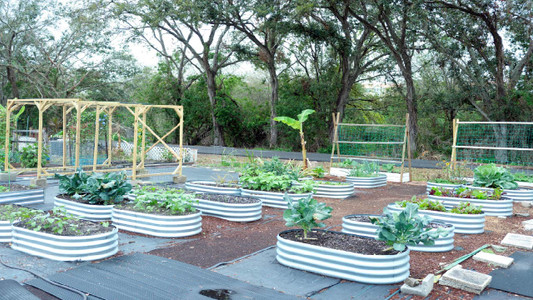
Credit: www.dripworks.com
Planting Tomatoes In Raised Beds
Growing tomatoes in raised garden beds is a great way to get fresh fruit. Raised beds provide good drainage and warm soil, which tomatoes love.
They also make it easier to control soil quality and keep pests away. Let’s look at how to plant tomatoes successfully in raised beds.
Spacing And Depth Guidelines
Tomatoes need enough space to grow well. Crowding plants can reduce air flow and increase disease risk.
Plant tomatoes deep in the soil. They grow roots along their stems, so deep planting helps strong root growth.
- Space plants 18 to 24 inches apart
- Leave 36 inches between rows if you have multiple rows
- Plant seedlings up to the first set of true leaves
- Use rich, loose soil for better root growth
Timing And Seasonal Considerations
Tomatoes grow best in warm weather. Plant them after the last frost date in your area.
Give your plants enough time to produce fruit before the first fall frost. This usually means planting in spring or early summer.
- Start planting after soil warms to 60°F (16°C)
- Tomatoes take 60 to 85 days to mature
- Protect plants from late frost with covers if needed
Starting From Seeds Vs Seedlings
You can start tomatoes from seeds or buy young plants called seedlings. Each method has benefits.
Seeds take longer but offer more variety. Seedlings grow faster and are easier for beginners.
- Seeds: Start indoors 6-8 weeks before last frost
- Seedlings: Buy healthy plants after frost risk ends
- Transplant seedlings carefully to avoid root damage
- Harden off seedlings by exposing them to outdoor conditions for a week
Caring For Tomatoes
Growing tomatoes in a raised garden bed is a great choice. You can control the soil and water easily.
Proper care helps your tomato plants stay healthy. It also improves fruit quality and yield.
Watering Techniques
Tomatoes need consistent watering to grow well. Water deeply to reach the roots in the raised bed.
Water your plants early in the morning to reduce evaporation. Avoid wetting the leaves to stop diseases.
- Use a drip irrigation system or soaker hose
- Water 1-2 inches per week depending on weather
- Check soil moisture regularly by touching the soil
Fertilizing Schedule
Tomatoes need nutrients to grow strong and produce fruit. Use a balanced fertilizer with nitrogen, phosphorus, and potassium.
Feed your plants regularly but do not over-fertilize. Follow a schedule that fits your tomato variety and soil type.
- Apply fertilizer at planting time
- Feed plants every 4-6 weeks during growing season
- Use compost or organic fertilizers for best results
Pruning And Staking Methods
Pruning helps tomato plants focus energy on fruit production. Remove suckers and lower leaves that block air flow.
Staking supports plants and keeps fruit off the soil. Use stakes, cages, or trellises depending on plant size.
- Pinch off side shoots regularly
- Use strong stakes or cages to support plants
- Tie plants gently to supports with soft ties
Managing Common Problems
Growing tomatoes in a raised garden bed is fun and rewarding. But you may face some common problems. Knowing how to manage these problems helps your plants stay healthy.
This guide covers how to identify pests, handle diseases, and prevent blossom end rot. Use these tips to keep your tomato plants strong.
Pest Identification And Control
Tomato plants attract pests like aphids, tomato hornworms, and whiteflies. These bugs can damage leaves and fruit. Watch your plants daily for signs of pests.
Remove pests by hand or use natural controls like neem oil. Introducing beneficial insects such as ladybugs also helps control pests.
- Aphids: small, green or black bugs on new growth
- Tomato hornworms: large green caterpillars that eat leaves
- Whiteflies: tiny white insects flying around plants
- Use neem oil spray or insecticidal soap to reduce pests
- Encourage ladybugs and lacewings for natural pest control
Dealing With Diseases
Tomato plants can get diseases like blight, leaf spot, and wilt. These make leaves yellow or spots appear. They can reduce tomato yield.
Keep plants healthy by watering at the base and avoiding wet leaves. Remove infected leaves and use disease-resistant tomato varieties.
- Blight: dark spots on leaves and stems
- Leaf spot: small dark spots on leaves
- Wilt: plant droops and dies quickly
- Water at soil level to keep leaves dry
- Remove and discard diseased leaves
- Choose tomato types that resist common diseases
Preventing Blossom End Rot
Blossom end rot causes dark, sunken spots on the bottom of tomatoes. It happens when plants lack calcium or water.
To prevent it, keep soil moist and add calcium if needed. Mulch helps keep soil moisture steady. Avoid over-fertilizing with nitrogen.
- Water plants evenly to avoid dry and wet cycles
- Add crushed eggshells or lime to supply calcium
- Use mulch to keep soil moisture stable
- Don’t use too much nitrogen fertilizer
Harvesting And Storing Tomatoes
Growing tomatoes in a raised garden bed is rewarding. Knowing when and how to harvest helps you enjoy fresh tomatoes.
Proper storage keeps your tomatoes tasty and fresh longer. Let’s explore how to tell when tomatoes are ready and how to store them well.
Signs Of Ripeness
Tomatoes change color as they ripen. Look for a deep, even color that matches the variety.
The tomato feels slightly soft but not mushy. A ripe tomato smells sweet near the stem.
- Color changes from green to red, yellow, or orange
- Fruit feels firm but yields to gentle pressure
- Sweet, fresh smell near the stem area
Best Harvesting Practices
Pick tomatoes early in the day for best flavor. Use clean hands or scissors to avoid damaging the plant.
Hold the fruit gently and twist or cut the stem above the tomato. Avoid pulling hard to keep branches healthy.
- Harvest in the morning when cool
- Use scissors or pruning shears if needed
- Leave a small stem attached to the tomato
- Check plants regularly for ripe fruit
Storage And Preservation Tips
Store ripe tomatoes at room temperature away from sunlight. Do not refrigerate fresh tomatoes unless very ripe or cut.
To keep tomatoes longer, place them stem side down on a flat surface. For longer storage, consider drying or freezing.
- Keep tomatoes at 55-70°F (13-21°C)
- Store away from direct light and heat
- Refrigerate only when fully ripe or sliced
- Use freezing or drying for long-term storage
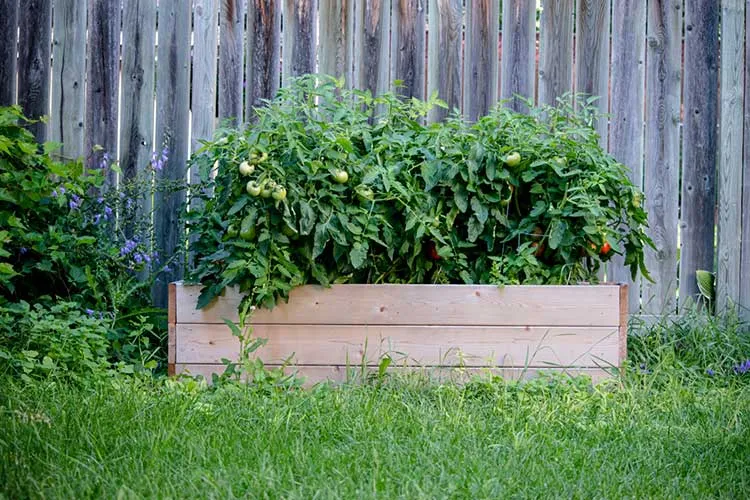
Credit: www.farmfreshchoice.com
Maximizing Yield In Raised Beds
Growing tomatoes in raised garden beds can give you more control over soil and space. You can improve the yield by using smart planting techniques.
Maximizing tomato growth means using your raised bed efficiently. This includes planning companion plants, planting in cycles, and extending the growing season.
Companion Planting Strategies
Planting certain plants near tomatoes helps them grow better. Some companions keep pests away or add nutrients to the soil.
Good companion plants improve tomato health and increase fruit production in raised beds.
- Basil repels pests and improves tomato flavor
- Marigolds deter harmful insects
- Carrots loosen soil and save space
- Onions keep away aphids and other bugs
- Beans fix nitrogen, enriching the soil
Succession Planting
Succession planting means growing crops one after another. It helps you use the space all season long for more tomatoes.
After harvesting early tomatoes, plant new seeds or seedlings to keep the bed full and productive.
- Start tomato seedlings indoors early
- Plant early tomatoes in spring
- After first harvest, plant a second round
- Use fast-growing crops between tomato cycles
- Keep soil healthy with cover crops in fall
Season Extension Techniques
Raised beds warm faster than ground soil. You can grow tomatoes longer with simple season extension tools.
Using covers and protection helps tomatoes grow even when weather turns cold.
- Use row covers to protect from frost
- Build cold frames to trap heat
- Place black mulch to warm soil
- Grow tomatoes near south-facing walls
- Start seedlings earlier indoors
Frequently Asked Questions
Can Tomatoes Grow Well In Raised Garden Beds?
Yes, tomatoes thrive in raised beds due to improved soil drainage and warmth. Raised beds offer better control over soil quality, reducing pests and diseases. This environment supports healthy root growth and higher yields.
What Soil Mix Is Best For Raised Bed Tomatoes?
A well-draining mix of compost, peat moss, and garden soil is ideal. This blend retains moisture while providing nutrients. It ensures roots get enough oxygen and prevents waterlogging, promoting strong tomato plants.
How Much Sunlight Do Raised Bed Tomatoes Need?
Tomatoes require at least 6 to 8 hours of direct sunlight daily. Raised beds placed in sunny spots maximize growth and fruit production. Proper sunlight exposure is crucial for healthy tomato plants.
How Often Should I Water Tomatoes In Raised Beds?
Water tomatoes deeply once or twice a week, depending on weather. Raised beds dry out faster, so consistent moisture is essential. Avoid overwatering to prevent root rot and encourage strong roots.
Conclusion
Growing tomatoes in a raised garden bed works well for many gardeners. The soil stays warm and drains better, helping plants grow strong. You can control pests and weeds more easily in raised beds. Tomatoes get the nutrients they need for healthy fruit.
Remember to water regularly and give plants plenty of sunlight. Raised beds save space and make gardening easier. With simple care, you can enjoy fresh, homegrown tomatoes all season. A small garden bed can bring big rewards. Why not try it yourself?