
Have you ever wondered if it’s okay to put two different brand tires on your car? Maybe you found a great deal on one set but can’t afford to replace all four at once.
Or perhaps your tires wore out unevenly, and you’re stuck mixing brands. You might be asking yourself, “Is this safe? Will it affect how my car handles? Could it cause more problems down the road? ” The truth is, this is a common question that many drivers face.
You’ll discover the facts you need to make the best choice for your safety and your car’s performance. Keep reading to find out what really happens when you mix tire brands—and how to avoid costly mistakes.
Mixing Tire Brands
Many car owners wonder if they can use two different tire brands on their car. This is a common question for those who want to save money or replace tires one at a time.
Using tires from different brands can affect your car’s performance. It is important to know the risks and best practices before mixing tires.
Common Practices
Some drivers mix tire brands without problems. They often replace only the worn tires. Many think that as long as tire size matches, mixing is fine.
Experts say it is best to use tires with similar tread patterns and performance levels. Mixing very different tires can cause handling problems or uneven wear.
- Use tires with the same size on all wheels
- Match tire types, like all-season or winter tires
- Keep similar tread depth and wear levels
- Avoid mixing tires with very different grip or speed ratings
Manufacturer Recommendations
Tire and car makers usually suggest using four tires of the same brand and model. This ensures stable driving and proper safety features.
Manufacturers warn that mixing brands can affect traction control, ABS, and stability systems. These systems work best with matching tires.
- Use the recommended tire brand and model for your car
- Replace all four tires at once if possible
- Check your vehicle manual for tire advice
- Consult a tire professional if mixing is necessary
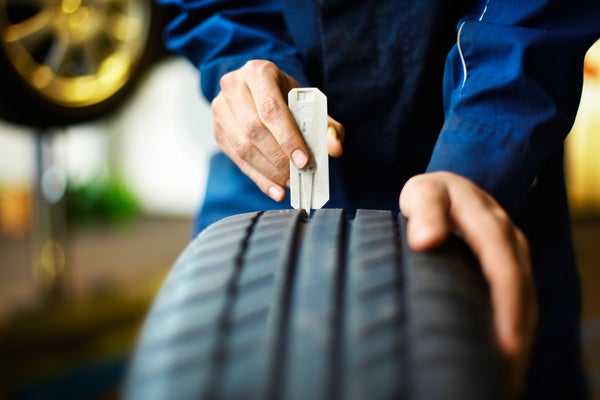
Credit: www.continental-tyres.co.uk
Safety Considerations
Using two different brand tires on your car can affect driving safety. Tires from various brands often have different designs and materials. This can cause uneven performance on the road.
It is important to understand how these differences affect handling, traction, and wear. This helps you decide if mixing brands is safe.
Handling And Stability
Tires from different brands may have distinct tread patterns and rubber compounds. This can change how your car responds to steering. The vehicle may feel less stable during sharp turns or emergency maneuvers.
- Uneven grip can cause the car to pull to one side.
- Brake performance may vary between tires.
- Different sidewall stiffness affects ride comfort and control.
Traction And Grip
Traction depends on the tire’s ability to grip the road surface. Different brands use unique rubber mixtures and tread designs. This causes varying levels of grip in wet or dry conditions.
| Brand A | Brand B | Effect |
|---|---|---|
| Soft rubber compound | Hard rubber compound | Uneven grip on wet roads |
| Deep tread pattern | Shallow tread pattern | Different water evacuation rates |
| High grip rating | Medium grip rating | Reduced overall traction |
Wear And Tear
Different brands wear at different rates. This can cause tires to lose tread unevenly. Uneven wear reduces tire life and can harm car balance.
Key points about wear and tear:
- One tire may wear out faster than the other.
- Uneven wear can lead to vibrations while driving.
- Replacing tires at different times can cause alignment issues.
Performance Impact
Using two different brand tires on your car affects how your vehicle performs. Each tire brand has unique features. Mixing them can change how the car drives and handles.
It is important to understand the effects on braking, fuel use, and ride comfort. These factors influence your safety and driving experience.
Braking Efficiency
Different tire brands may have varied grip levels. This difference can cause uneven braking on each side of the car. It may increase stopping distance and reduce control during sudden stops.
Fuel Economy
Tire brands differ in rolling resistance. Rolling resistance affects how hard your engine works to move the car. Higher resistance tires use more fuel.
- Tire A: Low rolling resistance, better fuel economy
- Tire B: Higher rolling resistance, less fuel efficient
- Mixing brands can cause uneven fuel usage
- It may lead to higher fuel costs over time
Ride Comfort
| Tire Brand | Shock Absorption | Noise Level |
|---|---|---|
| Brand 1 | Good | Low |
| Brand 2 | Average | Moderate |
| Mixed Tires | Uneven | Variable |
Mixing tires can cause uneven ride comfort. The car may feel bumpy or noisy on one side. This reduces overall driving pleasure and may cause fatigue on long trips.

Credit: carfromjapan.com
When It Might Be Acceptable
Using two different brand tires on your car is usually not recommended. Tires affect your car’s safety, handling, and performance. Still, there are some cases when it might be okay to mix brands.
This guide explains when mixing tires can work and what to keep in mind to stay safe on the road.
Temporary Solutions
Sometimes you must use a different brand tire as a short-term fix. For example, if you get a flat tire and cannot find the exact brand immediately, you may use another brand tire temporarily. This helps you keep driving until you can replace all tires properly.
- Use the different brand only on one axle, not mixed across axles.
- Check that the tire size matches your other tires exactly.
- Drive cautiously and avoid high speeds or rough terrain.
- Replace the mismatched tire as soon as possible.
Matching Tire Specifications
If you mix brands, it is important that the tires have matching key specifications. This helps keep your car balanced and safe.
| Specification | Why It Matters |
| Tire Size | Mismatched sizes can affect handling and speedometer accuracy. |
| Tread Pattern | Different patterns affect traction and braking performance. |
| Load Index | Ensures tires can support the car’s weight safely. |
| Speed Rating | Tires must handle the maximum speed of the vehicle. |
Expert Tips For Choosing Tires
Choosing the right tires is important for your car’s safety and performance. Many drivers wonder if they can use two different brands on their vehicle.
Using different brand tires can work, but you need to be careful. This guide shares expert tips to help you make the best choice.
Matching Tread Patterns
Tread patterns affect how your car grips the road. Different patterns can cause uneven handling and wear.
It is best to match tread patterns on all tires. This keeps your car balanced and safe during driving.
- Use the same tread type on front and rear tires
- Avoid mixing aggressive off-road and smooth highway treads
- Consistent tread helps with braking and cornering
Checking Tire Size And Ratings
Tire size must match your car’s original specifications. Wrong sizes can affect speedometer accuracy and stability.
Look at tire ratings for load and speed. Tires with different ratings may not perform well together.
- Check sidewall numbers for size details
- Match load index for weight support
- Use tires with similar speed ratings
Professional Installation
Installing tires properly ensures safety and longer tire life. Professionals balance and align your tires during installation.
They can spot mismatched tires and advise if mixing brands is safe for your car.
- Get tires mounted by a certified technician
- Ask for wheel balancing and alignment
- Have professionals check for any fitment issues

Credit: carfromjapan.com
Legal And Warranty Implications
Using two different brand tires on your car can raise some legal and warranty questions. It is important to know the risks before making this choice.
Car owners should understand how this affects insurance and manufacturer warranty. This helps avoid problems later on.
Insurance Considerations
Insurance companies expect your vehicle to be safe and roadworthy. Using two different brand tires can cause issues if it affects safety.
If an accident happens and the tires are different brands, the insurer might check if this caused the problem. This can affect your claim.
- Mixed tires may reduce grip and handling
- Insurance may deny claims if tires caused the accident
- Some insurers require matching tires for coverage
Manufacturer Warranty Effects
Car makers give warranties based on how you maintain your vehicle. Using different tire brands can impact these warranties.
If you use two different brands and a problem occurs, the warranty might not cover it. This is because the parts are not as recommended.
- Warranty may require matching tires for coverage
- Different tires can affect vehicle performance and warranty validity
- Check your car manual for tire brand rules
Frequently Asked Questions
Can I Mix Different Tire Brands On My Car?
Yes, you can mix different tire brands on your car. However, it’s not recommended for optimal performance and safety. Mixing tires can affect handling and stability. Always consult your vehicle’s manual or a professional. Consistency in tire brand and type ensures balanced wear and better driving dynamics.
Is It Legal To Have Different Tire Brands?
Yes, it is legal to have different tire brands on your vehicle. However, for safety and performance, it’s advisable to maintain the same brand and model across all tires. Always check local regulations, as some areas may have specific rules regarding tire usage.
Does Mixing Tire Brands Affect Performance?
Yes, mixing tire brands can affect your car’s performance. Different brands may have varied tread patterns and compounds. This can lead to inconsistent handling, braking, and traction. For optimal performance, it’s best to use the same brand and type on all wheels.
How Does Tire Brand Inconsistency Impact Safety?
Tire brand inconsistency can impact safety by affecting your car’s handling and stability. Different brands may have varying grip levels, leading to uneven traction. This can result in unpredictable braking and cornering, increasing the risk of accidents. For safety, consistency is key.
Conclusion
Using two different brand tires on one car can affect safety and performance. Tire brands may have different tread patterns and rubber types. This can lead to uneven wear and less grip on the road. For best results, match all four tires with the same brand and model.
This helps the car drive smoothly and stay balanced. Still, if you must mix brands, keep tire sizes and types very close. Regularly check tire pressure and condition to stay safe. Your car will handle better and last longer with matching tires.
Choose wisely for your safety and comfort.