
Many people think that postpartum depression happens only after a live birth. But can you have postpartum depression after a miscarriage? The answer is yes. This article will explain what postpartum depression is, how it can happen after miscarriage, and what you can do to feel better.
What Is Postpartum Depression?
Postpartum depression is a type of depression. It happens after pregnancy ends. Usually, it happens after a baby is born. But it can also happen after a pregnancy loss, like a miscarriage. It affects the way a person feels, thinks, and handles daily life.
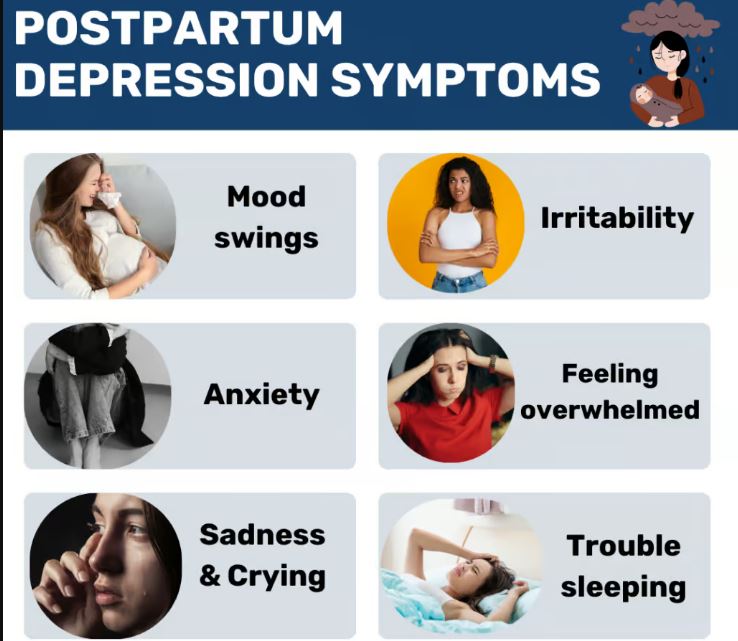
Common symptoms of postpartum depression include:
- Feeling very sad or empty
- Having little interest in activities
- Feeling tired all the time
- Difficulty sleeping or sleeping too much
- Feeling hopeless or worthless
- Having trouble concentrating
- Feeling anxious or worried
- Having thoughts about death or suicide
What Is a Miscarriage?
A miscarriage means losing a pregnancy before the baby can live outside the womb. It usually happens before the 20th week of pregnancy. Many women experience miscarriage, but it is still very sad. Losing a pregnancy can cause many feelings like sadness, anger, and confusion.
Can You Have Postpartum Depression After Miscarriage?
Yes, it is possible to have postpartum depression after a miscarriage. The body and mind change during pregnancy. When the pregnancy ends suddenly, the body’s hormones change quickly. This can cause mood problems. The loss of the pregnancy can also cause deep sadness and grief. These feelings can lead to depression similar to postpartum depression.
Many women feel alone or misunderstood after miscarriage. Some people may not talk about it openly. This silence can make it harder to get help. But postpartum depression after miscarriage is real and needs care.
Why Does Postpartum Depression Happen After Miscarriage?
There are many reasons why postpartum depression can happen after miscarriage. Some reasons are:
| Reason | Explanation |
|---|---|
| Hormonal Changes | After pregnancy ends, hormone levels fall quickly. This affects mood and feelings. |
| Emotional Loss | Losing a baby can cause deep sadness and grief. |
| Physical Changes | The body goes through changes after pregnancy loss, which can be hard to manage. |
| Stress | Stress from the loss and other life problems can increase depression risk. |
| Lack of Support | Some people may not understand or support someone after miscarriage. |
How Long Can Postpartum Depression Last After Miscarriage?
Postpartum depression can last for weeks or months. Some women feel better in a few weeks. Others may feel sad for many months. It is important to get help if feelings do not improve.
How to Know If You Have Postpartum Depression After Miscarriage?
It can be hard to know if you have postpartum depression after miscarriage. You might feel very sad or tired all the time. You may not want to do things you liked before. You may feel hopeless or have trouble sleeping. If these feelings last more than two weeks, you should talk to a doctor.
Credit: mindblisshospital.com
What Should You Do If You Think You Have Postpartum Depression?
If you think you have postpartum depression after miscarriage, you are not alone. Many women feel the same way. Here are some steps to help you feel better:
- Talk to a doctor or nurse. They can help you find the right treatment.
- Share your feelings with family or friends. Talking helps you feel less alone.
- Join a support group. Meeting others who understand can be comforting.
- Take care of yourself. Try to eat well, rest, and get some fresh air.
- Avoid alcohol and drugs. These can make depression worse.
- Ask for help with daily tasks. It’s okay to let others support you.
Treatment Options for Postpartum Depression After Miscarriage
Treatment for postpartum depression after miscarriage can help you feel better. Treatment may include counseling, medicine, or both. A doctor can help decide what is best.
Counseling Or Therapy
Talking with a counselor or therapist can help you understand and manage your feelings. Therapies like cognitive-behavioral therapy (CBT) are useful. They help change negative thoughts.
Medication
Sometimes, doctors may prescribe medicines called antidepressants. These help balance brain chemicals. Medicine can be helpful when depression is strong. Always take medicine as your doctor says.
Support Groups
Support groups let you talk with others who had similar experiences. Sharing stories can help you feel less alone and more understood.
How Family and Friends Can Help
Family and friends play a big role. They can offer love and support. Here are ways they can help:
- Listen without judging or giving advice too fast.
- Offer to help with chores or errands.
- Encourage the person to get medical help.
- Be patient and understanding.
- Check in often to see how they feel.
Remember, It Is Okay to Ask for Help
Miscarriage and postpartum depression can be very hard. You do not have to face them alone. Asking for help is a sign of strength. Help is available. Many people want to support you through this time.
Credit: mindblisshospital.com
Frequently Asked Questions
Can Postpartum Depression Happen After A Miscarriage?
Yes, postpartum depression can occur after a miscarriage due to hormonal and emotional changes.
How Soon Can Postpartum Depression Start After Miscarriage?
It can begin within days or weeks following the miscarriage, varying by individual.
What Are Common Symptoms Of Postpartum Depression After Miscarriage?
Symptoms include sadness, anxiety, fatigue, irritability, and loss of interest in activities.
Is Miscarriage-related Depression Different From Regular Postpartum Depression?
They share many symptoms but the cause and emotional triggers differ.
Conclusion
In short, yes, you can have postpartum depression after a miscarriage. The loss of a pregnancy can affect your body and mind deeply. If you feel sad, tired, or hopeless for a long time, talk to a doctor. Support from family, friends, and health professionals can help you heal. Remember, your feelings are real and important. You deserve care and kindness.