Have you ever found yourself with a flat car tire and no air pump nearby? It’s a frustrating situation that can leave you stranded or scrambling for help.
But what if you could use something as simple as a bicycle pump to get your car tire back to the right pressure? You might be wondering if that’s even possible or if it’s just a waste of time. Keep reading, because we’re about to uncover the truth behind inflating a car tire with a bicycle pump—and what you need to know before you try it yourself.
This could save you time, money, and a lot of stress when you least expect it.
Bicycle Pump Basics
You might wonder if you can use a bicycle pump to inflate a car tire. Knowing how bicycle pumps work helps answer this question. Bicycle pumps are simple tools designed to add air to tires by hand.
Bicycle pumps come in different styles and sizes. They work by pushing air into the tire through a valve. Understanding these basics will help you decide if a bicycle pump can fill your car tire.
Types Of Bicycle Pumps
There are several types of bicycle pumps. Each type has a different way to move air and fit different needs.
- Floor Pumps:Large and stable with a pressure gauge. Good for fast inflation.
- Hand Pumps:Small and portable. Easy to carry on bike rides.
- Mini Pumps:Very small and light. Used for emergencies only.
- CO2 Inflators:Use gas cartridges. Inflate tires quickly but need refills.
How Bicycle Pumps Work
Bicycle pumps work by moving air from the outside into the tire. When you pull the handle up, air enters the pump chamber. When you push down, air is forced into the tire.
A valve on the pump connects to the tire’s valve. It stops air from escaping while you pump. The pressure you can reach depends on the pump’s design and size.

Credit: woowind.store
Car Tire Air Requirements
Car tires need the right amount of air to work well. Proper air pressure helps the tire last longer and keeps the car safe.
Using the wrong pressure can cause problems like poor gas mileage or tire damage. Knowing the right air pressure is important.
Typical Pressure Levels
Most car tires need air pressure between 30 and 35 PSI (pounds per square inch). This range keeps tires firm but not too hard.
Check your car’s manual or the sticker inside the driver’s door to find the exact pressure. Different cars may need different levels.
- Small cars usually need about 30 PSI
- SUVs and trucks may require 35 PSI or more
- Overinflated tires can wear out quickly
- Underinflated tires reduce fuel efficiency
Tire Valve Types
Tires have valves to add or release air. The two most common types are Schrader and Presta valves.
Schrader valves are wider and found on most car tires. Presta valves are thinner and often used on bicycles.
- Schrader Valve:Standard car tire valve, easy to use
- Presta Valve:Narrow, used on road bikes, needs an adapter for car tires
Inflating Car Tires With A Bicycle Pump
Using a bicycle pump to inflate a car tire is possible but not always easy. Bicycle pumps have a smaller capacity than car pumps.
You need to know how to connect the pump and follow the right steps to fill the tire safely.
Compatibility Of Valves
Car tires usually use Schrader valves. These valves are common on car tires and some bikes.
Bicycle pumps often fit Schrader valves, but some are made only for Presta valves. You may need an adapter to fit the car tire valve.
- Check if your pump head fits Schrader valves
- Use an adapter if your pump is for Presta valves
- Make sure the valve is clean before attaching the pump
Step-by-step Inflation Process
Inflating a car tire with a bicycle pump takes time and patience. Follow these steps carefully for best results.
- Remove the valve cap from the car tire
- Attach the bicycle pump head securely to the valve
- Start pumping slowly and steadily
- Check the tire pressure with a gauge often
- Stop pumping when the tire reaches the recommended pressure
- Remove the pump and replace the valve cap
| Recommended Tire Pressure | PSI Range |
| Small Cars | 30 – 35 PSI |
| SUVs | 35 – 40 PSI |
| Light Trucks | 40 – 45 PSI |

Credit: www.amazon.com
Challenges And Limitations
Inflating a car tire with a bicycle pump is possible but comes with several challenges. The process requires patience and physical effort.
Understanding these limits helps you decide if a bike pump is the right tool for your car tire.
Time And Effort Required
Using a bicycle pump to fill a car tire takes much longer than an air compressor. Car tires need more air volume and higher pressure.
Pumping by hand for several minutes can be tiring. It may not be practical if you are in a hurry or far from help.
- Car tires hold more air than bike tires
- More pumps needed to reach proper pressure
- Hand pumping causes physical fatigue
Pump Durability Concerns
Bicycle pumps are built for lower pressure and volume. Using them on car tires can wear them out quickly.
Repeated heavy use may damage the pump’s seals or handle. This reduces its lifespan and effectiveness.
- Bike pumps are not designed for high pressure
- Seals may leak after heavy use on car tires
- Pump handles can break from extra force
Safety Tips And Best Practices
Using a bicycle pump to inflate a car tire is possible but requires care. You must follow safety tips and best practices to avoid accidents.
Proper tire inflation keeps your car safe and improves fuel efficiency. Always check your tire pressure and avoid overinflation.
Checking Tire Pressure
Before inflating, check the car tire’s current pressure with a gauge. This helps you know how much air to add.
Car tires need more pressure than bike tires. Look on the tire sidewall or car manual for correct pressure in PSI.
- Use a reliable tire pressure gauge
- Check pressure when tires are cold
- Compare with recommended PSI
- Note the pressure before pumping
Avoiding Overinflation
Do not pump the tire above the recommended pressure. Overinflation can cause tire damage and unsafe driving.
Pump slowly and check pressure often. Stop inflating once you reach the correct PSI.
- Pump in short bursts
- Check pressure after every few pumps
- Stop immediately if pressure is too high
- Inspect tire for any damage before and after

Credit: etenwolf.com
Alternative Inflation Methods
Inflating a car tire can be done with tools other than a standard car air pump. Many people wonder if a bicycle pump can work for this task.
This section explains other ways to inflate car tires safely and easily.
Using An Air Compressor
An air compressor is a good tool to fill car tires quickly. It uses electricity or gas to push air into the tire.
Most gas stations have air compressors. You can also buy portable models for home use.
- Connect the compressor hose to the tire valve
- Turn on the compressor and watch the pressure gauge
- Stop inflating when the recommended pressure is reached
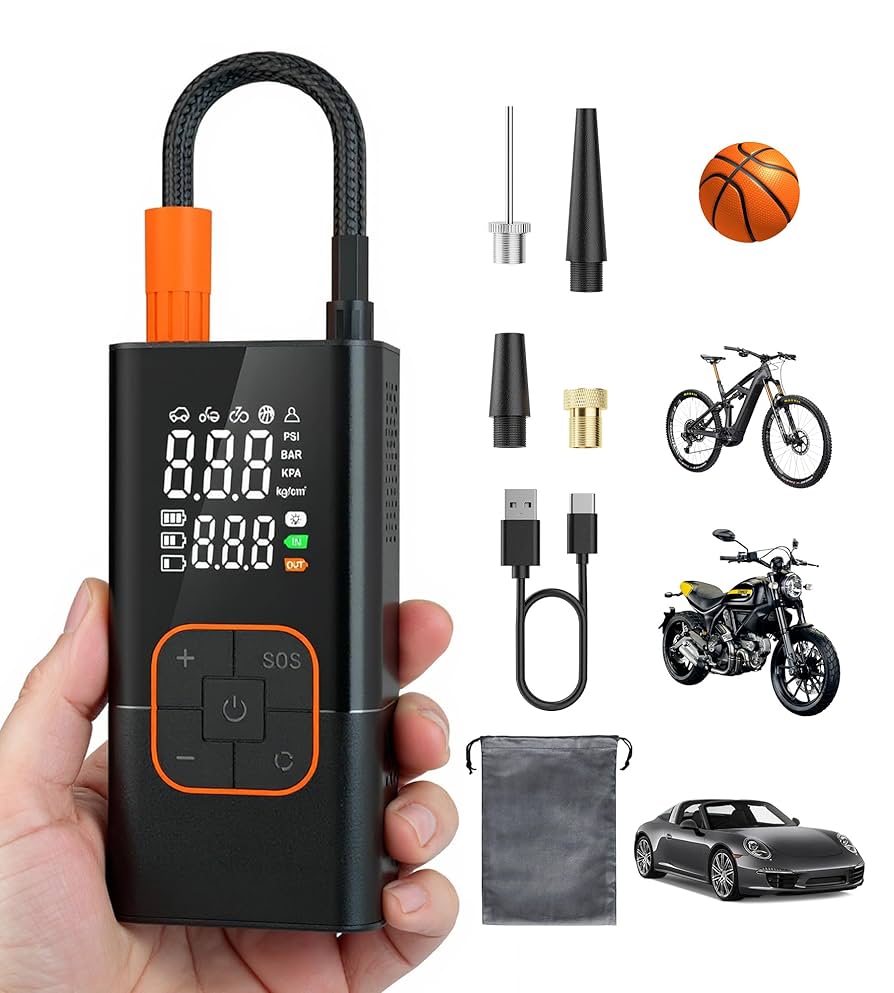
Portable Electric Pumps
Portable electric pumps are small and easy to carry. They plug into a car’s power outlet or run on batteries.
These pumps work well for quick tire inflation on the road or at home.
- Attach the pump nozzle to the tire valve
- Switch on the pump and monitor the pressure
- Turn off the pump once the tire is properly inflated
Frequently Asked Questions
Can You Inflate A Car Tire With A Bicycle Pump?
Yes, you can inflate a car tire with a bicycle pump, but it takes longer. Bicycle pumps generate lower pressure and volume, so inflating a car tire requires many more pumps.
Is A Bicycle Pump Safe For Car Tires?
Using a bicycle pump is safe if it fits the valve properly. Avoid over-inflation by checking tire pressure frequently with a gauge to prevent damage.
How Long Does It Take To Inflate A Car Tire?
Inflating a car tire with a bicycle pump can take 10-20 minutes or more. It depends on the tire size and pump efficiency.
Will A Bicycle Pump Reach The Required Tire Pressure?
Most bicycle pumps can reach up to 100 PSI, enough for many car tires. However, some car tires require higher pressure, needing a specialized pump or compressor.
Conclusion
Yes, you can inflate a car tire with a bicycle pump, but it takes time. Bicycle pumps work best for small tires or emergencies. Car tires need higher pressure and more air volume. Using a bicycle pump might require many pumps to fill the tire.
Always check the tire pressure with a gauge. Keep a proper car tire pump for regular use. This method works in a pinch but is not ideal for regular tire inflation. Stay safe by maintaining correct tire pressure before driving.
Simple tools can help, but know their limits.