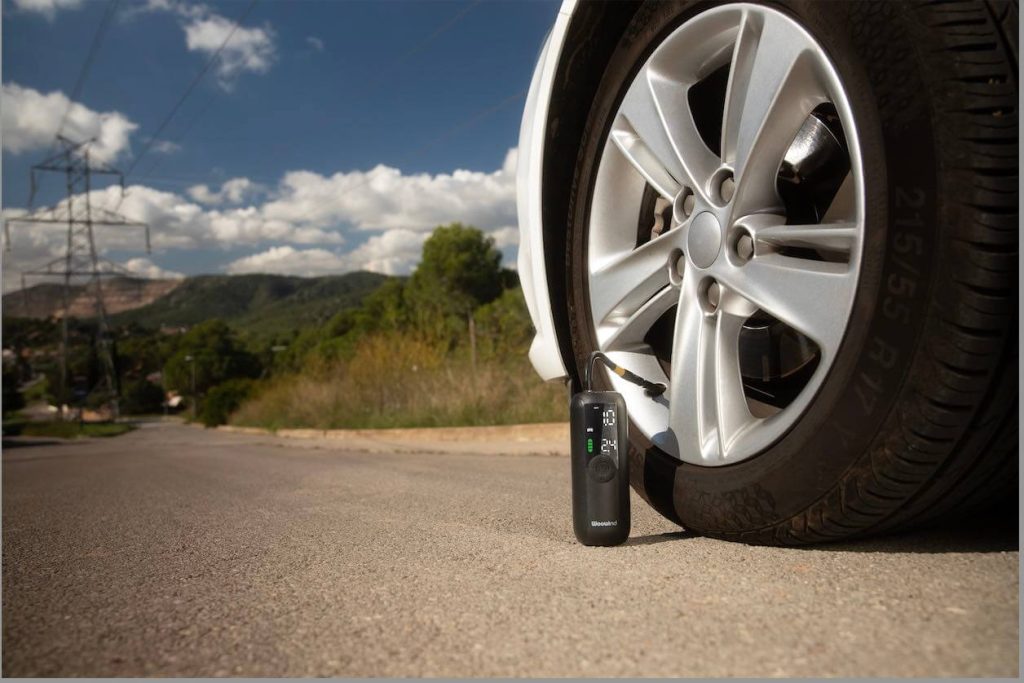
Have you ever found yourself with a flat car tire and no air pump nearby? You might wonder, “Can I use my bike pump to inflate my car tire?” It’s a question many drivers ask in a pinch.
The idea sounds simple—after all, both tires need air, right? But before you start pumping away, there are important things you need to know. This guide will help you understand if using a bike pump for your car tire is practical, safe, and effective.
Keep reading to avoid costly mistakes and get back on the road quickly.

Credit: www.amazon.com
Car Tire Inflation Basics
Inflating car tires is important for safety and fuel efficiency. You can use different pumps to add air to your tires.
This guide explains tire pressure needs and types of pumps you can use.
Tire Pressure Requirements
Car tires need a specific air pressure to work well. This pressure is shown in pounds per square inch (PSI).
| Vehicle Type | Recommended PSI |
| Small Cars | 30-35 PSI |
| SUVs | 35-40 PSI |
| Trucks | 40-50 PSI |
Check your car’s manual or the sticker on the door frame for exact numbers.
Types Of Pumps Available
You can inflate car tires using different pumps. Each pump type has its use and limits.
- Bike Pump:Small and manual. Good for small pressure increases.
- Electric Pump:Fast and easy. Plugs into car power or wall.
- Air Compressor:Powerful. Used in garages and service stations.
Bike pumps can work but take time and effort. They are best for emergencies or small inflations.
How Bike Pumps Work
A bike pump pushes air into tires to make them firm. It uses a simple moving part called a piston.
Understanding how a bike pump works helps you know if it can inflate a car tire.
Pump Mechanism
A bike pump has a handle, cylinder, piston, and valve. When you pull the handle up, air enters the cylinder.
When you push the handle down, the piston forces air through the valve into the tire.
- The handle moves up and down.
- The piston inside the cylinder moves air.
- A one-way valve lets air into the tire.
- The tire inflates as air fills it.
Pressure Limits
Bike pumps can reach high pressures but usually less than car pumps. Car tires need more air pressure.
| Type | Typical Pressure Range | Notes |
| Bike Pump | 40 – 120 PSI | Good for bike tires |
| Car Tire | 30 – 35 PSI | Lower pressure but larger volume |
| Car Air Compressor | Up to 150 PSI | Designed for car tires |
Challenges Of Using A Bike Pump On Car Tires
Using a bike pump to inflate a car tire can be difficult. The differences in size and pressure make this task challenging. It is important to understand these challenges before trying to use a bike pump on a car tire.
Below, we explore two main challenges: volume and pressure differences, and the time and effort required.
Volume And Pressure Differences
Car tires hold a much larger volume of air compared to bike tires. Also, car tires require higher pressure to function properly. A bike pump is designed for smaller volumes and different pressure ranges.
| Factor | Car Tire | Bike Tire | Bike Pump Suitability |
| Air Volume | Large (about 20-30 liters) | Small (about 1-3 liters) | Low capacity, slow filling |
| Required Pressure | 30-35 PSI | 40-65 PSI (road bikes) | May not reach car tire pressure easily |
| Valve Type | Mostly Schrader | Schrader or Presta | Requires adapter for some valves |
Time And Effort Required
Inflating a car tire with a bike pump takes much longer than using an air compressor or car tire inflator. The small volume per pump stroke means many pumps are needed.
- Attach the bike pump securely to the car tire valve.
- Pump air slowly and steadily to avoid damaging the valve.
- Count the number of pumps needed to reach the desired pressure.
- Check pressure with a gauge frequently.
- Expect fatigue from continuous pumping.

Credit: etenwolf.com
Practical Scenarios For Using A Bike Pump
A bike pump can sometimes fill a car tire. It is not the best tool but useful in some cases. Knowing when to use a bike pump can help in tight spots.
This guide looks at practical moments to use a bike pump for car tires. You will see two main scenarios where it works well.
Emergency Situations
If your car tire loses air far from a gas station, a bike pump may help. It can add enough air to reach a repair shop safely. It is slow but better than being stranded.
- Flat tire on a long road trip
- Low air pressure causing poor control
- No air compressor nearby
- Temporary fix before a proper tire service
Temporary Solutions
Using a bike pump is a short-term fix. It cannot reach the pressure a car tire needs quickly. Still, it can keep your tire inflated enough to drive slowly and carefully.
| Scenario | Benefit of Using Bike Pump | Limitations |
| Small puncture repair | Allows slow drive to nearest mechanic | Needs frequent pumping |
| Slow leak tire | Maintains pressure for a few hours | Not suitable for long distances |
| Emergency air top-up | Quickly raises tire pressure a bit | Cannot fully inflate tire |
Alternative Tire Inflation Methods
Inflating a car tire with a bike pump is possible but slow and tiring. There are better tools for faster and easier inflation. This article looks at some alternative tire inflation methods.
Using the right equipment saves time and effort. It also helps you reach the correct tire pressure safely and quickly.
Electric Pumps
Electric pumps run on batteries or car power outlets. They are small and easy to carry. These pumps quickly fill tires without much effort.
- Plug into the car’s 12V outlet or use a rechargeable battery.
- Most have automatic shut-off when the desired pressure is reached.
- They work well for cars, bikes, and even sports balls.
Air Compressors
Air compressors are powerful machines used to inflate tires fast. They can be portable or stationary. Many garages and workshops use them.
| Type | Power Source | Portability | Best Use |
|---|---|---|---|
| Portable Compressor | Battery or car outlet | High | Road trips, emergencies |
| Stationary Compressor | Electricity | Low | Garages, workshops |
Gas Station Air Pumps
Gas station air pumps are common and easy to use. Most stations offer them for free or a small fee. They work well for quick tire inflation on the road.
- Check tire pressure before and after inflation.
- Use the gauge on the pump to avoid over-inflation.
- Some pumps have preset pressure settings for convenience.
- Keep a coin or card ready if the pump requires payment.

Credit: www.amazon.in
Tips For Maintaining Proper Tire Pressure
Keeping your car tires at the right pressure is important for safety and fuel efficiency.
Regular checks and using the correct tools help maintain proper tire pressure.
Regular Checks
Check your tire pressure at least once a month and before long trips.
- Use a reliable tire pressure gauge to measure pressure.
- Check tires when they are cold for the most accurate reading.
- Look for signs of damage or uneven wear.
- Adjust pressure to match the car manufacturer’s recommended levels.
Using The Right Equipment
Choose the correct pump and gauge to inflate your tires safely.
| Equipment | Purpose |
| Bike Pump | Can inflate tires slowly but may not reach high pressure easily |
| Car Tire Inflator | Designed for car tires, reaches correct pressure quickly |
| Tire Pressure Gauge | Measures tire pressure accurately |
Frequently Asked Questions
Can You Inflate A Car Tire With A Bike Pump?
Yes, you can inflate a car tire with a bike pump. However, it takes longer and requires more effort compared to an air compressor. A bike pump works best for small pressure top-ups or emergencies when no other options are available.
How Long Does It Take To Inflate A Car Tire?
Inflating a car tire with a bike pump typically takes 10 to 20 minutes. The exact time depends on the tire size and pump efficiency. It’s slower than using an electric pump but useful for quick pressure adjustments.
Is A Bike Pump Suitable For High Tire Pressure?
Bike pumps can reach high pressures but may struggle with car tires needing 30-35 PSI. It’s effective for moderate pressure increases but not ideal for fully inflating a flat car tire from zero.
What Type Of Bike Pump Works Best For Cars?
A floor pump with a pressure gauge works best for inflating car tires. It provides better leverage and accurate pressure readings, making it easier to reach the correct tire pressure safely.
Conclusion
Yes, you can inflate a car tire with a bike pump, but it takes time. Bike pumps work best for small tires with low air volume. Car tires need more air and pressure, so expect many pumps. Always check the tire pressure with a gauge to avoid over or under-inflation.
Keep a proper car tire pump for emergencies. Using a bike pump is okay for quick fixes but not for regular use. Stay safe and keep your tires properly inflated for better driving.