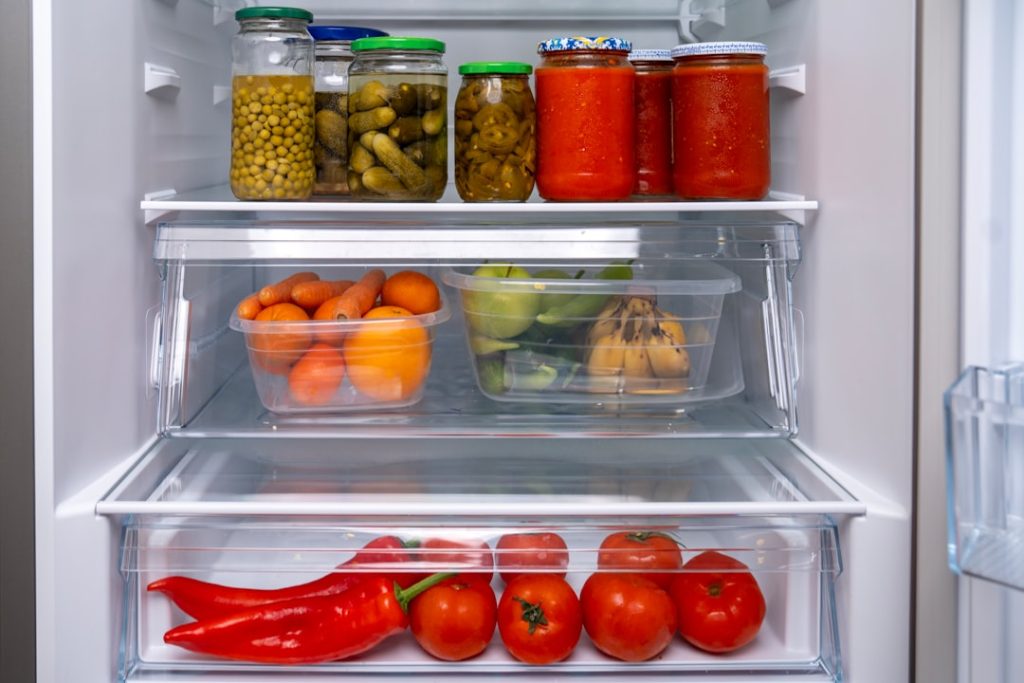
Are you considering storing your refrigerator in the garage? You’re not alone.
Many people wonder if it’s a practical and cost-effective solution. But before you make the move, there are a few crucial factors you need to consider. Temperature fluctuations, energy efficiency, and the type of fridge you own can all influence its performance outside the cozy confines of your kitchen.
Ignoring these factors could lead to spoiled food, higher energy bills, or even costly repairs. We’ll reveal everything you need to know about keeping a refrigerator in the garage, helping you make the best decision for your home and wallet. Stick with us to ensure your food stays fresh and your energy bills stay low.
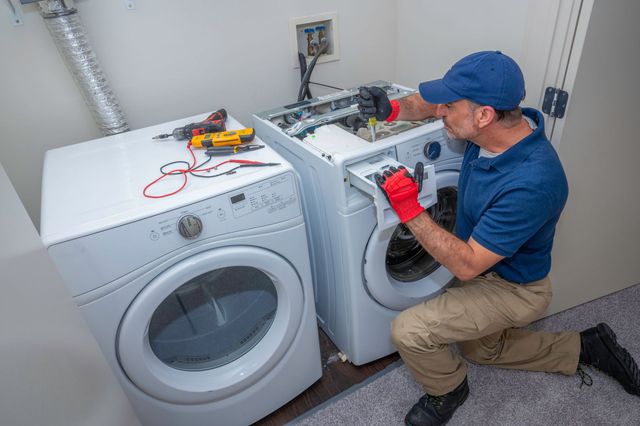
Credit: www.docsapplianceservice.com
Garage Conditions And Refrigerator Safety
Placing a refrigerator in your garage might seem like a convenient way to free up kitchen space. However, the garage environment can pose unique challenges that affect your fridge’s safety and performance. Understanding these conditions helps you decide if your garage is truly a suitable spot for your appliance.
Temperature Impact On Performance
Garages often experience extreme temperatures—freezing cold in winter and scorching heat in summer. Most refrigerators are designed to work best in temperatures between 50°F and 85°F.
If your garage gets colder than this, the fridge’s compressor may not run often enough, causing food to spoil. On the other hand, high temperatures force the fridge to work harder, increasing energy use and wear.
Have you noticed your garage fridge running non-stop during hot days? That’s a sign the temperature is affecting its efficiency.
Humidity And Moisture Concerns
Garages tend to be more humid than indoor spaces, especially in rainy or humid climates. Excess moisture can cause rust on the fridge’s metal parts and promote mold growth inside and around it.
Condensation may also form on the fridge’s exterior, potentially damaging the floor beneath it over time. Using a dehumidifier or a moisture absorber can help control humidity levels in your garage.
Are you keeping an eye out for damp smells or visible rust on your garage fridge? These are early warnings of moisture problems.
Pest And Dust Exposure
Garages often attract pests like rodents and insects looking for warmth and food scraps. These critters can chew on wires or nest inside your fridge, causing damage or contamination.
Dust buildup is another issue, as it clogs vents and reduces cooling efficiency. Regular cleaning and sealing gaps in your garage walls can protect your fridge from pests and dust.
Have you checked behind your garage fridge lately? You might find dust bunnies or signs of unwanted visitors.

Credit: x.com
Choosing The Right Refrigerator
Choosing the right refrigerator for your garage matters a lot. Garages have different temperatures and conditions than inside your home. Not all refrigerators work well there. Picking the right model ensures it runs smoothly and lasts longer. Consider the climate, size, and energy use to find the best fit. This helps avoid wasted money and spoiled food.
Models Suited For Garages
Some refrigerators are designed to work in garages. They handle heat in summer and cold in winter. Look for models labeled “garage ready” or “all-season.” These have stronger insulation and special compressors. Regular fridges may fail or use too much energy outside normal home temperatures.
- Garage-ready refrigerators
- Chest freezers with fridge compartments
- Compact models built for tough conditions
Energy Efficiency Considerations
Energy use is key when choosing a garage fridge. Extreme temperatures make fridges work harder. An efficient model saves electricity and money. Check for Energy Star ratings. Some have features like adaptive defrost or smart sensors to save power. A fridge with good seals also prevents cool air from escaping.
Size And Capacity Tips
Measure your garage space carefully. Leave room for air circulation around the fridge. Choose a size that fits your storage needs but does not overcrowd the area. Think about what you store. Extra freezer space may be useful. A smaller fridge uses less energy but holds less food. Balance size with your daily use.
Installation And Placement Tips
Installing a refrigerator in your garage might seem straightforward, but the right placement and setup make all the difference. Ensuring your appliance runs efficiently and lasts longer depends on careful planning. Let’s dive into practical tips that help you position your fridge correctly and keep it safe.
Optimal Location In Garage
Choose a spot away from direct sunlight or heat sources like the water heater or furnace. Extreme temperatures can force your fridge to work harder, increasing energy use and wear. Place it on a level surface to avoid door alignment issues and ensure smooth operation.
Think about accessibility too. You want to open the doors fully without bumping into tools or storage shelves. Leaving at least a few inches of space around the fridge improves airflow and makes cleaning easier.
Power Supply And Wiring Safety
Plug your refrigerator directly into a grounded outlet—avoid extension cords or power strips. Garage outlets can be older or less reliable, so test them for proper grounding and voltage consistency. If you notice flickering lights or outlets that spark, consider having an electrician inspect your wiring.
Keep the power cord away from moisture and sharp objects. In my own garage, I once found a frayed cord tucked behind a box, which was a fire hazard waiting to happen. Don’t let that be your story.
Ventilation Requirements
Refrigerators need space to breathe. Leave at least 2-3 inches between the back and sides of the fridge and the wall. This gap allows heat to escape and prevents overheating.
Make sure your garage is ventilated well, especially during hot months. Stale, hot air can cause the compressor to work overtime. Installing a small fan or vent nearby can help maintain cooler air around your fridge and extend its life.
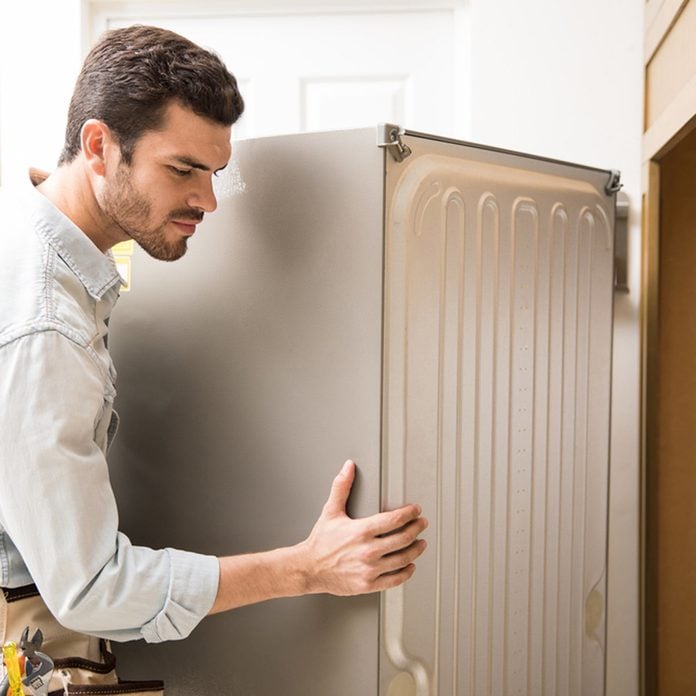
Credit: www.familyhandyman.com
Maintenance For Garage Refrigerators
Maintaining a refrigerator in the garage requires special care. The garage environment differs from indoor spaces. Dust, dirt, and temperature swings can affect the fridge’s performance. Regular upkeep helps extend the appliance’s life and keeps it running efficiently.
Regular Cleaning Practices
Keep the refrigerator clean inside and out. Wipe spills and crumbs promptly. Clean the door seals to prevent air leaks. Vacuum the coils every few months to remove dust. Clean coils improve cooling and save energy.
Monitoring Temperature Fluctuations
Garage temperatures can change drastically. Use a thermometer to check the fridge’s internal temperature. Make sure it stays between 37°F and 40°F for food safety. Watch for signs of freezing or overheating. Adjust the settings if needed.
Handling Seasonal Changes
Winter and summer bring challenges. In cold weather, the fridge may not run enough. In hot weather, it may work too hard. Consider adding insulation around the fridge. During extreme weather, check the fridge more often. Seasonal care keeps it working well year-round.
Common Problems And Solutions
Keeping a refrigerator in the garage can save space in your kitchen, but it also brings some unique challenges. Understanding these common problems and their solutions will help you maintain your appliance’s performance and extend its life. Let’s look at how to handle freezing issues, protect the compressor, and manage power outages effectively.
Dealing With Freezing Issues
Garages often experience extreme temperature swings, especially in colder months. This can cause the refrigerator’s thermostat to misread the temperature and make the freezer section colder than needed.
To fix this, try placing a small space heater nearby during winter to keep the ambient temperature stable. Another trick is to use a garage-ready refrigerator model designed to handle lower temperatures. If that’s not an option, adding a thermostat control device can help regulate the fridge’s cooling cycles and prevent unwanted freezing.
Preventing Compressor Damage
The compressor in your refrigerator works harder in a garage due to inconsistent temperatures. When it runs continuously in extreme heat or cold, it risks overheating or failing prematurely.
You can protect the compressor by ensuring your garage is well-ventilated and insulated. Adding a fan to circulate air around the refrigerator helps too. If you notice the compressor running non-stop, it might be time to check for blocked vents or a dirty condenser coil, which can cause the motor to overwork.
Troubleshooting Power Outages
Power outages in garages can disrupt your refrigerator’s operation and spoil your food. A simple solution is to use a surge protector to avoid electrical damage when power returns.
For longer outages, a backup power source like an uninterruptible power supply (UPS) or a generator keeps your fridge running. You might also want to keep a thermometer inside the fridge to monitor temperature changes during outages and decide when to discard food safely.
Frequently Asked Questions
Can A Refrigerator Work Efficiently In A Garage?
Yes, a refrigerator can work in a garage if the temperature is stable. Extreme cold or heat affects its efficiency and lifespan. Consider a garage-ready fridge designed to handle temperature variations for best results.
What Happens If A Fridge Is Kept In A Cold Garage?
In cold garages, refrigerators may struggle to maintain proper temperatures. The compressor might not run often, causing food to spoil. Using a garage-ready fridge or adding a heater can help maintain optimal performance.
Is It Safe To Store Food In A Garage Fridge?
Yes, but only if the refrigerator maintains consistent, safe temperatures. Fluctuating garage temperatures can cause food spoilage. Monitor the fridge temperature regularly to ensure food stays fresh and safe.
How To Protect A Garage Fridge From Extreme Temperatures?
Use insulation around the fridge and keep the garage well-ventilated. Consider a fridge designed for garage use with enhanced insulation and a temperature sensor. Avoid placing the fridge near direct sunlight or heat sources.
Conclusion
Storing a refrigerator in the garage can work well in mild climates. Keep in mind that extreme cold or heat may affect its performance. Choose a model designed for garage use for best results. Regular maintenance helps keep the fridge running smoothly.
Check seals and clean coils often to save energy. A garage fridge offers extra space for food and drinks. It can be a convenient solution for busy households. Just remember to watch the temperature and care for the appliance. This way, your garage fridge will last longer and work better.