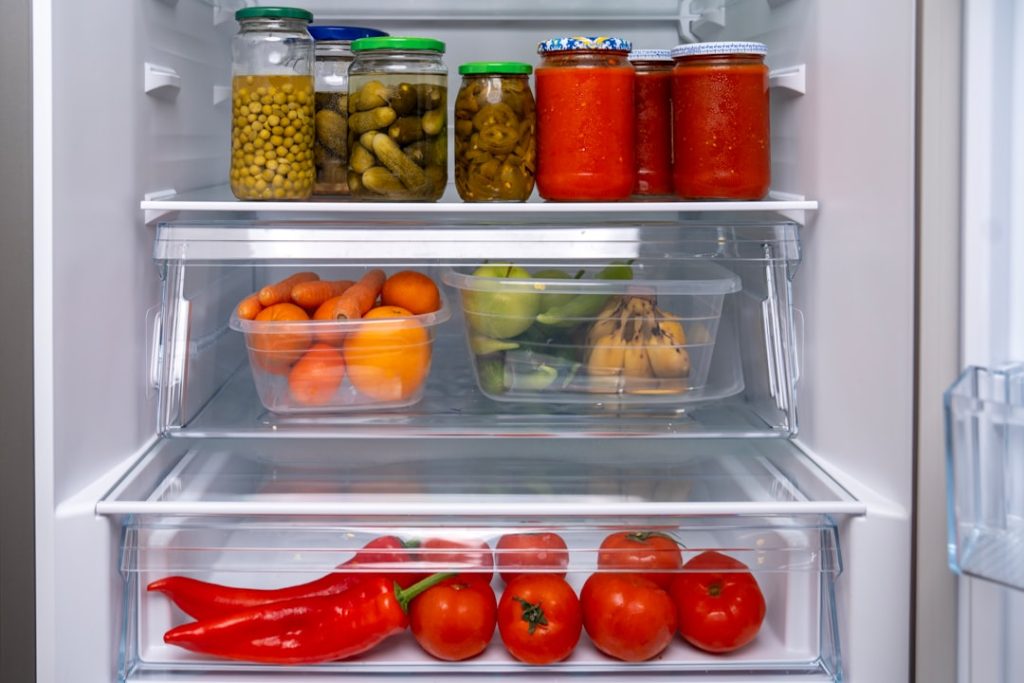
Are you thinking about placing your refrigerator in the garage but aren’t sure if it’s a good idea? You’re not alone.
Many people wonder if their fridge will work properly outside the kitchen, especially in a space like the garage that can get cold or hot. What if your food spoils? What if the fridge breaks down faster? Keep reading, and you’ll discover everything you need to know to make the right choice for your home and your wallet.
By the end, you’ll feel confident about whether your garage is the perfect spot for your refrigerator—or if you should think twice.
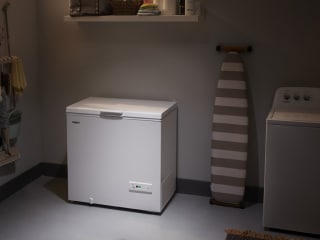
Credit: www.whirlpool.com
Garage Refrigerators: Pros And Cons
Storing a refrigerator in the garage can seem like a smart space-saving choice. However, it’s important to weigh the advantages and disadvantages before making this decision. Understanding the pros and cons can help you decide if a garage refrigerator fits your lifestyle and needs.
Benefits Of Garage Placement
Placing a refrigerator in your garage frees up valuable kitchen space, especially if you have a small kitchen or a large family. It provides extra storage for bulk groceries, beverages, or overflow items during holidays and parties.
Garage refrigerators often come in larger sizes or second-hand models, making them a budget-friendly option for many homeowners. Plus, having a fridge nearby when working in the garage or backyard adds convenience without frequent trips inside.
Common Drawbacks
The temperature swings in a garage can affect your refrigerator’s performance. In extreme cold or heat, the fridge might work harder or fail to maintain proper cooling, which can spoil your food or increase energy bills.
Humidity and dust in garages can also lead to faster wear and tear. You might face more frequent repairs or a shorter appliance lifespan, which could cost more in the long run.
Have you considered how your garage’s climate might impact your fridge? Sometimes, a little extra planning or investing in a garage-ready model can make a big difference.
Temperature Challenges In Garages
Keeping a refrigerator in your garage may seem like a convenient idea, especially when extra storage space is tight inside your home. However, garages often face significant temperature swings that can challenge your appliance’s performance and lifespan. Understanding these temperature challenges is key before deciding to place a fridge in such an environment.
Impact Of Extreme Cold
Extreme cold in garages, especially during winter, can cause your refrigerator to work improperly. When temperatures drop below 50°F (10°C), many fridges struggle to maintain their internal cooling balance.
Cold ambient air can confuse the thermostat, causing the compressor to run less or not at all. This often leads to food spoilage because the fridge might not stay cold enough inside.
Have you ever noticed ice build-up or strange noises from your garage fridge during winter? That’s a sign the cold is affecting its operation. If you live in a cold climate, consider a refrigerator model designed specifically for garage use.
Effects Of High Heat
On the flip side, garages can get very hot during summer, often exceeding 100°F (38°C) in some regions. High temperatures force the refrigerator’s compressor to work overtime, pushing it to the limit.
This extra strain can cause your fridge to consume more energy and may shorten its lifespan. Overheating components could also lead to costly repairs or complete failure.
Think about how often you open your garage door on hot days and let in more heat. This cycle makes the environment even tougher on your fridge. To protect your appliance, ensure the garage is well-ventilated or consider installing an insulated garage refrigerator.
Choosing The Right Refrigerator For Garage
Choosing the right refrigerator for your garage requires careful thought. Garages often face temperature swings. These changes can affect a regular fridge’s performance. A refrigerator that works well indoors may struggle in a garage. Picking a model designed for garage use can save energy and extend the appliance’s life. This section highlights key points to consider when selecting a garage fridge.
Garage-ready Models
Garage-ready refrigerators are built to handle extreme temperatures. They have stronger insulation and special compressors. These features keep food cold even in hot or cold garages. Look for models labeled “garage ready” or “garage compatible.” Such refrigerators maintain steady temperatures. They also avoid damage caused by frequent temperature changes. Choosing a garage-ready model reduces the risk of breakdowns and food spoilage.
Energy Efficiency Considerations
Energy use is vital when picking a garage refrigerator. Some models use more electricity in hot or cold settings. Energy-efficient fridges save money on power bills. They also reduce environmental impact. Check the Energy Star rating before buying. A higher rating means better efficiency. Also, consider the fridge size. Smaller units use less energy but may not fit all storage needs. Balance size and energy use for the best choice.

Credit: www.gladiatorgarageworks.com
Installation Tips For Garage Refrigerators
Installing a refrigerator in the garage requires careful planning. Proper setup helps the appliance work well and last longer. This section covers key tips for a smooth installation process. Follow these guidelines to keep your garage fridge efficient and safe.
Proper Ventilation Needs
Garages can get hot or cold, which affects your refrigerator. Make sure there is enough space around the fridge for air to flow. Avoid placing it against walls or in tight spots. Ventilation helps the compressor run smoothly and prevents overheating.
Keep at least 2-3 inches of space on all sides. Check the manufacturer’s instructions for specific clearance requirements. If the garage is very hot, consider adding a fan or vent to improve airflow.
Leveling And Placement
Place the fridge on a flat, stable surface to avoid noise and wear. Use a level tool to check if it is perfectly horizontal. Uneven placement can cause the door to close poorly or the motor to work harder.
- Choose a spot away from direct sunlight and heat sources.
- Keep the fridge at least a few inches away from walls.
- Make sure the door can open fully without obstruction.
Proper leveling and placement help your garage fridge run efficiently. It also makes accessing your food and drinks easier.
Maintenance Practices In Garage Environment
Keeping a refrigerator in a garage requires special care. The garage environment can affect the appliance’s performance and lifespan. Dust, moisture, and temperature swings demand regular maintenance to keep the fridge working well. Simple habits can prevent damage and costly repairs.
Regular Cleaning And Inspection
Clean the refrigerator inside and out every few months. Remove food spills and crumbs to stop odors and mold growth. Wipe down door seals with a damp cloth to keep them flexible. Check the coils at the back or bottom for dust buildup. Dust can make the compressor work harder, raising energy use.
Inspect the fridge regularly for unusual noises or leaks. Look for frost buildup in the freezer area. Early spotting of problems helps avoid bigger issues. Keep the fridge level to ensure proper door closing and cooling.
Preventing Rust And Corrosion
Garages often have higher humidity, which can cause rust on metal parts. Use a dehumidifier or moisture absorber near the fridge. Avoid placing the fridge directly on a cold or wet floor. Use a sturdy platform or mat to keep it dry.
Check the fridge’s exterior and back for any signs of rust. Clean rusty spots with a mild solution and dry thoroughly. Apply a rust-resistant spray to protect metal surfaces. Keep the garage well-ventilated to reduce moisture buildup.
Potential Risks Of Garage Refrigerator Use
Using a refrigerator in a garage can seem practical. It saves kitchen space and offers extra storage. Yet, garages expose appliances to temperature swings and humidity changes. These conditions can cause several risks that affect your fridge’s lifespan and function.
Warranty Issues
Many fridge warranties do not cover garage use. Manufacturers expect refrigerators to work indoors. Cold or hot temperatures in garages can void your warranty. Repairs or replacements may not be free. Always check the warranty terms before placing a fridge in the garage.
Appliance Performance Problems
Garage temperatures can cause fridges to work harder. In cold weather, compressors may run less or stop. This can freeze the fridge’s coolant or damage parts. Heat in summer can cause overheating. The fridge uses more energy and may fail sooner. Food may spoil if the fridge cannot keep a steady cool temperature.
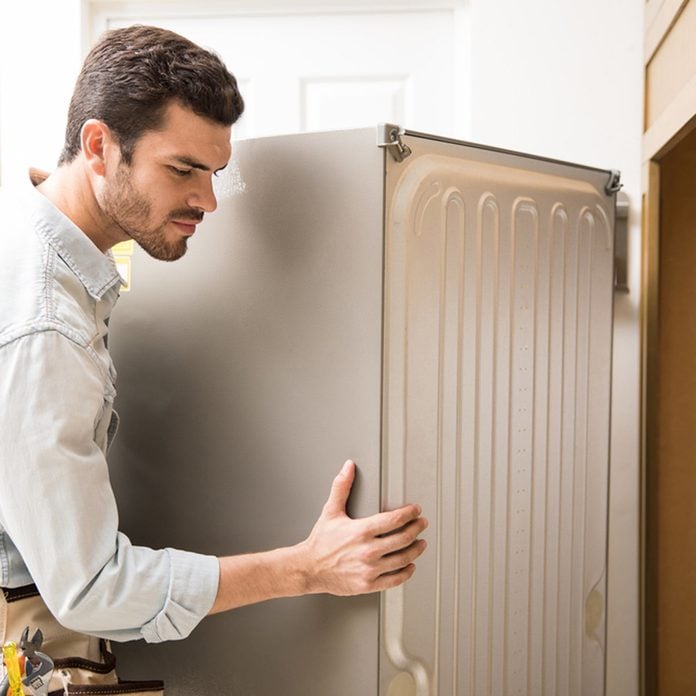
Credit: www.familyhandyman.com
Frequently Asked Questions
Is It Safe To Keep A Fridge In The Garage?
Yes, it’s generally safe to keep a fridge in the garage. However, temperature fluctuations can affect its efficiency. In extremely hot or cold climates, refrigerators may struggle to maintain the right temperature. Consider using a garage-ready model designed to handle such variations for optimal performance.
What Temperature Is Too Cold For A Garage Fridge?
Temperatures below 50°F can affect a fridge’s efficiency. In cold conditions, the compressor may not run enough, causing food to spoil. Consider using a fridge designed for garage use if your garage experiences such temperatures.
How Can I Improve My Garage Fridge Efficiency?
To improve efficiency, ensure your fridge is in a well-ventilated space. Keep it away from direct sunlight and other heat sources. Regularly clean the coils and ensure the door seals are tight. Consider using a garage kit for better performance in fluctuating temperatures.
Can A Garage Fridge Cause High Energy Bills?
Yes, a garage fridge can increase energy bills, especially in extreme temperatures. Fridges in hot garages work harder to maintain cool temperatures, consuming more energy. Consider using an energy-efficient model designed for garage conditions to minimize costs.
Conclusion
Keeping a refrigerator in a garage can work well in some cases. Check your garage’s temperature before placing the fridge. Extreme cold or heat can affect its performance. Make sure the fridge has good ventilation around it. Regularly clean and maintain the appliance to keep it running smoothly.
This setup saves space inside your home. Think about your needs and garage conditions carefully. A properly placed garage fridge can be very useful and efficient.