Have you ever wondered if you can leave a freezer outside in the winter? With the chill in the air and the snowflakes beginning to fall, you’re likely thinking about space and storage solutions.
It seems like a simple solution to place a freezer outside, but is it really that straightforward? Before you make a decision that could impact your food storage and even your wallet, it’s crucial to understand the potential risks and rewards.
We’ll explore what happens when you leave a freezer outside in cold weather, what you should consider, and how to make the best choice for your home. Keep reading, because the answer might surprise you and save you from unexpected costs!

Credit: www.searshomeservices.com
Freezer Types And Outdoor Use
Choosing the right freezer for outdoor use depends heavily on the type of freezer you have. Not all freezers handle cold winter temperatures well, and some models are better suited to outdoor conditions than others. Understanding the differences between freezer types can help you decide if your freezer will last outside through the winter months.
Chest Vs Upright Freezers
Chest freezers generally perform better outdoors during winter than upright models. Their thick insulation and lid design help maintain a stable temperature, even when it’s freezing outside. Plus, chest freezers don’t have the same door seal challenges that upright freezers face in cold weather.
Upright freezers can struggle because their door seals may become brittle and less effective in freezing temperatures. Cold air can seep in, causing frost build-up and making the compressor work harder. If you’ve ever noticed your upright freezer’s temperature fluctuating more in winter, this might be why.
- Chest freezers keep cold air trapped inside better.
- Upright freezers risk seal damage and frost buildup outdoors.
- Consider how often you’ll open the freezer; chest freezers lose less cold air when opened.
Freezers Designed For Outdoor Use
Some freezers are specifically made to handle outdoor conditions. These models feature enhanced insulation, weatherproof seals, and compressors designed to operate efficiently in cold climates. If you want peace of mind about leaving a freezer outside, look for models labeled as “outdoor” or “all-weather.”
Outdoor freezers often come with protective coatings against rust and moisture, which can be common problems in winter. I once used a standard indoor freezer outside, and after one winter, rust damaged the hinges and the compressor had trouble starting on cold mornings. That experience taught me the value of investing in freezers built for outdoor use.
- Check product details for outdoor or all-weather ratings.
- Look for sealed compressors and reinforced insulation.
- Protect your investment with a cover or shelter, even for outdoor-rated units.
Are you ready to choose a freezer that can handle your winter needs outside? The type of freezer and its design features matter more than you might expect.
Temperature Effects On Freezers
Freezers are designed to keep food frozen and fresh. Their performance depends on stable temperatures. Cold weather changes how freezers work and can cause problems if not managed well. Understanding how low temperatures affect freezers helps in making smart choices about where to place them.
Impact Of Cold On Compressor And Motor
The compressor and motor are key parts of a freezer. Very cold air can make the motor oil thick. Thick oil slows down the compressor’s movement. This can cause the motor to work harder and wear out faster.
Cold temperatures may also cause the compressor to start less often. This can lead to uneven cooling inside the freezer. Extreme cold can even stop the compressor from running properly. This increases the risk of freezer failure during winter.
Freezer Performance In Subzero Conditions
Freezers are built to work in certain temperature ranges. Subzero temperatures can confuse the thermostat inside the freezer. It may stop the compressor from running because the outside air is already cold.
When the compressor stops, the freezer may not keep food frozen at the right level. Temperature inside can rise above freezing, which is unsafe for stored food. Some freezers have special settings for cold environments, but most do not.
Placement And Protection Tips
Placing your freezer outside during winter requires careful thought to keep it functioning well. The right location and proper protection can prevent damage and save energy. Here are some tips to help you decide where to put your freezer and how to shield it from harsh weather.
Choosing The Right Location
Pick a spot that stays as dry as possible. Avoid areas where snow piles up or where water could collect and freeze around the freezer’s base.
Consider placing the freezer near a wall or under a covered porch. This can block wind and reduce exposure to extreme cold.
Think about accessibility too. You want to reach your freezer easily without trudging through deep snow or ice.
Weatherproofing And Insulation Methods
Adding a weatherproof cover can protect your freezer from rain, snow, and ice. Use a breathable tarp or a custom freezer cover designed for outdoor use.
Insulation helps keep the freezer running efficiently. Wrap the exterior with foam panels or insulated blankets, but avoid covering vents or the compressor area.
Sealing gaps around the freezer’s door with weatherstripping prevents cold air leaks. Have you checked your freezer’s seals recently? Keeping them tight can make a big difference in performance.
Maintenance For Outdoor Freezers
Proper maintenance keeps your outdoor freezer working well through cold months. It helps avoid costly repairs and preserves food quality. Regular care also extends the freezer’s life and prevents damage from harsh weather.
Regular Cleaning And Defrosting
Clean the freezer inside and outside often. Remove dust and dirt from vents to improve airflow. Wipe down shelves and walls with mild soap and water. Avoid harsh chemicals that can damage surfaces.
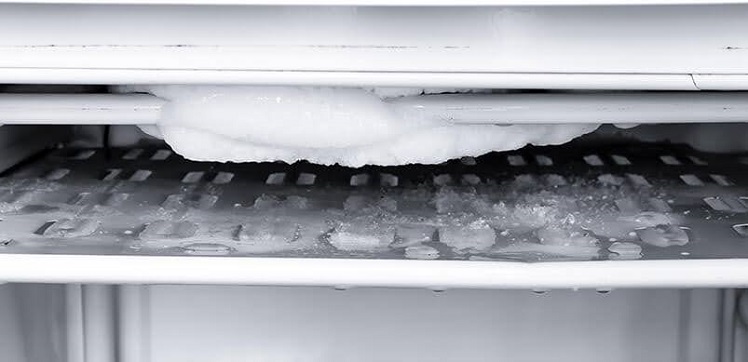
Defrost the freezer when ice builds up. Thick ice reduces cooling efficiency and wastes energy. Turn off the freezer, remove food, and let ice melt naturally. Dry the interior completely before restarting the unit.
Preventing Ice Build-up And Damage
Keep the freezer door closed tightly to stop moisture entry. Check door seals for cracks or gaps and replace if needed. Use a cover to protect the freezer from snow and rain.
Place the freezer on a raised platform. This prevents water damage from melting snow or rain. Clear snow and ice around the freezer regularly to maintain proper ventilation.
Energy Efficiency Considerations
Energy efficiency is key when placing a freezer outside during winter. Cold weather changes how much power the freezer uses. Understanding these changes helps save electricity and keeps the freezer working well. Small adjustments can cut energy waste and lower bills.
Power Consumption In Cold Weather
Freezers use less energy in cold outdoor temperatures. The cold air helps keep the inside temperature low. This means the compressor runs less often. But very low temperatures can cause the freezer to work harder. It may freeze the thermostat or oil in the compressor. This can increase energy use or cause damage.
Extreme cold may also trigger the freezer to run continuously. This happens if the freezer cannot maintain the right internal temperature. Knowing your freezer’s limits helps avoid high energy costs.
Optimizing Freezer Settings
Adjust settings to fit outdoor cold conditions. Set the temperature slightly higher than usual to avoid overcooling. This saves energy and prevents freezing issues inside the freezer. Check the manual for outdoor use instructions.
- Use a model designed for outdoor or garage use.
- Keep the freezer away from direct wind or snow.
- Insulate around the freezer to reduce heat loss.
- Regularly defrost to keep the freezer efficient.
Proper settings and placement improve energy efficiency. They protect the freezer and reduce electricity bills during winter months.

Credit: www.searshomeservices.com
Safety Precautions
Placing a freezer outside in winter requires careful attention to safety. Protecting the appliance and surroundings prevents hazards and damage. Taking the right precautions keeps everything running smoothly and safely during cold months.
Electrical Safety Outdoors
Use a properly grounded outdoor outlet to power the freezer. Avoid using extension cords, as they can cause overheating or short circuits. Keep electrical connections off the ground to prevent moisture contact. Cover plugs and outlets with weatherproof covers to block rain and snow. Regularly inspect cords and plugs for damage or wear. Unplug the freezer during storms or severe weather to reduce risks.
Avoiding Water Damage And Rust
Place the freezer on a raised platform to keep it off wet ground. Use a sturdy, waterproof cover designed for outdoor appliances. Avoid plastic sheets that trap moisture inside. Ensure good ventilation around the freezer to prevent condensation buildup. Clean and dry the freezer regularly to stop rust from forming. Check seals and hinges often to maintain a tight, moisture-free closure.
Credit: www.espares.co.uk
Frequently Asked Questions
Can A Freezer Withstand Cold Winter Temperatures Outside?
Most freezers can operate in cold weather, but extreme cold may affect performance. Check your model’s temperature range before placing it outside.
Should I Unplug The Freezer If Left Outside In Winter?
It’s best to keep the freezer plugged in to maintain consistent temperatures and prevent food spoilage during winter.
How To Protect An Outdoor Freezer From Winter Damage?
Use a weatherproof cover, place it on a raised platform, and avoid direct snow or ice contact to protect your freezer.
Will Leaving A Freezer Outside Increase Energy Consumption?
Freezers may use more energy in winter to maintain internal temperatures, especially if the ambient temperature drops below recommended levels.
Conclusion
Freezers can face problems outside in winter cold. Cold weather may cause damage to parts. Some freezers work better in cold, but most do not. Protect your freezer by placing it in a covered area. Check the manual for outdoor use advice.
Keep the freezer clean and dry to avoid issues. Regular checks help keep it working well. Think twice before leaving your freezer outside all winter. Taking simple steps can save money and frustration later.