
Have you ever wondered if you can leave a refrigerator outside? Maybe you’re thinking about extra storage for drinks during a party or need a place to keep food cold in your garage or patio.
But before you just plug it in and walk away, there are important things you need to know. Leaving a fridge outside isn’t as simple as it sounds—it can affect how well it works and how long it lasts. Keep reading to discover what really happens when a refrigerator faces the outdoors and how you can protect your appliance from damage.
Your fridge’s health depends on it.

Credit: www.searshomeservices.com
Outdoor Use Of Refrigerators
Placing a refrigerator outdoors can be useful for extra storage during events or in outdoor kitchens. Not all refrigerators work well outside. Some are made to handle weather and temperature changes. Understanding which types suit outdoor use helps keep food safe and appliances lasting longer.
Types Suitable For Outdoors
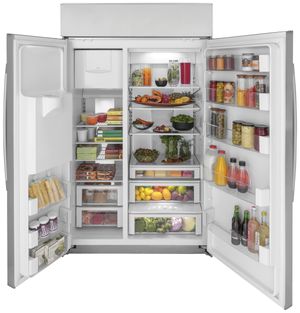
Outdoor refrigerators have special features. They often have sealed components to stop moisture damage. Look for models labeled as “outdoor” or “weather-resistant.” These fridges use materials that resist rust and corrosion. Portable mini-fridges also work well outside but check their specifications first.
Weather Considerations
Sun, rain, and cold affect refrigerators outside. Direct sunlight can raise internal temperatures and make the fridge work harder. Rain and humidity may cause rust or electrical issues if the fridge is not sealed properly. In cold weather, some refrigerators may stop cooling or freeze inside. Using a covered area or shelter can protect the appliance from harsh weather.
Power Supply Needs
Outdoor refrigerators need a reliable power source. Use weatherproof outlets to prevent electric hazards. Extension cords should be rated for outdoor use and kept dry. Consider energy-efficient models to save electricity. Solar-powered fridges are an option but need proper setup and sunlight.
Credit: www.eastcoastappliance.com
Potential Risks
Placing a refrigerator outside carries several risks. These dangers can lead to costly repairs or early appliance failure. Understanding these risks helps protect your investment and ensures safety.
Damage From Weather Elements
Rain, snow, and humidity can harm a refrigerator’s exterior and interior parts. Water can cause rust on metal surfaces and damage electrical components. Extreme heat or cold can affect the refrigerator’s materials, causing cracks or warping. Sunlight exposure may fade colors and weaken plastic parts. These weather elements reduce the appliance’s durability over time.
Electrical Hazards
Outdoor conditions increase the chance of electrical problems. Moisture can enter the electrical system, causing short circuits or shocks. Power outlets outside often lack proper protection against water. These hazards pose a risk to users and can lead to fires. Using a refrigerator outdoors requires careful attention to electrical safety.
Impact On Efficiency And Lifespan
Outdoor placement affects how well a refrigerator works. Temperature changes force the compressor to work harder, raising energy use. Dirt and debris can clog vents and coils, reducing cooling efficiency. Frequent power surges outside can damage internal parts. These factors shorten the refrigerator’s lifespan and increase maintenance needs.
Preparation Tips For Outdoor Placement
Place the refrigerator on a flat, dry surface away from direct sunlight and rain. Cover it with a waterproof tarp to protect from moisture and dirt. Ensure good ventilation around the unit to prevent overheating and damage.
Placing a refrigerator outside can be a convenient solution, but it requires careful preparation to ensure efficiency and longevity. Whether you’re outfitting your outdoor kitchen or simply need extra cold storage, proper setup is key. Here are some essential preparation tips to consider for outdoor placement of your refrigerator.Proper Shelter And Ventilation
When placing a refrigerator outside, providing adequate shelter is crucial. Consider using a sturdy canopy or a covered patio to shield it from direct sunlight and rain. This not only protects the appliance but also prevents it from working overtime due to temperature fluctuations. Ventilation is equally important. Ensure there’s enough space around the fridge for air circulation. A lack of ventilation can lead to overheating, causing the appliance to fail prematurely. Aim for at least a few inches of space on all sides.Stable Grounding And Positioning
Ensure your refrigerator is placed on stable ground to prevent it from tipping or moving. Uneven surfaces can cause the fridge to operate inefficiently. A flat concrete pad or a sturdy wooden platform can provide the stability needed. Positioning is also key. Avoid placing the refrigerator in direct sunlight or near heat sources like grills. Excessive heat can cause the fridge to use more energy, raising your electricity bills.Weatherproofing Techniques
Weatherproofing your refrigerator can extend its lifespan significantly. Use weather-resistant covers to protect it from rain and snow. These covers should fit snugly but allow for proper ventilation. Consider using waterproof sealants around any exposed electrical components. This will help prevent moisture damage, which can lead to electrical failures. Remember, a little preparation can go a long way in keeping your appliance running smoothly outside.Maintenance For Outdoor Refrigerators
Outdoor refrigerators need special care to keep them working well. Dirt, weather, and rust can harm them over time. Proper maintenance helps your fridge stay clean and safe. It also extends its life. Here are some simple steps to care for your outdoor refrigerator.
Regular Cleaning
Clean the fridge surface often to remove dirt and dust. Use a soft cloth and mild soap with water. Avoid harsh chemicals that can damage the finish. Clean the interior regularly to prevent bad smells. Remove old food and wipe shelves with a damp cloth. Keep door seals clean to ensure a tight close.
Inspection For Rust And Damage
Check the fridge for signs of rust or damage every month. Look closely at corners, hinges, and door edges. Small rust spots can grow quickly if ignored. Use a rust remover and paint to fix minor rust. Replace parts if you find cracks or broken seals. Early repair prevents bigger problems and keeps the fridge working well.
Seasonal Care
Prepare your refrigerator for different weather changes. In winter, turn off and unplug it if temperatures drop below freezing. Remove all food and dry the inside to stop mold. Cover the fridge with a waterproof cover to protect it from rain and snow. In summer, keep the fridge away from direct sunlight to save energy. Regular checks before each season help maintain its condition.
Alternatives To Leaving Refrigerators Outside
Leaving a refrigerator outside can cause damage and reduce its lifespan. Finding alternatives protects your appliance and keeps your food safe. Several options offer cool storage without the risks of outdoor exposure.
Portable Coolers
Portable coolers are easy to carry and use anywhere. They keep food and drinks cold for hours. Many models use ice packs or batteries for cooling. Portable coolers are lightweight and fit in cars or picnic spots. They are ideal for short trips or temporary needs.
Outdoor-specific Appliances
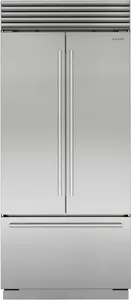
Some refrigerators are designed for outdoor use. These appliances resist weather, moisture, and temperature changes. They have stronger insulation and sealed doors. Outdoor fridges come in various sizes and styles. Using one avoids damage from rain, sun, and dirt.
Temporary Storage Solutions
Temporary storage options help during events or moves. You can rent refrigerated storage units or coolers. These units maintain safe temperatures for food and drinks. They provide flexibility without long-term appliance risks. Temporary storage is practical for short-term needs outside the home.
Credit: www.donsappliances.com
Frequently Asked Questions
Can A Refrigerator Be Left Outside Safely?
Leaving a refrigerator outside is generally not recommended. Outdoor exposure can cause damage from weather, moisture, and temperature changes. If needed, use a weatherproof cover and ensure it stays dry to prolong its life.
What Happens If A Refrigerator Is Exposed To Rain?
Rain can cause electrical damage, rust, and mold inside the fridge. Moisture affects insulation and mechanical parts, reducing efficiency and lifespan. Protect outdoor refrigerators from rain to avoid costly repairs.
How Does Outdoor Temperature Affect Refrigerators?
Extreme temperatures affect cooling performance and energy use. Cold weather can freeze refrigerant lines, while heat makes the compressor work harder. Avoid placing refrigerators in direct sunlight or freezing conditions.
Can Outdoor Refrigerators Increase Energy Consumption?
Yes, outdoor refrigerators often consume more energy. They face temperature fluctuations and must work harder to maintain coolness. This leads to higher electricity bills and more wear on the appliance.
Conclusion
Leaving a refrigerator outside can cause many problems. Rain, sun, and cold can damage its parts. It may stop working or use more electricity. Place it in a dry, shaded area if you must. Keep it clean and check it often.
Protect your fridge to make it last longer. Think carefully before leaving it outdoors. Your fridge works best inside a home or garage. Take care of it well for better use.