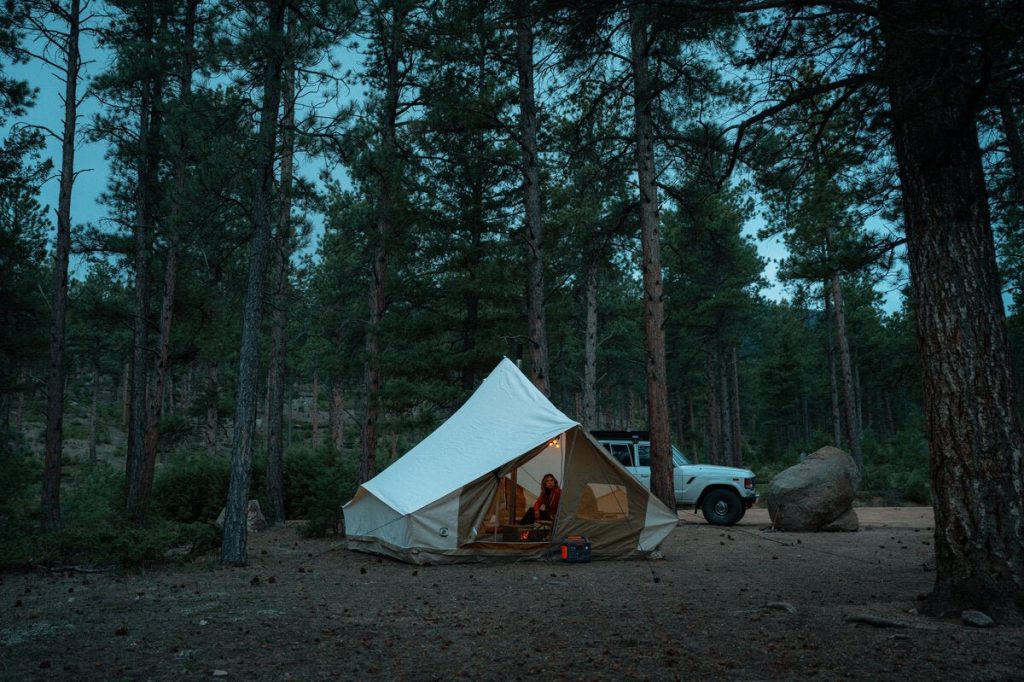
Have you ever wondered if you can just set up a tent and live on your own land? It sounds simple, right?
But before you grab your gear and start pitching, there are important things you need to know. Rules, comfort, and safety all come into play. This article will guide you through what’s possible, what’s allowed, and how to make living in a tent on your land a reality—or not.
Keep reading to find out if your dream of living close to nature can actually happen.
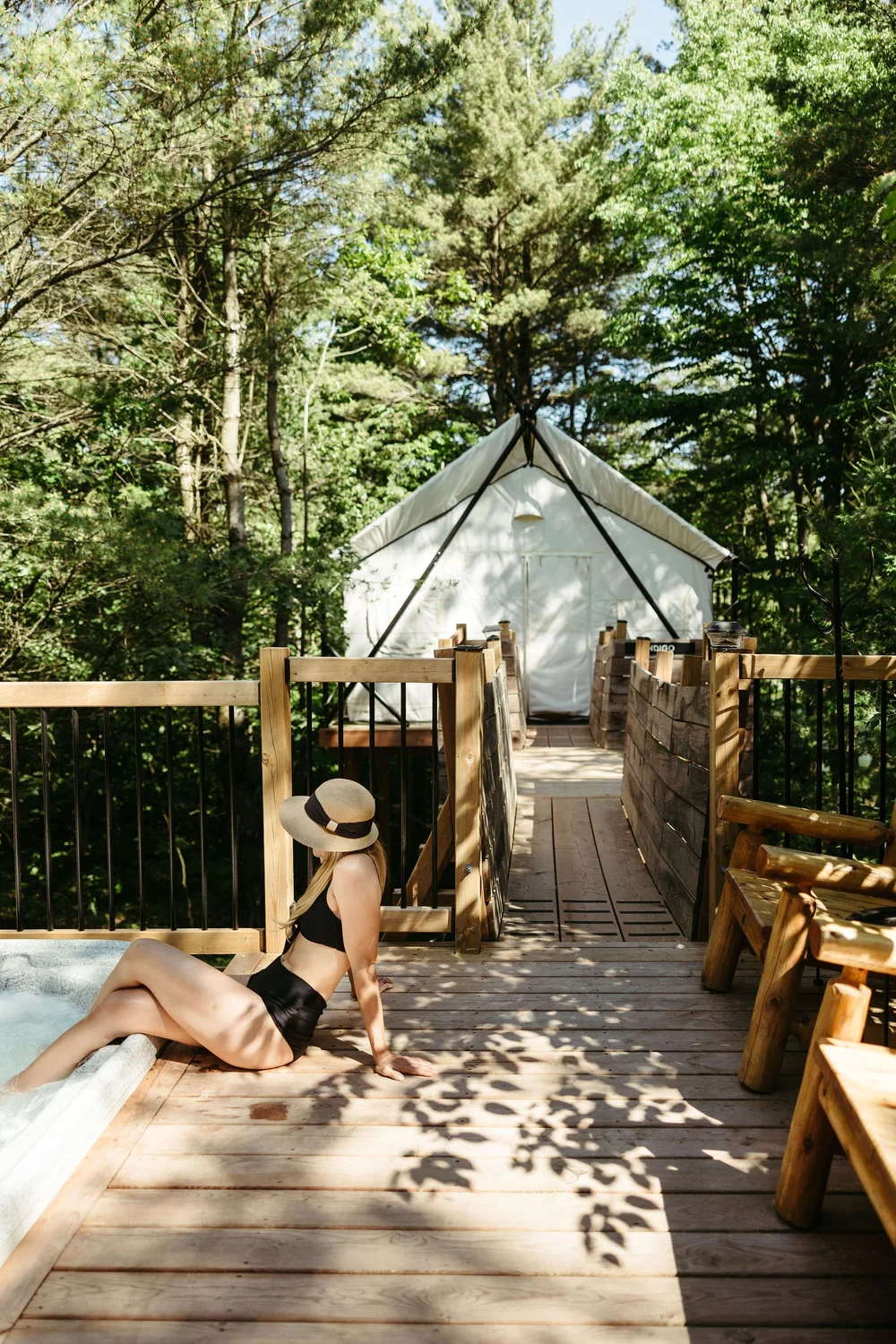
Credit: www.whisperingsprings.ca
Living In A Tent On Private Land
Living in a tent on your own land can offer freedom and simplicity. It can be a way to connect with nature and save money on housing.
Before setting up a tent, it is important to understand the rules that apply to your land. These rules control how you can use your property.
Zoning Laws And Land Use
Zoning laws decide what types of buildings and activities are allowed on your land. Some areas only allow permanent homes, not tents or temporary shelters.
- Zoning districts include residential, commercial, and agricultural zones.
- Check if your land is zoned for temporary living structures.
- Some zones require permits for long-term tent living.
- Violating zoning laws can lead to fines or forced removal.
Local Ordinances To Consider
Local ordinances are rules made by cities or counties. These rules can limit camping on private land, even if you own it.
| Ordinance | Effect on Tent Living |
| Camping Duration Limit | May restrict how long you can stay in a tent. |
| Health and Safety Codes | Require sanitation and waste disposal. |
| Fire Safety Rules | May ban open flames near tents. |
| Noise Restrictions | Limit loud activities around tents. |
Building Codes Impact
Building codes apply to permanent structures. Tents often do not meet these codes. Still, some codes can affect tent living.
Here are some common building code concerns:
- Electrical wiring inside tents usually is not allowed.
- Proper ventilation and fire resistance may be required.
- Temporary structures might need inspections in some areas.
- Codes may require a minimum size or foundation for dwellings.
Permits And Approvals
Living in a tent on your own land may require permits. These permits ensure safety and follow local laws. Always check with local authorities before setting up your tent.
Getting the right approvals helps avoid legal trouble. You must understand the types of permits, how to apply, and what happens if you skip them.
Types Of Required Permits
Different areas have different rules. Some permits you may need include:
- Camping or temporary dwelling permits
- Building permits for structures like decks or platforms
- Health and sanitation permits
- Land use or zoning permits
How To Apply For Permits
Applying for permits usually follows these steps. They keep the process clear and legal.
- Contact your local building or zoning office.
- Fill out the permit application forms.
- Submit any required plans or documents.
- Pay the application fees.
- Wait for inspection and approval before setting up your tent.
Consequences Of Skipping Permits
Not getting permits can cause many problems. Here is a table showing possible consequences:
| Issue | Description |
|---|---|
| Fines | You may have to pay large penalties for illegal camping. |
| Forced Removal | Authorities can make you take down your tent immediately. |
| Legal Action | You risk getting sued or criminal charges. |
| Safety Risks | Skipping permits may mean ignoring safety rules. |
| Property Value | Your land value could drop due to illegal use. |
Health And Safety Regulations
Living in a tent on your own land requires following health and safety rules. These rules help keep you safe and healthy.
There are important guidelines about sanitation, fire safety, and waste disposal. These rules protect you and the environment.
Sanitation Requirements
You must have clean water for drinking and washing. Proper toilets or portable toilets are needed to avoid health problems.
Handwashing stations help reduce germs. Keep your tent area clean to prevent bugs and diseases.
- Use a safe water source for drinking and cleaning
- Install a toilet or use a portable toilet
- Provide soap and water for handwashing
- Keep your living area clean and dry
Fire Safety Rules
Keep fire sources away from your tent. Use safe cooking tools and never leave fires unattended.
Have a fire extinguisher or water nearby. Clear dry leaves or wood around the tent to stop fire spread.
- Keep fires at least 10 feet from your tent
- Use a small camp stove or fire pit safely
- Have a fire extinguisher or bucket of water ready
- Clear dry plants and leaves near your tent
- Never leave fires alone or burn trash
Waste Disposal Guidelines
Dispose of trash properly to avoid pollution and pests. Use sealed containers to store garbage until you can remove it.
Human waste must be handled carefully. Use approved methods like portable toilets or digging small holes far from water sources.
- Store garbage in sealed bins or bags
- Remove trash regularly from your land
- Use portable toilets or approved waste systems
- Dig waste holes at least 200 feet from water
- Cover waste holes after use to avoid animals
Property Rights And Restrictions
Living in a tent on your own land depends on your property rights. Laws and rules can limit what you do with your land. It is important to know these before setting up a tent.
Some rules come from local laws, others from agreements you made when buying the land. These rules protect everyone’s rights and keep neighborhoods safe.
Easements And Covenants
Easements give others the right to use part of your land. Covenants are rules about what you can and cannot do on your property. Both can limit living in a tent.
- Easements may allow neighbors or companies to access your land.
- Covenants can ban temporary structures like tents.
- Check your land deed for any easements or covenants.
- Violating these can lead to legal trouble or fines.
Homeowners Association Rules
Many neighborhoods have Homeowners Associations (HOAs). These groups make rules that all owners must follow. They often restrict tents or camping on the property.
| Rule Type | Possible Restrictions |
| Temporary Structures | No tents or trailers allowed |
| Use of Land | No camping or overnight stays outside homes |
| Appearance | Must keep property tidy and neat |
| Permits | May require approval before adding structures |
Lease Vs. Ownership Differences
Owning land gives you more control but still has limits. Leasing land means the owner sets the rules. You must follow lease terms about tents and living arrangements.
- Owners can check local laws and covenants before living in a tent.
- Leasers must follow the lease contract strictly.
- Both should get permission if unsure about tent living.
- Violations can cause eviction or legal action.
Environmental Considerations
Living in a tent on your own land requires thinking about the environment. You must protect nature around you. This helps keep your land healthy and safe.
Understanding rules and how to camp in a green way is important. This guide covers key points to help you live responsibly.
Protected Areas And Restrictions
Some lands have special protections by law. These areas may limit camping or building tents. Check local rules before setting up your tent. Breaking rules can harm nature and cause fines.
Restrictions can include:
- No camping zones
- Limits on campfire use
- Rules on waste disposal
- Restrictions on water use
Impact On Local Wildlife
Wild animals live near your land. Your tent can change their space. Noise and trash can scare animals away. It can also attract them in unsafe ways.
| Wildlife Impact | How to Reduce |
| Noise disturbance | Keep noise low, especially at night |
| Trash and food scraps | Store food in sealed containers |
| Habitat damage | Use existing clearings, avoid new paths |
| Light pollution | Use minimal lighting, shield lights |
Sustainable Camping Practices
Good camping keeps your land safe and clean. Use simple steps to reduce waste and protect soil and plants.
- Use biodegradable soaps and cleaners
- Carry out all trash and recycle when possible
- Camp on durable surfaces like grass or dirt
- Use a camp stove instead of open fires
- Collect rainwater for use instead of local streams
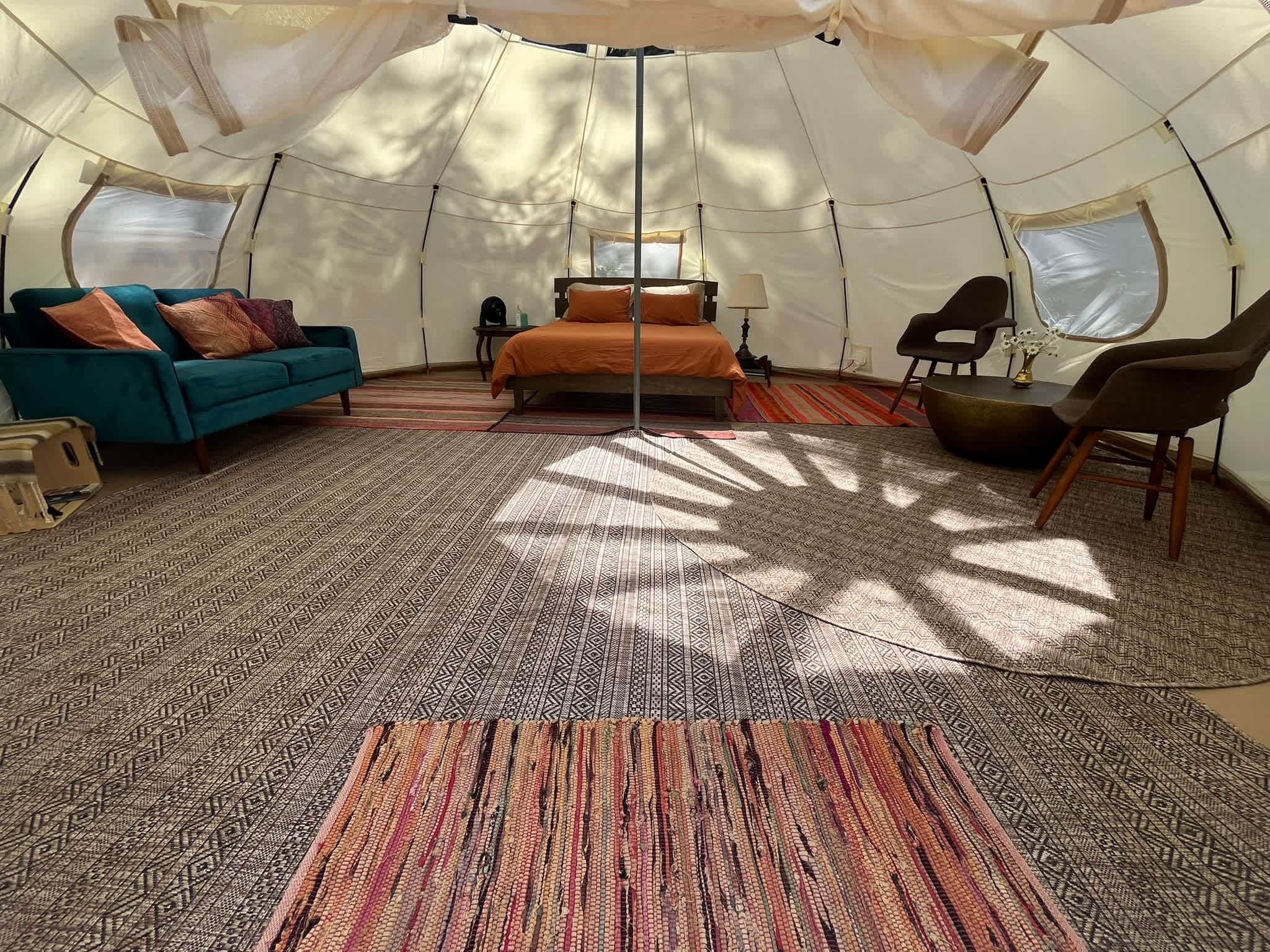
Credit: www.hipcamp.com
Insurance And Liability
Living in a tent on your own land raises questions about insurance and liability. It is important to understand how your coverage works.
Knowing your risks helps you protect yourself and your property. Insurance plays a key role in this protection.
Homeowner’s Insurance Coverage
Most homeowner’s insurance policies do not cover tents as permanent homes. They usually cover the main house and structures.
If you live in a tent, your policy might not pay for damage or loss inside the tent. Check your policy details carefully.
- Standard policies exclude tents as dwellings
- Temporary structures may have limited coverage
- Special riders might add some protection
Liability For Injuries
You can be responsible if someone gets hurt on your land, even if you live in a tent. Liability coverage can help protect you.
Make sure your insurance covers injuries that happen on your property. This can reduce your financial risk from lawsuits.
- Liability covers medical costs of injured guests
- It also covers legal fees if you are sued
- Living in a tent does not remove your liability
Protecting Your Property
Protect your tent and belongings from theft or damage. Insurance for tents is rare, so take extra safety steps.
Use locks, alarms, and secure your campsite well. Keep records of your property to help with insurance claims if needed.
- Install secure locks and safety devices
- Keep valuables off the ground and dry
- Document your tent and items with photos
Tips For Successful Tent Living
Living in a tent on your own land can be a simple and rewarding experience. It lets you enjoy nature and save money.
To have a good experience, you need to plan well. These tips will help you live comfortably and safely.
Choosing The Right Location
Pick a flat area with good drainage. Avoid low spots where water collects after rain.
Look for a spot with some natural shade and wind protection. Trees or bushes can help shield your tent.
- Check the ground for rocks and roots before setting up
- Stay away from animal trails and insect nests
- Make sure the location is safe from flooding
Seasonal Preparations
Prepare your tent for different weather seasons. Use a rainfly for wet weather and extra insulation for cold times.
Keep supplies like warm clothes, waterproof gear, and a good sleeping bag ready. Check weather forecasts often.
- Seal all openings to keep out rain and cold air
- Ventilate the tent to avoid moisture buildup
- Store food safely to avoid attracting wildlife
Maintaining Privacy And Security
Use natural barriers like shrubs or fences to create privacy around your tent. This helps you feel safe and secure.
Keep valuable items out of sight and lock them if possible. Be aware of your surroundings and neighbors.
- Set up your tent where it is not easily seen from roads
- Use a camping lock or secure storage box for valuables
- Have a plan for emergencies and keep a phone nearby

Credit: ikamper.com
Frequently Asked Questions
Can I Legally Live In A Tent On My Own Land?
Living in a tent on your land depends on local zoning laws. Some areas allow temporary camping, while others require permits. Always check with your city or county regulations before setting up a tent for long-term living.
What Permits Are Needed To Live In A Tent?
Permit requirements vary by location. You may need a temporary use permit or a special exception for long-term tent living. Contact your local planning department to learn about specific permits and legal restrictions.
How Long Can I Stay In A Tent On My Property?
The allowable duration varies by jurisdiction. Some places permit short-term stays, like a few weeks, while others restrict tent living altogether. Verify local laws to understand how long you can legally reside in a tent on your land.
Are There Health And Safety Rules For Tent Living?
Yes, health and safety codes often apply. This includes sanitation, waste disposal, and fire safety regulations. Ensuring compliance helps protect your well-being and avoids legal issues with tent habitation.
Conclusion
Living in a tent on your own land can be rewarding. It offers freedom and a connection to nature. But, check local laws first. Some places have strict rules about this. Comfort is key. So, invest in good camping gear.
Consider safety too. Wildlife and weather can be unpredictable. Plan well and enjoy the adventure. This lifestyle may not suit everyone. But for some, it’s perfect. Embrace the simple life. Find peace in the great outdoors. It’s a unique way to live.