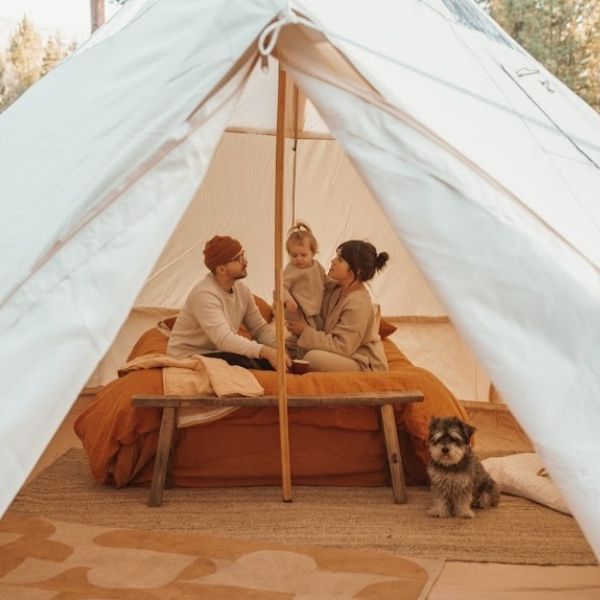
Have you ever wondered if you can really live in a tent? Imagine waking up surrounded by nature, feeling the fresh air on your skin, and having everything you need in a simple, small space.
It sounds freeing, but is it practical? You might be surprised by what living in a tent involves—the challenges, the benefits, and the unexpected joys. Keep reading to discover if this lifestyle could be the change you’ve been looking for.
Benefits Of Tent Living
Living in a tent offers a simple and close-to-nature lifestyle. It can save money and bring a sense of freedom.
Tent living lets you enjoy fresh air and outdoor views every day. It suits people who like adventure and minimalism.
Cost Savings
Tents are much cheaper than houses or apartments. You save on rent, utilities, and maintenance costs.
With fewer bills, you can use your money for other needs or save it for the future.
Closer To Nature
Living in a tent puts you near trees, fresh air, and wildlife. This helps you feel calm and relaxed.
You can hear birds singing and see stars at night. This connection improves your mood and health.
Simplicity And Minimalism
Tent living encourages you to own fewer things. This reduces clutter and makes life easier.
You focus on what really matters and learn to live with less stuff.
Flexibility And Mobility
You can move your tent to new places quickly. This lets you explore different areas and change your view.
It gives freedom to travel without leaving home behind.
Improved Outdoor Skills
Living in a tent helps you learn useful skills like setting up shelter and cooking outside.
These skills build confidence and self-reliance in many situations.
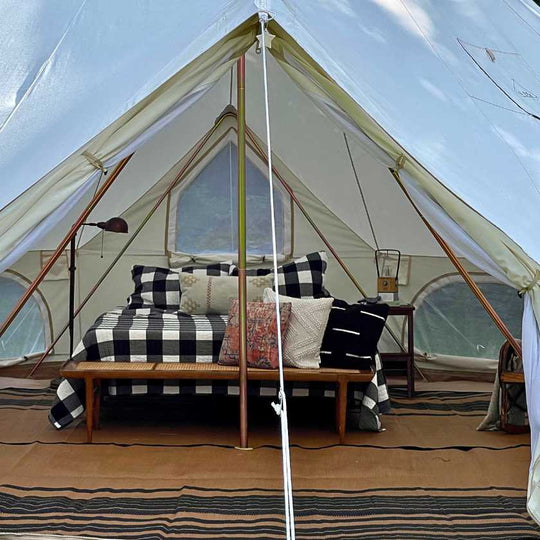
Credit: www.lifeintents.com
Choosing The Right Tent
Living in a tent requires careful choice to stay safe and comfortable. Picking the right tent depends on your needs and environment.
This guide will cover key points to help you select a tent that fits your lifestyle and conditions.
Size And Space Considerations
Think about how many people will sleep in the tent. Also, consider room for gear and moving around inside.
- Choose a tent with enough sleeping space for all occupants
- Look for extra room to store belongings safely inside
- Check tent height for comfort when sitting or standing
- Consider tents with multiple rooms for privacy
Weather Resistance
Your tent should protect you from rain, wind, and cold. A strong tent keeps you dry and warm no matter the weather.
| Weather Type | Tent Feature | Why It Matters |
|---|---|---|
| Rain | Waterproof fly and sealed seams | Keeps water out and prevents leaks |
| Wind | Sturdy frame and strong stakes | Stops tent from collapsing or moving |
| Cold | Good insulation and ventilation | Maintains warmth and reduces condensation |
Portability And Weight
Think about how you will carry your tent. If you move often, a light and compact tent works best.
- Weight of the packed tent
- Size when packed
- Ease of setup and takedown
- Durability of carrying bag and straps
Essential Gear For Comfort
Living in a tent can be simple if you have the right gear. Comfort makes a big difference in your daily life.
This guide covers basic equipment for sleeping, cooking, and lighting. These items help you stay cozy and safe.
Sleeping Equipment
A good sleep setup keeps you warm and rested. Choose gear that protects you from cold and moisture.
Essentials include a sleeping bag, sleeping pad, and pillow. These items improve your sleep quality.
- Insulated sleeping bag for cold nights
- Sleeping pad for cushioning and warmth
- Compact pillow for neck support
- Extra blankets for added warmth
Cooking Essentials
Cooking in a tent needs simple tools. Pick gear that is easy to carry and use outdoors.
Basic items include a portable stove, cookware, and utensils. Keep food fresh and safe to eat.
- Small portable stove or camping burner
- Lightweight pots and pans
- Reusable plates and utensils
- Cooler or food storage containers
- Water container for cooking and cleaning
Lighting Options
Good lighting helps you see and stay safe at night. Choose lights that are bright and energy-saving.
Common options include lanterns, headlamps, and string lights. Battery life is important for long use.
- Battery-powered lanterns for area lighting
- Headlamps for hands-free light
- LED string lights for ambiance
- Extra batteries or rechargeable options
Sustainable Practices
Living in a tent means being close to nature. It is important to protect the environment around you. Using sustainable practices helps keep nature safe and clean.
These practices include reducing waste, choosing eco-friendly products, and following rules that leave no trace behind. They make tent living kinder to the planet.
Minimizing Waste
Waste can harm the environment if not handled well. When living in a tent, try to reduce the trash you create. Use reusable items instead of single-use ones. Carry a small trash bag to collect any rubbish you make. Dispose of it properly when you leave.
- Use refillable water bottles
- Bring reusable food containers
- Carry cloth bags for shopping
- Recycle materials if possible
- Compost food scraps when safe
Eco-friendly Products
Choose products that have little impact on nature. Look for items made from natural or recycled materials. Avoid plastics and chemicals that can pollute soil and water. Eco-friendly products help keep the area around your tent healthy.
| Product Type | Eco-Friendly Option |
| Soap | Biodegradable soap |
| Cooking Fuel | Reusable charcoal or wood |
| Utensils | Bamboo or metal |
| Lighting | Solar lanterns |
| Sleeping Gear | Organic cotton sleeping bags |
Leave No Trace Principles
Leave No Trace means leaving nature as you found it. Do not damage plants or disturb animals. Stay on marked paths to protect the land. Pack out all your trash, and avoid making fires in unsafe spots.
Seven Leave No Trace Principles
- Plan ahead and prepare
- Travel and camp on durable surfaces
- Dispose of waste properly
- Leave what you find
- Minimize campfire impacts
- Respect wildlife
- Be considerate of other visitors
Health And Safety Tips
Living in a tent can be an exciting experience. It is important to stay safe and healthy while doing so. This guide shares simple tips to help you stay protected.
Following good habits and being prepared can keep you safe from common dangers. Pay attention to your environment and your needs.
Weather Preparedness
Check the weather forecast before setting up your tent. Choose a spot that is safe from flooding and strong winds. Use a waterproof tent and secure it well.
Dress in layers to stay warm or cool. Keep dry clothes and rain gear ready. Avoid camping in extreme weather conditions.
- Pick a high, flat camping site
- Use a rainfly to keep dry
- Secure tent stakes firmly
- Have extra blankets or cooling items
Wildlife Awareness
Wild animals may come near your tent looking for food. Store food in sealed containers away from your sleeping area. Avoid leaving trash around your tent.
Make noise when walking to avoid surprising animals. Keep a safe distance if you see any wildlife. Know which animals live in the area and how to react.
- Use bear-proof containers if needed
- Keep food and trash outside the tent
- Do not feed wild animals
- Carry a whistle or noise maker
First Aid Basics
Always carry a first aid kit in your tent. Learn basic skills like cleaning wounds and treating insect bites. Know how to handle minor burns and sprains.
Keep emergency contacts written down. Stay calm and seek help if injuries get worse. Good first aid can prevent infections and serious problems.
- Pack bandages, antiseptic wipes, and pain relievers
- Include tweezers for splinters or ticks
- Know how to use the items in your kit
- Keep the kit in an easy-to-reach place

Credit: www.reddit.com
Legal And Practical Considerations
Living in a tent can be a simple way to stay outdoors. Many people wonder if this is allowed and how to do it safely. There are rules and practical points to think about before deciding.
This guide covers important legal rules and useful tips to help you live in a tent comfortably and safely.
Camping Regulations
Different places have different laws about camping in tents. Some areas allow camping only in special campsites. Others may ban camping on public land. Always check local rules before setting up your tent.
Ignoring rules can lead to fines or being asked to leave. Some common regulations include:
- Time limits for how long you can camp in one spot
- Restrictions on open fires or cooking
- Rules about waste disposal and sanitation
- Permits needed for camping in certain areas
Location Selection
Choosing the right place to pitch your tent is very important. Look for safe areas with flat ground and good drainage. Avoid places near cliffs, rivers that can flood, or areas with heavy wildlife.
Think about access to water, shade, and shelter from wind. Also, check if the land is private or public and get permission if needed.
- Flat, dry land is best for comfort and safety
- Stay away from flood zones and animal trails
- Find a spot near fresh water if possible
- Respect local property and ask for permission
Long-term Viability
Living in a tent for a long time needs careful planning. Tents can be uncomfortable in bad weather. You will need ways to stay clean, safe, and warm.
Think about how to store food, manage waste, and protect your belongings. You may also want to have a plan for emergencies.
- Use waterproof and insulated tents for bad weather
- Keep food in sealed containers to avoid animals
- Bring portable toilets or know where to go
- Have a plan for medical help if needed
Community And Social Aspects
Living in a tent is not just about the shelter. It also involves being part of a community. People share ideas, help each other, and create bonds.
Social connections make tent living safer and more enjoyable. Here we explore key social aspects of this lifestyle.
Building Connections
Meeting neighbors and making friends helps to build trust. Social ties offer emotional support and practical help. Group activities often bring people closer.
- Attend community gatherings or meetings
- Help others with daily tasks
- Share stories and experiences
- Respect others’ privacy and space
Sharing Resources
Sharing resources reduces costs and waste. It also strengthens community bonds. People often share tools, food, and knowledge.
| Resource | Common Use |
| Cooking Equipment | Prepare meals together |
| Water Supply | Collect and store for all |
| Firewood | Share for warmth and cooking |
| Tools | Fix tents and gear |
Respectful Coexistence
Respect keeps the community peaceful. It means listening and following shared rules. Everyone must care for the environment and each other.
- Keep noise low, especially at night
- Dispose of waste properly
- Ask before borrowing items
- Support neighbors in need

Credit: www.lifeintents.com
Frequently Asked Questions
Can You Legally Live In A Tent Long-term?
Legal rules vary by location. Many cities restrict long-term tent living. Always check local laws before living in a tent.
What Are The Basics For Living In A Tent?
You need shelter, food, water, and warmth. Choose a durable tent and plan for weather changes. Proper gear is crucial for comfort and safety.
Is Living In A Tent Safe For Families?
Safety depends on location and preparation. Choose secure, clean areas with access to resources. Always have emergency plans and maintain hygiene.
How Do You Manage Hygiene While Living In A Tent?
Use portable toilets, hand sanitizers, and nearby facilities. Maintain cleanliness to prevent illness. Regularly dispose of waste properly and keep your tent clean.
Conclusion
Living in a tent can be simple or hard, depending on your needs. It offers freedom but needs careful planning. Weather, safety, and comfort matter most for daily life. Many enjoy nature and low costs with tent living. Others miss home comforts and space.
Choosing this lifestyle means knowing its challenges and rewards. Consider your goals and prepare well before deciding. Tent life is not for everyone, but it can suit some. Think carefully and choose what fits you best.