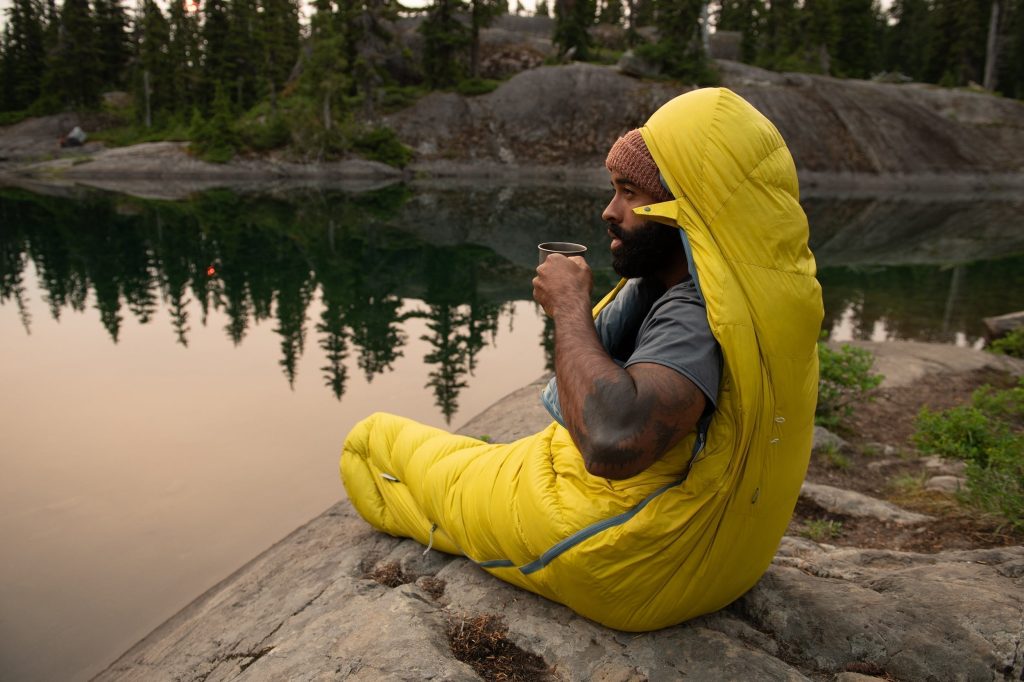
You’re getting ready for your next adventure, and your trusty sleeping bag has seen better days. Maybe it’s a bit grimy, or perhaps it smells like last summer’s camping trip.
You might be wondering if you can simply toss it in the washing machine for a quick refresh. After all, machine washing is convenient and saves time. But before you do, there are crucial things you need to know to avoid damaging your sleeping bag.
We’ll dive into the dos and don’ts of cleaning your sleeping bag, ensuring it stays in top condition for many more adventures. Keep reading to discover the best practices that will keep your gear fresh and ready for your next outdoor escape.
Machine Washing Basics
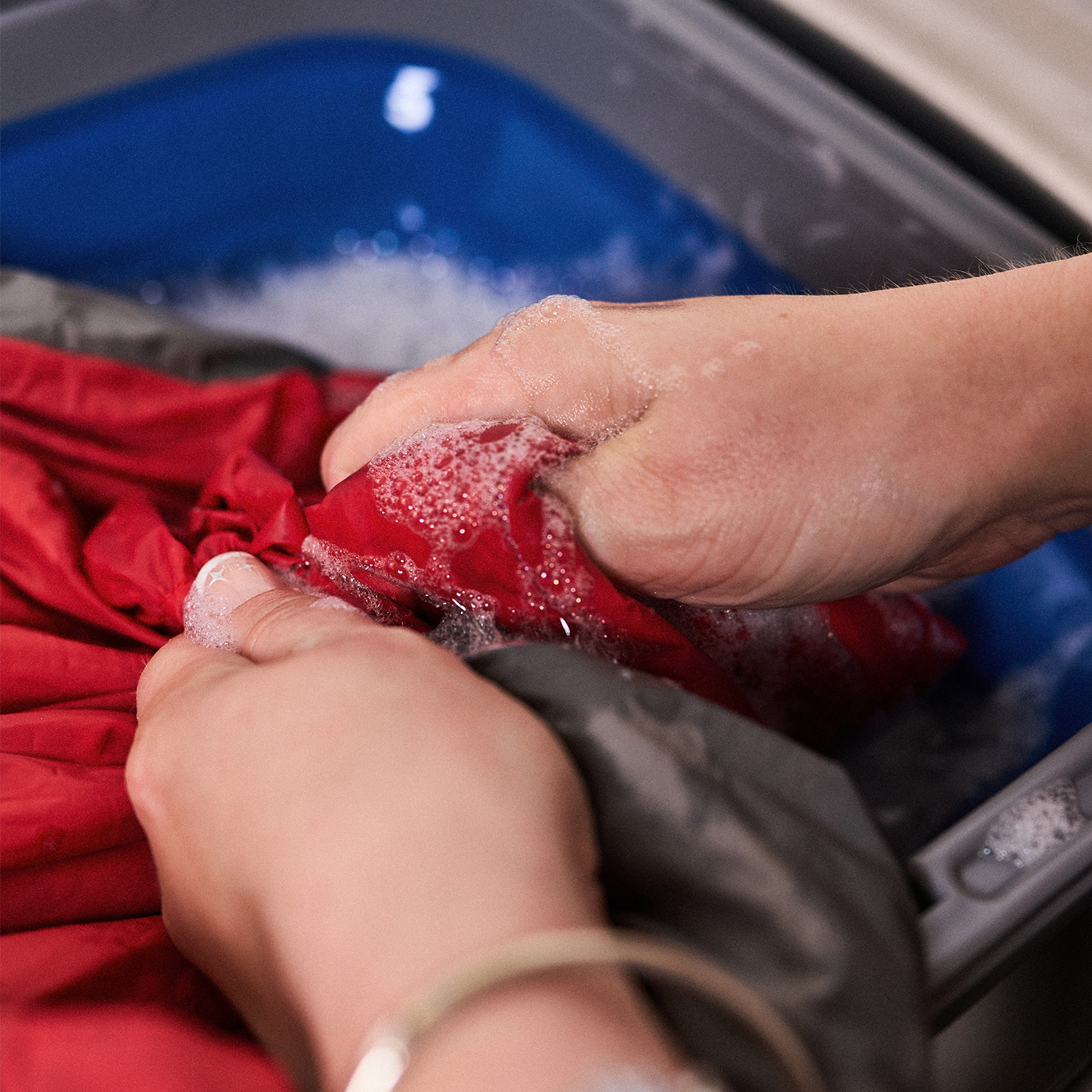
Washing a sleeping bag in a machine can save time and effort. It needs care to avoid damage.
Understanding washing machine use helps keep your sleeping bag clean and safe.
Choosing The Right Washing Machine
Use a front-loading washing machine if possible. It is gentler on your sleeping bag.
A large-capacity machine helps the bag move freely. This avoids clumps and damage.
- Front-loaders reduce stress on fabric
- Large machines prevent tight packing
- Top-loaders with agitators may harm the bag
Selecting Suitable Detergents
Choose a mild detergent made for delicate fabrics. Avoid regular laundry soaps.
Do not use bleach or fabric softeners. They can weaken the sleeping bag’s material.
- Mild detergent protects fabric fibers
- No bleach to prevent damage
- No fabric softener to keep insulation intact
Setting The Correct Wash Cycle
Use a gentle or delicate cycle on your washing machine. This reduces wear on the bag.
Set the water temperature to cold or warm. Hot water can harm the insulation and fabric.
- Gentle cycle avoids fabric tears
- Cold or warm water protects insulation
- Extra rinse helps remove detergent fully
Credit: www.ellis-brigham.com
Preparation Before Washing
Washing a sleeping bag in a machine needs some preparation. Doing this helps keep your sleeping bag safe and clean.
Taking a few steps before washing can stop damage and make the process easier. Let’s look at what you should do first.
Checking Care Labels
Care labels show how to wash your sleeping bag safely. They tell you if machine washing is allowed.
Look for symbols and instructions about water temperature and detergent type. Follow these to avoid damage.
Inspecting For Damage
Check your sleeping bag for holes, tears, or broken zippers before washing. Washing with damage can make it worse.
Fix small tears or weak spots to protect the filling and fabric during the wash cycle.
Removing Loose Dirt And Debris
Shake out your sleeping bag outside to remove loose dirt, leaves, or small stones. This stops your washer from getting dirty.
Use a soft brush to clean off stubborn dirt before putting the bag in the machine.
Drying Techniques
Drying your sleeping bag properly keeps it clean and comfy. It also helps keep the insulation working well.
There are different ways to dry a sleeping bag. Some ways are gentle, and others are faster.
Air Drying Vs. Machine Drying
Air drying means hanging your sleeping bag to dry naturally. Machine drying uses a dryer to dry it faster.
Air drying is gentle and saves your sleeping bag’s shape. Machine drying is quick but needs care to avoid damage.
- Air drying takes longer but protects the fabric.
- Machine drying is faster but can cause wear if too hot.
- Air drying works well in warm, dry places.
- Use low heat if you choose machine drying.
Using Dryer Balls For Fluffiness
Dryer balls help keep the sleeping bag fluffy during machine drying. They move around and stop clumps.
Fluffy insulation traps air better. This keeps the sleeping bag warm and comfortable.
- Use clean dryer balls made of wool or plastic.
- Place 2-3 dryer balls in the dryer with your sleeping bag.
- They reduce drying time and improve loft.
- Do not use fabric softeners with dryer balls.
Avoiding Heat Damage
High heat can ruin your sleeping bag. It can melt synthetic parts or shrink the fabric.
Keep the heat low and check the bag often. Heat damage is hard to fix once it happens.
- Use the lowest heat setting on your dryer.
- Remove the bag while still slightly damp to air dry fully.
- Never iron or expose the bag to direct heat.
- Store the bag dry to prevent mildew.

Credit: www.halfwayanywhere.com
Common Mistakes To Avoid
Washing a sleeping bag in a machine can be tricky. Many people make errors that damage their bags.
This guide covers common mistakes to avoid when machine washing your sleeping bag. Follow these tips to keep your bag safe and clean.
Overloading The Washer
Putting too many items or a very large sleeping bag in the washer can cause problems. It stops the bag from getting clean and may hurt the machine.
- The sleeping bag needs space to move freely.
- Overloading can cause poor rinsing and soap residue.
- Too much weight stresses the washer’s motor and drum.
- Use a large front-loading washer for best results.
Using Harsh Chemicals
Strong detergents or bleach can ruin the insulation and fabric of your sleeping bag. Always choose gentle cleaners made for delicate items.
| Wrong Chemicals | Effect on Sleeping Bag |
| Bleach | Breaks down fabric fibers |
| Strong Detergents | Removes natural oils and insulation |
| Fabric Softener | Reduces water resistance |
| Gentle Detergent | Preserves fabric and insulation |
Skipping Regular Maintenance
Cleaning your sleeping bag only when it looks dirty can cause buildup and damage over time. Regular care helps the bag last longer.
- Air out your sleeping bag after every use.
- Spot clean small stains quickly.
- Wash the bag once or twice per season.
- Store it loosely in a large sack, not compressed.
Alternative Cleaning Methods
Cleaning a sleeping bag without a machine can be gentle and effective. Some methods help keep the insulation safe and extend the bag’s life.
These alternatives include spot cleaning and using professional services. Each method suits different needs and levels of dirt.
Spot Cleaning
Spot cleaning targets small stains or dirty areas on your sleeping bag. It saves time and avoids washing the entire bag.
- Use a mild soap mixed with water.
- Dab the stained area with a soft cloth or sponge.
- Avoid rubbing hard to prevent damage.
- Rinse with clean water and gently blot dry.
- Let the sleeping bag air dry completely before storing.
Professional Cleaning Services
Professional cleaners have the right tools and knowledge to clean sleeping bags safely. They can handle down and synthetic insulation well.
| Service Type | What It Includes | Benefits |
| Dry Cleaning | Uses solvent instead of water | Good for delicate bags, prevents clumping |
| Wet Cleaning | Machine wash by professionals | Deep cleans dirt and odors safely |
| Restoration | Repairs and re-waterproofing | Extends bag life and performance |
:max_bytes(150000):strip_icc():format(jpeg)/GettyImages-1045696534-691fa52153de436bb73d12afb5d1fdcf.jpg)
Credit: www.yahoo.com
Long-term Sleeping Bag Care
Taking care of your sleeping bag helps it last many years. Proper care keeps it warm and comfy.
Washing is important, but storage and regular checks matter too. These steps protect the bag’s material.
Proper Storage Tips
Store your sleeping bag in a dry, cool place. Avoid tight compression to keep the insulation fluffy.
Use a large cotton or mesh storage sack instead of the small stuff sack. This helps air flow and prevents damage.
- Keep away from direct sunlight to avoid fabric fading.
- Hang the bag or store it loosely folded.
- Make sure the bag is fully dry before storing.
- Avoid damp basements or attics that cause mold.
Regular Inspection And Maintenance
Check your sleeping bag often for rips, tears, or broken zippers. Small problems can get worse if ignored.
Clean the bag as needed and fix damage quickly. Keep the zippers running smoothly by applying zipper lubricant.
- Look inside and outside for holes or worn spots.
- Repair tears with patches or sewing kits.
- Store the bag clean to avoid dirt buildup.
- Air out the bag after each use to keep it fresh.
Frequently Asked Questions
Can You Machine Wash All Types Of Sleeping Bags?
No, not all sleeping bags are machine washable. Always check the care label first. Some require hand washing or professional cleaning.
What Machine Settings Are Best For Washing Sleeping Bags?
Use a front-loading washer on a gentle cycle with cold water. Avoid agitator machines to prevent damage.
Should I Use Special Detergent For Sleeping Bags?
Yes, use a mild, non-detergent soap designed for down or synthetic insulation. Regular detergents can damage the filling.
How Do I Dry A Sleeping Bag After Machine Washing?
Tumble dry on low heat with clean tennis balls to restore loft. Avoid high heat to prevent damage.
Conclusion
Washing a sleeping bag in a machine is possible with care. Use gentle settings and mild detergent to protect the fabric. Avoid high heat to keep insulation safe and fluffy. Dry the bag slowly, ideally air drying or using a low heat setting.
Regular cleaning helps keep your sleeping bag fresh and lasts longer. Follow the care label for best results. Clean sleeping bags make camping more comfortable and enjoyable. Keep these tips in mind for safe and easy washing.