Have you ever wondered if you can simply toss your sleeping bag into the washing machine? You want your gear clean and fresh, but the thought of ruining your sleeping bag can stop you in your tracks.
What if washing it the wrong way damages the insulation or changes its shape? You’re not alone—many campers face this exact dilemma. You’ll discover the safest, most effective way to clean your sleeping bag without risking harm. Keep reading to learn how to keep your sleeping bag fresh and ready for your next adventure.

Credit: www.halfwayanywhere.com
Understanding Sleeping Bag Materials
Sleeping bags come in many materials. Knowing these helps you care for them better.
Different fills and fabrics need different washing methods. This guide explains key types.
Synthetic Vs. Down Fill
Synthetic fills use man-made fibers. They dry quickly and keep warmth when wet.
Down fill comes from duck or goose feathers. It is very warm and lightweight but traps water.
- Synthetic:Easier to clean, less expensive, bulkier.
- Down:Compresses small, lasts longer, needs gentle washing.
- Washing Tip:Use mild detergent for both types.
Fabric Types And Their Impact
Sleeping bags use different outer fabrics. These affect durability and water resistance.
| Fabric Type | Feature | Washing Advice |
| Nylon | Lightweight, strong | Use gentle cycle, avoid bleach |
| Polyester | Water-resistant, durable | Machine wash cold, low spin |
| Cotton | Breathable, soft | Hand wash recommended, dries slowly |

Credit: www.familyhandyman.com
Preparing Your Sleeping Bag For Washing
Washing a sleeping bag needs careful preparation. This helps keep it in good shape and clean.
Before using a machine, you must check the bag and treat any spots. This guide shows how to get ready.
Reading The Care Label
Always start by reading the care label inside your sleeping bag. The label tells you the washing rules.
| Care Label Instruction | Meaning |
| Machine Wash Cold | Use cold water only to avoid damage |
| Do Not Bleach | Avoid bleach to protect fabric and filling |
| Tumble Dry Low | Dry on low heat to keep insulation safe |
| Do Not Iron | Never iron the sleeping bag |
| Hand Wash Only | Wash by hand, not in a machine |
Pre-treating Stains And Odors
Check your sleeping bag for stains or bad smells. Pre-treating helps clean it better in the wash.
- Spot clean stains with mild soap and water
- Use a soft brush to gently scrub tough spots
- Spray a fabric-safe odor remover on smelly areas
- Let the pre-treatment sit for 10 to 15 minutes
- Rinse the treated spots lightly before washing
Choosing The Right Washing Machine
Washing a sleeping bag in a machine can save time. But not every washing machine is suitable. Choosing the right one helps keep your sleeping bag safe.
Different washing machines work in different ways. Knowing which type is best protects the bag’s filling and fabric.
Front Load Vs. Top Load
Front load washers use less water and have a gentle tumbling motion. This reduces stress on the sleeping bag’s fabric.
Top load washers with agitators can be rough. They may damage the sleeping bag’s filling or seams.
- Front load washers are better for delicate items like sleeping bags.
- Top load washers without agitators are less harsh but still less gentle than front loaders.
- Avoid top loaders with strong agitators for sleeping bags.
Recommended Settings For Best Results
Use cold water to prevent damage to the sleeping bag’s materials. Warm or hot water can harm insulation.
Choose a gentle or delicate cycle to protect the fabric and filling. Avoid heavy or fast spin cycles.
- Set water temperature to cold or cool.
- Use gentle or delicate wash cycle.
- Select a slow or no spin option if possible.
- Use a mild detergent suitable for delicate fabrics.
- Do not overload the machine to allow enough space for the bag.
Selecting The Appropriate Detergent
Choosing the right detergent is key to washing your sleeping bag safely. The wrong detergent can damage the insulation or fabric.
Knowing which detergents are gentle and which chemicals to avoid helps keep your sleeping bag clean and lasting longer.
Gentle Detergents For Sleeping Bags
Use detergents made for delicate fabrics or outdoor gear. These detergents clean well without harming the bag’s materials.
- Choose liquid detergents over powders
- Look for labels that say “gentle” or “for down”
- Use a small amount to avoid residue buildup
- Avoid fabric softeners which reduce insulation quality
Avoiding Harsh Chemicals
Harsh chemicals can strip oils from down filling or weaken synthetic fibers. Avoid detergents with strong additives.
| Chemical Type | Why to Avoid |
| Bleach | Damages fabric and insulation |
| Enzymes | Break down natural fibers |
| Optical Brighteners | Cause build-up and reduce loft |
| Fabric Softeners | Coat fibers and reduce warmth |
Washing Techniques And Tips
Cleaning a sleeping bag properly keeps it fresh and lasts longer. Using the right washing methods helps protect its insulation and fabric.
Knowing how to handle your sleeping bag in the washing machine is key. Below are tips on using a laundry bag and balancing the load.
Using A Laundry Bag
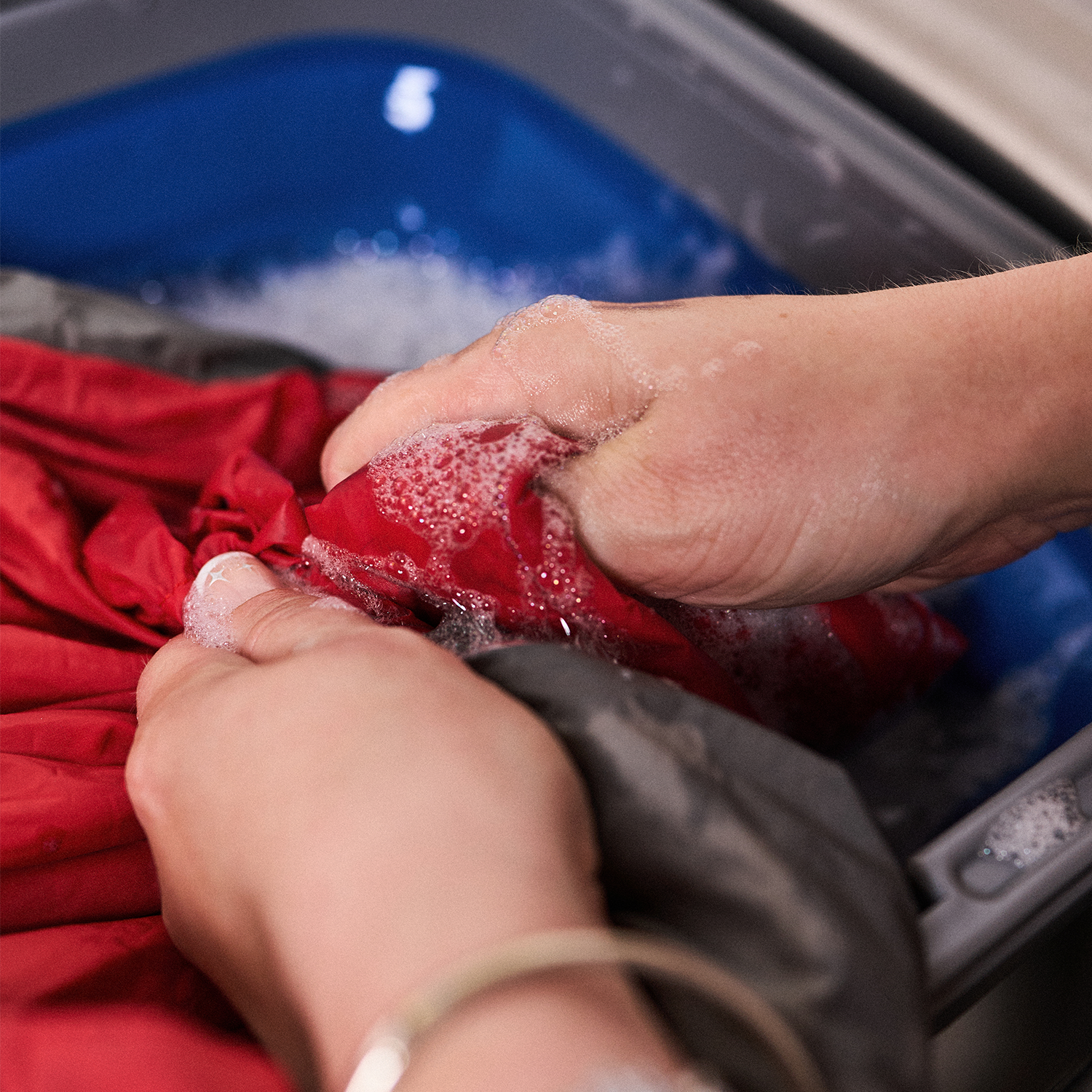
Place your sleeping bag inside a large laundry bag before washing. This keeps the fabric safe from damage during the wash cycle.
- Use a mesh laundry bag to allow water flow.
- Secure all zippers and Velcro to prevent snags.
- Choose a gentle wash cycle to protect the bag’s filling.
- Use mild detergent designed for delicate fabrics.
Balancing The Load
Make sure your washing machine is balanced to avoid damage. An unbalanced load can strain the machine and harm your sleeping bag.
| Tip | Reason |
| Wash with towels or other soft items | Helps even out the load and reduces machine vibration |
| Do not overload the machine | Allows the sleeping bag to move freely and clean well |
| Distribute the sleeping bag evenly inside the drum | Prevents clumping and protects the filling |
Credit: www.ellis-brigham.com
Drying Your Sleeping Bag
Drying your sleeping bag properly keeps it warm and comfortable. Wet sleeping bags can smell bad and lose their shape.
Choosing the right drying method helps keep the fill fluffy and prevents damage. This guide covers air drying and tumble drying tips.
Air Drying Vs. Tumble Drying
Air drying is gentle and saves energy. It takes longer but keeps the sleeping bag safe from heat damage.
Tumble drying is faster and can help restore fluffiness. Use low heat and check the bag often to avoid melting the fill.
- Air drying: hang in shade, avoid direct sunlight
- Tumble drying: use low heat and add clean tennis balls
- Both methods need patience to dry fully
Preventing Clumping Of Fill
Fill clumps reduce warmth and comfort. Move the sleeping bag during drying to stop clumps from forming.
Tumble drying with clean tennis balls or dryer balls helps break up clumps. For air drying, gently shake and fluff the bag every hour.
- Shake and fluff regularly during air drying
- Use dryer balls in the tumble dryer
- Avoid high heat to keep fill soft
Storing Your Sleeping Bag After Washing
After washing your sleeping bag, proper storage keeps it in good shape. Correct storage helps maintain loft and insulation.
Careful folding and avoiding certain bags protect the filling from damage. This guide explains how to store your sleeping bag well.
Proper Folding Techniques
Folding your sleeping bag correctly prevents wrinkles and keeps the insulation even. Avoid tight folds that can crush the fill.
- Lay the sleeping bag flat on a clean surface.
- Fold it loosely in half lengthwise.
- Roll or fold it gently from the foot to the head.
- Store it in a large cotton or mesh storage sack.
- Keep it in a cool, dry place away from direct sunlight.
Avoiding Compression Bags
Compression bags squeeze the sleeping bag to save space but can harm its loft. Long-term use of these bags reduces warmth and comfort.
| Storage Type | Effect on Sleeping Bag |
|---|---|
| Loose Cotton or Mesh Sack | Allows air flow, keeps insulation fluffy |
| Compression Bag | Crushes insulation, reduces loft over time |
| Hanging Storage | Prevents compression, maintains shape |
Common Mistakes To Avoid
Washing a sleeping bag in a machine can save time. It also keeps the bag clean and fresh. But many people make mistakes that can harm the bag.
Knowing what to avoid helps keep your sleeping bag in good shape. This guide points out common errors to skip.
Overloading The Machine
Putting too many items or a big sleeping bag in a small washer causes problems. The bag may not get clean. It can also damage the machine.
Overloading stops the bag from moving freely. This reduces washing power and may cause tears or damage to the fabric.
- Use a large front-loading washing machine.
- Wash only one sleeping bag at a time.
- Leave enough space for the bag to move.
- Check the machine’s weight limit before washing.
Using Fabric Softener
Fabric softener can harm the sleeping bag’s insulation. It leaves a coating that reduces fluff and warmth. This makes the bag less effective in cold weather.
Softener also affects the water-repellent layer on some sleeping bags. This can cause the bag to absorb water and dry slowly.
- Avoid using fabric softeners when washing.
- Choose mild detergent made for outdoor gear.
- Check the sleeping bag’s care label for instructions.
Tips For Longevity And Maintenance
Sleeping bags need care to last many years. Cleaning and fixing small problems help keep them in good shape.
Knowing how to wash and repair your sleeping bag protects its warmth and comfort.
Regular Cleaning Schedule
Wash your sleeping bag only when it is dirty. Washing too often can damage the fabric and filling.
Follow these tips to clean your sleeping bag safely:
- Use a front-loading washing machine if possible
- Choose a gentle cycle with cold water
- Use mild soap made for outdoor gear
- Do not use bleach or fabric softeners
- Rinse thoroughly to remove all soap
- Dry flat or hang in a shaded area, avoid direct sun
Repairing Minor Damages
Fix small tears or holes quickly. This prevents bigger damage and loss of insulation.
Keep these repair tips in mind:
- Use fabric patches or repair tape made for sleeping bags
- Sew small holes with a needle and strong thread
- Check zippers and sliders for smooth function
- Replace broken zipper parts if needed
- Store your sleeping bag dry and loosely packed
Frequently Asked Questions
Can You Machine Wash A Down Sleeping Bag?
Yes, you can machine wash a down sleeping bag. Use a front-loading washer on a gentle cycle with cold water. Use a mild detergent designed for down products to maintain loft and insulation quality.
What Machine Settings Are Best For Washing Sleeping Bags?
Use a gentle or delicate cycle with cold water. Avoid high spin speeds to protect insulation and fabric. Always follow the sleeping bag’s care label instructions for best results.
Can I Use Regular Detergent To Wash A Sleeping Bag?
No, regular detergents can damage insulation. Use a mild, non-detergent cleaner made for sleeping bags or down products. This helps preserve the bag’s warmth and water resistance.
How Often Should You Machine Wash A Sleeping Bag?
Wash your sleeping bag only when necessary, about once or twice a season. Frequent washing can reduce insulation and fabric lifespan. Spot clean regularly to keep it fresh between washes.
Conclusion
Machine washing a sleeping bag can work well with care. Always check the label for washing instructions. Use a gentle cycle and mild detergent to protect the fabric. Avoid strong spin speeds to keep insulation fluffy. Dry the bag slowly, preferably air dry or on low heat.
Clean your sleeping bag regularly to keep it fresh and lasting longer. Small steps make a big difference in care. Your sleeping bag will stay cozy and ready for every adventure. Easy care means more comfort on your trips.