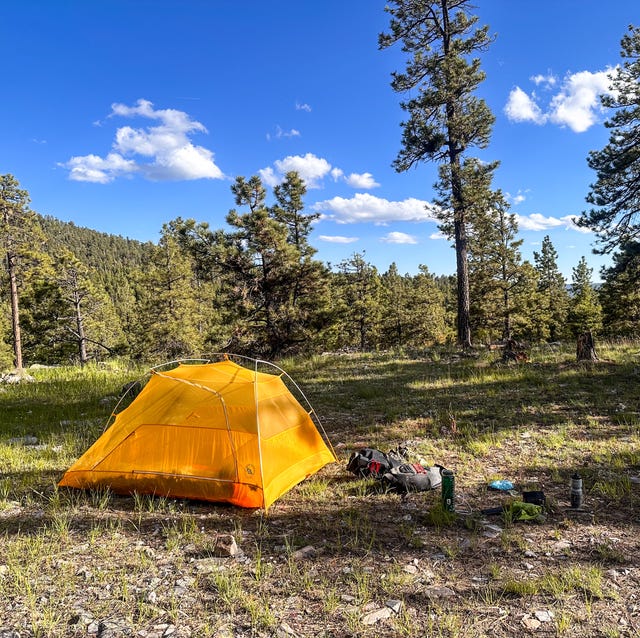
You’ve just finished an amazing camping trip, and now your tent is covered in dirt, mud, and grime. You’re probably wondering: can you machine wash a tent to make cleanup easier?
The idea sounds tempting—just toss it in the washer and let it do the hard work for you. But before you hit start, there are important things you need to know to protect your gear. Keep reading to discover whether machine washing is safe for your tent and how to keep it clean without damaging it.
Your next adventure depends on it!
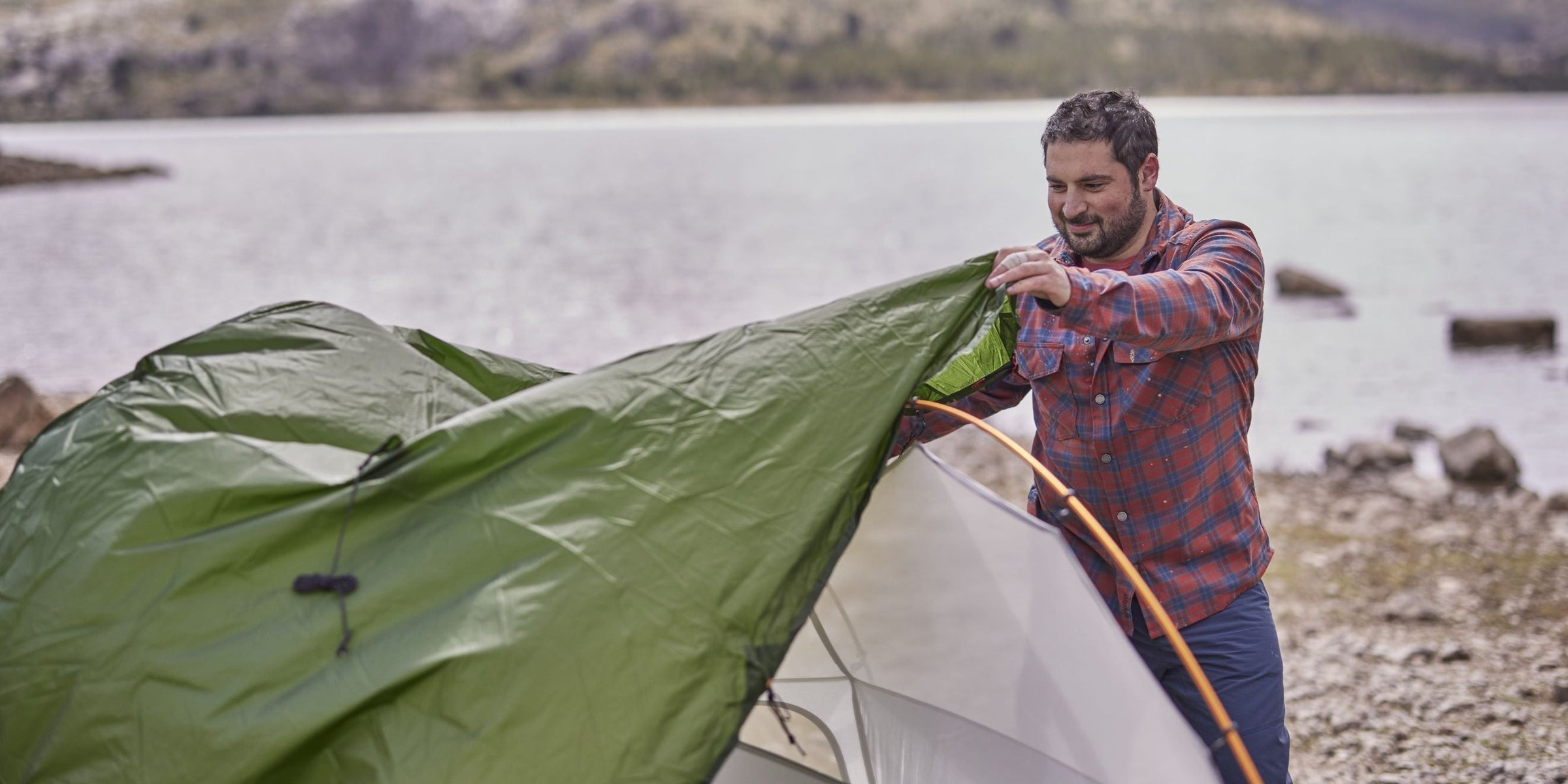
Credit: alpkit.com
When To Machine Wash A Tent
Knowing when to machine wash a tent helps keep it clean and safe to use. Not every dirt or stain needs a full wash.
Machine washing can remove deep dirt and grime that hand cleaning might miss. It also helps protect the tent’s fabric and waterproof coatings.
Signs Your Tent Needs A Deep Clean
Look for these signs that show your tent needs a thorough machine wash:
- Visible dirt or mud stains on the fabric
- Musty or bad odors inside the tent
- Mold or mildew spots forming on the surface
- Sticky or grimy feeling on the tent’s floor or walls
- Water no longer beads on the fabric, showing loss of waterproofing
Frequency Of Tent Cleaning
How often you clean your tent depends on how often and where you use it. Regular care keeps it in good shape.
| Use Frequency | Suggested Cleaning Frequency |
| Occasional camping (1-2 times per year) | Once a year or after heavy use |
| Regular camping (monthly or multiple trips) | After every 3-5 uses or when dirty |
| Backpacking or frequent use | Every few trips or when signs of dirt appear |

Credit: www.popularmechanics.com
Preparing Your Tent For Machine Washing
Cleaning your tent in a washing machine can save time and effort. Preparing it well helps keep the fabric safe and clean.
Follow simple steps to get your tent ready before placing it in the washer. This prevents damage and improves cleaning results.
Removing Dirt And Debris
Clear off loose dirt, leaves, and small stones from your tent. This stops the washing machine from getting scratched or clogged.
- Shake the tent outside to remove dust and dirt
- Use a soft brush to clean stubborn debris gently
- Check seams and zippers for trapped particles
- Remove any stakes or poles before washing
Checking For Damage
Look carefully for tears or weak spots in the fabric. Machine washing can make these worse if not fixed first.
| Damage Type | What to Do |
| Small tears | Patch with repair tape or fabric glue |
| Broken zippers | Replace or fix before washing |
| Loose seams | Sew or reinforce with needle and thread |
Choosing The Right Detergent
Select a detergent that is gentle and made for outdoor gear. Harsh soaps can ruin waterproof coatings on your tent.
Use detergents with these features:
- Non-bio or mild formulas
- No bleach or fabric softeners
- Designed for waterproof fabrics
- Free from strong fragrances
Machine Washing Tips
Washing a tent in a machine can save time and effort. You must follow the right steps to avoid damage.
These tips will help keep your tent clean and safe during machine washing.
Selecting The Appropriate Washing Cycle
Use a gentle or delicate cycle on your washing machine. This cycle uses slower spin speeds and less agitation.
A strong cycle can harm the fabric or poles of your tent. Choose cycles meant for delicate fabrics or hand wash settings.
Water Temperature Guidelines
Cold water is best for washing tents. Hot water can weaken the fabric and damage waterproof coatings.
Using cold water also helps preserve the color and shape of your tent.
- Always set water temperature to cold or cool
- Avoid warm or hot water settings
- Cold water saves energy and protects fabric
Protecting Tent Components
Remove all poles, stakes, and accessories before washing. These parts can damage the tent or washing machine.
Place your tent inside a large pillowcase or mesh laundry bag. This protects the fabric and prevents tangling.
- Take out all metal and plastic parts
- Use a pillowcase or mesh bag for the tent
- Close zippers to avoid snagging
- Check for dirt or debris before washing
Drying Your Tent Safely
Drying a tent correctly is important to keep it in good condition. Wet tents can lead to mold and bad smells.
Let’s explore how to dry your tent safely without causing damage.
Avoiding Direct Sunlight
Direct sunlight can damage the fabric of your tent. It can cause colors to fade and materials to weaken.
- Set up your tent in a shaded area.
- Use a tarp to shield the tent from direct rays.
- Rotate the tent to dry evenly without constant sun exposure.
Best Methods For Air Drying
Air drying is a safe and effective way to dry your tent. It helps avoid heat damage.
| Method | Benefit |
| Pitch in Shade | Prevents sun damage |
| Open All Vents | Improves airflow |
| Elevate on Dry Surface | Stops ground moisture |
Alternative Cleaning Methods
Cleaning a tent without a machine keeps it safe from damage. Hand washing and spot cleaning work well for small jobs. These methods protect the fabric and keep your tent strong.
Using gentle cleaning techniques helps the tent last longer. You can clean it at home or outdoors with simple tools and safe cleaners.
Hand Washing Techniques
Hand washing your tent uses mild soap and water. This method avoids harsh agitation that may tear the fabric. Use a large tub or clean area outdoors to soak the tent.
- Fill a tub with lukewarm water and mild soap.
- Submerge the tent fabric gently.
- Use a soft sponge or cloth to clean dirt spots.
- Rinse the tent thoroughly with clean water.
- Hang the tent to dry in a shaded area.
Spot Cleaning Stubborn Stains
For tough stains, spot cleaning saves time and effort. Use a soft brush and a mixture of water and mild detergent. Test the cleaner on a small area first to avoid damage.
| Stain Type | Cleaning Method | Tools Needed |
| Dirt and Mud | Brush off dry dirt, then clean with soapy water | Soft brush, mild soap, sponge |
| Food or Drink | Use mild detergent and water to blot stains | Cloth, mild detergent, water |
| Mildew | Apply diluted vinegar or specialized cleaner | Spray bottle, soft brush |
Maintaining Your Tent After Washing
Keeping your tent in good shape helps it last longer. After washing, you need to take care of it right.
Proper care protects your tent from damage and keeps it ready for your next trip.
Reapplying Waterproof Coating
Washing your tent can remove its waterproof coating. This coating keeps water from soaking in.
After the tent dries, apply a new waterproof spray or paint. Use one made for tents and fabrics.
- Clean the tent fully before applying the coating
- Spray evenly on all outer surfaces
- Let the tent dry completely before packing
- Repeat the process yearly or after heavy use
Storing Your Tent Properly
Store your tent in a dry, cool place to avoid damage. Moisture and heat can cause mold and weaken fabric.
Keep the tent loosely packed in a large bag or hanging to keep its shape and prevent creases.
- Dry the tent fully before storing
- Avoid tight packing or heavy pressure
- Use a breathable storage bag, not plastic
- Check the tent regularly for signs of damage

Credit: www.reddit.com
Frequently Asked Questions
Can You Machine Wash A Tent Safely?
Yes, some tents can be machine washed on a gentle cycle. Use cold water and mild soap. Avoid harsh detergents and fabric softeners to prevent damage.
What Settings Are Best For Washing A Tent?
Use the delicate or gentle cycle with cold water. Avoid high spin speeds to protect tent fabrics and seams. Always check manufacturer instructions first.
Should You Use Detergent When Machine Washing A Tent?
Use a mild, non-detergent soap designed for outdoor gear. Avoid regular laundry detergents as they can harm tent coatings and waterproofing.
How Do You Dry A Tent After Machine Washing?
Air dry your tent by hanging it in a shaded, well-ventilated area. Avoid direct sunlight and heat sources to preserve fabric and waterproof layers.
Conclusion
Machine washing a tent is not always safe or wise. Most tents need gentle care to last longer. Hand washing helps protect the fabric and seams. Always check the tent label for cleaning advice. Use mild soap and cold water for best results.
Avoid strong detergents and high heat drying. Taking care of your tent means more camping trips. Clean tents stay fresh and work better outdoors. Choose the cleaning method that fits your tent type. Keep your gear ready for the next adventure.