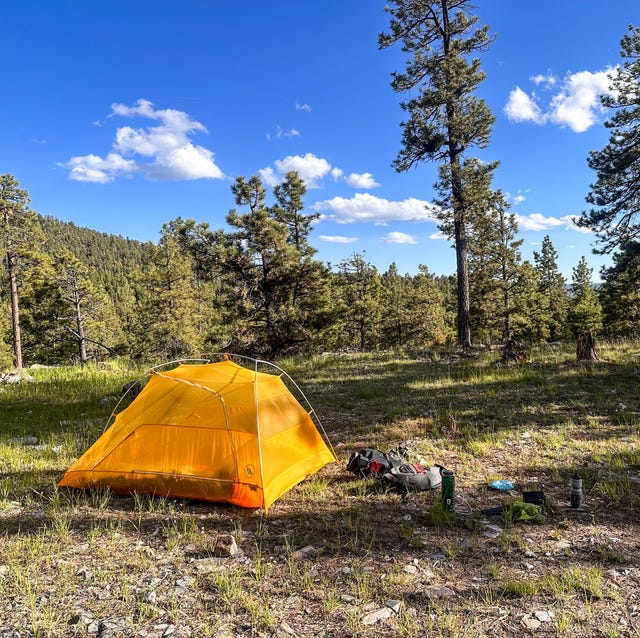
You’ve just come back from an amazing camping trip, and your tent is covered in dirt, mud, and sweat. Now, you’re wondering—can you just toss your tent into the washing machine and make cleaning easy?
It sounds tempting, right? But before you hit start, there are important things you need to know to avoid ruining your gear. You’ll discover the truth about machine washing your tent, the safest cleaning methods, and expert tips to keep your tent fresh and ready for your next adventure.
Keep reading—your tent will thank you!
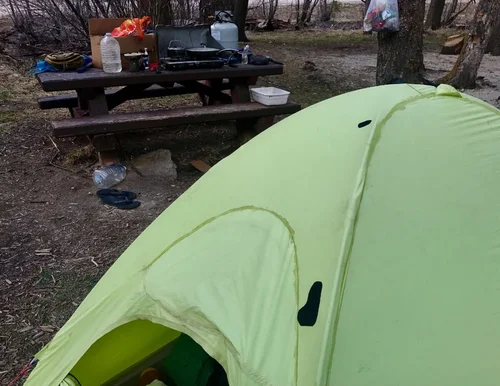
Credit: www.treelinereview.com
Machine Washing A Tent
Cleaning a tent is important for camping gear care. Many wonder if machines can wash tents safely.
This guide explains when to use a machine, which tents work well, and risks to know.
When To Consider Machine Washing
Use machine washing if the tent is very dirty or has mud and stains. It saves time compared to hand washing.
Check the tent label first. Some tents allow machine wash if done gently and with mild soap.
- If you camped in muddy or dusty places
- When the tent smells bad after many uses
- If hand washing is too difficult or takes too long
Types Of Tents Suitable For Machines
Some tents can handle machine washing better than others. Look for tents made of strong, durable materials.
Polyester and nylon tents often do well in gentle machine cycles. Lightweight tents may not hold up as well.
- Polyester tents with waterproof coating
- Nylon tents with strong fabric
- Small to medium-sized tents that fit in the washer
Potential Risks Of Machine Washing
Machine washing can damage tents if done wrong. It might tear fabric or remove waterproof coatings.
Washing machines with agitators can cause stress to seams and zippers. Harsh detergents may weaken the fabric.
- Fabric tearing or fraying
- Loss of waterproof coating
- Zipper damage or broken seams
- Color fading or fabric weakening
- Not suitable for large tents that do not fit well
Preparing Your Tent
Before washing your tent, you need to prepare it carefully. Proper preparation helps keep your tent safe and clean.
Follow these steps to get your tent ready for cleaning or washing.
Removing Dirt And Debris
Start by shaking your tent to remove loose dirt and debris. This helps prevent damage during washing.
Use a soft brush to clean off mud, leaves, and small stones from the fabric and seams.
- Shake the tent outside to remove dirt
- Brush off mud gently with a soft brush
- Pick out leaves and sticks by hand
Detaching Poles And Accessories
Remove all poles, stakes, and other accessories before washing. These parts can break or damage the tent fabric.
Store poles and small items in a safe place to avoid losing them during cleaning.
- Take out all poles and frame parts
- Remove stakes and ropes
- Keep small parts in a labeled bag
Checking Care Labels
Look for care labels inside your tent. These labels show if your tent can be machine washed or not.
Follow the instructions on the label to avoid damage and keep your tent in good shape.
- Find the care label inside the tent
- Read washing instructions carefully
- Follow any temperature or detergent guidelines
Choosing The Right Washing Settings
Cleaning a tent in a washing machine needs care. Using the right settings helps keep your tent safe and fresh.
Choosing the correct washing settings protects the fabric and stitching from damage during cleaning.
Selecting Gentle Cycles
Always use a gentle or delicate cycle for washing tents. These cycles move slower and cause less stress to the fabric.
Fast or heavy cycles can tear the tent material or damage zippers and seams.
- Choose “Delicate” or “Hand Wash” cycle
- Avoid high spin speeds
- Use slow agitation settings
Water Temperature Guidelines
Use cold or lukewarm water to wash your tent. Hot water can weaken the fabric and cause colors to fade.
Cold water helps keep waterproof coatings intact and prevents shrinkage or warping.
- Set water temperature to cold or warm
- Avoid hot water above 30°C (86°F)
- Check the tent’s care label for specific advice
Choosing Appropriate Detergents
Use mild detergents made for delicate fabrics. Harsh chemicals can harm your tent’s waterproof layer.
Avoid bleach, fabric softeners, or strong stain removers. These can damage the tent material or reduce water resistance.
- Select gentle, liquid detergents without additives
- Use only small amounts of detergent
- Rinse thoroughly to remove all soap residue
Drying And Storing Your Tent
Taking care of your tent after use helps it last longer. Drying and storing it properly stops damage. It also keeps the tent clean and ready for the next trip.
Wet tents can develop mold and bad smells. Storing a damp tent can cause fabric and pole damage. Follow simple steps to dry and store your tent well.
Proper Drying Techniques
Dry your tent fully before storing it. Set it up outside in shade or a well-ventilated area. Avoid direct sunlight to protect the fabric. Turn the tent inside out if it has a rainfly.
- Remove dirt and debris gently before drying
- Hang the tent or lay it flat on a clean surface
- Open all zippers and vents to air out the inside
- Check for damp spots and dry those again
Avoiding Mold And Mildew
Mold grows when tents stay wet or damp for long. It can ruin the fabric and smell bad. Clean your tent regularly with mild soap and water. Do not use bleach or harsh cleaners.
| Tip | Reason |
|---|---|
| Dry tent fully | Stops mold growth |
| Store in a dry place | Prevents moisture buildup |
| Use a breathable bag | Allows air circulation |
| Clean after each trip | Removes dirt and spores |
Best Storage Practices
Store your tent in a cool, dry place. Avoid tight packing to keep fabric fibers safe. Use a loose storage bag, not the small stuff sack used for hiking.
- Keep tent away from direct sunlight
- Do not store in damp basements or garages
- Fold tent loosely to avoid creases
- Check tent occasionally for moisture or pests
Alternative Cleaning Methods
Many people wonder if they can machine wash their tent. Usually, machine washing is not safe for tents. It can damage the fabric and waterproof coating. There are better ways to clean your tent safely and keep it in good shape.
This guide covers some alternative cleaning methods. You will learn how to hand wash, spot clean, and use professional services. These ways help protect your tent and make cleaning easier.
Hand Washing Tips
Hand washing is the safest way to clean your tent. It lets you control how gently the fabric is treated. Use mild soap and cool water to avoid damage.
First, set up your tent or lay it flat. Use a soft brush or sponge to clean dirt and stains. Rinse well to remove all soap. Dry your tent completely before storing it.
- Use mild, non-detergent soap
- Clean with a soft brush or sponge
- Rinse thoroughly with cool water
- Dry fully in shade to avoid sun damage
Spot Cleaning Techniques
Spot cleaning targets small stains without washing the whole tent. This saves time and protects the fabric. Use a damp cloth and mild soap to clean dirty spots.
Gently rub the stain until it lifts. Avoid scrubbing hard to keep the fabric intact. Wipe away soap with a clean cloth and let the area dry fully.
- Use a soft cloth or sponge
- Apply mild soap only on stains
- Rub gently to avoid fabric wear
- Remove soap with a damp cloth
- Allow to air dry completely
Using Professional Tent Cleaning Services
Professional cleaning services specialize in tents. They use safe methods to clean and protect your tent’s materials. This option is good for very dirty or large tents.
Experts can restore waterproof coatings and fix minor damage. They also dry tents properly to prevent mold. Consider professional help if you want thorough cleaning without risks.
- Safe cleaning for all tent materials
- Restores waterproof coatings
- Fixes small tears and damage
- Proper drying to stop mold growth
- Good for large or heavily soiled tents

Credit: www.reddit.com
Credit: alpkit.com
Frequently Asked Questions
Can You Machine Wash A Tent Safely?
Most tents can’t be machine washed safely. Washing machines may damage fabric and seams. Hand washing with mild soap is recommended to preserve tent integrity and waterproofing.
What Is The Best Way To Clean A Tent?
Use a soft brush and mild soap with water. Gently scrub dirty areas and rinse thoroughly. Avoid harsh chemicals or washing machines to maintain tent durability.
How Often Should You Wash Your Tent?
Wash your tent only when it’s visibly dirty or smells. Frequent washing can degrade waterproof coatings and materials. Spot cleaning is often enough between deep cleans.
Can Machine Washing Damage Tent Waterproofing?
Yes, machine washing can harm waterproof coatings. Agitation and harsh detergents strip protective layers. Hand washing helps keep your tent water-resistant longer.
Conclusion
Machine washing a tent can be risky and may damage it. Always check the tent’s care label before washing. Use gentle cycles and mild soap if you choose to machine wash. Hand washing often protects the fabric and seams better.
Dry your tent fully to avoid mold and smells. Clean tents last longer and stay strong in bad weather. Taking simple steps helps keep your tent ready for your next trip. Safe cleaning means more fun outdoors.