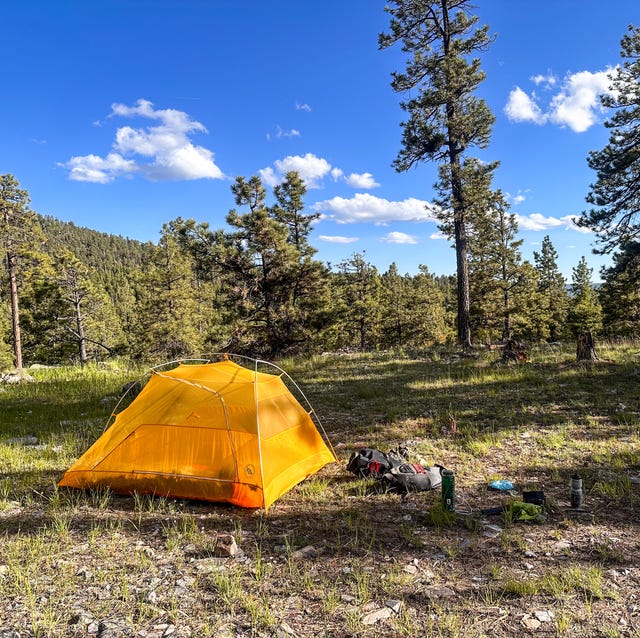
You’ve just returned from a camping trip, and your tent is covered in dirt, mud, and sweat. Naturally, you want to clean it quickly and easily.
But here’s the question: can you machine wash tents? It sounds convenient, right? Just toss it in the washing machine and be done with it. Yet, washing your tent the wrong way could damage it or shorten its life. You’ll discover whether machine washing is safe for your tent and learn the best methods to keep it fresh and ready for your next adventure.
Keep reading to protect your gear and save yourself time and hassle.
Machine Washing Tents Basics
Cleaning your tent is important to keep it in good shape. Machine washing can be an easy way to clean some tents. But not all tents can be washed this way.
You need to know which tents are safe to machine wash. Also, check the tent materials and care labels before washing.
Types Of Tents Suitable For Machine Washing
Some tents are made with fabrics that can handle machine washing. These tents are usually smaller and lighter. Big or heavy tents often should not be machine washed.
Check if your tent is made for machine washing to avoid damage. Common tents that may be machine washable include:
- Small backpacking tents with polyester or nylon fabric
- Pop-up tents designed for easy cleaning
- Lightweight tents with simple designs and no heavy coatings
Materials And Care Labels To Check
Tent fabrics like nylon and polyester often handle machine washing well. Cotton tents or those with special coatings may get damaged.
Always look at the care label on your tent. It tells you if the tent can be machine washed and how to do it safely.
- Check for washing instructions on the care label
- Avoid machine washing if the label says “hand wash only”
- Look for notes about water temperature and detergent type
- Do not machine wash tents with waterproof coatings unless label allows it

Credit: www.popularmechanics.com
Preparing Your Tent For Washing
Cleaning your tent properly helps it last longer and stay safe to use. Before washing, you need to prepare it well. This preparation protects the fabric and other parts from damage.
Start by checking everything attached to your tent. Then remove dirt and clean any tough spots. These steps make machine washing easier and safer for your tent.
Removing Stakes And Accessories
Take out all stakes, ropes, and poles from the tent. These items can damage your washing machine or tear the tent fabric. Store them separately to keep track of all parts.
Shaking Off Dirt And Debris
Shake your tent outside to remove loose dirt, leaves, and sand. This stops dirt from spreading inside your washing machine. You can also use a soft brush for stuck dirt.
- Hold the tent firmly
- Shake it several times over a clean surface
- Use a brush on tough dirt spots
- Check corners and seams carefully
Spot Cleaning Stubborn Stains
Some stains need special care before washing. Use mild soap and water on these areas. Gently rub the stains with a soft cloth or sponge. Avoid harsh chemicals that damage tent fabric.
| Type of Stain | Cleaning Method |
| Dirt or Mud | Brush off dried mud, then wipe with soapy water |
| Food or Drink | Use mild detergent and a damp cloth |
| Mold or Mildew | Mix water and vinegar, gently scrub affected area |
Choosing The Right Washing Settings
Cleaning your tent in a washing machine can save time. Picking the right settings keeps your tent safe.
Wrong settings can damage fabric and seams. Learn how to choose the best options for washing.
Selecting Gentle Cycles
Gentle cycles use slow spin speeds and soft agitation. This helps protect the tent fabric and zippers.
Choose cycles labeled “delicate” or “hand wash.” Avoid heavy or normal cycles to reduce wear and tear.
- Slow spin speed prevents fabric stress
- Soft agitation stops tent damage
- Shorter cycle time limits exposure
Using Suitable Detergents
Use mild, non-detergent soaps made for outdoor gear. Harsh detergents can strip waterproof coatings.
Avoid bleach, fabric softeners, and strong chemicals. These damage the fabric and reduce tent lifespan.
- Mild soap keeps fabric strong
- No bleach to protect colors and coating
- Specialized cleaners keep waterproofing intact
Water Temperature Guidelines
Use cold or lukewarm water for washing tents. Hot water can weaken fabric fibers and damage coatings.
Cold water also prevents shrinking and color fading. It is safer for delicate tent materials.
- Cold water protects fabric strength
- Lukewarm water cleans without damage
- Avoid hot water to keep waterproof layers
Credit: alpkit.com
Drying Tips After Machine Washing
After machine washing your tent, drying it properly is very important. Drying stops mold and keeps the fabric strong.
This guide explains how to dry your tent safely. You will learn about air drying and machine drying, plus how to avoid damage.
Air Dry Vs. Machine Dry
Air drying is the safest way to dry your tent. It uses natural air and sunlight. Machine drying is faster but can cause harm.
- Air Dry:Hang your tent in a shady, well-ventilated place.
- Air Dry:Avoid direct sunlight for long periods to protect fabric color.
- Machine Dry:Use low heat settings if the dryer is necessary.
- Machine Dry:Remove the tent as soon as it is dry to prevent wrinkles.
Avoiding Damage During Drying
| Damage Risk | How to Avoid |
| Fabric Weakening | Do not use high heat in the dryer |
| Mold Growth | Dry the tent completely before storing |
| Color Fading | Keep the tent out of direct sunlight while drying |
| Snags and Tears | Dry on a smooth surface or hang carefully |
Common Mistakes To Avoid
Washing tents in a machine can save time but needs care. Many people make errors that damage their tents.
Learn the common mistakes to avoid to keep your tent safe and clean after machine washing.
Using Harsh Chemicals
Harsh chemicals can harm the fabric and waterproof coating of your tent. Avoid bleach and strong detergents.
- Use mild soap or detergent labeled safe for outdoor gear
- Do not add fabric softeners
- Avoid bleach as it weakens fabric fibers
- Choose products that rinse out easily
Ignoring Care Instructions
Each tent has specific care guidelines from the maker. Ignoring them can cause damage or reduce tent life.
| Care Instruction | Why It Matters |
| Check washing temperature | High heat can melt or weaken fabric |
| Use gentle wash cycle | Prevents tearing or stitching damage |
| Air dry only | Machine drying can shrink or ruin coatings |
| Close all zippers and Velcro | Stops snagging and fabric tears |
Overloading The Washing Machine
Putting too many items in the washer with your tent can harm it. The tent needs room to move freely.
- Wash tents alone or with only small items
- Avoid heavy or sharp items that cause damage
- Use a large-capacity machine if possible
- Overloading causes poor cleaning and fabric stress
Credit: www.treelinereview.com
Alternative Cleaning Methods
Cleaning your tent without a machine is often safer and better for the fabric. Some tents can lose their waterproof coating in a washing machine. Using gentle methods helps keep your tent strong and lasts longer.
This guide covers hand washing and using special cleaners made for tents. These methods clean well without damage.
Hand Washing Techniques
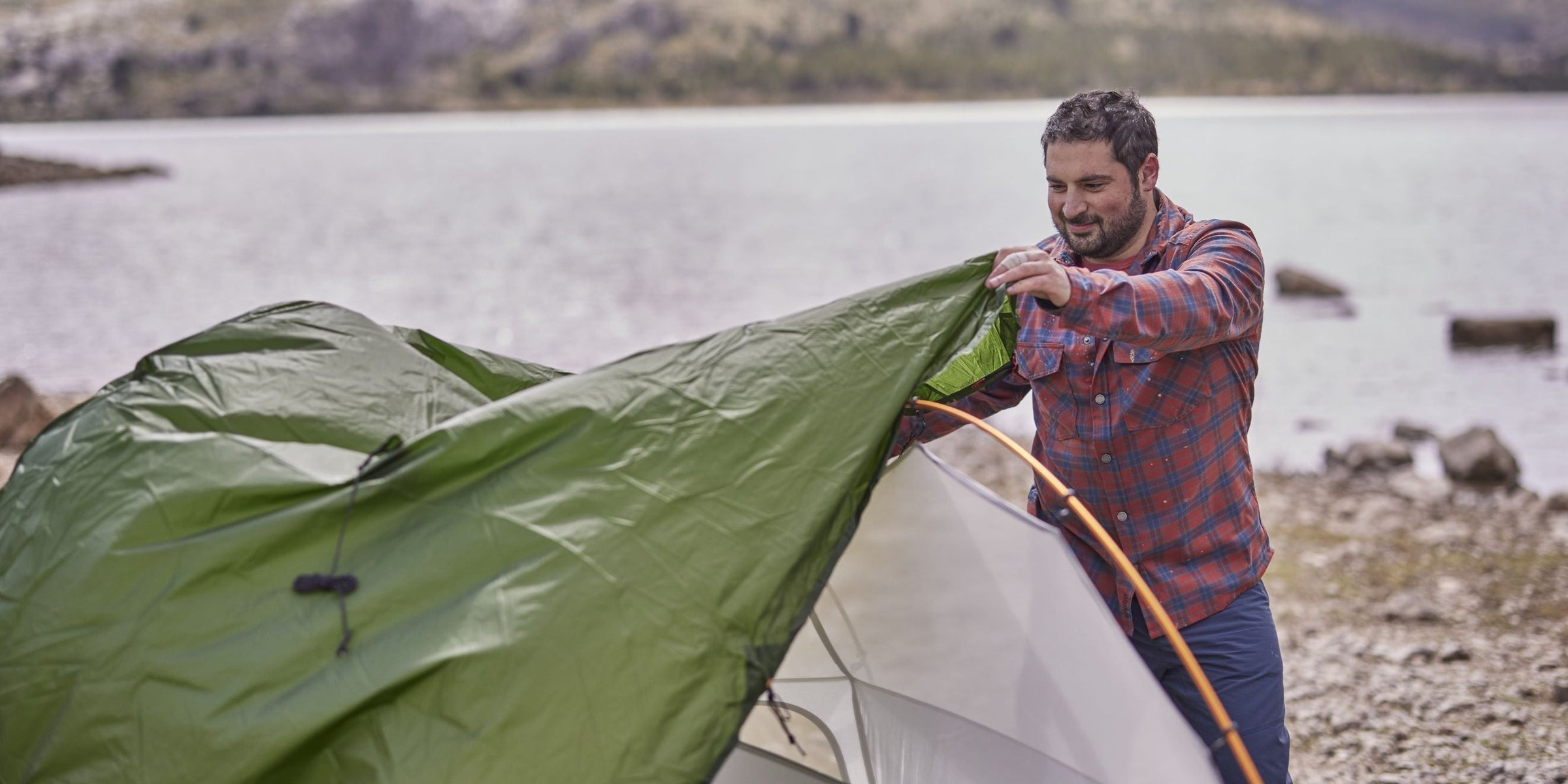
Hand washing your tent lets you clean it carefully. Use soft brushes or cloths and mild soap. Avoid harsh scrubbing or bleach. Rinse well with clean water to remove soap.
- Set up your tent on a clean surface or hang it
- Mix mild soap with lukewarm water in a bucket
- Use a soft brush or sponge to clean dirty areas
- Gently scrub without pressing too hard
- Rinse thoroughly to remove all soap
- Let the tent dry completely before packing
Using Specialized Tent Cleaners
Specialized tent cleaners are made to protect fabric and waterproof layers. They clean dirt and stains without damage. Use cleaners as directed on the label for best results.
| Cleaner Type | Use | Benefit |
| Water-based cleaner | Dilute with water, apply gently | Safe on most fabrics |
| Non-detergent cleaner | Use on waterproof coatings | Protects fabric waterproofing |
| Eco-friendly cleaner | Use outdoors, rinse well | Good for environment |
Maintaining Tent Longevity
Taking care of your tent helps it last many camping trips. Proper cleaning and storage keep the fabric and seams strong.
Knowing how to wash and maintain your tent is important for its life. This guide shows you how to keep your tent in good shape.
Storage Tips After Cleaning
After cleaning, dry your tent completely. Moisture can cause mold and damage the fabric over time.
Store your tent in a cool, dry place. Avoid tight bags that can crush the material and harm waterproof coatings.
- Use a large cotton or mesh storage bag
- Keep away from direct sunlight to prevent fading
- Do not store the tent while damp or dirty
- Check the tent regularly during storage for any issues
Regular Maintenance Practices
Inspect your tent before and after each trip. Look for tears, broken zippers, or damaged poles.
Clean your tent gently using mild soap and water. Avoid machine washing unless the tent’s instructions allow it.
- Spot clean small stains with a soft cloth
- Use a soft brush to remove dirt and debris
- Reapply waterproof coatings as needed
- Store poles separately if possible to prevent bending
Frequently Asked Questions
Can You Machine Wash Camping Tents Safely?
Yes, some tents can be machine washed on a gentle cycle. Use cold water and mild detergent. Always check the manufacturer’s care instructions first to avoid damage.
What Settings Are Best For Washing Tents In Machines?
Use a gentle or delicate cycle with cold water. Avoid bleach or fabric softeners. This helps protect the tent’s fabric and waterproof coatings.
Should Tent Poles Be Removed Before Machine Washing?
Yes, always remove tent poles and stakes before washing. Poles can damage both the tent and washing machine during the cycle.
How Often Should You Machine Wash Your Tent?
Only machine wash your tent when it’s heavily soiled. Frequent washing can degrade waterproof coatings and fabric quality over time.
Conclusion
Washing your tent in a machine can be risky. Fabric might tear. Waterproofing can wear off. Hand washing is gentler and safer. Use mild soap and a sponge. Dry it completely to prevent mold. Store in a cool, dry place for best results.
Regular maintenance keeps your tent lasting longer. Always check the manufacturer’s guidelines. They know their product best. Proper care means more adventures ahead. Happy camping!