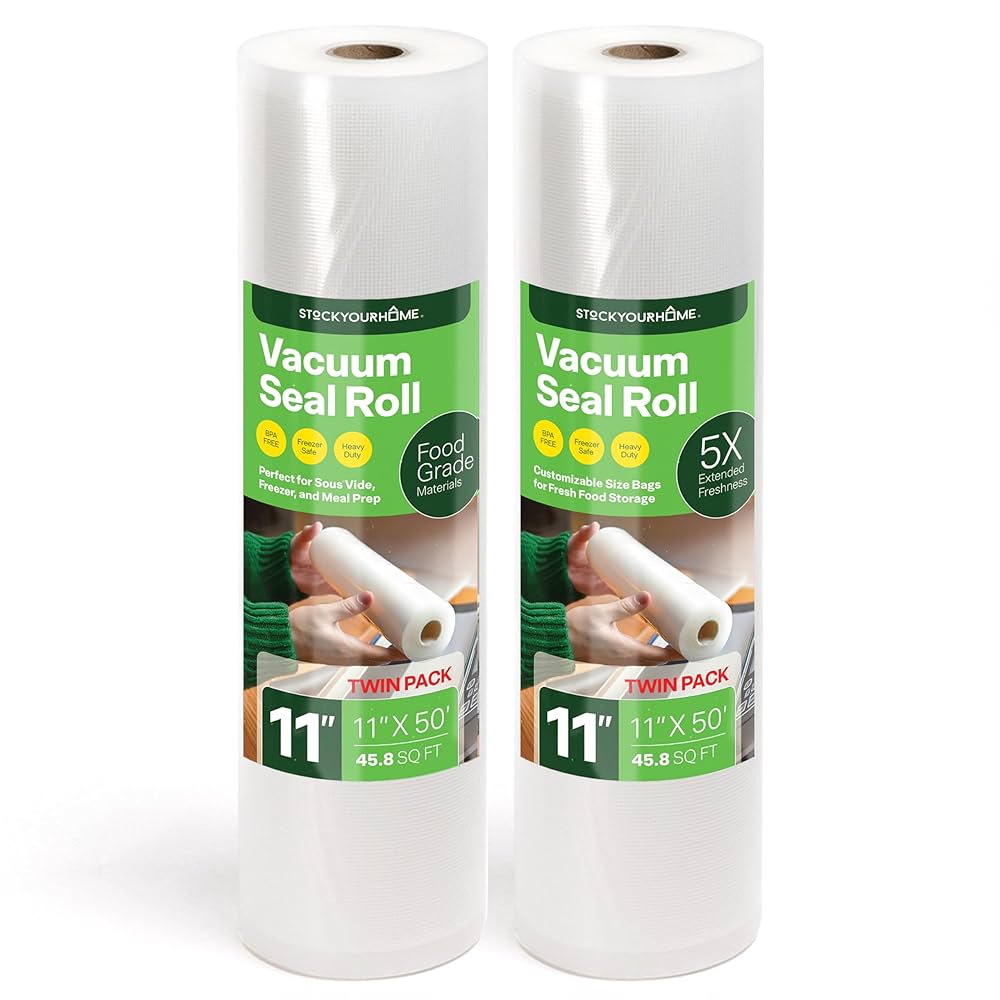
Have you ever found yourself wondering if you can microwave vacuum seal bags? If you’re like most people, you rely on these handy bags to keep your food fresh and organized.
But when it comes to reheating, things can get a bit confusing. Imagine the convenience of moving directly from your freezer to the microwave without any fuss. Sounds great, doesn’t it? Before you place that bag in your microwave, there are some crucial things you need to know.
Understanding the do’s and don’ts could save you from a potential kitchen mishap. Stick around to discover the surprising truths and best practices that will make your life easier and your meals safer. Your next meal prep session could be transformed!
Microwaving Vacuum Seal Bags
Microwaving vacuum seal bags is a common question for many who store food this way. These bags keep food fresh by removing air. But can you safely heat or cook food in them using a microwave? Understanding how these bags work and what they are made of helps answer this.
How Vacuum Seal Bags Work
Vacuum seal bags remove air from the package. This slows down bacteria growth and keeps food fresh longer. The bags create a tight seal around the food. This stops moisture loss and freezer burn.
The vacuum seal also prevents odors from spreading. It helps preserve flavors and nutrients. The sealed environment stops air and germs from entering.
Materials Used In Vacuum Seal Bags
Most vacuum seal bags are made from plastic layers. These layers include:
- Polyethylene (PE) – for strength and flexibility
- Polyamide (PA) – for barrier protection
- Sometimes nylon for extra durability
These materials are designed to resist moisture and air. Many are safe for food contact. Some vacuum bags are labeled microwave-safe. Others are not made to handle high heat.
Always check the bag’s instructions before microwaving. Plastic can melt or release harmful chemicals if heated improperly. Bags with metal layers or prints should never go in the microwave.

Credit: www.amazon.com
Safety Concerns
Microwaving vacuum seal bags may seem convenient, but safety concerns should be top of mind before you press start. Not all vacuum seal bags are designed to withstand microwave heat, and using the wrong type can lead to health risks or kitchen mishaps. Understanding these risks helps you protect yourself and your food.
Potential Risks In Microwaving
Microwaving vacuum seal bags not meant for heat can release harmful chemicals into your food. Some plastics contain additives that break down under heat, causing toxins to leach out.
Another risk is the bag melting or warping, which can ruin your meal and create a mess inside the microwave. This can also damage the appliance itself.
Have you ever noticed steam trapped inside a sealed bag? That pressure can cause the bag to burst unexpectedly, creating a safety hazard.
Signs Of Unsafe Bags
Not all vacuum seal bags are labeled clearly, so you need to look for specific signs before microwaving.
- Check for microwave-safe symbols:Look for a microwave icon or wording like “microwave-safe” on the packaging.
- Material type:Bags made from polyethylene or nylon blends often tolerate microwaving better than cheaper plastics.
- Thickness and texture:Thin, flimsy bags are more likely to melt or tear under heat.
- Warnings on the package:Avoid any bags that explicitly say “not for microwave use.”
Ignoring these signs can lead to unsafe food and ruined meals. Next time you want to microwave your vacuum-sealed leftovers, ask yourself: is this bag truly safe to heat?
Microwave-safe Vacuum Seal Bags
Microwave-safe vacuum seal bags provide a convenient way to reheat food quickly. Not all vacuum seal bags can handle microwave heat. Using the wrong bag may cause melting or harmful chemicals to leach into your food. Choosing the right bag keeps your food safe and fresh.
Identifying Microwave-safe Bags
Look for specific labels on the packaging. Terms like “microwave-safe” or symbols showing a microwave indicate safety. Bags made from polyethylene or polypropylene often work well in microwaves. Avoid bags with metal strips or foil layers. These can cause sparks or fires during microwaving.
Manufacturer Guidelines
Always check the instructions provided by the bag’s manufacturer. They give clear advice on microwave use and temperature limits. Some bags may require venting before microwaving to release steam. Following these rules helps prevent accidents and preserves the bag’s integrity. Ignoring guidelines could damage the bag or your microwave.

Credit: www.amazon.com
Best Practices For Microwaving
Microwaving vacuum seal bags requires care to keep food safe and bags intact. Following best practices helps avoid melting or uneven heating. Proper steps ensure food cooks evenly and retains flavor. The right techniques protect both your microwave and sealed food.
Preparation Before Microwaving
Check if the vacuum seal bag is microwave-safe. Look for labels or manufacturer instructions. Always pierce or open the bag slightly to release steam. This prevents pressure buildup that can cause bursting. Remove any metal clips or ties. Make sure the bag lies flat for even heating.
Temperature And Time Settings
Use medium or low power settings to avoid overheating. High power can melt the bag or overcook food. Heat the bag in short intervals, about 30 seconds each. Pause to check the food and bag after each interval. Adjust time based on food type and quantity. Stir or rearrange food if possible for uniform heating.
Avoiding Common Mistakes
- Do not microwave vacuum seal bags with metal parts.
- Avoid overheating to prevent bag melting or food burning.
- Never seal bags completely airtight before microwaving.
- Do not use bags not marked microwave-safe.
- Avoid microwaving thick or dense items without checking regularly.
- Always monitor the bag during microwaving to spot problems early.
Alternatives To Microwaving Vacuum Seal Bags
If you’re hesitant about microwaving vacuum seal bags, you’re not alone. Many worry about the safety of the plastic or the effectiveness of heating. Luckily, there are several reliable alternatives that let you warm your sealed food without risking damage to the bag or your meal.
Using Boiling Water
Boiling water is a simple and safe way to heat vacuum-sealed bags. Just place the sealed bag in a pot of hot water for a few minutes. This method gently warms the food without exposing the plastic to direct heat or microwave radiation.
Make sure the bag is fully sealed to prevent water from seeping in. Also, keep an eye on the time—it usually takes 5 to 10 minutes depending on the food’s thickness. Have you tried this with frozen meals? It’s a great way to thaw and heat evenly without the risk of melting your bag.
Oven And Sous Vide Options
The oven offers another alternative, especially for meals that benefit from dry heat. You can place vacuum-sealed bags in a low-temperature oven, around 200°F (93°C), but only if the bags are oven-safe. Check the packaging or manufacturer guidelines before trying this.
Sous vide is a favorite among food enthusiasts for its precision. You immerse the sealed bag in a temperature-controlled water bath. This method heats food evenly and retains moisture and flavor better than microwaving.
Have you ever experimented with sous vide at home? It might seem fancy, but it’s surprisingly easy and can transform your leftovers into restaurant-quality meals.
Expert Tips For Safe Use
Using vacuum seal bags in the microwave requires care. Following expert tips helps keep food safe and bags intact. Proper use extends the life of your sealed meals and prevents accidents.
Storage And Reheating Advice
Store vacuum-sealed food in the fridge or freezer promptly. Avoid leaving bags at room temperature for long. When reheating, check if the bag is microwave-safe. Use medium or low heat settings to avoid melting. Always leave the bag slightly open or poke holes. This allows steam to escape and prevents bursting. Stir food halfway through heating for even warmth.
Maintaining Bag Integrity
Choose high-quality vacuum seal bags made for microwaving. Avoid reusing bags that have been punctured or torn. Do not microwave bags with metal clips or seals. Inspect bags regularly for damage before use. Avoid overfilling bags to prevent bursting. Let bags cool down slowly after microwaving to keep their shape. Proper handling extends the life and safety of your bags.

Credit: www.amazon.com
Frequently Asked Questions
Can You Microwave Food In Vacuum Seal Bags?
Yes, you can microwave food in vacuum seal bags if they are labeled microwave-safe. Always check the manufacturer’s guidelines to avoid melting or chemical leaching. Use venting methods to release steam safely and prevent bag bursting during microwaving.
Are All Vacuum Seal Bags Microwave Safe?
Not all vacuum seal bags are microwave safe. Only bags specifically designed for microwave use should be used. Regular vacuum bags may melt or release harmful chemicals when heated, so always verify the bag’s safety before microwaving.
How To Safely Microwave Vacuum Seal Bags?
To microwave vacuum seal bags safely, use microwave-safe bags and vent them to release steam. Heat on medium power and avoid overheating. Follow the manufacturer’s instructions to prevent melting or bursting during microwaving.
Can Vacuum Seal Bags Withstand High Microwave Heat?
Vacuum seal bags designed for microwaving can withstand moderate heat but not very high temperatures. Excessive heat may cause melting or damage. Always use bags labeled microwave-safe and heat food carefully to avoid safety risks.
Conclusion
Microwaving vacuum seal bags can be safe if the bags are microwave-safe. Always check the bag’s label before heating food. Avoid bags with metal parts or non-microwave-safe materials. Use low or medium power to prevent melting or damage. Cut open the bag carefully after heating to avoid steam burns.
Proper use helps keep your food fresh and warm. Stay cautious and follow instructions to get the best results. Simple steps make microwaving sealed bags easy and safe.