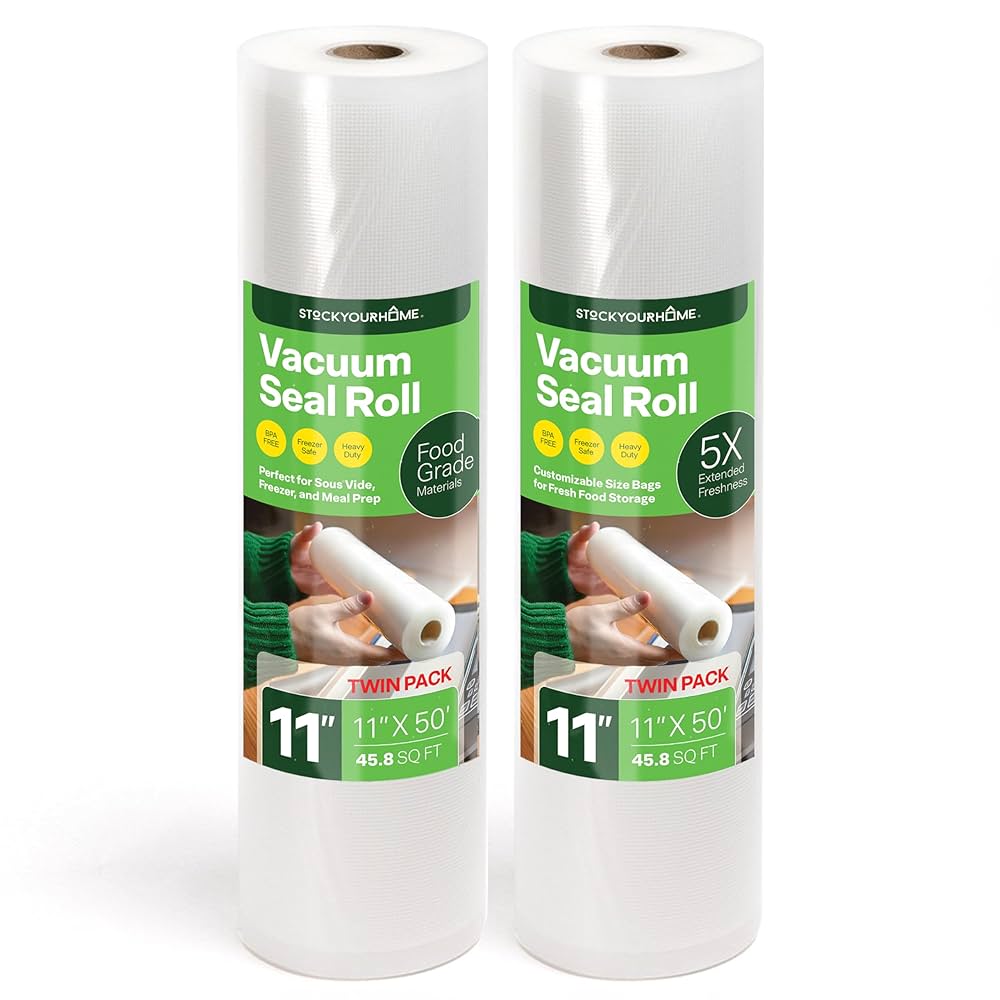
Ever found yourself in the kitchen, staring at a vacuum-sealed bag and wondering if it’s safe to pop it in the microwave? You’re not alone.
As more people turn to vacuum-sealed bags for food storage and meal prepping, this question becomes increasingly relevant. But before you press that start button, there are some crucial things you need to know. Understanding the safety and practicality of microwaving these bags can save you time and prevent possible mishaps.
So, what’s the real deal? Let’s dive into the facts, debunk the myths, and give you the confidence to make informed choices in your kitchen. Keep reading to discover the answers and ensure your meals are both delicious and safe.
Microwaving Vacuum Sealed Bags
Microwaving vacuum sealed bags is a topic many home cooks wonder about. These bags keep food fresh by removing air. But can you safely heat food inside them using a microwave? Understanding the design and materials of these bags helps answer this question.
How Vacuum Sealed Bags Work
Vacuum sealed bags remove air to stop bacteria growth. This process keeps food fresh longer. The lack of air also prevents freezer burn. These bags form a tight seal around the food. This seal stops moisture and oxygen from entering.
When microwaving, the seal can trap steam inside. This may cause the bag to puff or burst. Some bags are designed to handle heat better. Others might melt or release harmful chemicals when heated.
Materials Used In Sealed Bags
Most vacuum sealed bags use plastic layers. Common materials include:
- Polyethylene (PE)
- Polyamide (PA) or Nylon
- Polypropylene (PP)
These plastics provide strength and air barriers. Some bags are BPA-free and safe for cooking. Others are only meant for storage and not heat.
Microwave-safe vacuum bags often have special markings. They use materials that resist melting and leaching. Always check the packaging for microwave use instructions.
Safety Concerns
Microwaving vacuum sealed bags raises important safety concerns. Not all bags are designed for microwave use. Understanding these risks helps keep your food safe and healthy.
Chemical Risks In Microwaving
Some vacuum sealed bags contain chemicals that can leak when heated. These chemicals may mix with your food. This can cause health problems over time. Only use bags labeled microwave-safe. Avoid bags with unknown materials.
Heat Resistance Of Bags
Not all vacuum sealed bags tolerate high heat. Some may melt or warp in the microwave. This damages the bag and food inside. Check the packaging for heat resistance info. Use bags made from microwave-safe plastic or silicone.
Food Safety Factors
Microwaving food in sealed bags can trap steam and pressure. This might cause the bag to burst. Always leave a small opening to release steam. Ensure food heats evenly to avoid cold spots. Cold spots can harbor bacteria and cause illness.
Microwave-safe Vacuum Bags
Microwave-safe vacuum bags are designed to handle the heat generated inside your microwave without melting or releasing harmful chemicals. Not all vacuum-sealed bags can endure microwave cooking, so knowing which ones are safe is crucial for your food’s safety and quality. Understanding the features of these bags will help you decide if you can confidently heat your meals without worry.
Identifying Microwave-safe Bags
Look for clear labels on the packaging that state “microwave-safe” or “suitable for microwave use.” Manufacturers often provide this information to help you avoid guesswork. If you can’t find any label, check if the bag is made from materials like polyethylene or nylon, which generally tolerate microwave heat better.
Some bags have a special vent or valve designed to release steam during microwaving. This feature prevents the bag from bursting, making your reheating process safer. Have you ever had a sealed bag explode in the microwave? That’s exactly what these vents help prevent.
Brands And Types To Consider
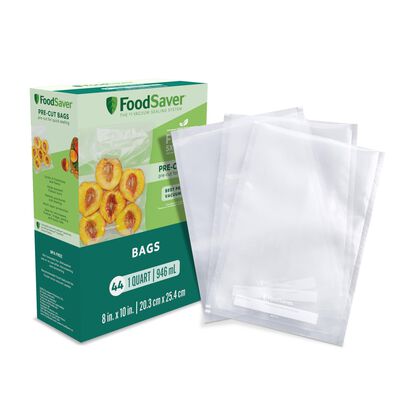
- FoodSaver: Known for their high-quality vacuum bags, FoodSaver offers microwave-safe options clearly marked for reheating convenience.
- Ziploc Vacuum Sealer Bags: These bags often come with microwave-safe claims and include venting features for steam release.
- VacMaster: Some of their vacuum bags are made from materials that can withstand microwave heat, but always check specific product details.
Choosing the right brand can save you from food safety risks and wasted meals. Have you tested any vacuum-sealed bags in your microwave? Sharing your experience might help others avoid common mistakes.
Credit: www.foodsaver.ca
Best Practices For Microwaving
Microwaving vacuum sealed bags can save time and preserve food quality, but it requires careful handling. Knowing the best practices helps you avoid common mistakes that can damage your bags or unevenly heat your food. Let’s look at how to prepare, set your microwave, and protect your bags during the process.
Preparing Bags Before Microwaving
Always check the vacuum sealed bag for any labels indicating if it is microwave-safe. If there’s no clear information, transfer the food to a microwave-safe container instead.
Before microwaving, pierce the bag or leave a small opening to allow steam to escape. This prevents pressure buildup that can cause the bag to burst.
Make sure the food inside is evenly distributed. Clumped contents can heat unevenly, leading to cold spots or overcooked areas.
Recommended Microwave Settings
Use medium or low power settings rather than full power to heat food gently. This reduces the risk of melting the bag or overheating the food’s edges.
Set short intervals—around 30 to 60 seconds—and check the food’s temperature frequently. Stir or rearrange the contents if possible to ensure even heating.
If your microwave has a defrost setting, it can be a good choice for thawing vacuum sealed frozen foods safely without cooking them.
Avoiding Bag Damage
Do not microwave vacuum sealed bags with metal clips or ties attached. Metal can cause sparks and damage your microwave.
Avoid overheating by monitoring the bag closely and stopping the microwave if you see swelling or unusual smells. Overheated bags may melt or release harmful chemicals.
After microwaving, let the bag sit for a minute before opening. This allows steam to settle and prevents burns from sudden steam release.
Alternatives To Microwaving
If you’re wondering about heating vacuum sealed bags without a microwave, there are practical alternatives that preserve flavor and texture. Microwaving can sometimes be risky with vacuum sealed packaging, but other methods offer gentle, even heating without compromising safety or taste.
These alternatives work well whether you’re reheating leftovers or cooking fresh sous vide meals. Let’s look at two reliable options that you can try at home.
Boiling Water Method
This method is simple and effective. Just heat a pot of water until it reaches a gentle boil, then submerge your vacuum sealed bag.
Keep the bag in the hot water for a few minutes, depending on the food type and thickness. This allows the heat to transfer evenly without melting the plastic.
One time, I reheated chicken breast this way and found it stayed juicy and tender—unlike the rubbery texture I got from microwaving. You might ask: how do you make sure the bag doesn’t leak? Use high-quality vacuum sealed bags designed for boiling or sous vide.
Sous Vide Cooking
Sous vide is a popular method that involves cooking food sealed in bags in a water bath at precise temperatures. It’s excellent for both cooking and reheating without overcooking.
You’ll need a sous vide machine or immersion circulator to control water temperature. Set it to the recommended temperature for your food, then place the vacuum sealed bag in the water.
This technique locks in juices and flavors, making meals taste fresh and restaurant-quality. Have you tried sous vide yet? It’s a game-changer for meal prep and can turn simple ingredients into something special.

Credit: www.amazon.com

Credit: www.amazon.ca
Frequently Asked Questions
Can You Microwave Vacuum Sealed Bags Safely?
Most vacuum sealed bags are not microwave-safe. Always check the bag’s label before microwaving. Use only bags designed for microwave use to avoid melting or harmful chemicals.
How Long Can You Microwave Vacuum Sealed Bags?
Microwave vacuum sealed bags for short intervals, usually 1-3 minutes. Overheating can damage the bag and food. Stir or check frequently to ensure even heating.
What Types Of Vacuum Sealed Bags Are Microwave Safe?
Look for bags labeled “microwave-safe” or “boilable. ” These bags withstand heat without melting or releasing toxins. Avoid regular vacuum bags not designed for microwaving.
Can Microwaving Vacuum Sealed Bags Affect Food Quality?
Microwaving in vacuum sealed bags preserves moisture and flavor. However, overheating can cause steam buildup, damaging texture. Monitor heating time to maintain food quality.
Conclusion
Microwaving vacuum sealed bags can be safe if you follow certain rules. Use bags labeled microwave-safe only. Avoid sealing with metal or foil parts inside. Always vent the bag slightly to let steam escape. Overheating can cause melting or bursting.
Check the food temperature before eating. This method saves time and keeps food fresh. Stay cautious and read instructions carefully. Safe use means better meals with less mess. Try it, but always put safety first.