
Have you ever wondered if it’s safe to mix air and nitrogen in your car tires? You might have heard different opinions and felt confused about what’s best for your vehicle.
Getting the right tire inflation can affect your car’s performance, fuel efficiency, and even your safety on the road. You’ll discover the truth about mixing air and nitrogen, and learn what really happens inside your tires. Keep reading to find out how this simple choice can make a big difference for your drive.
Air Vs Nitrogen In Tires
Many drivers wonder if they can mix air and nitrogen in car tires. Understanding the differences helps you choose the right option.
This guide compares air and nitrogen based on composition, pressure retention, and impact on tire life.
Composition Differences
Regular air is about 78% nitrogen, 21% oxygen, and small amounts of other gases. Nitrogen used in tires is nearly pure, with over 90% nitrogen content.
- Air contains moisture and oxygen which can affect tires.
- Nitrogen is dry and reduces moisture inside tires.
- Oxygen in air can cause corrosion on the tire’s metal parts.
- Nitrogen reduces oxidation and rust inside the tire.
Pressure Retention
Nitrogen molecules are larger and leak slower than oxygen. This helps tires keep pressure longer.
| Type | Leak Rate | Pressure Loss |
|---|---|---|
| Air | Faster | Loses pressure quicker |
| Nitrogen | Slower | Maintains pressure longer |
Impact On Tire Life
Using nitrogen can lower tire aging caused by moisture and oxygen inside tires. This may extend tire life slightly.
- Moisture in air can cause tire pressure changes with temperature.
- Nitrogen keeps pressure more stable in changing temperatures.
- Less oxidation means less damage to tire rubber and steel.
- You can mix air and nitrogen but pure nitrogen gives better benefits.
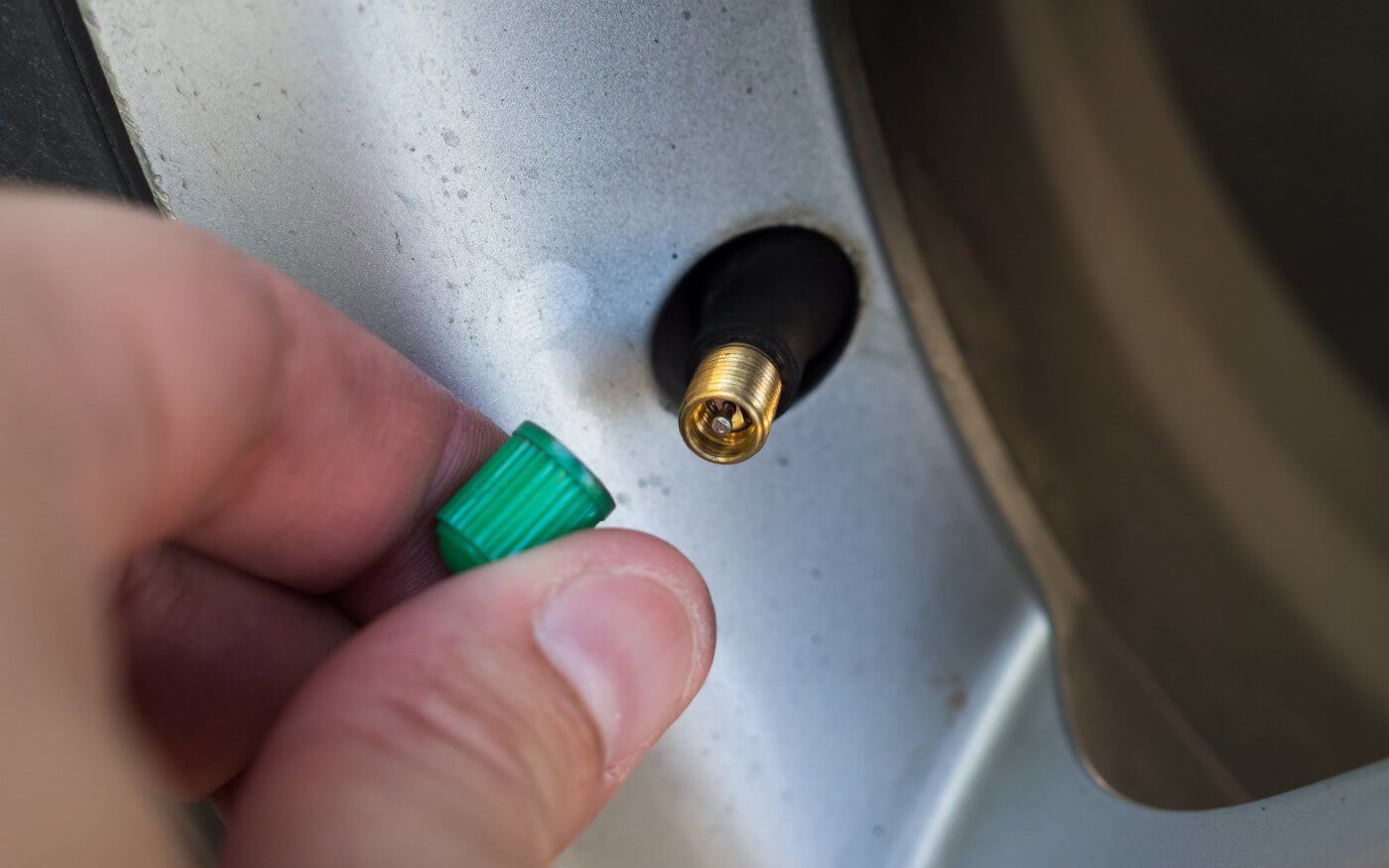
Credit: www.blackcircles.ca
Mixing Air And Nitrogen
Car tires can be filled with regular air or nitrogen gas. Some drivers wonder if mixing air and nitrogen is safe and effective. This guide looks at what happens when you mix both gases in your tires.
Understanding the effects helps you make the best choice for tire care and performance.
Is It Safe?
Mixing air and nitrogen in tires is safe. The gases do not react dangerously inside the tire. Both are mostly made of nitrogen, so combining them does not create harm.
Effects On Tire Performance
Using nitrogen alone or mixing it with air has some differences in tire performance. Nitrogen leaks slower than air, which can keep tire pressure more stable. Air contains moisture that can affect the tire over time.
- Nitrogen reduces moisture inside tires
- Air has oxygen and moisture that may cause corrosion
- Mixing gases keeps some benefits of nitrogen
- Pressure loss still happens but at a slower rate with nitrogen
Common Misconceptions
| Myth | Fact |
| Nitrogen fills never need refilling | All tires lose pressure over time |
| Mixing air and nitrogen damages tires | Mixing is safe and does not harm tires |
| Nitrogen improves fuel efficiency greatly | Benefits on fuel savings are very small |
| Only nitrogen can keep tires inflated longer | Air also keeps tires inflated but leaks faster |
Benefits Of Nitrogen Inflation
Using nitrogen to fill car tires is a choice some drivers make. It is different from normal air, which is mostly nitrogen but also has oxygen and moisture.
Nitrogen inflation offers some benefits that can improve tire performance and lifespan.
Improved Fuel Efficiency
Nitrogen helps keep tire pressure steady for longer periods. Proper tire pressure lowers rolling resistance. This means the car uses less fuel to move.
With better pressure, the engine works less hard. This saves fuel and reduces emissions.
Enhanced Tire Pressure Stability
Nitrogen molecules are larger than oxygen molecules. They escape from tires more slowly. This keeps tire pressure more stable over time.
Stable pressure means tires wear evenly. It also gives better handling and safety on the road.
Reduced Oxidation And Moisture
Regular air has moisture and oxygen that can cause rust inside the tire and wheel. Nitrogen is dry and has less oxygen.
This reduces rust and corrosion. It helps tires last longer and keeps wheels in good condition.

Credit: www.blackcircles.ca
When To Choose Nitrogen
Nitrogen is a popular alternative to air for inflating car tires. It offers several benefits that make it an attractive option for many drivers.
Driving Conditions
Nitrogen is particularly useful for drivers who frequently drive in extreme temperatures. It can help maintain tire pressure more consistently in hot or cold weather.
- Nitrogen helps maintain tire pressure in hot weather
- Nitrogen maintains tire pressure in cold weather
Vehicle Types
Nitrogen is suitable for a wide range of vehicles, including passenger cars, trucks, and SUVs. It’s also a good option for drivers who tow trailers or boats.
Some vehicles, such as high-performance cars, may require nitrogen to maintain optimal tire pressure and performance.
Cost Considerations
The cost of nitrogen is generally higher than air, but it can provide long-term benefits that may offset the extra expense.
Some tire shops and service stations may offer free nitrogen fills, which can be a convenient option for drivers who want to try nitrogen without the upfront cost.
It’s essential to weigh the costs and benefits of nitrogen for your specific driving needs and vehicle type.
How To Transition To Nitrogen
Switching from air to nitrogen in your car tires can improve tire life and performance. The change requires removing most of the air first.
This guide helps you understand the steps to safely move to nitrogen-filled tires without mixing gases.
Flushing Out Air
Remove the air inside the tire to reduce mixing with nitrogen. This step helps keep nitrogen pure inside the tire.
Use a special tool or a tire deflator valve to let the air escape. Let most of the air out but do not fully deflate the tire.
- Release air slowly and carefully
- Keep the tire firm enough to avoid damage
- Flush out air until the tire feels soft
Refilling Procedures
After flushing, refill the tire with nitrogen using a nitrogen tank or machine. Fill to the tire’s recommended pressure level.
Check the pressure with a reliable gauge and add more nitrogen if needed. Do not mix air during this process to keep nitrogen pure.
- Attach nitrogen hose to tire valve
- Fill slowly to avoid overpressure
- Check pressure and adjust as needed
- Seal valve securely after filling
Maintenance Tips
Check your tire pressure regularly to keep nitrogen benefits. Nitrogen leaks slower but tires still lose pressure over time.
Refill with nitrogen if pressure drops. Avoid adding regular air to keep the tire filled mostly with nitrogen.
- Check pressure monthly
- Use nitrogen to top off tires
- Inspect tires for damage
- Keep valves clean and tight

Credit: www.youtube.com
Frequently Asked Questions
Can You Mix Air And Nitrogen In Tires?
Yes, you can mix air and nitrogen in car tires. Nitrogen is simply dry air with the oxygen removed. Mixing them won’t cause any harm. However, the benefits of using pure nitrogen, like reduced oxidation and better pressure retention, might be diminished when mixed with air.
Why Use Nitrogen In Car Tires?
Nitrogen in tires offers several advantages. It helps maintain tire pressure longer than regular air. This leads to improved fuel efficiency and tire life. It also reduces the risk of oxidation. However, for everyday use, the benefits may not be significantly noticeable for most drivers.
Does Nitrogen Improve Fuel Efficiency?
Using nitrogen can improve fuel efficiency. It maintains tire pressure longer, reducing rolling resistance. Properly inflated tires lead to better fuel economy. However, the difference might be minimal for regular users. Regularly checking and maintaining correct tire pressure is crucial, regardless of the gas used.
Is It Safe To Mix Air And Nitrogen?
Mixing air and nitrogen in tires is safe. There are no safety risks associated with mixing the two gases. However, the unique benefits of using pure nitrogen, like reduced oxidation and better pressure retention, might be less effective when mixed with regular air.
Conclusion
Mixing air and nitrogen in car tires is safe but not necessary. Regular air already contains nitrogen. Pure nitrogen fills reduce pressure changes. But small mixes won’t harm tire performance. Keep your tires at the right pressure. Check them often for best results.
Choose what fits your needs and budget. Proper tire care matters most for safety. Simple steps help your tires last longer. Keep driving with confidence and peace of mind.