Are you wondering if it’s safe to mix freshly pumped milk with refrigerated milk? If you’re a parent or caregiver, you want to make sure your baby gets the best nutrition without any risk.
Mixing milk might seem simple, but there are important rules to follow to keep your milk fresh and healthy. You’ll discover what experts say about combining these two types of milk and learn easy tips to handle your milk safely.
Keep reading to make sure you’re doing what’s best for your little one.

Credit: www.breastfeedingnetwork.org.uk
Safety Of Mixing Milk
Mixing freshly pumped milk with refrigerated milk might seem like a simple way to save time and reduce waste. But is it truly safe? Understanding the safety aspects can help you make the best choice for your baby’s health.
Potential Risks
One main risk is that combining milk at different temperatures can speed up spoilage. Freshly pumped milk is usually at body temperature, while refrigerated milk is cold. When mixed, the overall temperature rises, which may encourage bacteria to multiply faster.
Another concern is that older milk may already have started to break down, even if it looks fine. Adding fresh milk to it can reduce the shelf life of the entire batch. This means you could unintentionally feed your baby milk that’s less safe.
Bacterial Growth Concerns
Bacteria thrive when milk sits at unsafe temperatures. If you mix warm fresh milk with cold refrigerated milk, the temperature may enter the “danger zone” between 40°F and 140°F (4°C to 60°C), where bacteria multiply rapidly.
To minimize risk, you can cool the freshly pumped milk quickly before mixing. Use a clean container and refrigerate immediately after combining. Always label the milk with the earliest pumping time, so you don’t keep the milk longer than it should.
Have you ever wondered how your storage habits affect milk safety? Paying attention to temperature and timing can protect your baby from illness and give you peace of mind.

Credit: www.reddit.com
Best Practices For Combining Milk
Combining freshly pumped milk with refrigerated milk requires care. Following best practices helps keep milk safe and fresh. Proper handling prevents bacteria growth and maintains quality. Understanding how to cool and store milk is key for good hygiene and nutrition.
Cooling Freshly Pumped Milk
Cool freshly pumped milk quickly to keep it safe. Place milk containers in the refrigerator within two hours. Use clean bottles or bags made for milk storage. Avoid leaving milk at room temperature for long periods.
Cooling milk fast slows bacterial growth. Store milk in the back of the fridge where it is coldest. Do not mix warm milk directly with cold milk. Let freshly pumped milk cool first to avoid raising the temperature of stored milk.
Storage Time Limits
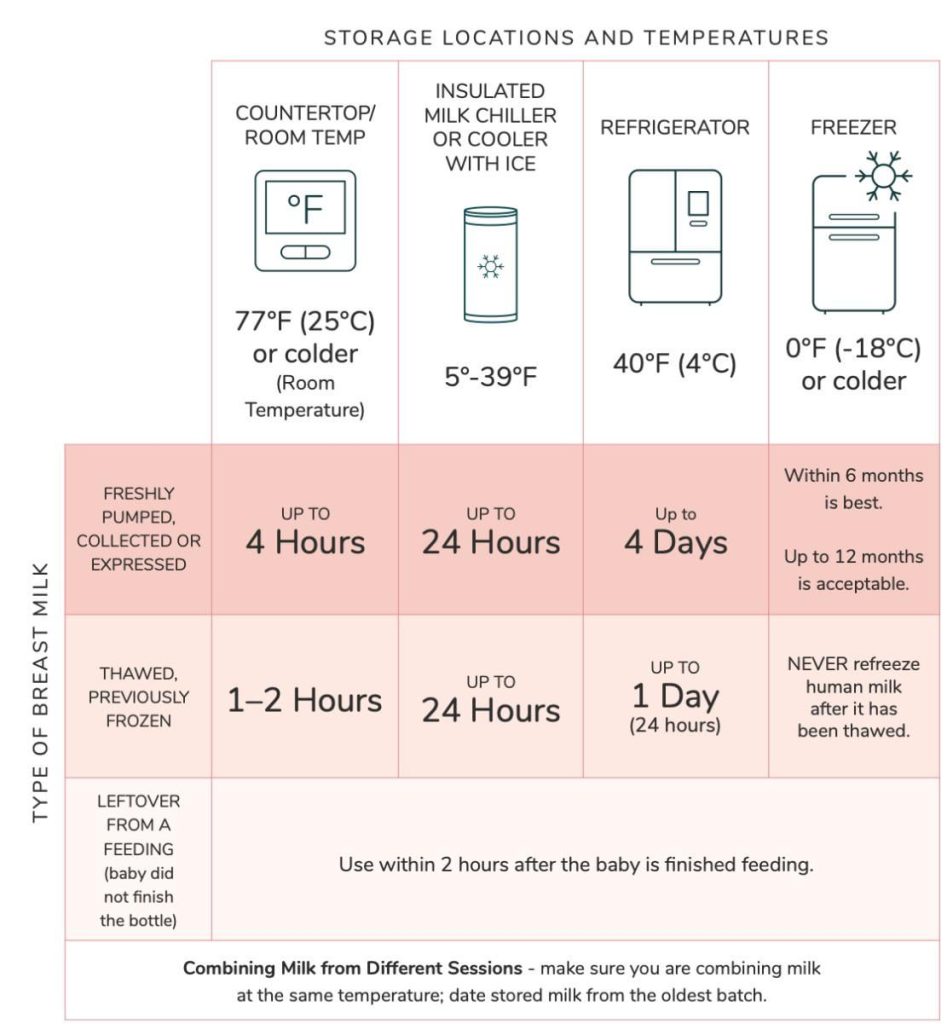
Follow recommended storage times to keep milk fresh and safe. Freshly pumped milk can stay in the fridge for up to four days. Do not mix milk that has been stored for different lengths of time.
Older milk can spoil faster if mixed with new milk. Check milk for any bad smell or changes in color before use. Label milk containers with the date and time of pumping to track freshness easily.
Nutritional Impact
Mixing freshly pumped milk with refrigerated milk raises questions about its nutritional impact. Understanding how this blend affects milk quality and nutrient levels helps ensure safe feeding for babies. Proper handling preserves milk’s benefits and avoids nutrient loss.
Effect On Milk Quality
Freshly pumped milk has active enzymes and beneficial bacteria. Refrigerated milk slows down these activities. Mixing both can change the milk’s natural balance. The fresh milk may cool faster but the overall quality might decline.
Temperature differences affect milk proteins and fats. Mixing cold milk with fresh warm milk may cause fat to separate. This changes the texture and taste. It may also reduce the milk’s natural protective elements.
Maintaining Nutrient Levels
Milk contains vitamins, minerals, and antibodies essential for babies. Cooling milk slows nutrient loss but mixing can speed up changes. Fresh milk has more live cells and vitamins. Mixing with older milk may dilute these nutrients.
To keep nutrients intact, ensure both milks are cooled properly before mixing. Avoid mixing milk stored for different times. Use milk within recommended storage times to maintain its full nutritional value.
Handling And Storage Tips
Freshly pumped milk can be mixed with refrigerated milk only if the fresh milk is cooled first. Always chill fresh milk before combining to keep it safe. Store the mixed milk in clean, sealed containers to maintain freshness.
Handling and storing breast milk properly is crucial for maintaining its quality and ensuring the safety of your baby. Mixing freshly pumped milk with refrigerated milk can be convenient, but it requires careful consideration of how you handle and store it. By following a few essential tips, you can ensure your milk remains fresh and safe for your little one.Proper Containers
Choosing the right container is key. Always use clean, BPA-free plastic or glass bottles with tight-fitting lids. Breast milk storage bags are also a good option as they are designed specifically for this purpose and take up less space in the fridge. Label each container with the date and time of pumping. This helps you use the oldest milk first, reducing waste. Make sure the containers are well-sealed to prevent any possible contamination.Temperature Guidelines
Temperature plays a crucial role in maintaining milk’s freshness. Freshly pumped milk should be cooled in the refrigerator before being combined with already chilled milk. Mixing them at different temperatures can affect the quality. Keep your refrigerator at a consistent temperature of 39°F (4°C). If you’re unsure about your fridge’s temperature, consider using a thermometer to monitor it regularly. Consistent cooling ensures that your milk stays safe for your baby. Have you ever noticed how different milk can smell or taste after being stored? Consistent temperature management can help prevent those off-flavors. Keeping these tips in mind can make a big difference in how you manage your milk supply.Signs Of Spoiled Milk
Knowing the signs of spoiled milk is crucial, especially when you’re mixing freshly pumped milk with refrigerated milk. It helps you avoid wasting good milk and keeps your baby safe from potential tummy troubles. Recognizing these signs early can save you from unpleasant surprises and ensure the milk you feed is fresh and healthy.
Visual Changes
One of the easiest ways to spot spoiled milk is by looking at it closely. Fresh milk is smooth and consistent, but spoiled milk often looks lumpy or curdled.
Notice if the milk separates into layers or has a watery texture at the top. These visual changes are clear red flags. Even a slight change in color, like a yellowish or grayish tint, should make you pause.
Smell And Taste Indicators
Smell is a powerful way to check milk freshness. Fresh milk has a mild, neutral scent, while spoiled milk gives off a sharp, sour odor that’s hard to ignore.
If you’re unsure, a small taste test can help, but only if the milk passes the visual and smell checks first. Spoiled milk tastes sour and unpleasant, so trust your senses. Have you ever found milk that looked fine but smelled off? That’s a sign you should always rely on smell before mixing or feeding.

Credit: kiinde.com
When To Avoid Mixing
Knowing when to avoid mixing freshly pumped milk with refrigerated milk is crucial for keeping your baby safe and healthy. Certain situations increase the risk of contamination or spoilage, which can affect milk quality and your infant’s well-being. Being mindful of these moments helps you make the best feeding choices.
Milk From Sick Mothers
If you’re feeling under the weather, it’s better to keep freshly pumped milk separate from refrigerated milk. Illness can change the milk’s composition or introduce germs that might affect stored milk.
For example, if you have a cold or flu, your immune system is active, and your milk may contain antibodies your baby needs. However, mixing milk from sick periods with previously pumped milk can dilute these protective benefits or risk contamination.
Ask yourself: Is it worth risking your baby’s health by mixing milk during illness? The safest choice is to label and store milk separately until you’re fully recovered.
Extended Storage Times
Milk stored for different lengths of time should not be combined. Freshly pumped milk has a shorter safe storage window compared to milk already refrigerated for several days.
Mixing milk stored for a day with milk stored for a week can cause the older milk to spoil faster, affecting the entire batch. This can lead to wasted milk and possibly upset your baby’s digestion.
Keep track of dates on your milk containers, and only mix milk that has similar storage times. This simple habit helps maintain freshness and keeps your baby’s feedings safe.
Frequently Asked Questions
Can You Mix Freshly Pumped Milk With Refrigerated Milk?
Yes, you can mix freshly pumped milk with refrigerated milk. Ensure both are cooled to the same temperature before combining. Mixing helps maintain milk quality and storage safety. Always label the milk with the date of the oldest milk before refrigerating.
Is It Safe To Combine Fresh And Stored Breast Milk?
Combining fresh and stored breast milk is safe if handled properly. Cool freshly pumped milk before mixing. Use clean containers and store milk at the right temperature. Follow storage guidelines to prevent bacterial growth and preserve milk nutrients.
How Long Can Mixed Breast Milk Stay Refrigerated?
Mixed breast milk can be refrigerated for up to 4 days at 4°C (39°F). Keep the milk in a sealed container. Use the oldest milk’s date as the reference for storage time. Always smell and check milk before feeding.
Does Mixing Affect Breast Milk’s Nutritional Quality?
Mixing freshly pumped and refrigerated milk does not affect nutrition. Cooling and proper storage preserve vitamins and antibodies. Avoid warming milk repeatedly to maintain quality. Handle milk gently to protect its beneficial properties.
Conclusion
Mixing freshly pumped milk with refrigerated milk is safe if done carefully. Always cool fresh milk quickly before combining. Keep the milk cold to stop bacteria growth. Use clean containers to avoid contamination. Mixing helps save milk and reduces waste.
Remember to label the milk with dates for freshness. Trust your senses—smell and taste milk before use. This simple step keeps your baby healthy and happy.