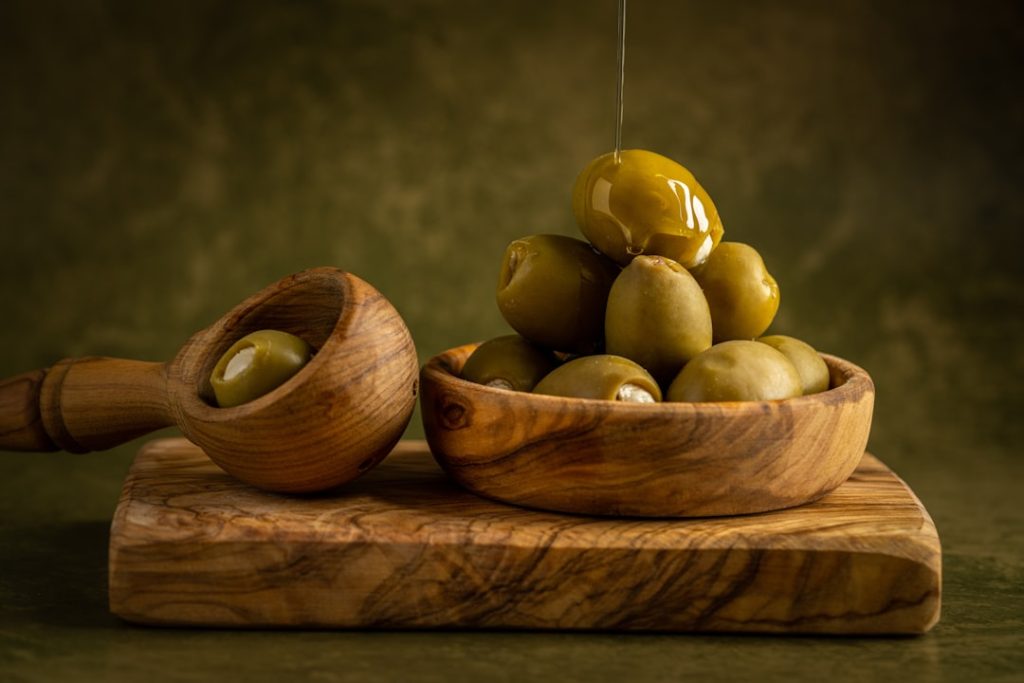
You probably want your cutting board to last a long time and stay in great shape. But when it comes to oiling it, you might wonder if olive oil is a good choice.
After all, it’s natural, easy to find, and already in your kitchen. The truth is, not all oils are safe or effective for your cutting board. If you’re curious about whether olive oil can protect and nourish your board, keep reading.
You’ll learn what really works and how to keep your cutting board looking and feeling its best for years to come.
Types Of Oils For Cutting Boards
Oiling a cutting board helps protect the wood from drying out. It also prevents cracks and bacteria buildup. Choosing the right oil is important for safety and effectiveness.
Some oils are safe for food contact and keep your board in good shape. Others can spoil or harm the wood over time. Let’s look at food-safe oils and oils to avoid.
Food-safe Oils
Food-safe oils do not go rancid quickly. They soak well into wood and protect it. These oils keep your cutting board safe for food use.
- Mineral oil – A common choice that is odorless and tasteless.
- Walnut oil – Natural and safe, but watch for nut allergies.
- Beeswax blends – Often mixed with mineral oil for extra protection.
- Coconut oil (refined) – Has a long shelf life and is food-safe.
- Pure tung oil – Penetrates wood deeply and resists water.
Oils To Avoid
Some oils spoil quickly or leave sticky residues. They can cause your board to smell bad or grow bacteria. Avoid these oils for cutting boards.
| Oil | Reason to Avoid |
|---|---|
| Olive oil | Turns rancid quickly and leaves sticky surface. |
| Vegetable oil | Can go bad and attract bacteria. |
| Canola oil | Prone to spoilage and bad odors. |
| Butter or cooking fats | Not stable and can spoil on wood. |
Credit: www.oliviko.com
Properties Of Olive Oil
Olive oil is a common kitchen oil used for cooking and dressings. Many people wonder if it is safe to use olive oil to oil a cutting board.
Understanding the properties of olive oil helps to know if it can protect wood well or cause damage.
Composition And Shelf Life
Olive oil is mostly made of fats called triglycerides. It has many healthy parts like antioxidants and vitamins.
The oil can go bad over time. It usually lasts about 18 to 24 months if stored well. Exposure to heat, light, or air can shorten its life.
- Main fats: oleic acid (about 70%) and some linoleic acid
- Contains antioxidants like polyphenols
- Vitamins E and K are present
- Shelf life: 18 to 24 months unopened
- Store in a cool, dark place to keep fresh
Potential Risks For Wood
Using olive oil on wood can cause problems. It does not dry or harden, which means it stays sticky.
Olive oil can turn rancid and smell bad. This can affect your cutting board and the food you cut on it. The oil may also attract dirt and germs.
- Does not create a hard protective layer
- Can become sticky or gummy over time
- Might develop a bad smell when it goes rancid
- Can attract dust and bacteria
- Not recommended for long-term wood care
Effects Of Olive Oil On Cutting Boards
Oiling cutting boards helps keep them in good shape. People often wonder if olive oil is safe to use. This article looks at how olive oil affects cutting boards.
We will cover two main topics: rancidity concerns and impact on wood durability. This will help you decide if olive oil is a good choice for your board.
Rancidity Concerns
Olive oil can go bad over time. This means it can turn rancid and smell bad. Rancid oil can leave sticky or foul residues on your cutting board.
- Olive oil is a natural oil prone to oxidation.
- Oxidation causes the oil to become rancid.
- Rancid oil can attract dirt and bacteria.
- Using rancid oil may harm the hygiene of the cutting board.
- It is best to avoid olive oil if you want long-lasting freshness.
Impact On Wood Durability
Olive oil does not harden in the wood. This can cause problems with durability. The wood may stay soft and absorb moisture more easily.
| Effect | Olive Oil | Food-Safe Mineral Oil |
| Hardening | No | Yes |
| Water Resistance | Low | High |
| Risk of Rancidity | High | None |
| Wood Protection | Moderate | Strong |
Credit: www.thefondlife.com
Best Practices For Oiling Cutting Boards
Oiling a cutting board keeps it from drying out and cracking. It also helps stop food from sticking to the surface.
Choosing the right oil and applying it correctly will protect your board for a long time.
Recommended Oils
Not all oils are safe for cutting boards. Olive oil can go bad and make the board sticky or smelly.
Look for oils that are food-safe and do not spoil easily. These oils protect wood well and last longer.
- Mineral oil is the best choice. It is safe and does not go rancid.
- Beeswax mixed with mineral oil adds extra protection.
- Coconut oil can work if it is refined and pure.
- Avoid cooking oils like olive oil or vegetable oil.
Application Techniques
Clean the board well before oiling. Dry it completely to help the oil soak in.
Apply oil with a soft cloth or paper towel. Use small amounts and rub it in evenly.
- Rub oil on all surfaces, including edges and sides.
- Let the oil soak for several hours or overnight.
- Wipe off any extra oil to avoid a sticky surface.
- Repeat oiling every month or when the board looks dry.
Alternatives To Olive Oil
Olive oil is not the best choice for oiling cutting boards. It can turn rancid and make the wood sticky.
There are safer and longer-lasting options that keep your cutting board in good shape.
Mineral Oil Benefits
Mineral oil is a popular choice for treating cutting boards. It is odorless and tasteless, so it won’t affect your food.
This oil soaks deep into the wood and helps protect it from water damage and cracking.
- Food-safe and non-toxic
- Prevents wood from drying out
- Easy to apply and absorbs well
- Long-lasting protection
Beeswax And Other Options
Beeswax is often mixed with mineral oil to create a thicker coating. This mix seals the wood and adds extra protection.
Other natural oils like coconut oil or walnut oil can be used, but some can go rancid too. Always check if they are food-safe.
- Beeswax helps seal and protect the wood surface
- Coconut oil is natural but may turn sticky
- Walnut oil dries hard but may cause allergies
- Choose oils labeled as food-safe for cutting boards

Credit: www.freepik.com
Maintenance Tips For Cutting Boards
Cutting boards need regular care to stay clean and last longer. Proper maintenance keeps the board safe for food preparation.
Oiling your cutting board helps protect the wood. But not all oils are good for this use.
Cleaning And Drying
Wash your cutting board with warm water and mild soap after use. Avoid soaking it in water to prevent warping.
Dry the board immediately with a clean towel. Let it air dry standing up to allow air circulation.
- Use a soft sponge or cloth for cleaning
- Do not put the board in the dishwasher
- Dry both sides to avoid moisture buildup
Frequency Of Oiling
Oiling your cutting board keeps the wood from drying out and cracking. Use food-safe mineral oil instead of olive oil.
Olive oil can go bad and make the board sticky or smelly. Mineral oil lasts longer and protects better.
- Oil your board once a month if used often
- Apply oil after cleaning and drying the board
- Rub oil in with a soft cloth until absorbed
- Wipe off any extra oil after 20 minutes
Frequently Asked Questions
Can You Oil A Cutting Board With Olive Oil?
Using olive oil on a cutting board is not recommended. Olive oil can turn rancid and create a sticky surface. Food-safe mineral oil is a better choice for conditioning wooden boards.
What Is The Best Oil For Cutting Boards?
Food-grade mineral oil is the best for cutting boards. It doesn’t go rancid and protects the wood effectively. It keeps the board hydrated and prevents cracking.
How Often Should You Oil A Cutting Board?
Oiling a cutting board every 3 to 4 weeks is ideal. Frequent oiling maintains the wood’s condition and extends the board’s life. More frequent oiling is needed if the board is used daily.
Can Olive Oil Damage A Wooden Cutting Board?
Yes, olive oil can damage wood by turning sticky and rancid. This creates an unpleasant smell and attracts bacteria. Avoid olive oil to keep your board safe and clean.
Conclusion
Olive oil can seem like a good choice to oil cutting boards. But it can turn sticky and rancid over time. Food-safe mineral oil works better to protect wood. It keeps the board smooth and safe for food. Regular oiling helps prevent cracks and warping.
Clean and dry your board before applying oil. This care will extend your cutting board’s life. Choose oils that keep your kitchen safe and clean. Your cutting board will stay fresh and strong longer. Simple care makes a big difference in your kitchen tools.