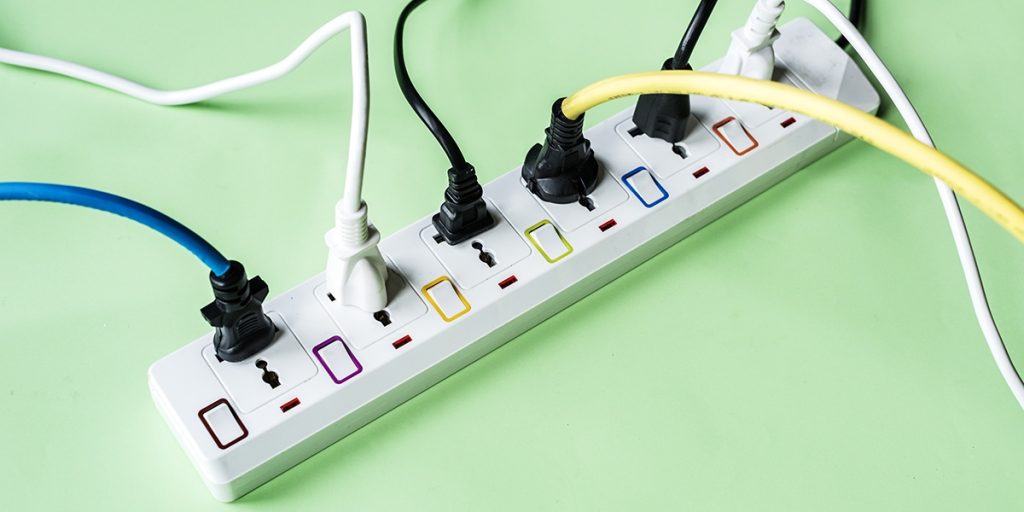
Have you ever wondered if it’s safe to plug your air conditioner into an extension cord? If you’re trying to cool your space quickly, this might seem like an easy fix.
But before you reach for that extension cord, you need to know the risks and the right way to do it. Using the wrong setup could damage your AC or even cause a fire. Keep reading to discover what you should do to keep your home cool and safe at the same time.
Air Conditioner Power Needs
Air conditioners need a lot of power to work well. Their typical wattageranges from 500 to 1500 wattsdepending on size and type. The currentthey use can be between 4 to 12 amps. This is important for safe use.
The startup poweris higher than running power. When turning on, an AC can draw 2 to 3 timesmore electricity for a short time. This is called the surge current. After starting, the AC uses less power to keep cool.
| Power Type | Watts | Current (Amps) |
|---|---|---|
| Running Power | 500 – 1500 | 4 – 12 |
| Startup Power (Surge) | 1000 – 4500 | 8 – 36 |

Credit: northnjhvac.com
Extension Cord Types
Heavy-duty extension cordsare best for air conditioners. They have thicker wires and can handle more power. Light-duty cords are thin and made for small devices only. Using a light-duty cord can cause overheating and fire risk.
| Type | Use | Wire Gauge | Length | Power Capacity |
|---|---|---|---|---|
| Heavy-Duty | Air conditioners, power tools | 12 or 14 gauge | 25 to 100 feet | Higher amps, safer for big loads |
| Light-Duty | Lamps, phone chargers | 16 to 18 gauge | up to 50 feet | Lower amps, not for big appliances |
Cord length affects safety. Longer cords have more resistance and can heat up. Thicker wires (lower gauge number) reduce this risk. A 12-gauge cord is safer for longer lengths. Always check the cord’s power rating before use.
Risks Of Using Extension Cords
Using an extension cordfor an air conditioner can cause serious problems. The cord may overheatbecause it is not built for high power. Overheating can lead to fire hazards. This risk increases if the cord is thin or damaged.
Voltage drop is another issue. Extension cords can reduce the electric powerthat reaches the air conditioner. This makes the unit work harder and less efficiently. It may even damagethe appliance over time.
| Risk | Description |
|---|---|
| Overheating | Extension cords may heat up and cause fires if not rated for the power. |
| Fire Hazards | Overheating cords can ignite nearby materials, creating a fire risk. |
| Voltage Drop | Power loss reduces AC efficiency and can harm the unit over time. |

Credit: www.reddit.com
When Extension Cords Are Safe
Extension cords for air conditioners must be short and thick. A short cord reduces power loss and heat build-up. Thick cords carry more electricity safely. Thin or long cords can overheat and cause fires.
Check the cord ratingbefore use. The cord must match or exceed the air conditioner’s power needs. Look for the ampere ratingon the cord label. It should be equal or higher than the AC unit’s current draw.
| Cord Feature | Why It Matters | Recommended Specification |
|---|---|---|
| Length | Shorter cords reduce risk of overheating | Less than 25 feet |
| Thickness (Gauge) | Thicker wire carries more current safely | 12 or 10 gauge for AC units |
| Current Rating (Amps) | Must meet or exceed AC unit’s amperage | Check AC specs, cord label |
Safer Alternatives
Using a heavy-duty extension cord designed for high power can be safer for air conditioners. Choosing cords with the right gauge reduces the risk of overheating and fire. Always check the air conditioner’s power needs before connecting to an extension.
Dedicated Circuits
Dedicated circuitshelp keep your air conditioner safe. These circuits have their own breaker and wiring. This stops other devices from using the same power. It lowers the risk of overheatingor power surges. A dedicated circuit gives steady and strong electricity. It helps your air conditioner run well and last longer.
Using Power Strips Correctly
Only use power stripsmade for heavy devices. Check the strip’s power rating before plugging in. Avoid overloadingwith too many devices. Keep power strips on flat surfaces. Do not cover them or place near water. Unplug strips when not in use. This reduces fire risks and keeps your space safe.

Credit: www.reddit.com
Installation Tips
Extension cords can cause overheatingand fire risksif not used properly. Always choose a heavy-duty cordrated for your air conditioner’s power. Make sure the cord’s wire gaugematches or exceeds the appliance’s needs.
Keep cords away from waterand sharp objects. Avoid running cords under carpets or through doorways to prevent damageand tripping hazards. Use cords with grounding plugsfor added safety.
- Check cords regularly for frays or cuts.
- Replace damaged cords immediately.
- Inspect the air conditioner’s plug and outlet for burn marksor looseness.
- Keep the connection clean and dry.
Frequently Asked Questions
Can I Use Any Extension Cord For My Air Conditioner?
No, only heavy-duty extension cords designed for high power should be used. Regular cords can overheat and cause hazards.
Is It Safe To Plug An Air Conditioner Into An Extension Cord?
Generally, it’s unsafe due to high current draw. Use direct wall outlets or recommended cords to prevent fire risks.
What Extension Cord Gauge Is Suitable For Air Conditioners?
Use a 12-gauge or lower number cord for most air conditioners. Thicker wires handle more current safely without overheating.
How Long Can An Extension Cord Be For An Ac Unit?
Keep extension cords under 25 feet for optimal performance. Longer cords increase resistance and reduce the AC’s efficiency.
Conclusion
Using an extension cord for an air conditioner can be risky. Most air conditioners need a direct, strong power source. Extension cords might not handle the high power required. This can cause overheating or even fire hazards. Choose a heavy-duty extension cord if absolutely necessary.
Always check the cord’s power rating before use. Better yet, plug the air conditioner directly into a wall outlet. Safety should always come first to keep your home and family safe. Stay smart and cautious with your air conditioner setup.