Are you wondering if you can pour concrete when the temperature drops below freezing? You’re not alone.
Many people face this challenge and worry about whether their concrete will set properly or crack later. Pouring concrete in cold weather isn’t as simple as it seems, but knowing the right steps can save you time, money, and frustration.
You’ll discover what happens to concrete in freezing temperatures and how you can make sure your project succeeds no matter the weather. Keep reading to learn the essential tips that will help you pour strong, durable concrete even when it’s freezing outside.
Challenges Of Cold Weather Pouring
Pouring concrete below freezing presents many challenges. Cold weather affects the concrete’s strength and setting time. The water inside the mix can freeze, causing damage and weakening the structure. Special care is needed to protect the concrete during and after pouring.
Effects Of Freezing Temperatures On Concrete
Freezing temperatures slow down the hydration process. Hydration is the chemical reaction that hardens concrete. When water freezes, it expands and can crack the concrete. Ice formation inside the mix reduces the concrete’s final strength. The surface may also become rough and uneven.
Risks Of Improper Curing In Cold
Cold weather makes curing concrete difficult. Proper curing keeps the concrete moist and at the right temperature. Without proper curing, concrete can dry out too fast. This leads to cracks and weak spots. Low temperatures can stop hydration, leaving concrete soft and fragile. Poor curing increases the chance of long-term damage.
Common Issues Faced
- Cracking due to freezing water inside the concrete.
- Delayed setting times, causing construction delays.
- Reduced strength and durability of the finished concrete.
- Surface scaling and flaking from frost damage.
- Difficulty in maintaining temperature during curing.

Credit: vegasconcretehub.com
Preparing For Cold Weather Concrete
Pouring concrete below freezing temperatures requires special care. Cold weather slows down the curing process and can cause damage. Proper preparation ensures strong, durable concrete despite the cold. Several key factors help protect the concrete and speed up curing.
Selecting The Right Concrete Mix
Choose a mix designed for cold weather use. These mixes have lower water content to reduce freezing risk. Use concrete with air-entrainment to protect against freeze-thaw cycles. A mix with faster setting time helps concrete gain strength quicker. Avoid mixes with high water-cement ratios as they freeze easily.
Using Accelerators And Additives
Add accelerators to speed up the curing process. Calcium chloride is a common accelerator but use it carefully to avoid corrosion. Non-chloride accelerators offer safer alternatives. Use additives that improve workability and reduce water content. These chemicals help concrete set before freezing can damage it.
Ensuring Proper Site Preparation
Clear snow, ice, and frost from the site before pouring. Use insulated blankets or heated enclosures to keep concrete warm. Warm the ground if it is frozen to prevent freezing from below. Protect the concrete from wind and cold drafts during curing. Proper site preparation helps maintain temperature and moisture needed for curing.
Techniques For Pouring Below Freezing
Pouring concrete in freezing temperatures requires careful attention and specific techniques to ensure the mix cures properly. Without the right precautions, the concrete can freeze before it sets, compromising its strength and durability. Let’s explore how you can manage the process effectively when the mercury dips below freezing.
Heating Materials And Equipment
Start by warming your materials before mixing. Use heated water and store cement and aggregates in a warm place to prevent them from being too cold. This helps the concrete start at a higher temperature, reducing the risk of freezing during the initial set.
Consider using heated enclosures or tents around the work area. Portable heaters can raise the ambient temperature, creating a more controlled environment for the concrete pour. Have you tried using insulated blankets over your materials to keep heat in? It’s a simple trick that can make a big difference.
Maintaining Temperature During Pour
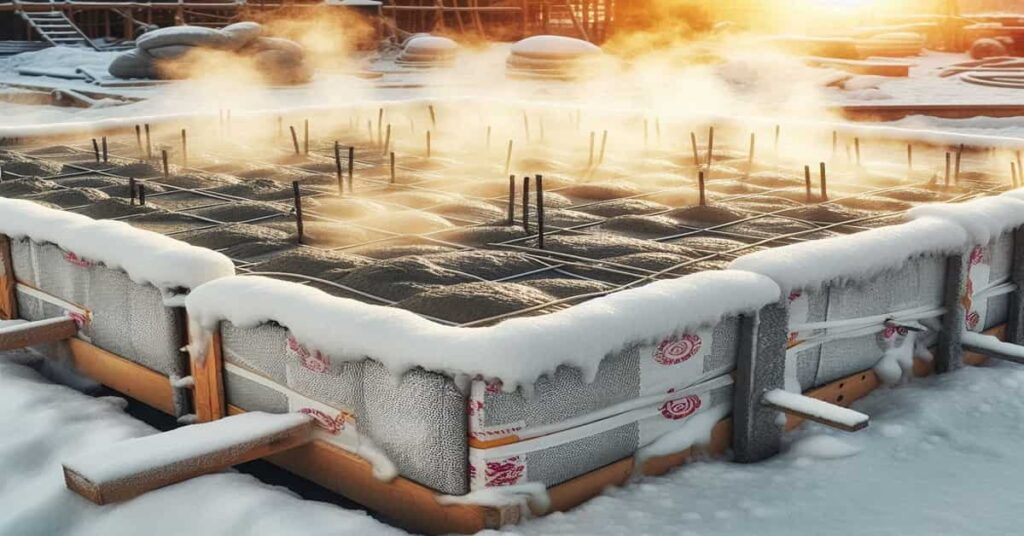
Once you pour the concrete, maintaining its temperature is crucial. Use insulated forms or thermal blankets to trap heat and prevent rapid cooling. These coverings act like a shield against freezing air, giving the concrete time to develop strength.
Another tip is to pour concrete during the warmest part of the day. This reduces exposure to extreme cold and helps the curing process. Have you noticed how timing your pour can influence the quality of your concrete?
Protecting Concrete After Placement
After placing the concrete, protect it from freezing for at least the first 24 to 48 hours. Use insulated blankets or heated enclosures to maintain warmth during this critical curing phase. Avoid removing these protections too early, as the concrete needs consistent heat to gain strength.
Keep an eye on weather forecasts and be ready to add extra insulation or heat if sudden temperature drops occur. This proactive approach can save your project from costly repairs down the line.

Credit: www.pro-mixconcrete.co.uk
Curing Methods In Freezing Conditions
Pouring concrete below freezing needs careful curing to ensure strength and durability. Cold temperatures slow down the chemical reactions that harden concrete. Proper curing methods protect concrete from freezing, which can cause cracks and weaken the structure. These techniques help maintain the right temperature and moisture levels during curing.
Insulation And Thermal Blankets
Insulation keeps concrete warm by trapping heat during curing. Thermal blankets made from materials like fiberglass or foam cover the concrete surface. These blankets stop cold air and wind from cooling the concrete too fast. They also hold moisture in, preventing the concrete from drying out. Using insulation is a simple and cost-effective way to protect concrete in freezing weather.
Heated Enclosures And Tents
Heated enclosures create a warm space around the concrete. Workers set up tents or temporary shelters around the pour site. Heaters inside keep the air temperature above freezing. This method allows concrete to cure properly, even in very cold weather. It also protects the concrete from snow and ice. Heated enclosures are ideal for large or critical pours that need precise temperature control.
Monitoring Temperature And Moisture
Keeping track of temperature and moisture is crucial for curing in cold conditions. Use sensors or thermometers to check concrete temperature regularly. Moisture meters help ensure the concrete stays damp enough to cure. Adjust insulation or heating based on these readings. Monitoring helps avoid problems like freezing or drying out. Consistent checks improve the quality and strength of the cured concrete.
Safety And Compliance Tips
Pouring concrete below freezing requires special care to ensure safety and compliance. Cold weather affects concrete curing and worker conditions. Following guidelines helps avoid damage and accidents. Focus on local rules and protecting workers during cold pours.
Following Local Codes And Standards
Local codes set rules for concrete work in freezing temperatures. These rules protect the structure and ensure durability. Check specific regulations for your area before starting. They often require using heaters or additives. Documentation and inspections may be mandatory. Always keep records of materials and methods used.
Worker Safety In Cold Conditions
Cold weather can be dangerous for workers on site. Frostbite and hypothermia are real risks. Provide warm clothing and breaks in heated shelters. Use gloves and insulated boots to protect hands and feet. Keep workers hydrated and monitor their health closely. Train workers on signs of cold-related illnesses. Safety plans must include emergency procedures for cold stress.
Troubleshooting Common Problems
Pouring concrete below freezing brings unique challenges. Cold temperatures can affect how concrete cures and its final strength. Troubleshooting common problems helps ensure a strong, durable surface. Understanding typical issues prevents costly repairs and delays. Focus on key problems like cracking and slow strength gain to protect your project.
Dealing With Cracking And Scaling
Cracking happens when concrete freezes before it fully cures. Ice crystals expand and cause cracks. To reduce this:
- Use warm water in the mix.
- Cover concrete with insulated blankets.
- Avoid rapid temperature changes during curing.
Scaling occurs when the surface peels or flakes. It often results from freezing water inside the concrete. Prevent this by:
- Adding air-entrainment agents to the mix.
- Ensuring proper drainage around the concrete.
- Sealing the surface after curing.
Addressing Slow Strength Gain
Cold slows the chemical reaction that hardens concrete. This delays strength development and increases vulnerability. Speed up strength gain by:
- Using accelerators in the concrete mix.
- Maintaining a warm environment around the pour.
- Heating the mixing water or aggregates.
Monitor the temperature and protect the concrete until it reaches adequate strength. Patience and proper care help avoid weak spots and future damage.
Credit: vegasconcretehub.com
Frequently Asked Questions
Can You Pour Concrete In Freezing Temperatures?
Yes, you can pour concrete below freezing if you use special techniques. These include heated enclosures and additives to prevent freezing.
What Happens If Concrete Freezes While Curing?
If concrete freezes during curing, it weakens the structure. Freezing stops hydration, causing cracks and reduced strength.
How To Protect Concrete From Freezing Cold?
Use insulated blankets, heaters, or thermal enclosures to keep concrete warm. Also, use accelerators or antifreeze admixtures to speed curing.
Is It Safe To Pour Concrete Below 32°f?
Pouring concrete below 32°F is risky without precautions. Proper measures must ensure the concrete temperature stays above freezing for at least 24-48 hours.
Conclusion
Pouring concrete in freezing temperatures can be challenging. Careful planning is crucial. Use thermal blankets to keep concrete warm. Choose the right mix for cold conditions. Monitor the temperature closely throughout the process. This ensures concrete sets properly. Protecting concrete from freezing is vital for strength.
Follow the right steps to avoid potential damage. Always prioritize safety and quality in cold weather projects. With the right techniques, successful concrete work is possible, even in winter.