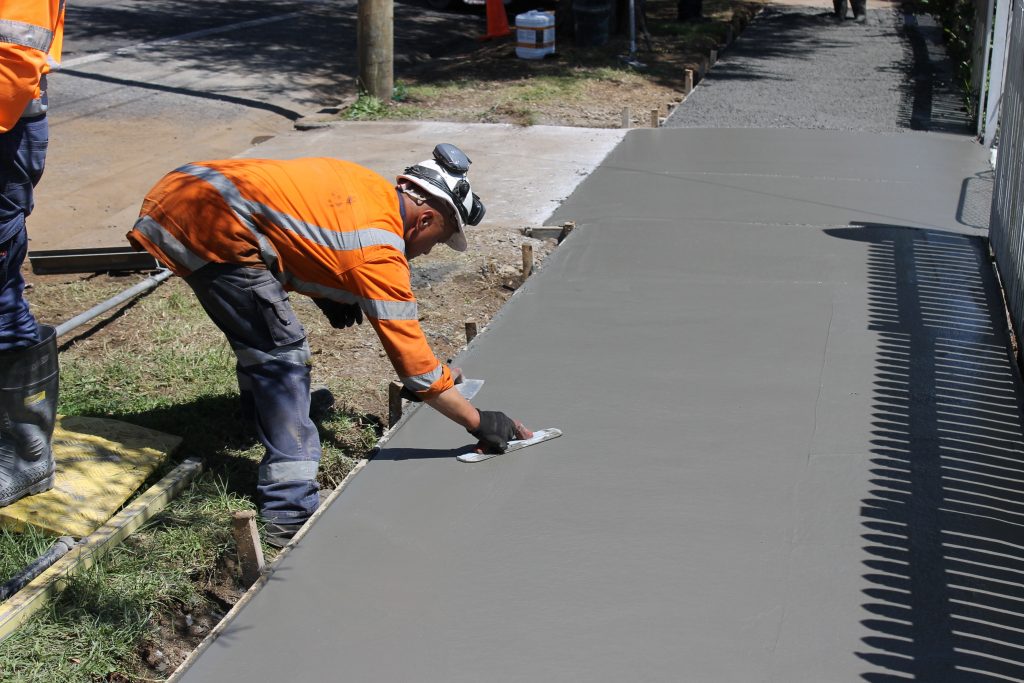
Pouring concrete is an art as much as it is a science, especially when nighttime temperatures dip below freezing. You might be wondering if it’s possible to lay concrete under these chilly conditions.
Before you grab your trowel and start mixing, it’s crucial to understand the potential impacts cold temperatures can have on your project. The last thing you want is to pour your time, effort, and money into concrete that might not set properly.
This guide will walk you through the risks and rewards of working with concrete when the thermometer drops, ensuring your project stands the test of time. Ready to discover how to keep your concrete from cracking under pressure? Let’s dive in!
Credit: www.preferred1mn.com
Risks Of Pouring Concrete In Freezing Conditions
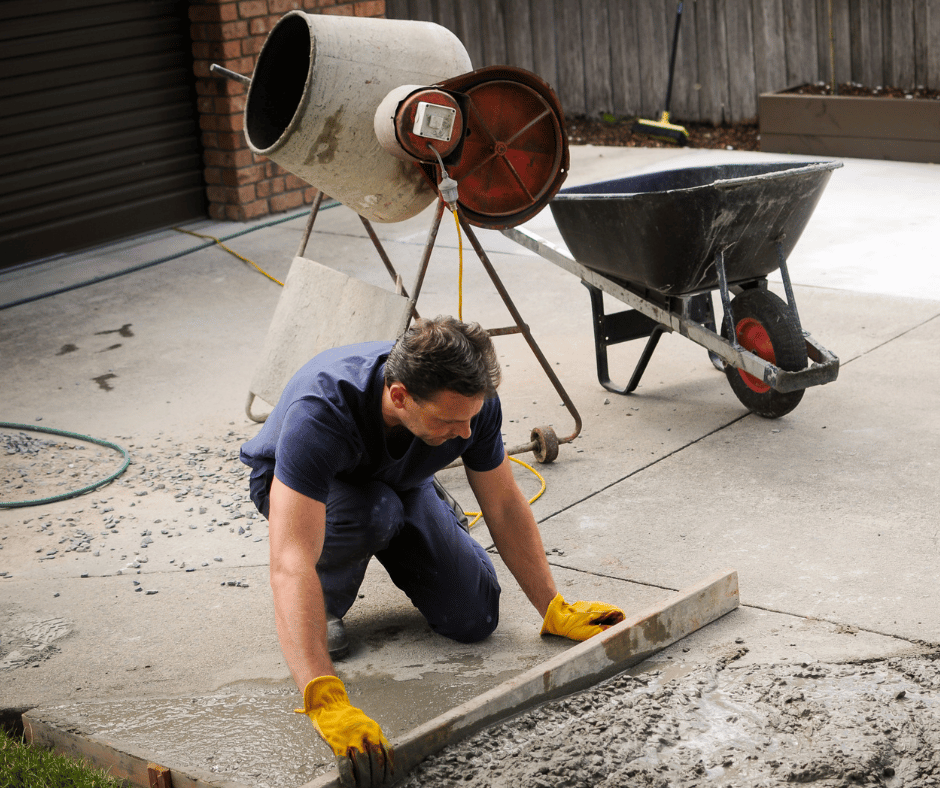
Pouring concrete when temperatures drop below freezing carries significant risks. The hydration process, which is essential for concrete to gain strength, slows down dramatically or even stops in freezing conditions. This can lead to weak, damaged concrete that may not last as long as you need it to.
Effects Of Freezing On Concrete Strength
Concrete gains strength through a chemical reaction with water called hydration. When water inside the concrete freezes, it expands and causes tiny cracks. These cracks weaken the overall structure and can reduce the concrete’s long-term durability.
Even if the surface looks fine, the inside may be compromised. This hidden damage often leads to premature failure of the concrete. You might not see the problem right away, but it will affect your project’s lifespan.
Common Problems Faced
- Scaling:The surface peels or flakes off due to freeze-thaw cycles.
- Reduced Strength:Concrete may never reach its intended strength.
- Cracking:Expansion of freezing water causes cracks throughout the slab.
- Delays:Repairing or re-pouring frozen concrete wastes time and money.
Have you ever noticed concrete that looks fine but chips away after a winter? That’s often the result of poor timing in cold weather. These problems can make your investment go to waste if you don’t plan carefully.
Why Timing Matters
Pouring concrete during the day and hoping it won’t freeze overnight is risky. Concrete needs several hours above 50°F (10°C) to cure properly. If temperatures drop below freezing too soon, the hydration process stalls.
Protecting fresh concrete with blankets or heaters can help, but knowing when to pour is key. Waiting for a stretch of warmer weather might delay your project, but it saves you from costly repairs later. What’s more important to you: rushing or quality?
Credit: www.angi.com
Preparing For Cold Weather Concrete Pouring
Pouring concrete in cold weather can be tricky, especially if temperatures drop below freezing at night. Proper preparation is key to ensure your concrete sets correctly and gains strength without damage. Let’s look at practical ways to get your concrete ready for cold conditions.
Choosing The Right Concrete Mix
Not all concrete mixes work well in cold weather. You want a mix with a lower water-to-cement ratio because too much water can freeze and weaken the concrete. Consider using a mix with a higher cement content or one specifically designed for cold weather.
These mixes often set faster, which helps prevent freezing before the concrete cures. Have you checked the mix specifications before ordering? It can make a big difference in your project’s success.
Using Admixtures To Prevent Freezing
Admixtures are additives that improve concrete’s performance under cold conditions. For example, antifreeze admixtures lower the freezing point of the water in your mix. This keeps the concrete workable even when temperatures dip below zero.
Accelerators are another type that speed up setting and strength gain. Adding them can reduce the time your concrete is vulnerable to freezing. Think about how these additives might save you time and prevent costly repairs later.
Site Preparation Tips
Preparing the site properly helps protect your concrete from freezing. Start by clearing snow and ice, then cover the ground with insulating materials like gravel or plywood. This keeps the base warm and stable.
Also, consider using heated enclosures or blankets over the poured concrete. These methods maintain the right temperature for curing. Have you planned how to keep your site warm overnight? It’s often the step that gets overlooked but matters most.
Techniques To Protect Concrete Overnight
Protecting concrete overnight, especially when temperatures drop below freezing, is crucial to ensure it sets properly without damage. Concrete that freezes too soon can lose strength and durability, making your project vulnerable. Understanding effective techniques to shield your concrete during those cold nights can save you time, money, and frustration.
Insulation Methods
Insulating your concrete keeps the temperature stable and prevents it from freezing. You can use rigid foam boards or insulated blankets specifically designed for concrete curing. These materials trap heat generated by the curing process, maintaining a warmer environment around the concrete.
Another easy trick is to build a temporary enclosure around the pour site. Using tarps combined with insulation can create a mini greenhouse effect. Have you tried layering insulation to see how much longer it keeps the concrete warm?
Heating Options For Concrete
Sometimes insulation alone isn’t enough, and adding heat becomes necessary. Electric heating mats or cables embedded beneath the concrete can provide consistent warmth. These tools allow you to control the temperature precisely, reducing the risk of freezing.
Alternatively, portable heaters placed inside an enclosure can raise the ambient temperature. But be cautious—too much heat can dry the concrete too fast, causing cracks. Finding the right balance is key to proper curing.
Covering And Curing Strategies
Covering concrete with plastic sheets or curing blankets helps retain moisture and heat. Moisture retention is vital because dry concrete can crack and weaken. A tight cover prevents cold air from seeping in and keeps the curing process on track.
Consider using curing compounds that form a protective film on the surface. These compounds reduce water evaporation, especially important in freezing conditions. Have you noticed how these simple covers can make a big difference in concrete quality overnight?
Monitoring And Maintenance After Pouring
After pouring concrete in freezing conditions, your job isn’t done. Monitoring and maintenance play a crucial role in ensuring the concrete cures properly and remains strong. Neglecting this phase can lead to costly repairs and weaken the structure.
Checking Temperature And Moisture
Keep a close eye on the temperature around the concrete. Ideally, it should stay above 50°F (10°C) during the curing period. Use a thermometer to track the air and surface temperature regularly.
Moisture is equally important. Concrete needs to stay moist to cure correctly, but too much water combined with freezing temperatures can cause damage. Using a moisture meter can help you find the right balance.
When To Remove Protective Measures
Protective blankets or insulation are often used to keep concrete warm overnight. But how do you know when to take them off? Remove these coverings only when the concrete has gained enough strength, usually after a few days, and the temperature remains stable above freezing.
Removing them too early exposes the concrete to freezing, while leaving them on too long can trap moisture and cause other issues. Testing the concrete’s hardness can guide your timing.
Signs Of Freeze Damage
Watch out for cracks, scaling, or powdery surfaces; these are common signs of freeze damage. You might also notice uneven color or crumbling edges, which indicate the concrete didn’t cure properly.
If you detect these problems early, you can often repair or reinforce the concrete before it worsens. Have you checked your recent concrete projects for these signs? Early detection can save you time and money.
Expert Recommendations For Successful Pours
Pouring concrete when nighttime temperatures drop below freezing can be tricky. To get a strong, lasting pour, you need to plan carefully and consider expert advice. Here are key recommendations to help you pour concrete successfully even if it freezes at night.
Scheduling And Planning
Timing is crucial. Aim to pour concrete during the warmest part of the day to give it a better chance to set before temperatures fall. Check weather forecasts closely and avoid pouring if a hard freeze is expected within 24 hours.
Consider using accelerators in your mix to speed up curing. These additives help concrete gain strength faster, reducing the risk of freeze damage. You might also want to cover freshly poured concrete with insulating blankets to protect it overnight.
Working With Professionals
Concrete experts bring experience that can save you time and money. They know which mix designs work best in cold weather and can recommend additives like antifreeze agents or special cements. Plus, pros have the right equipment to keep the concrete warm during curing.
Don’t hesitate to ask your contractor about their cold-weather pouring strategies. Their insights can prevent costly mistakes and ensure your project stays on track. Have you ever worked with a pro who helped you avoid concrete issues?
Long-term Durability Tips
Protecting the concrete during its first few days is vital for long-term strength. Keep it covered and maintain a stable temperature around the pour. Sudden temperature drops can cause cracking, so plan for insulation methods like heated enclosures or insulated forms.
Regularly monitor the concrete’s condition during curing. If cracks appear, address them quickly to avoid deeper damage. A well-cured concrete slab in freezing conditions can last just as long as one poured in warmer weather—if you take the right steps.

Credit: www.youtube.com
Frequently Asked Questions
Can You Pour Concrete If It Freezes At Night?
Yes, you can pour concrete before freezing nights. Use additives and insulation to protect it from frost damage. Proper curing methods are essential for strength and durability.
What Happens If Concrete Freezes During Curing?
Freezing water in curing concrete causes cracks and weakens its structure. It reduces strength and durability, leading to long-term damage.
How Can You Protect Concrete From Freezing Temperatures?
Cover concrete with insulating blankets or use heated enclosures. Add antifreeze admixtures to the mix to prevent freezing during curing.
Is Cold Weather Concrete Pouring More Expensive?
Yes, cold weather pouring requires extra materials and labor. Insulation, additives, and heating increase the overall cost but ensure quality results.
Conclusion
Pouring concrete when nights freeze is tricky but possible. Protect the fresh concrete with blankets or heaters. Cold slows curing and can cause cracks without care. Plan the timing and use additives to help strength. Watch the weather and act fast to keep concrete safe.
This helps ensure your project lasts long and stays strong. Careful steps make a big difference in cold weather work.