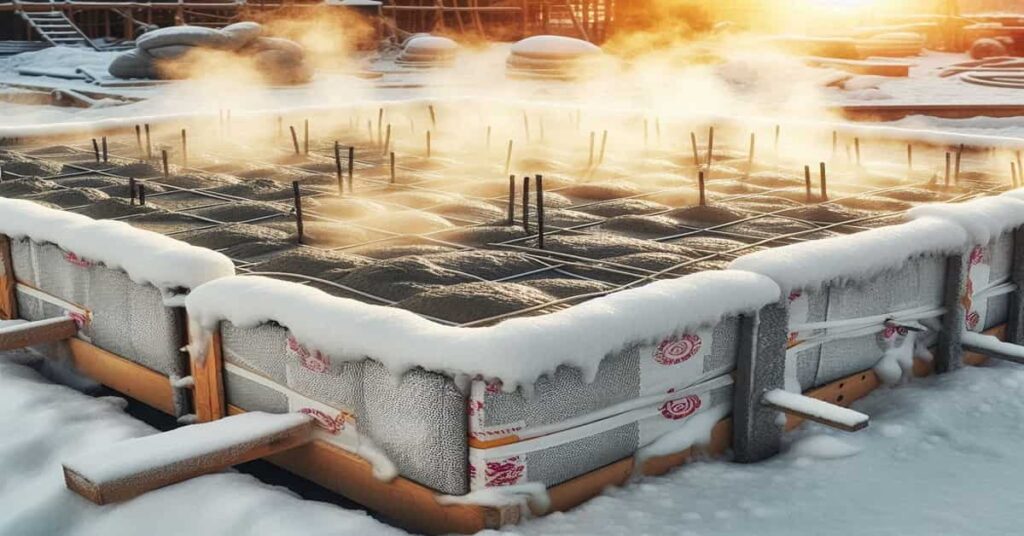
Are you planning a concrete project but worried about freezing temperatures? You might be asking yourself, “Can you pour concrete when it’s freezing outside?” This is a common concern because cold weather can affect how concrete sets and lasts.
But don’t let the cold stop your plans just yet. Understanding what happens to concrete in freezing weather and how to handle it can save you time, money, and headaches. Keep reading to discover the key tips and tricks that will help your concrete work succeed, no matter how chilly it gets.

Credit: www.pro-mixconcrete.co.uk
Challenges Of Pouring Concrete In Cold
Pouring concrete in cold weather brings unique challenges that can affect the quality and strength of your project. The low temperatures slow down the chemical reactions necessary for concrete to set and cure properly. This means you need to understand how freezing conditions impact your work to avoid costly mistakes.
Effects Of Freezing On Concrete
Freezing temperatures can cause water inside the concrete mix to turn into ice. This expansion damages the concrete’s internal structure, leading to cracks and reduced durability.
Cold weather also delays the hydration process—the chemical reaction that hardens concrete. If the concrete freezes before it sets, it may never reach full strength.
Have you noticed how some concrete surfaces become powdery or flaky after winter? That’s often due to improper curing in freezing conditions.
Risks Of Cold Weather Pouring
Pouring concrete when temperatures drop below 40°F (4°C) increases the risk of poor curing. This can result in weak concrete that fails to support your structure.
Another risk is rapid temperature changes. If the concrete freezes and then thaws repeatedly, it can develop surface scaling and internal damage.
Cold weather also affects your schedule. Concrete may take days or even weeks longer to cure, which can delay your entire project timeline.
- Increased chance of cracking
- Weakened final strength
- Longer curing times
- Potential surface scaling
Are you prepared to handle these risks and ensure your concrete stands the test of cold weather?
Preparing For Cold Weather Concrete
Pouring concrete in cold weather requires careful planning. Cold temperatures slow down concrete curing. This can cause weak or damaged concrete if not managed well. Preparing for cold weather concrete helps maintain strength and durability despite the chill.
Selecting The Right Concrete Mix
Choose a concrete mix designed for low temperatures. These mixes often contain less water and more cement. This reduces freezing risk and speeds up curing. Use air-entrained concrete to improve resistance to freeze-thaw cycles. This type of mix traps tiny air bubbles to protect the concrete.
Using Accelerators And Additives
Add accelerators to the concrete mix to speed up setting time. Calcium chloride is a common accelerator but use it carefully to avoid corrosion. Other additives improve workability and reduce water content. These help concrete harden faster and resist freezing damage.
Ensuring Proper Site Preparation
Clear snow, ice, and debris from the pouring area. Use insulated blankets or heated enclosures to keep the concrete warm. Warm the ground if possible before pouring. Maintain temperature above freezing for at least 48 hours after pouring. Protect concrete from wind and moisture to avoid rapid cooling.
Techniques For Pouring In Freezing Temperatures
Pouring concrete in freezing weather requires careful preparation to prevent damage. Use heated water, additives, and insulation to help the concrete set properly. Protecting the mix from frost ensures strong, durable results despite cold temperatures.
Pouring concrete in freezing temperatures poses unique challenges. Cold weather affects the curing process, leading to potential structural issues. To ensure a strong foundation, specific techniques are essential. Below are effective methods to pour concrete successfully in cold conditions.Preheating Materials And Equipment
Preheat your materials before starting. Use heated water for mixing concrete. Keep aggregates warm by storing them indoors or using heaters. Preheat equipment like mixers and trucks. This prevents the concrete from freezing too quickly. Maintaining a warm environment helps the curing process.Timing The Pour Correctly
Choose the warmest part of the day for pouring. Morning sun can help raise temperatures slightly. Check the weather forecast for any sudden drops. Avoid pouring when temperatures are expected to fall quickly. Timing is crucial to ensure proper setting.Protecting Concrete After Pouring
After pouring, protect the concrete immediately. Use thermal blankets or insulating sheets. Cover the area completely to retain heat. Insulation helps maintain the right temperature for curing. Avoid removing covers too soon. Wait until the concrete is properly set.
Credit: vegasconcretehub.com
Curing Concrete In Cold Weather
Curing concrete in cold weather requires special care to ensure strong and durable results. Low temperatures slow down the chemical reactions that harden concrete. Without proper curing, concrete can freeze and crack. This damages the structure and reduces its lifespan.
Effective curing keeps the concrete warm and moist during the critical early stages. This helps the concrete gain strength and resist damage. Several techniques help maintain the right conditions in cold weather.
Maintaining Temperature And Moisture
Concrete needs a stable temperature above freezing to cure well. Keeping it warm prevents ice formation inside the mix. Moisture is also essential for hydration, the chemical process that hardens concrete.
- Cover fresh concrete with plastic sheets to trap heat and moisture.
- Spray water carefully to keep the surface damp without freezing.
- Use insulated blankets to maintain warmth and reduce moisture loss.
Using Insulation And Heating Methods
Insulation protects concrete from cold air and wind. Heating methods provide extra warmth during very low temperatures.
- Apply insulated blankets or foam boards over the concrete.
- Use heated enclosures or tents around the pour area.
- Install electric heating mats beneath or around the concrete.
- Heat water or materials mixed in concrete to raise initial temperature.
Monitoring Concrete Strength Development
Regular checks ensure concrete gains strength despite cold conditions. Measuring early strength helps decide when to remove protection.
- Use concrete maturity meters or temperature sensors.
- Test samples in a controlled environment for strength progress.
- Record temperature and strength data to track curing success.
- Adjust curing methods based on monitoring results.
Common Mistakes To Avoid
Pouring concrete in freezing weather needs extra care. Many make simple mistakes that hurt the final result. Avoiding these errors helps the concrete cure well and stay strong.
Here are common mistakes to watch out for during cold weather concrete work.
Ignoring Temperature Effects
Cold slows concrete curing. Ignoring this can cause weak concrete and cracks. Concrete may freeze before it sets. This stops hydration, which is needed to harden concrete. Always check the temperature forecast before starting.
Poor Planning And Scheduling
Bad timing causes problems. Pouring concrete late in the day lets it freeze overnight. Not preparing materials and workers in advance wastes time. Plan to pour when temperatures are highest. Schedule extra time for curing in the cold.
Inadequate Protection Measures
Not protecting fresh concrete is a big mistake. Covering with blankets or plastic shields it from frost. Heat sources help keep the right temperature. Without protection, freezing damages the surface and structure. Use proper insulation and monitor conditions closely.

Credit: www.gra-rock.com
When To Delay Concrete Pouring
Knowing when to delay concrete pouring can save you time, money, and frustration. Pouring concrete during freezing temperatures without proper precautions can weaken the structure and cause costly repairs. Understanding the right moments to hold off is crucial for a strong, lasting project.
Assessing Weather Forecasts
Always check the weather forecast multiple days ahead. If temperatures are expected to drop below 40°F (4°C) within 24 hours of your pour, consider postponing. Sudden cold snaps can freeze the water in the mix, preventing proper curing.
Look beyond just temperature. Pay attention to wind chill and precipitation too. Snow or heavy frost can add moisture and chill the concrete surface, leading to surface damage and cracking.
Have you ever started a project only to have a surprise freeze ruin your work? That experience highlights why keeping an eye on detailed weather updates is key before you pour.
Evaluating Site Conditions
Site conditions play a big role in whether you should proceed. Is the ground frozen or covered in ice? Frozen soil can cause uneven settling and poor bonding with the concrete.
Consider the exposure of your site. Concrete poured in shaded or poorly ventilated areas will take longer to cure and is more vulnerable to freezing. Sunlit, sheltered spots tend to be safer for cold weather pours.
Take note of your equipment and materials too. Are heaters or insulation blankets available to protect the concrete after pouring? Without these, waiting for warmer conditions might be the wiser choice.
Frequently Asked Questions
Can Concrete Cure Properly In Freezing Temperatures?
Concrete can cure in freezing temperatures but requires special measures. Use heated water, additives, or insulation to prevent freezing. Proper curing ensures strength and durability despite cold conditions.
What Additives Help Concrete Set In Cold Weather?
Additives like accelerators and antifreeze agents speed up curing in cold weather. They reduce freezing risk and improve concrete strength. Using the right additives is essential for successful cold-temperature pours.
How Do You Protect Concrete From Freezing After Pouring?
Cover fresh concrete with insulating blankets or plastic sheets to retain heat. Use heated enclosures or ground heaters if needed. Protecting concrete prevents surface damage and ensures proper curing.
Is Pouring Concrete In Freezing Weather Cost-effective?
Pouring concrete in freezing weather can increase costs due to extra materials and labor. However, with proper preparation, the investment ensures durable, quality results without delays. Plan carefully to balance cost and quality.
Conclusion
Pouring concrete in freezing weather takes careful planning and effort. Cold slows the curing process and can weaken concrete if not protected. Use warm materials, insulation, and curing blankets to keep concrete safe. Timing matters. Avoid pouring during extreme cold when possible.
With the right steps, strong concrete is possible even in low temperatures. Stay cautious and prepared for the cold’s effects. Quality work depends on how you manage the cold.