Have you ever wondered if tossing your Brita filter into the dishwasher is a safe shortcut to getting it squeaky clean? You’re not alone!
Many people find themselves questioning the best way to maintain their Brita’s freshness without compromising its functionality. We’re diving into the ins and outs of cleaning your Brita filter. We’ll uncover the truth about whether the convenience of a dishwasher will do the trick or if it’s a risky move for your favorite water purifier.
Stick with us as we explore the perfect method to keep your Brita in top shape, ensuring every glass of water you pour is as pure and refreshing as it should be. You won’t want to miss these practical tips that could save you time and keep your Brita performing at its best!

Credit: blog.keoffers.co.ke
Brita Filter Components
Understanding the Brita filter components is key before deciding whether you can put your Brita pitcher in the dishwasher. Each part has a specific role and material composition that affects how it should be cleaned. Knowing these details helps protect your filter’s lifespan and keeps your water tasting fresh.
Pitcher Parts
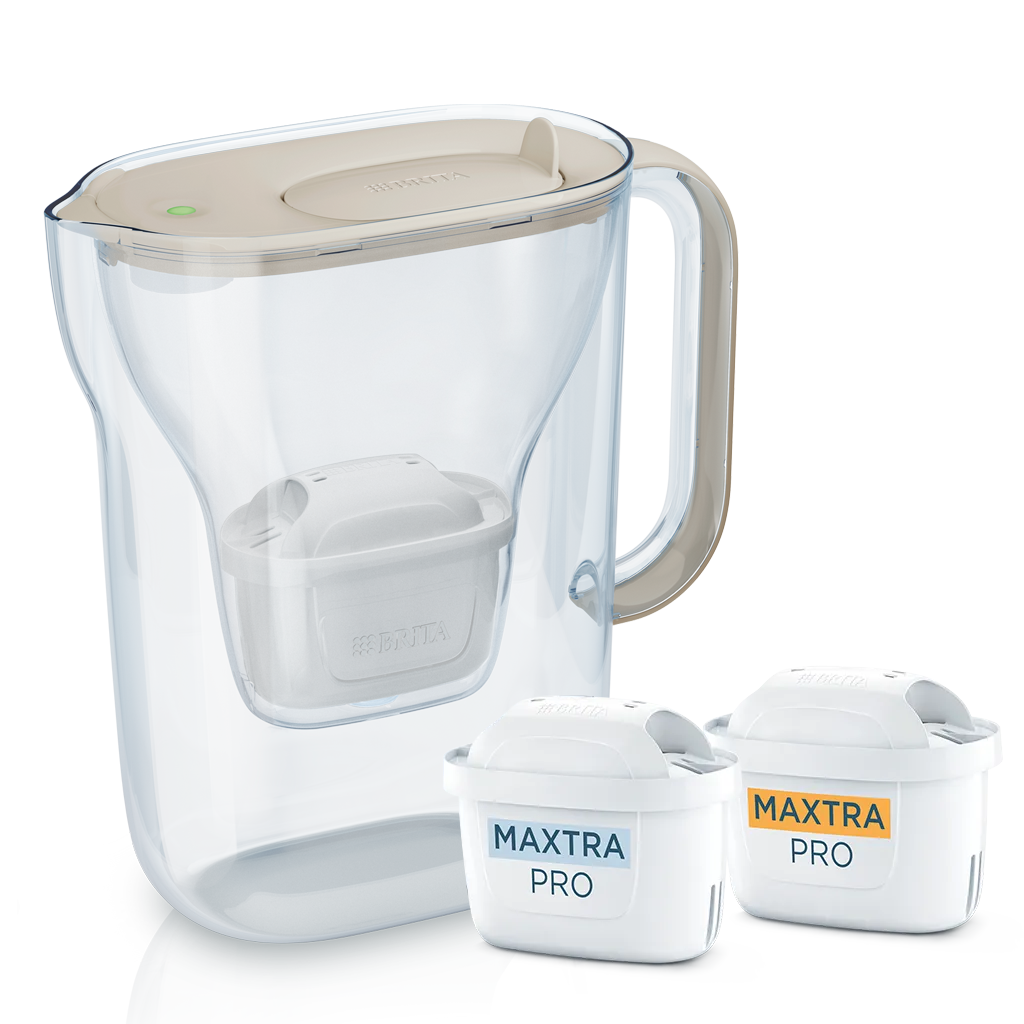
The Brita pitcher mainly consists of three parts: the reservoir, the lid, and the pitcher body. The reservoir holds the water before it passes through the filter. The lid covers the pitcher, often with a flip-top for easy pouring, and the pitcher body collects the filtered water.
These parts are usually made from BPA-free plastic, which is lightweight and durable. However, not all plastics are dishwasher safe, especially under high heat. Have you noticed your plastic pitcher warping or discoloring after a wash cycle? That’s a sign it shouldn’t go in the dishwasher.
Filter Elements
The filter element contains activated carbon and an ion-exchange resin. These materials trap chlorine, heavy metals, and impurities to improve water taste and quality. The filter itself is not designed to be cleaned or reused; it needs replacement after filtering a certain number of gallons.
Exposing the filter to water from a dishwasher cycle can damage its delicate components. You’ll want to avoid putting the filter in the dishwasher entirely. Instead, simply rinse it under cold water before use. This keeps the filter working effectively without risking damage.
Dishwasher Safety For Brita
Wondering if you can toss your Brita pitcher or filter parts into the dishwasher? Understanding dishwasher safety is key to keeping your Brita in top shape without risking damage. Let’s break down what you need to know to avoid common pitfalls and extend the life of your water filter system.
Manufacturer Instructions
Your first stop should always be the Brita manufacturer’s guidelines. They clearly state which parts are dishwasher safe and which aren’t. For instance, most Brita pitchers and lids are top-rack dishwasher safe, but the filter cartridges must never go in the dishwasher.
Ignoring these instructions can lead to warping or damage that voids your warranty. Have you checked your specific model’s manual recently? It’s surprising how slight differences in design affect cleaning methods.
Material Durability
Brita pitchers are made from durable BPA-free plastic, but high heat and harsh detergents in dishwashers can weaken the material over time. Plastic parts may become cloudy, brittle, or crack if placed in the bottom rack or exposed to intense heat cycles.
If you want your Brita to last, consider hand washing delicate parts like the lid and pitcher base. Filters are best replaced rather than cleaned—dishwasher exposure can ruin their filtering ability. What’s your experience with keeping kitchen gadgets intact after repeated dishwasher cycles?
Risks Of Dishwasher Cleaning
Cleaning your Brita pitcher in the dishwasher might seem like a convenient idea. However, it comes with risks that could reduce the lifespan of your pitcher and affect its performance. Understanding these risks helps you decide the best way to keep your Brita clean without causing damage.
Filter Damage
The Brita filter is not designed to withstand dishwasher heat or water pressure. Putting it in the dishwasher can cause the filter to break down or clog prematurely.
This means your filter may stop working properly, affecting water taste and filtration quality. Have you noticed your water tasting off after dishwasher cleaning? That could be why.
Pitcher Warping
Brita pitchers are made from plastic materials that can warp under high heat. The dishwasher’s hot water and drying cycles can change the shape of your pitcher.
Warping can cause leaks or make the lid fit poorly, defeating the purpose of using a pitcher. Do you want to risk ruining your pitcher for the sake of a quick clean? Hand washing is often safer and more effective.

Credit: www.brita.mt
Proper Cleaning Methods
Keeping your Brita filter clean is essential to maintain fresh-tasting water and ensure the filter works efficiently. While it might be tempting to toss your Brita pitcher or parts into the dishwasher, understanding the proper cleaning methods helps protect its components and extends its lifespan. Let’s dive into the best ways to clean your Brita safely and effectively.
Hand Washing Tips
Hand washing your Brita pitcher and components is often the safest way to clean them without causing damage. Use warm water and mild dish soap to gently scrub the pitcher, lid, and reservoir.
- A soft sponge or cloth works better than abrasive scrubbers, which can scratch the plastic.
- Pay close attention to corners and crevices where buildup can hide.
- Rinse thoroughly to remove any soap residue that could affect water taste.
Have you noticed a strange taste after cleaning? That might be leftover soap, so double-check your rinsing step.
Sanitizing Options
Sometimes, regular washing isn’t enough, especially if you haven’t cleaned your Brita for a while. Sanitizing helps kill bacteria and keep your water safe.
You can sanitize your Brita parts by soaking them in a solution made of one teaspoon of unscented bleach per gallon of water for about 2 minutes. After soaking, rinse everything thoroughly with clean water.
If bleach feels too harsh, try a vinegar soak instead. Mix equal parts white vinegar and water, soak for 10 minutes, then rinse well. Do you find vinegar easier to use, or do you prefer bleach’s quick action?
Filter Replacement Guidelines
Knowing when and how to replace your Brita filter is crucial for maintaining clean, fresh-tasting water. Ignoring these guidelines can lead to reduced filtration efficiency and even potential health risks. Let’s take a closer look at the key points that help you keep your Brita working at its best.
When To Replace
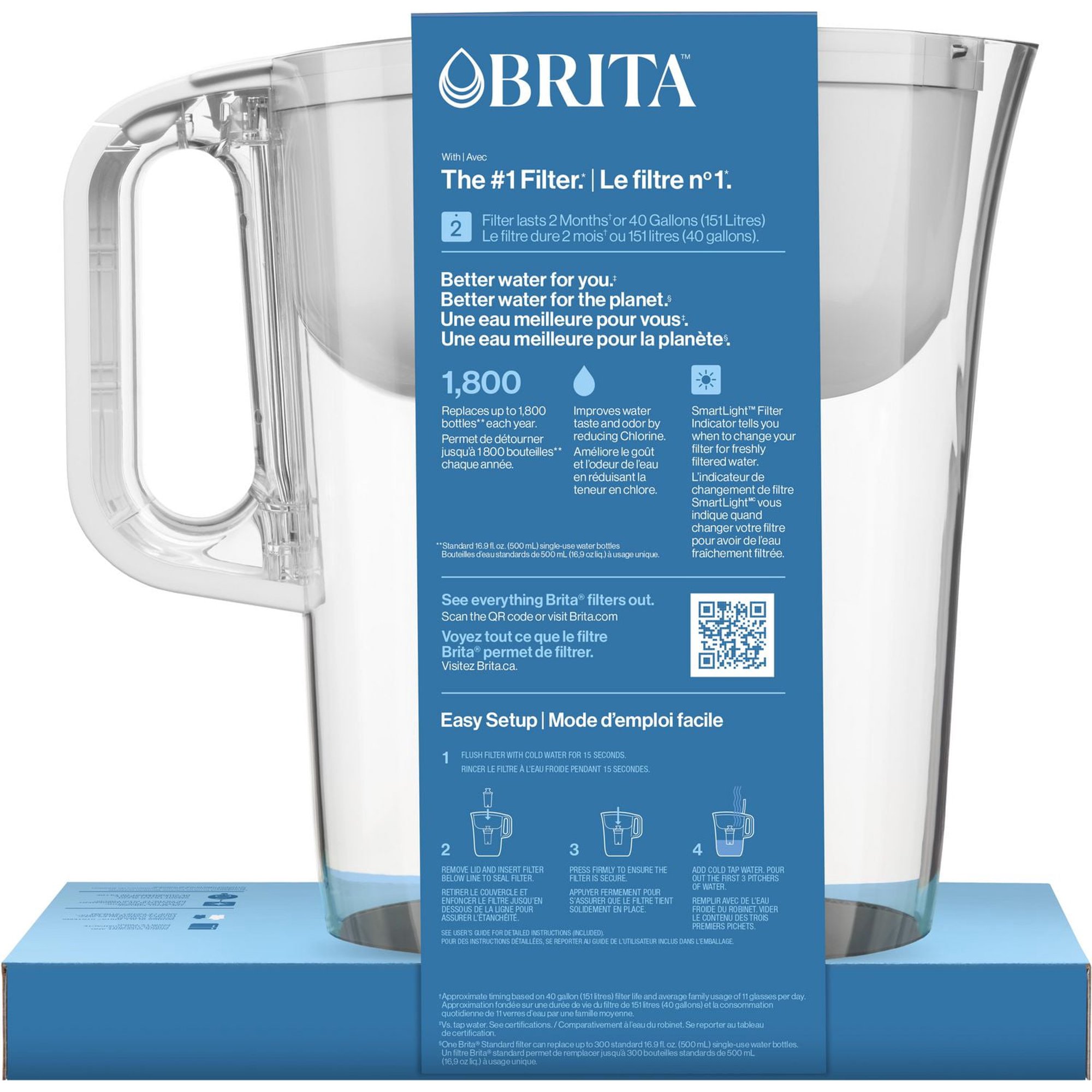
Brita filters generally need to be replaced every 40 gallons or roughly every two months for average household use. If you drink more water daily or have harder water, you might need to replace it sooner.
Keep track of your usage by marking the date you install a new filter. Some Brita pitchers come with an electronic indicator or a sticker reminder—use these tools to avoid guessing. Have you ever noticed your water tasting off? That’s often a sign it’s time for a new filter.
Signs Of Wear
Beyond the recommended replacement timeframe, watch for physical signs of wear. If your filter looks discolored, damaged, or clogged, it’s time to swap it out immediately.
Another sign is slower water flow; if your pitcher takes much longer to fill, the filter might be clogged with impurities. Also, if your water develops an unusual smell or taste, don’t wait—replace the filter to ensure your water stays pure and safe.
Credit: www.walmart.ca
Alternatives To Dishwasher
If you’re wondering whether you can put your Brita pitcher or filter in the dishwasher, it’s important to know that most Brita components aren’t dishwasher safe. Harsh heat and detergents can damage the plastic parts and reduce the filter’s effectiveness. Luckily, there are easy, effective alternatives to keep your Brita clean without risking damage.
Vinegar Soak
Vinegar is a powerful natural cleaner that can remove mineral buildup and disinfect your Brita parts gently. Fill a basin with equal parts white vinegar and water, then submerge the pitcher or reservoir for about 15-30 minutes.
After soaking, rinse thoroughly with clean water to remove any vinegar taste. You might notice how this simple soak restores the clarity of your pitcher without harsh scrubbing. Have you tried this before? It’s a quick way to refresh your water filter system at home.
Baking Soda Cleaning
Baking soda offers another safe and effective cleaning option. Make a paste using baking soda and a small amount of water, then apply it to the pitcher or lid with a soft cloth or sponge.
Gently scrub the surfaces to remove stains and odors. Rinse well afterward to ensure no residue remains. This method is especially helpful if your Brita has stubborn spots or smells that vinegar alone can’t tackle.
Frequently Asked Questions
Can You Wash Brita Filters In The Dishwasher?
No, Brita filters should never be washed in the dishwasher. Doing so damages the filter’s effectiveness and contaminates water. Only rinse the filter under cold water before use, and replace it as recommended by the manufacturer.
Is The Brita Pitcher Dishwasher Safe?
The Brita pitcher’s plastic parts are top-rack dishwasher safe. Avoid placing the filter or lid in the dishwasher to prevent damage. Hand washing with mild soap is the safest way to clean these components.
How Often Should You Replace A Brita Filter?
Replace your Brita filter every 40 gallons or about every 2 months. This ensures optimal water filtration and taste. Timely replacement prevents buildup of contaminants and maintains filter performance.
Can Dishwasher Heat Damage Brita Components?
Yes, dishwasher heat can warp plastic and damage the filter. High temperatures can degrade filtration materials, reducing effectiveness. Always check manufacturer instructions before using a dishwasher with Brita parts.
Conclusion
Brita pitchers and filters need gentle care to work well. Putting a Brita in the dishwasher can damage it quickly. Hand washing with mild soap keeps it safe and clean. Always remove the filter before cleaning the pitcher. Taking small steps helps your water taste fresh longer.
Clean your Brita regularly to enjoy pure, great-tasting water. Simple care makes a big difference in filter life. Remember, good habits keep your Brita working its best.