Have you ever found yourself running out of space in your kitchen freezer? You’re not alone.
Many people consider the option of placing a chest freezer outside to solve this common dilemma. But is it really a good idea? Before you make a decision, it’s important to weigh the pros and cons. Understanding the potential risks and benefits can help you maximize your storage space while protecting your investment.
We’ll dive into everything you need to know, so you can make an informed choice that suits your needs. Keep reading to find out if your outdoor space could be the perfect spot for your chest freezer.
Chest Freezers And Outdoor Use
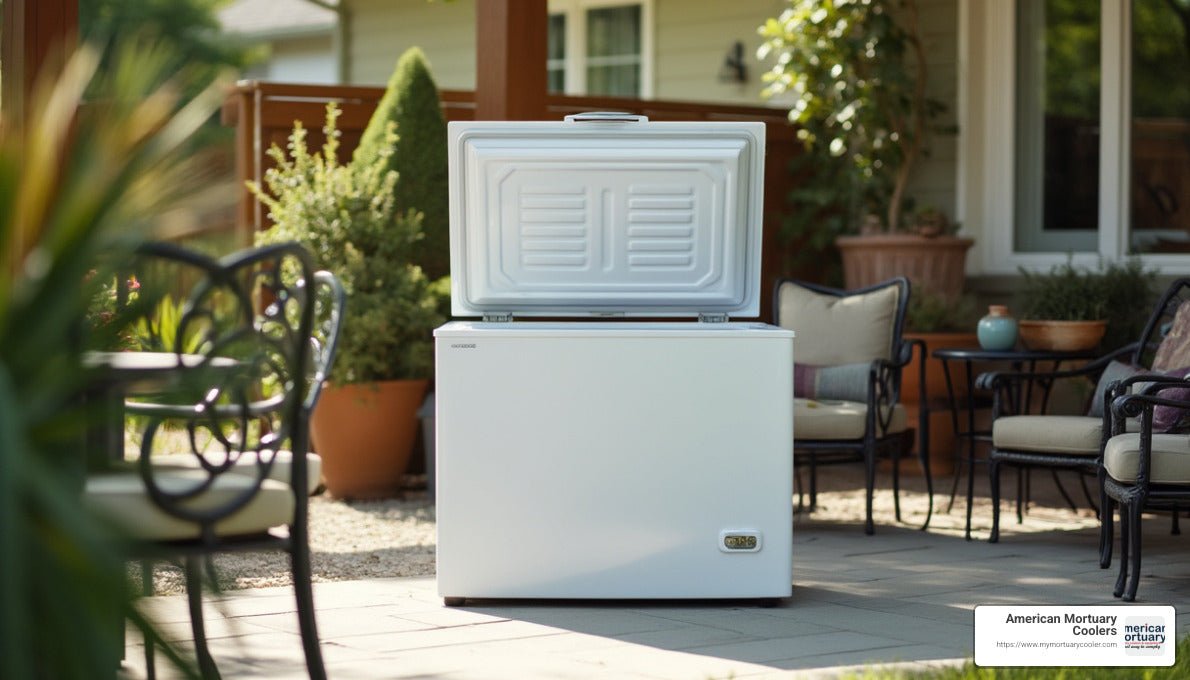
Thinking about placing a chest freezer outdoors? It’s a common question, especially if you’re short on indoor space or want quick access while working in the garage or backyard. But before you move that freezer outside, it’s important to understand how different models handle outdoor conditions and what you should consider to keep your food safe and your appliance running smoothly.
Types Of Chest Freezers
Chest freezers come in several types, mainly distinguished by size and insulation quality. Smaller models are great for limited spaces, but larger ones offer more storage for bulk purchases or hunting and fishing trips.
Some freezers are designed with thicker insulation and more durable components, which can affect how well they perform in fluctuating temperatures. Are you storing ice cream or just frozen meat? The type of food you freeze can influence which model suits your needs best.
- Standard Chest Freezers:Typically designed for indoor use with moderate insulation.
- Heavy-Duty or Commercial Models:Built to withstand tougher environments and longer usage.
- Energy-Efficient Models:Equipped with advanced insulation to keep cold air in and reduce power consumption.
Indoor Vs Outdoor Models
Not all chest freezers are created equal when it comes to outdoor use. Indoor models often struggle with temperature swings, humidity, and exposure to elements like rain or direct sunlight.
Outdoor-rated freezers have features like weather-resistant coatings, sealed compressors, and enhanced insulation to handle those challenges. If you try to use a regular indoor freezer outside, you might face frost buildup, compressor failure, or higher electricity bills.
| Feature | Indoor Models | Outdoor Models |
|---|---|---|
| Weather Resistance | Low – not designed for moisture or dust | High – sealed and coated against elements |
| Temperature Range | Optimal for stable indoor temps | Can operate in wider outdoor temperature ranges |
| Durability | Standard durability for indoor use | Reinforced parts for rough conditions |
Have you checked the manufacturer’s guidelines for your freezer? Ignoring the recommended placement can shorten its lifespan. Sometimes, investing in a freezer specifically made for outdoor use saves you money and hassle in the long run.
Benefits Of Outdoor Chest Freezers
Placing a chest freezer outside offers several practical benefits that can enhance your home’s functionality. It creates extra storage space and adds convenience for outdoor gatherings. Understanding these advantages can help you decide if an outdoor chest freezer fits your lifestyle and needs.
Space Saving Solutions
Keeping a chest freezer outdoors frees up valuable space inside your kitchen or garage. This is especially helpful if your indoor area is already crowded. You can store bulk items, seasonal foods, or extra groceries without cluttering your living spaces.
Imagine having more room to move around in your kitchen without sacrificing your frozen storage. Outdoor chest freezers let you organize your home better and reduce the need for frequent shopping trips. Have you ever felt frustrated by limited freezer space during holiday meal prep? An outdoor freezer can ease that stress.
Convenience For Outdoor Activities
Outdoor chest freezers offer easy access to frozen foods during barbecues, picnics, or parties. Instead of going back and forth between your indoor freezer and backyard, you can grab what you need right outside. This keeps the flow of your event smooth and uninterrupted.
Think about summer cookouts where you want to keep drinks and snacks chilled nearby. An outdoor freezer can store ice, frozen treats, or marinated meats for grilling. Wouldn’t it be great to have everything within arm’s reach without running inside constantly?
Risks Of Placing Chest Freezers Outside
Placing a chest freezer outside carries several risks. These dangers can affect the freezer’s performance and lifespan. Understanding these risks helps protect your investment and keep your food safe.
Weather And Temperature Effects
Chest freezers are made for indoor use, where temperature stays stable. Outside, weather changes can harm the appliance.
- Extreme cold can cause the freezer to run constantly or stop working.
- High heat forces the freezer to work harder, raising energy bills.
- Rain and snow may cause rust and damage the exterior.
- Humidity can lead to frost buildup inside the freezer.
Sudden temperature changes can strain the compressor and other parts. This reduces the freezer’s lifespan and may cause breakdowns.
Electrical Safety Concerns
Electricity and moisture do not mix well. Outdoor placement increases the risk of electrical problems.
- Water exposure may cause short circuits and electrical shocks.
- Power cords can wear out faster due to sunlight and weather.
- Improper outdoor outlets might lack grounding or protection from moisture.
- Using extension cords can increase the risk of fire or damage.
Proper outdoor electrical setup is vital. Without it, the freezer may become a safety hazard.
Credit: true-routes.com
Choosing The Right Location
Choosing the right location for your chest freezer outside is crucial for its performance and longevity. The spot you pick can protect your appliance from weather damage and ensure it operates efficiently. Let’s look at key factors to consider when placing your freezer outdoors.
Sheltered Spots
Placing your chest freezer in a sheltered area shields it from direct sunlight, rain, and snow. A covered porch, carport, or under an awning works well to keep moisture away and reduce temperature fluctuations. Have you noticed how exposure to harsh weather can cause rust or electrical issues? Avoiding these risks means your freezer stays in better shape longer.
Also, a sheltered spot helps maintain a stable temperature around the freezer. Extreme heat or cold can make the compressor work harder, increasing energy use and wear. Think about how a shaded location can save you money on electricity bills while protecting the freezer’s mechanics.
Level And Stable Surfaces
Your chest freezer needs a flat, sturdy surface to sit on. Uneven ground can strain the compressor and cause internal components to malfunction. Have you ever had an appliance that wobbled or tilted? It’s not just annoying; it can damage the freezer over time.
Concrete slabs, wooden platforms, or thick plastic mats provide solid bases that prevent sinking or shifting. Avoid placing the freezer directly on grass or dirt, where moisture and instability can become problems. A stable foundation also makes cleaning around and under the freezer easier, helping you maintain hygiene.
Weatherproofing Tips
Keeping a chest freezer outside needs careful weatherproofing. Protecting the appliance from rain, snow, and dirt extends its life. Simple steps can shield your freezer from harsh outdoor elements. These tips help maintain performance and avoid costly repairs.
Using Covers And Enclosures
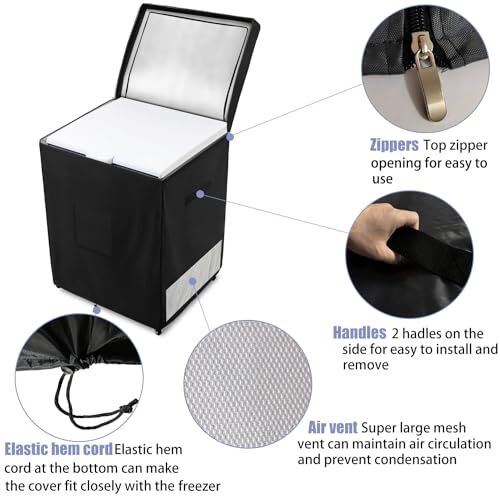
A sturdy cover is essential for outdoor chest freezers. Choose waterproof and UV-resistant covers for best results. Covers prevent rust and sun damage. Enclosures add another layer of protection. They block wind, rain, and direct sunlight. A well-ventilated enclosure keeps air flowing and prevents overheating. Make sure the cover fits tightly but allows easy access.
Protecting Against Moisture And Debris
Moisture can damage the freezer’s motor and electrical parts. Elevate the freezer on a platform to avoid ground moisture. Check seals regularly to keep water out. Clean debris like leaves and dust around the freezer often. Use weather stripping to seal gaps and prevent dirt entry. Good drainage near the freezer stops water pooling. Keep the area tidy to reduce pests and mold risks.
Maintenance For Outdoor Freezers
Maintaining an outdoor chest freezer keeps it running well and extends its life. Outdoor conditions can cause dirt, moisture, and wear faster than indoor use. Regular checks and cleaning help avoid costly repairs and food spoilage.
Regular Cleaning
Clean the freezer inside and out at least once every few months. Wipe the exterior with a damp cloth to remove dust and debris. Use mild soap and water for tougher stains but avoid harsh chemicals.
Inside, remove all food and defrost if needed before cleaning. Use a soft cloth or sponge with warm water to wipe surfaces. Dry completely to prevent mold and odors. Keep the drain hole clear to avoid water buildup.
Checking Seals And Components
Inspect the door seals regularly to ensure a tight closure. Look for cracks, tears, or dirt that can break the seal. Clean seals gently with warm soapy water and dry them well.
Check the hinges and handles for rust or looseness. Tighten screws and lubricate moving parts if needed. Monitor the temperature settings and compressor function to ensure proper cooling.
Energy Efficiency Outdoors
Placing a chest freezer outside can affect its energy efficiency in several ways. The outdoor environment exposes the freezer to changing temperatures, which can increase the workload on the compressor. Understanding how these factors impact energy consumption helps you decide if an outdoor setup is right for your needs.
Temperature Fluctuation Impact
Outdoor temperatures rarely stay steady, especially across seasons. When the temperature rises, the freezer works harder to maintain its cold interior. This constant adjustment can lead to more frequent compressor cycles, increasing wear and energy use.
On cold days, if temperatures drop below the freezer’s operating range, the thermostat may not trigger properly, causing food to thaw or the compressor to run inefficiently. You might notice frost build-up or even damage to the unit if it isn’t designed for outdoor use.
Have you noticed your freezer running more often during hot summer days? That’s a clear sign temperature swings outdoors are affecting its efficiency.
Power Consumption Tips
- Choose a shaded spot:Keep your freezer out of direct sunlight to reduce heat exposure and lower energy use.
- Use an insulated cover:A weatherproof cover helps protect your freezer from rain and keeps temperature fluctuations at bay.
- Check seals regularly:Ensure the door gasket is tight to prevent cold air from escaping and warm air from entering.
- Keep it elevated:Placing the freezer on a platform avoids contact with cold or wet ground, which can affect compressor performance.
- Monitor outdoor temperatures:If temperatures fall below freezing, consider unplugging the freezer or moving it indoors to prevent damage.
By taking these steps, you can reduce unnecessary power consumption and extend the life of your chest freezer outdoors. How much energy could you save by adjusting its placement or maintenance routine?

Credit: www.amazon.ca
Safety Precautions
Placing a chest freezer outside requires careful safety measures. Outdoor conditions can affect its performance and safety. Taking proper precautions helps avoid accidents and extends the freezer’s lifespan. Pay close attention to electrical setup and environment protection.
Proper Grounding
Grounding prevents electrical shocks and fires. Make sure the freezer is connected to a grounded outlet. Use a ground-fault circuit interrupter (GFCI) outlet for added safety. Check that the power source meets the freezer’s electrical requirements. Avoid using extension cords, as they may not support the load.
Avoiding Electrical Hazards
Keep the freezer dry and away from direct rain or snow. Use a waterproof cover or shelter to protect it. Inspect the power cord regularly for damage or wear. Replace damaged cords immediately to prevent sparks. Do not overload the circuit to avoid overheating and fire risks.
When Not To Use A Chest Freezer Outside
Knowing when not to use a chest freezer outside helps protect your appliance and food. Chest freezers are designed for indoor use but can work outside under the right conditions. Still, some situations can cause damage or reduce efficiency. Avoid placing your freezer outdoors during these times.
Extreme Weather Conditions
Chest freezers do not perform well in very hot or cold weather. Freezing temperatures below the unit’s range can cause the compressor to fail. Excessive heat forces the freezer to work harder, raising energy costs and wear. Heavy rain, snow, or strong winds can damage the freezer’s exterior and electrical parts. Avoid placing a chest freezer where it faces direct sun, storms, or freezing cold.
Unsuitable Locations
Do not put a chest freezer in damp or uneven spots. Moisture can cause rust and electrical problems. Uneven ground can strain the compressor and door seals. Avoid areas near trees or plants that drop leaves and debris. These can clog vents and filters. Also, keep the freezer away from places with poor ventilation or limited access for maintenance.
Credit: mymortuarycooler.com
Frequently Asked Questions
Can You Keep A Chest Freezer Outside Safely?
Yes, you can keep a chest freezer outside if it is protected from weather. Use a waterproof cover and place it in a shaded area to avoid damage and temperature fluctuations.
What Temperature Range Is Ideal For Outdoor Chest Freezers?
Chest freezers work best between 0°F and 110°F. Extreme cold or heat can affect their performance and lifespan. Ensure your outdoor location stays within this range.
How To Protect An Outdoor Chest Freezer From Weather?
Cover the freezer with a waterproof, insulated cover. Place it on a raised platform to avoid water damage. Ensure good ventilation to prevent overheating.
Does Placing A Freezer Outside Increase Energy Consumption?
Yes, outdoor placement may increase energy use due to temperature changes. The freezer works harder to maintain cold temperatures, especially in hot or cold climates.
Conclusion
Placing a chest freezer outside can work with the right care. Choose a dry, sheltered spot to protect it from rain and sun. Check the freezer often to keep it clean and running well. Avoid extreme temperatures to help it last longer.
With simple steps, your chest freezer can serve you outside safely. Stay mindful of weather and maintenance for best results. This way, you save space and keep your food fresh.