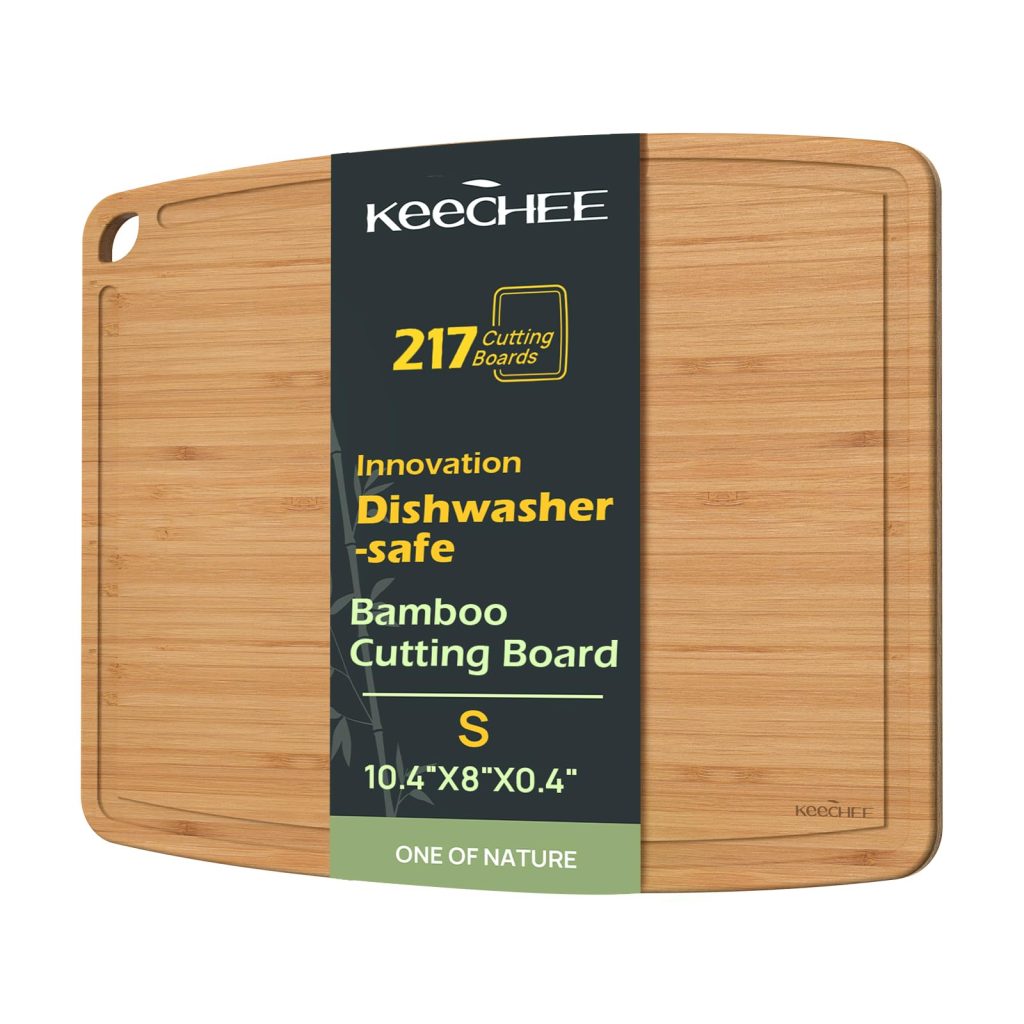
Have you ever wondered if you can just toss your cutting board into the dishwasher and call it clean? It sounds like a simple way to save time and effort, but is it really safe for your board?
Whether your cutting board is made of wood, plastic, or bamboo, knowing the right cleaning method can protect your kitchen tools and keep your food safe. Keep reading to find out the truth about putting cutting boards in the dishwasher—and discover the best way to keep yours fresh and long-lasting.
Credit: www.greenwashingindex.com
Types Of Cutting Boards
Cutting boards come in different materials. Each type has its own care needs.
Knowing the type helps decide if you can put it in the dishwasher.
Wooden Boards
Wooden boards are popular for their durability and knife-friendly surface. They often last long with proper care.
Most wooden boards should not go in the dishwasher. Heat and water can warp or crack the wood.
Plastic Boards
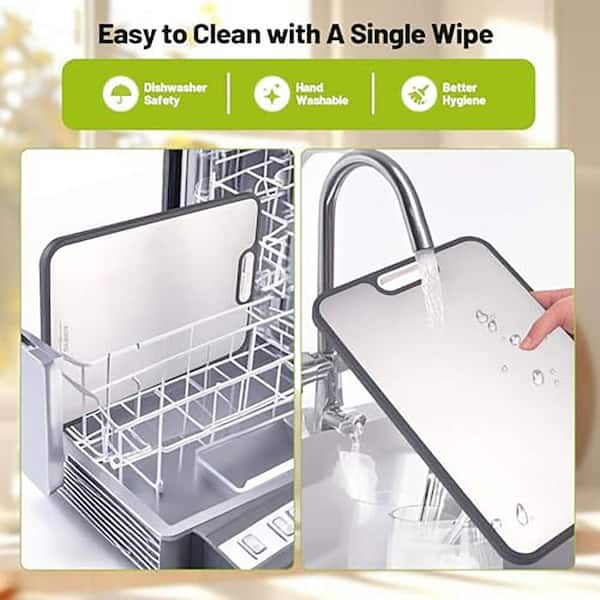
Plastic boards are lightweight and easy to clean. Many are dishwasher safe.
- Affordable and widely available
- Resistant to stains and odors
- Can be sanitized in a dishwasher
- May get cut marks faster than wood
Bamboo And Composite Boards
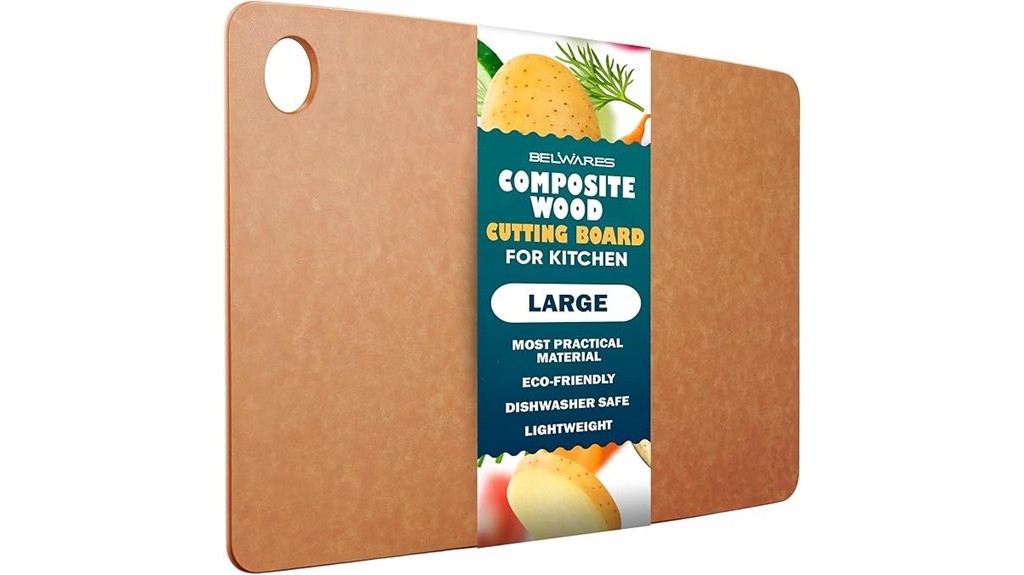
Bamboo and composite boards combine natural materials with modern design. They are harder than regular wood.
| Board Type | Dishwasher Safe | Durability |
| Bamboo | No | High |
| Composite | Usually Yes | Very High |
Credit: www.homedepot.com
Dishwasher Safety For Cutting Boards
Cutting boards are used every day in kitchens. Cleaning them well is important to keep food safe. Many people wonder if they can put cutting boards in the dishwasher.
This guide explains how dishwashers affect cutting boards. It looks at heat, water, and detergent effects on different materials.
Heat And Water Effects
Dishwashers use hot water to clean. The heat can change cutting boards in bad ways. Wooden boards can crack or warp. Plastic boards may soften or get rough.
- Wood boards may lose shape from heat and water.
- Plastic boards can melt if the water is too hot.
- Heat can cause stains to set in on some boards.
- Repeated dishwasher use may shorten board life.
Detergent Impact
Dishwasher detergents are strong. They remove grease and food but can harm cutting boards. Wood can dry out and crack. Plastic may become dull or scratched.
| Cutting Board Material | Detergent Effect | Care Tip |
| Wood | Dries and cracks | Hand wash and oil regularly |
| Plastic | Dulls and scratches | Use mild detergent or hand wash |
| Bamboo | Can split or fade | Avoid dishwasher, hand wash only |
| Composite | Usually dishwasher safe | Check manufacturer instructions |
Cleaning Wooden Cutting Boards
Wooden cutting boards need special care to stay clean and last longer. You should avoid putting them in the dishwasher.
The heat and water in dishwashers can damage the wood. It can cause cracking and warping.
Hand Washing Techniques
Wash wooden cutting boards by hand with warm water and mild soap. Use a soft sponge or cloth to clean the surface.
Rinse the board well to remove all soap. Dry it immediately with a clean towel to prevent water damage.
- Do not soak the board in water
- Avoid using harsh scrubbers
- Sanitize with vinegar or lemon juice if needed
Oiling And Maintenance
Apply food-safe mineral oil to wooden boards regularly. This keeps the wood moist and prevents cracks.
Rub the oil into the board and let it soak overnight. Wipe off any extra oil the next day.
- Oil the board once a month or more if used often
- Use beeswax for extra protection if desired
- Store boards in a dry place away from direct sunlight

Credit: www.plasticchoppingboards.co.uk
Cleaning Plastic And Bamboo Boards
Cutting boards come in different materials like plastic and bamboo. Each needs special care to stay clean and last longer.
Knowing how to clean these boards safely helps avoid damage and keeps them hygienic for food use.
Dishwasher Suitability
Plastic cutting boards usually handle dishwashers well. They can stand high heat without warping or cracking. Bamboo boards, on the other hand, are not dishwasher safe. The heat and water can cause them to split or lose their finish.
- Plastic boards: safe for dishwasher cleaning
- Bamboo boards: avoid dishwasher use
- Dishwasher heat can dry out bamboo
- Plastic boards resist stains and odors better
Alternative Cleaning Methods
For bamboo boards, hand washing works best. Use warm water and mild soap. Dry the board quickly to stop water damage.
| Material | Cleaning Method | Drying Advice |
| Plastic | Dishwasher or hand wash | Air dry or towel dry |
| Bamboo | Hand wash only | Wipe dry immediately |
To keep bamboo boards smooth, apply mineral oil now and then. This prevents cracks and keeps the wood strong.
Avoiding Damage And Extending Lifespan
Cutting boards are essential kitchen tools. Cleaning them properly keeps them safe to use longer.
Putting a cutting board in the dishwasher might seem easy. But it can cause damage that shortens its life.
Preventing Warping And Cracking
Wood and plastic boards can warp or crack if washed in a dishwasher. The heat and water pressure are too strong.
- Hand wash boards with warm, soapy water.
- Dry them immediately with a towel.
- Store boards in a dry place standing up.
- Avoid soaking boards in water for a long time.
- Apply mineral oil to wooden boards monthly to keep them moist.
Sanitizing Without Harm
You can kill germs without using the dishwasher. Use safe and gentle methods to sanitize cutting boards.
| Method | How to Do It | Notes |
| Vinegar Spray | Spray white vinegar and let sit 5 minutes | Natural and safe for wood and plastic |
| Bleach Solution | Mix 1 tbsp bleach with 1 gallon water, rinse well | Use only occasionally, avoid wood damage |
| Hydrogen Peroxide | Pour 3% solution on board, wait 10 minutes, rinse | Good for tough stains and germs |
Expert Tips For Safe Cleaning
Cutting boards are essential in every kitchen. Keeping them clean helps prevent germs and keeps food safe.
Many wonder if it is safe to put a cutting board in the dishwasher. Let’s explore expert advice on cleaning them properly.
Best Practices
Choose the right cutting board material before cleaning. Some materials handle dishwashers better than others.
- Use plastic or nylon boards if dishwasher cleaning is preferred.
- Wood and bamboo boards should be hand washed to avoid cracking.
- Remove food scraps before washing.
- Use hot water and a mild detergent for cleaning.
- Dry cutting boards completely after washing to prevent bacteria growth.
Common Mistakes To Avoid
Some cleaning habits can damage your cutting board or cause bacteria to stay on the surface.
| Mistake | Effect |
| Putting wooden boards in the dishwasher | Causes warping and cracking |
| Skipping drying after washing | Leads to mold and bacteria growth |
| Using harsh chemicals | Damages board surface and leaves residues |
| Not cleaning immediately after use | Allows stains and bacteria to set |
Frequently Asked Questions
Can All Cutting Boards Go In The Dishwasher?
Not all cutting boards are dishwasher-safe. Plastic and some bamboo boards can be, but wooden ones aren’t. The dishwasher’s high heat and moisture can warp wood, leading to cracks. Always check the manufacturer’s instructions to ensure your cutting board is dishwasher-safe before cleaning it this way.
Why Avoid Putting Wooden Boards In The Dishwasher?
Wooden boards can warp or crack in the dishwasher due to heat and moisture. This damage affects their longevity and can harbor bacteria. Hand washing with mild soap and warm water is recommended for wooden boards. Proper drying is crucial to maintain their condition and ensure they last longer.
Are Bamboo Cutting Boards Dishwasher Safe?
Some bamboo cutting boards are dishwasher-safe, but not all. The dishwasher’s heat and moisture can damage bamboo, causing warping or splitting. Always check the manufacturer’s care instructions. Hand washing with warm, soapy water and thorough drying is generally recommended to maintain the quality of bamboo boards.
What Are The Benefits Of Dishwasher-safe Cutting Boards?
Dishwasher-safe cutting boards offer convenience and thorough cleaning. They can withstand high temperatures, ensuring bacteria and food residues are effectively removed. This reduces the risk of cross-contamination. Always check the material and manufacturer’s guidelines to confirm if your board is truly dishwasher-safe.
Conclusion
Putting a cutting board in the dishwasher depends on its material. Wooden boards can crack or warp from high heat and water. Plastic boards usually handle dishwashers well but may wear out faster. Hand washing with soap and warm water works for all types.
Always check the manufacturer’s instructions for best care. Keeping your cutting board clean helps prevent germs and keeps food safe. Choose the right cleaning method to make your board last longer. Simple care makes a big difference.