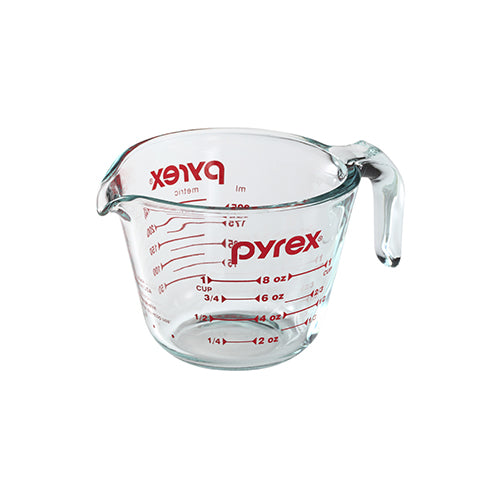
Have you ever wondered if it’s safe to put your glass measuring cup in the microwave? You might be heating up soup, melting butter, or reheating leftovers and ask yourself this exact question.
Using the wrong container can cause cracks, spills, or even dangerous accidents. But what about glass measuring cups? Are they microwave-friendly, or should you avoid them? Keep reading to find out the simple answer and get tips on how to use your measuring cup safely in the microwave every time.
Your kitchen routine could become easier—and safer—with just a little knowledge.

Credit: www.ibhejo.com
Glass Measuring Cups In Microwaves
Many people wonder if glass measuring cups are safe to use in the microwave. Knowing the right kind of glass to use can prevent accidents and damage.
This guide explains which materials work well with microwaves and the types of glass often found in measuring cups.
Material And Microwave Compatibility
Not all glass is safe for microwave use. Some glass can crack or shatter when heated quickly.
- Tempered glass is designed to handle heat and is usually microwave safe.
- Borosilicate glass resists thermal shock and is very safe in microwaves.
- Regular glass may not handle sudden temperature changes well.
- Plastic or metal parts on measuring cups can cause sparks or melting.
Always check the manufacturer’s label to confirm microwave safety.
Types Of Glass Used
| Glass Type | Description | Microwave Safety |
| Tempered Glass | Heat-treated glass that is strong and resistant to breaking. | Safe for microwave use. |
| Borosilicate Glass | Glass with low thermal expansion, used for lab equipment. | Very safe in microwaves. |
| Regular Glass | Standard glass used in everyday items. | Not always safe; can crack under heat. |
Safety Factors To Consider
Using a glass measuring cup in the microwave can be safe if you know what to check. Some glass cups handle heat well, but others do not.
This guide explains key safety points to help you decide if your glass cup is microwave safe.
Heat Resistance And Thermal Shock
Glass types vary in how much heat they can take. Some glass can handle quick temperature changes, while others may crack or break.
Thermal shock happens when glass heats or cools too fast. This can cause the glass to shatter inside the microwave.
- Heat-resistant glass like borosilicate is safer for microwaves.
- Regular glass may break from sudden temperature changes.
- Always avoid putting cold glass into a hot microwave or hot glass onto cold surfaces.
Manufacturer Guidelines
Check the measuring cup’s label or packaging for microwave safety information. Many cups say if they are microwave safe or not.
Follow the manufacturer’s instructions carefully. If it does not say microwave safe, avoid using it in the microwave.
- Look for microwave-safe symbols on the cup or box.
- Read instructions for maximum microwave time.
- Contact the maker if you are unsure about safety.
Potential Risks
Using the wrong glass cup in the microwave can cause burns or injuries. Glass may break or explode if it is not safe.
Hot spots can form in glass that is not microwave safe. These spots may cause burns when you touch the cup.
- Glass may crack or shatter, causing cuts.
- Uneven heating can burn your food or hands.
- Broken glass inside food is a health hazard.
Signs Of Microwave-safe Glassware
Using a glass measuring cup in the microwave can be safe if the glass is microwave-safe. Not all glassware can handle microwave heat. It is important to know how to spot safe glassware.
Look for specific signs on your glass cup to avoid cracks or breaks. These signs help you use your measuring cup safely in the microwave.
Microwave-safe Labels
Many glass measuring cups have a label that shows if they are safe for microwave use. This label is usually on the bottom or side of the cup. It tells you if the glass can handle microwave heat without damage.
Look for words like “Microwave Safe” or symbols showing a microwave. These signs mean the glass can be heated in the microwave. If there is no label, avoid using it in the microwave.
- “Microwave Safe” text
- Microwave symbol (wavy lines or oven icon)
- Manufacturer’s instructions saying it is microwave safe
Visual Inspection Tips
Check your glass measuring cup carefully before microwaving. Look for cracks, chips, or cloudy areas. These signs show the glass may break in the microwave.
Clear, thick glass is usually better for microwave use. Thin or decorated glass may not be safe. Avoid glass with metallic paint or trim, as metal can cause sparks.
- Check for cracks or chips
- Avoid glass with metal decorations
- Use thick, clear glass if possible
- Do not use cloudy or damaged glass

Credit: simpassic.en.made-in-china.com
Alternatives To Glass Measuring Cups
Glass measuring cups are common in kitchens, but not all glass is microwave-safe. Some glass can crack or break in the microwave. It is important to know other options you can use instead.
There are safe alternatives that work well in the microwave. These include plastic containers, ceramics, and silicone tools. Each has its own benefits and uses.
Microwave-safe Plastic Containers
Microwave-safe plastic containers are a good alternative to glass. They are lightweight and do not break easily. Make sure the container is labeled microwave-safe before using it.
These plastics can handle heat without melting or releasing harmful chemicals. They come in many sizes, so you can measure both small and large amounts.
- Check for microwave-safe symbol on the container
- Avoid using containers with cracks or damage
- Use BPA-free plastics for food safety
- Plastic containers are easy to clean and store
Ceramic And Silicone Options
Ceramic bowls and measuring cups are safe for microwaves if they have no metallic paint or parts. They heat evenly and are sturdy. Choose plain ceramic items made for kitchen use.
Silicone measuring tools are flexible and microwave-safe. They do not break or crack. Silicone is heat resistant and easy to clean. It works well for measuring liquids and dry ingredients.
- Ceramic should be microwave-safe and free of metal
- Silicone is durable and heat resistant
- Both materials are easy to clean
- Silicone tools are lightweight and flexible
Tips For Using Glass Cups In Microwaves
Glass measuring cups are common in kitchens and usually safe for microwaves. Still, you must use them carefully to avoid accidents.
Follow some simple tips to keep glass cups safe when heating food or liquids in the microwave.
Avoiding Sudden Temperature Changes
Glass can break if it heats or cools too quickly. Avoid putting a cold glass cup straight into the microwave.
Also, do not place a hot glass cup on cold surfaces. Sudden temperature changes cause stress and cracks.
- Warm the glass cup slowly before microwaving
- Use a microwave-safe plate or cloth under the cup
- Let hot glass cool down before washing with cold water
Heating In Short Intervals
Heat glass cups in short bursts rather than a long time. This helps prevent overheating and hot spots.
Stop the microwave every 15 to 30 seconds to check the temperature and stir the contents.
- Set microwave for 15-30 second intervals
- Stir liquids to distribute heat evenly
- Check temperature carefully before reheating
Monitoring For Cracks Or Damage
Always inspect glass cups before microwaving. Cracks or chips can cause the cup to break during heating.
Stop using any glass cup that shows damage. Broken glass is unsafe and may cause injury.
- Check cups for cracks, chips, or scratches
- Do not use damaged glass in the microwave
- Replace old or weakened glass measuring cups

Credit: www.amazon.ca
Frequently Asked Questions
Is It Safe To Microwave A Glass Measuring Cup?
Yes, most glass measuring cups are microwave-safe. Always check the manufacturer’s guidelines before use. Avoid sudden temperature changes to prevent breakage.
How Can I Tell If My Cup Is Microwave-safe?
Look for a microwave-safe label on the cup. If unsure, test it by microwaving with water for a minute.
Can Glass Measuring Cups Explode In The Microwave?
If not used properly, they can crack or shatter. Avoid extreme temperature changes and ensure they’re microwave-safe.
What Happens If A Glass Cup Is Not Microwave-safe?
Using a non-microwave-safe cup can lead to breakage or chemical leaching. Always verify microwave compatibility first.
Conclusion
Glass measuring cups usually work well in the microwave. They heat liquids evenly and do not melt. Always check for a microwave-safe label before use. Avoid sudden temperature changes to prevent cracking. Use caution when handling hot glass to stay safe.
Following these tips helps you use your glass cup confidently. Keep your kitchen tasks simple and worry-free.