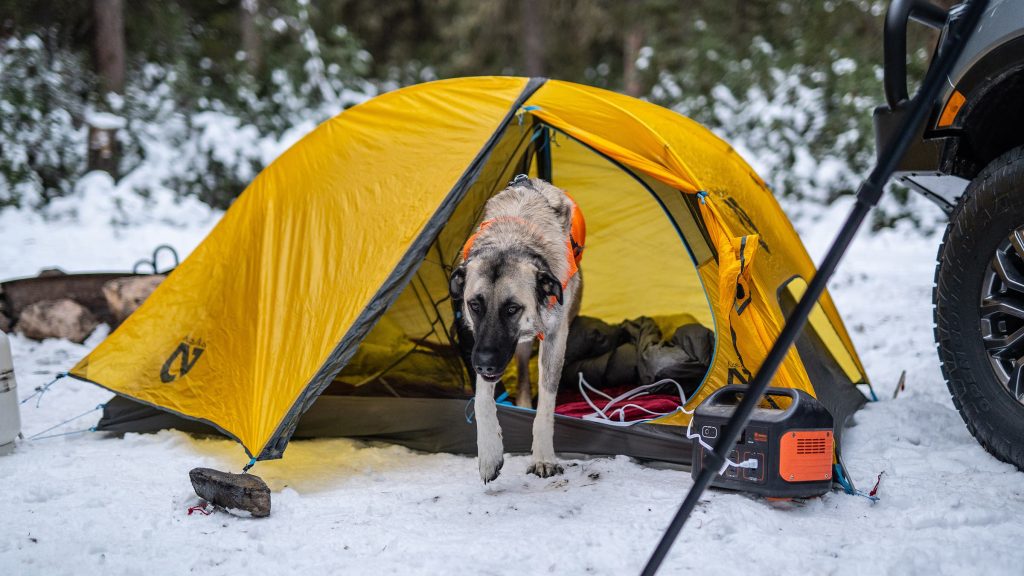
Are you planning a camping trip and wondering if you can safely put a heater in your tent? Staying warm during chilly nights is a top priority, but using the wrong heater can be risky.
You want to enjoy cozy comfort without worrying about fire hazards or carbon monoxide. You’ll discover the best ways to heat your tent safely, what types of heaters work well, and important tips to keep you and your gear protected.
Keep reading to make your next outdoor adventure warm and worry-free!
Types Of Tent Heaters
Keeping warm inside a tent is important during cold weather. Using the right heater makes your camping trip more comfortable and safe.
There are different types of heaters designed for tents. Each type has its own benefits and safety rules.
Electric Heaters
Electric heaters use electricity to produce heat. They are quiet and easy to control. You need a power source like a battery or generator.
These heaters are safe if you use them with proper ventilation. They do not produce harmful gases but can cause fires if left unattended.
Propane Heaters
Propane heaters burn propane gas to create heat. They warm tents quickly and work well in very cold weather. You must use them carefully.
Proper ventilation is needed because these heaters release carbon monoxide. Many models have safety features like automatic shut-off if tipped over.
- Fast heating
- Portable and easy to carry
- Needs good airflow
- Check for leaks before use
Catalytic Heaters
Catalytic heaters use a chemical reaction to produce heat without a flame. They burn fuel slowly, making them safer than open-flame heaters.
They work quietly and do not use electricity. These heaters still need ventilation and should be used according to instructions.
Wood-burning Stoves
Wood-burning stoves use small logs or sticks for heat. They give a cozy feeling and can also be used for cooking. Proper setup is important.
You must keep the stove away from tent walls to prevent fire. A chimney or vent is needed to direct smoke outside the tent.
- Use dry wood only
- Place on a fireproof base
- Keep a fire extinguisher nearby
- Never leave stove unattended

Credit: www.reddit.com
Safety Risks To Consider
Using a heater in a tent can keep you warm. But it also brings safety risks. Knowing these risks helps you stay safe.
This guide explains four main risks when using heaters inside tents. Always think about safety first.
Carbon Monoxide Poisoning
Heaters that burn fuel create carbon monoxide gas. This gas is invisible and has no smell. It can cause sickness or death.
Carbon monoxide stops your blood from carrying oxygen. Tents trap this gas easily. Never use fuel heaters in a closed tent.
- Use only electric heaters made for tents
- Always keep tent vents open
- Do not sleep with a fuel heater running
Fire Hazards
Heaters can start fires if they touch tent fabric or gear. Tents are often made of flammable material. Be very careful.
Keep heaters away from walls and sleeping bags. Use heaters with automatic shut-off if tipped over. Always watch the heater.
- Place heater on a flat, stable surface
- Clear space around the heater
- Never leave heater unattended
Ventilation Issues
Good airflow is needed when using a heater in a tent. Without fresh air, moisture and gases build up. This can cause health problems.
Open windows or vents to keep air moving. Check that the heater’s instructions allow indoor use. Poor ventilation can cause headaches and dizziness.
- Open vents or windows slightly
- Use heaters made for indoor or tent use
- Check for signs of poor air quality
Burn Injuries
Heaters get very hot. Touching them can cause burns. Children and pets are especially at risk inside tents.
Keep a safe distance from the heater. Use barriers or guards if possible. Teach others in the tent not to touch the heater.
- Do not place heaters near sleeping areas
- Use heater guards or screens
- Supervise children and pets near heaters
Safe Heater Placement
Using a heater in a tent can keep you warm during cold weather. Safety is very important to avoid fires and accidents. Proper heater placement helps protect you and your gear.
Follow simple rules about distance, surface, and ventilation. These steps help make heater use safer inside your tent.
Distance From Flammable Materials
Keep the heater far from anything that can catch fire. This includes sleeping bags, clothes, and tent walls. A safe distance is at least three feet around the heater.
- Place heater away from fabric and paper items
- Do not put heater near fuel or gas containers
- Keep the area clear of dry leaves and wood
- Ensure pets and children stay away from the heater
Stable Surface Setup
Set your heater on a flat and stable surface inside the tent. This prevents tipping that can cause burns or fires. Avoid placing it on uneven ground or soft bedding.
| Surface Type | Safe to Use Heater On |
|---|---|
| Flat metal or stone platform | Yes |
| Soft sleeping pad or mattress | No |
| Uneven ground or rocks | No |
| Wooden floor or platform | Only with heat shield |
Proper Ventilation Spots
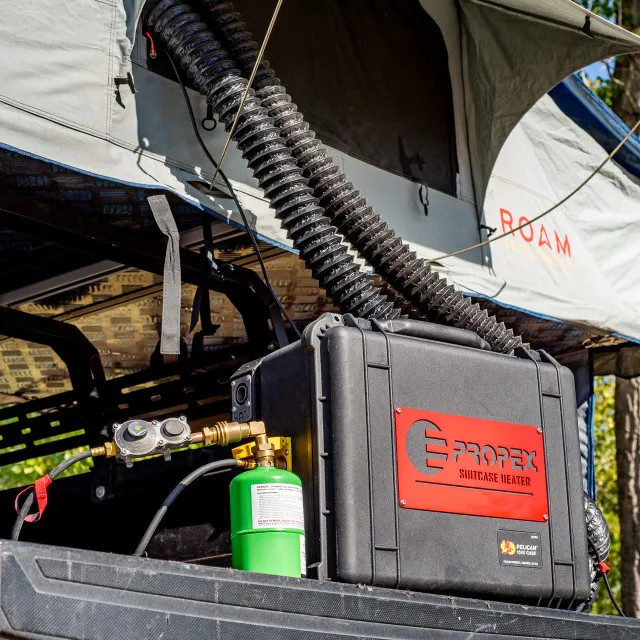
Good airflow is critical when using heaters in tents. It reduces carbon monoxide buildup and keeps the air fresh. Always place the heater near a vent or open flap.
- Keep a window or door partially open
- Use heaters designed for indoor or tent use
- Check for signs of poor air quality
- Never seal the tent completely when heater is on
Credit: t-nax.com
Essential Safety Precautions
Using a heater inside a tent can keep you warm during cold weather. It is important to follow safety rules to avoid dangers.
Heaters can cause fires or carbon monoxide poisoning if not used carefully. Always take safety steps before using one.
Using Carbon Monoxide Detectors
Carbon monoxide is a colorless, odorless gas from heaters that burn fuel. It can be very dangerous inside a tent.
Always place a carbon monoxide detector inside your tent. It will alert you if the gas builds up.
- Choose a battery-powered detector for easy use
- Test the detector before each trip
- Place it near the sleeping area for quick alerts
Regular Equipment Checks
Check your heater before every use. Look for damage or leaks that could cause problems.
Clean the heater and remove dust or debris. Keep vents clear to ensure good airflow.
- Inspect fuel lines and connections for cracks
- Replace worn or damaged parts immediately
- Follow the manufacturer’s cleaning instructions
Never Leaving Heaters Unattended
Never leave a heater running inside your tent when you are not awake. This prevents fires and accidents.
If you must leave the tent, turn off the heater and let it cool down before going.
- Stay alert while the heater is on
- Keep flammable items far from the heater
- Turn off the heater before sleeping
Alternative Heating Methods
Using a heater inside a tent can be risky. It may cause fire or carbon monoxide buildup. There are safer ways to stay warm in a tent.
These alternatives keep you warm without the dangers of a heater. They help you enjoy your camping experience safely.
Insulated Sleeping Bags
Insulated sleeping bags trap your body heat to keep you warm. They use materials like down or synthetic fibers for good insulation.
Pick a sleeping bag rated for the temperatures you expect. A good bag reduces heat loss and helps you sleep better.
- Choose bags with proper temperature ratings
- Look for bags with draft collars and hoods
- Use sleeping pads under bags for extra insulation
Thermal Clothing
Wear thermal clothing to keep your body warm inside the tent. These clothes trap heat and dry fast if you get wet.
Layering is key. Use base layers, mid layers, and outer layers to manage warmth and moisture.
- Start with moisture-wicking base layers
- Add fleece or wool mid layers for insulation
- Use waterproof outer layers if it rains
Hot Water Bottles
Hot water bottles provide gentle heat inside your sleeping bag. Fill them with hot water before bedtime.
Place the bottle near your feet or sides to warm up the sleeping area. Use a cover to avoid burns.
- Use durable bottles made for hot water
- Check for leaks before use
- Wrap bottles in cloth for safe contact
Credit: planarheaters.com
Heater Maintenance Tips
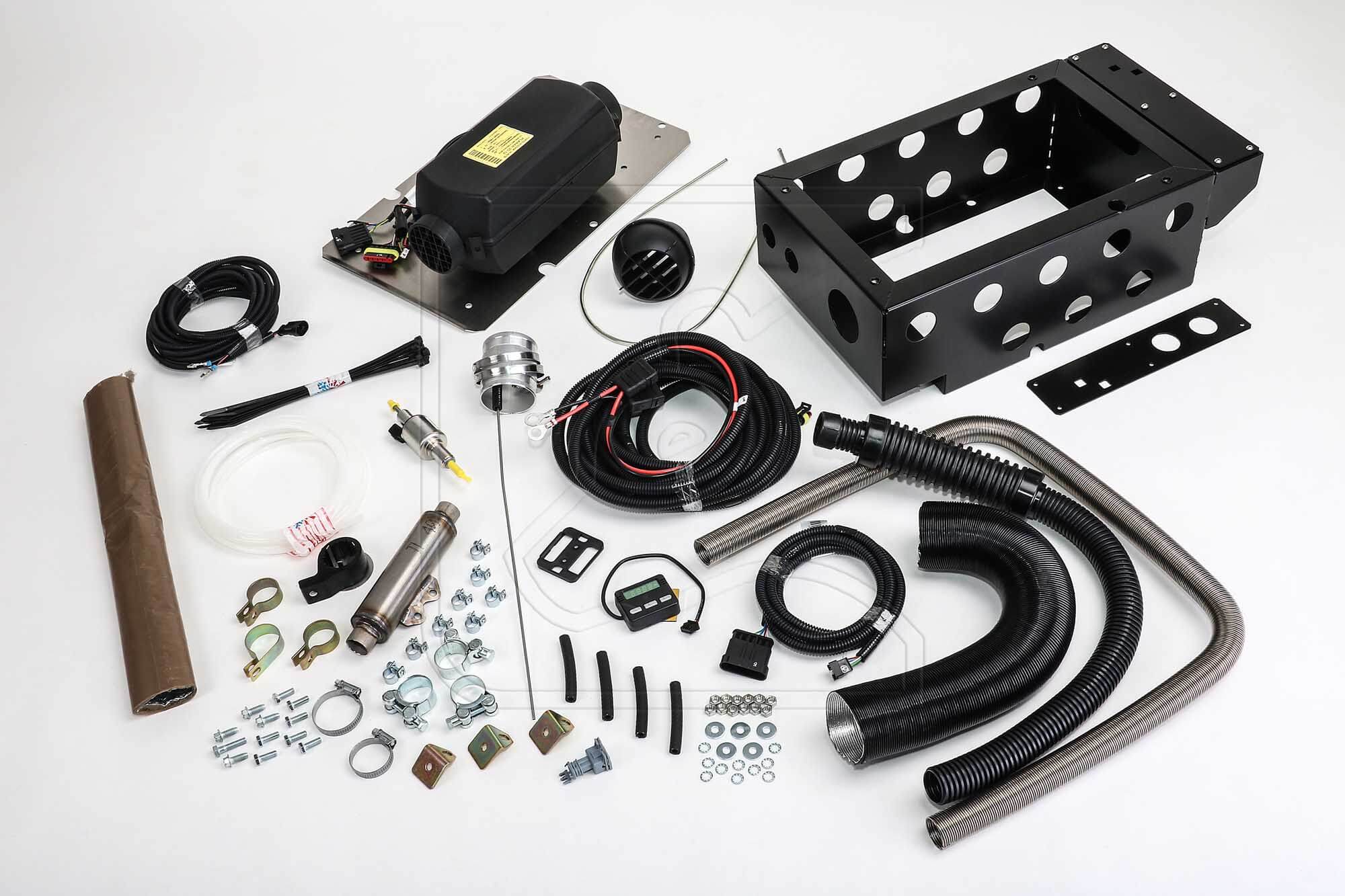
Keeping your tent heater in good shape is important for safety and warmth. Regular maintenance helps the heater work better and last longer.
Here are some easy tips to clean, check, and store your heater properly after use.
Cleaning Burners
Burners can collect dirt and dust. This buildup can block the flame and reduce heat output. Clean burners often to keep them working well.
- Turn off and cool the heater before cleaning.
- Use a soft brush to remove dust from burner holes.
- Check for rust or damage and wipe with a damp cloth.
- Do not use water directly on burners to avoid damage.
Checking Fuel Lines
Fuel lines deliver gas to the heater. They must be free of leaks or cracks. Regular checks keep you safe and the heater working correctly.
| Check Item | What to Look For |
| Fuel Line Condition | No cracks, holes, or wear |
| Connections | Secure and tight fittings |
| Leak Test | Use soapy water to find bubbles |
| Replace Parts | If damaged or old |
Storage Practices
Proper storage keeps your heater safe and ready to use next time. Follow these steps after each camping trip.
- Turn off and disconnect the fuel supply.
- Clean the heater and remove debris.
- Store in a dry place away from moisture.
- Cover the heater to protect it from dust.
- Check the heater before storing for any needed repairs.
Frequently Asked Questions
Can You Safely Use A Heater Inside A Tent?
Yes, you can use a heater in a tent if it is designed for indoor use. Always ensure proper ventilation to avoid carbon monoxide buildup and fire hazards. Never leave the heater unattended and follow manufacturer safety instructions carefully.
What Types Of Heaters Are Best For Tents?
Propane heaters with oxygen sensors and electric tent heaters are ideal. They provide efficient warmth and include safety features. Avoid open-flame heaters unless specifically made for enclosed spaces to reduce fire risks.
How To Prevent Carbon Monoxide Poisoning In A Tent?
Ensure proper ventilation by keeping a tent door slightly open. Use heaters with built-in oxygen depletion sensors. Install a portable carbon monoxide detector for added safety. Never use fuel-burning heaters in fully sealed tents.
Can Tent Heaters Run On Batteries Or Electricity?
Yes, many portable electric heaters run on batteries or connect to power sources. Battery-powered heaters are convenient for camping without electricity access. Always check battery life and power requirements before use.
Conclusion
Using a heater in a tent can keep you warm and cozy. Always choose a safe heater made for indoor use. Never leave the heater on while sleeping or unattended. Proper ventilation helps prevent dangerous gas buildup inside. Small heaters work best for tents and use less power.
Staying warm makes camping more enjoyable in cold weather. Safety should always come first when heating your tent. With care, a heater can make your outdoor trip comfortable.