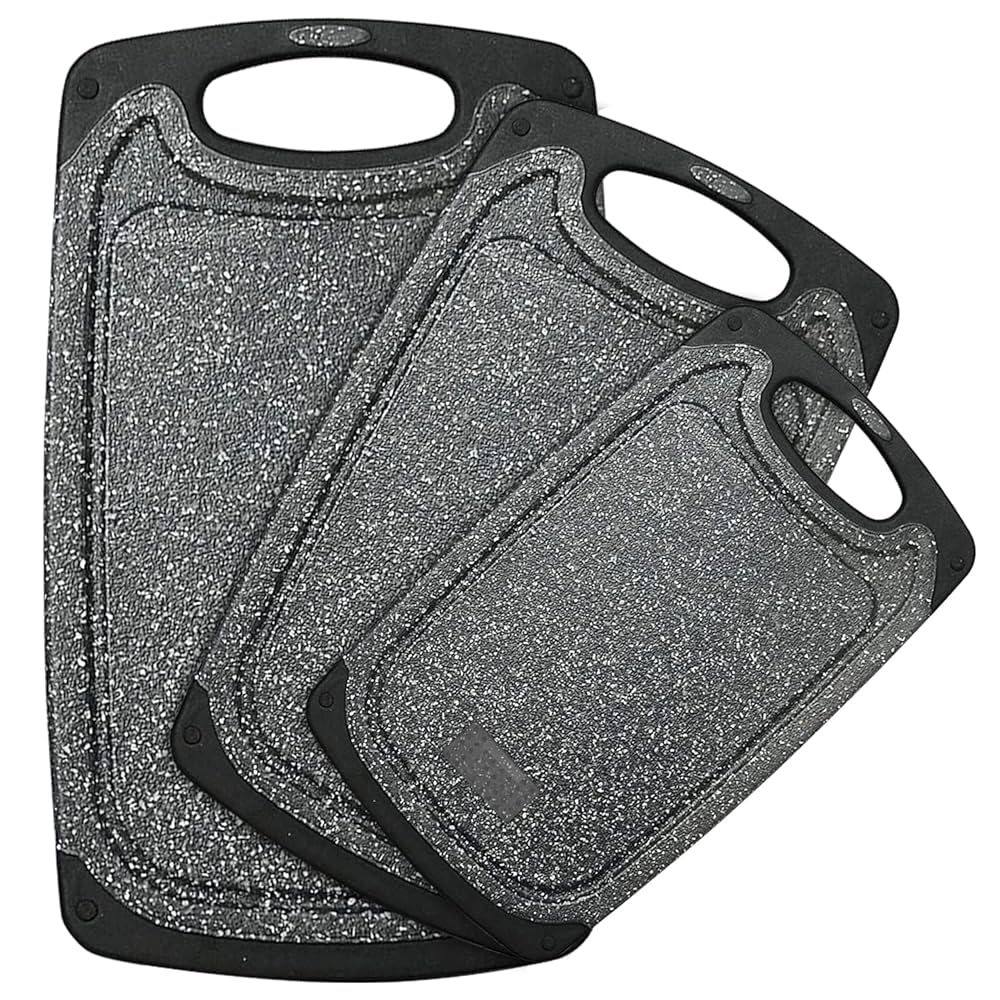
Are you wondering if you can put your plastic cutting board in the dishwasher without ruining it? You probably use your cutting board every day, and keeping it clean is important for your health and safety.
But is the dishwasher the best way to clean it, or could it cause damage? You’ll discover the truth about dishwasher safety for plastic cutting boards. By the end, you’ll know exactly how to care for your cutting board so it lasts longer and stays safe to use.
Keep reading—you don’t want to miss these simple tips that could save you time and money!
Plastic Cutting Boards And Dishwashers
Plastic cutting boards are popular for their lightweight and easy cleaning. Many people wonder if they can safely clean these boards in dishwashers.
Dishwashers use hot water and strong detergents to clean and sanitize items. This can affect plastic cutting boards in different ways.
Types Of Plastic Cutting Boards
Plastic cutting boards come in different materials and thicknesses. Each type reacts differently to dishwasher cleaning.
Common types include polyethylene, polypropylene, and recycled plastics. Some are softer, while others are very hard and durable.
- High-Density Polyethylene (HDPE):This is a common plastic that resists stains and cuts well.
- Polypropylene (PP):It is slightly more flexible and also dishwasher safe.
- Recycled Plastics:These can vary in quality and heat resistance.
- Composite Plastic Boards:Made with plastic mixed with wood fibers, less dishwasher safe.
Dishwasher Safety Standards
Not all plastic cutting boards are made to withstand dishwasher heat. Look for boards labeled as dishwasher safe.
Dishwasher safe boards meet certain heat and chemical resistance standards. They will not warp or crack after washing.
- Boards should resist temperatures of 140°F (60°C) or higher.
- They must not release harmful chemicals when washed.
- Surface texture should stay intact to prevent bacteria buildup.
- Check if the board has a dishwasher-safe symbol.

Credit: www.amazon.com
Benefits Of Using A Dishwasher
Putting a plastic cutting board in the dishwasher can make cleaning easier. Dishwashers use hot water and strong jets to clean well.
This saves time and makes sure your cutting board is clean and safe to use again.
Sanitizing Effectiveness
Dishwashers use very hot water that kills germs on plastic cutting boards. This heat cleans better than washing by hand.
The strong water jets remove food particles from small grooves and scratches on the board’s surface.
- Hot water kills bacteria and viruses
- Powerful jets clean hard-to-reach areas
- High temperature dries the board fully
Time And Effort Saved
Using a dishwasher saves time compared to washing a cutting board by hand. You just place it inside and start the cycle.
This reduces effort and frees you to do other tasks while the dishwasher cleans.
- No scrubbing needed
- Hands stay clean and dry
- Cleaning happens automatically
Potential Risks And Damage
Plastic cutting boards are common in many kitchens. People often wonder if putting them in the dishwasher is safe. There are some risks and damage that can happen.
Understanding these risks helps you keep your cutting boards in good shape. It also protects your health.
Warping And Melting
Dishwashers use very hot water and strong jets. This heat can cause plastic cutting boards to warp or melt. Thin or low-quality boards are especially at risk.
Warped boards become uneven. This makes cutting harder and less safe. Melted spots can make the board sticky or rough.
- High heat can change the shape of plastic boards
- Warped boards may not lie flat on the counter
- Melting can create rough or sticky surfaces
- Damaged boards may wear out faster
Chemical Leaching Concerns
Some plastic boards contain chemicals that can leach out when heated. The dishwasher’s heat may cause these chemicals to enter food or the environment. This can be harmful to health.
Older or cheaper plastic boards may have more risks. Using the dishwasher often increases this chance.
- Heat can release chemicals from plastic boards
- Leached chemicals may contaminate food
- Repeated dishwasher use raises chemical risk
- Choose boards labeled as dishwasher safe to reduce risk
Tips For Dishwasher Use
Plastic cutting boards can be washed in a dishwasher, but you must use the right methods. Proper care helps keep your cutting board clean and safe for food use.
Follow these tips to avoid damage and keep your dishwasher running well while cleaning plastic boards.
Placement In The Dishwasher
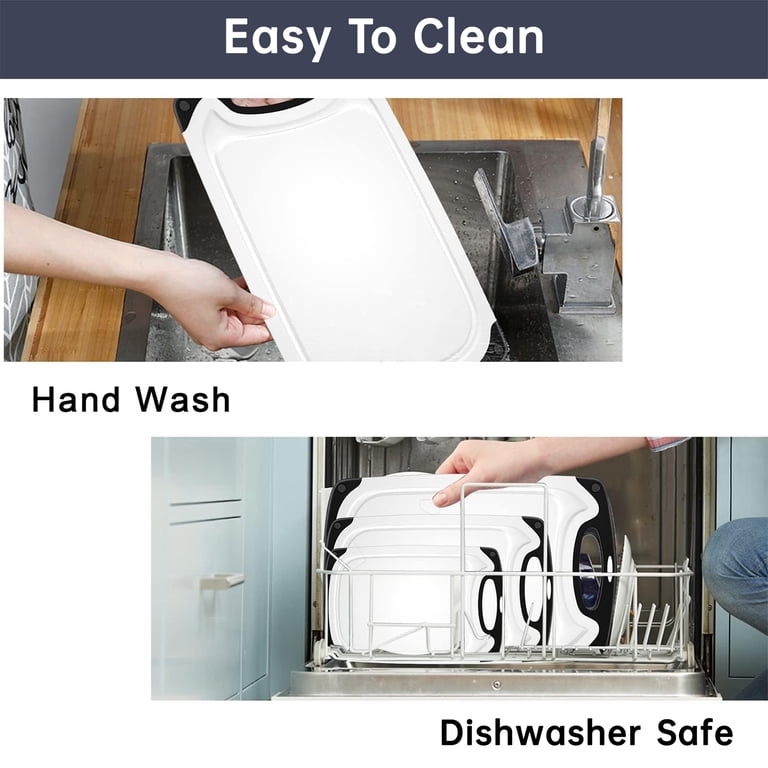
Place the plastic cutting board on the top rack of the dishwasher. The top rack is farther from the heating element. This prevents warping from high heat.
- Make sure the board does not block water spray.
- Place it flat or at a slight angle for better cleaning.
- Do not place heavy items on top of the board.
Choosing The Right Cycle
Use a gentle or normal cycle to clean your plastic cutting board. Hot and long cycles can cause damage.
| Cycle Type | Temperature | Effect on Plastic Board |
| Gentle | Warm | Safe, prevents warping |
| Normal | Hot | Usually safe, but check board care label |
| Heavy Duty | Very Hot | May cause warping or damage |
Avoiding Cross-contamination
Keep your plastic cutting board clean and separate to stop germs from spreading.
- Wash the board right after use.
- Do not mix raw meat boards with vegetable boards.
- Use hot water and dishwasher detergent.
- Check for cracks that can hide bacteria.
Alternatives To Dishwasher Cleaning
Plastic cutting boards often cannot go in the dishwasher safely. Heat and harsh detergents can damage them. Using alternative cleaning methods keeps your board clean and lasts longer.
This guide covers hand washing and safe disinfectant use for plastic cutting boards.
Hand Washing Techniques
Hand washing is a gentle way to clean plastic cutting boards. Use warm water and soap to remove food residue and bacteria.
- Scrub the board with a sponge or brush after each use.
- Use hot water to help remove grease and stains.
- Rinse thoroughly to remove soap and debris.
- Dry the board with a clean towel or air dry upright.
Using Disinfectants Safely
Disinfectants kill germs that soap and water might miss. Use them carefully to avoid damage or health risks.
| Disinfectant | How to Use | Precautions |
| Diluted Bleach Solution | Mix 1 tablespoon bleach with 1 gallon water. Apply and let sit 2 minutes. | Rinse well after use. Do not mix with other cleaners. |
| White Vinegar | Spray undiluted vinegar. Let sit 5-10 minutes, then rinse. | May leave smell; rinse thoroughly. |
| Hydrogen Peroxide | Apply 3% solution. Let sit 1 minute, then rinse. | Store away from sunlight. Avoid mixing with vinegar. |

Credit: www.plasticchoppingboards.co.uk
Maintenance For Longevity
Plastic cutting boards need regular care to last a long time. Proper maintenance keeps them safe and clean for daily use.
Taking simple steps can prevent damage and keep your board in good shape for years.
Regular Inspection For Damage
Check your plastic cutting board often for cuts, cracks, or deep grooves. These can harbor bacteria and cause the board to break down faster.
- Look closely at the surface for any signs of wear.
- Discard or replace boards with large deep cuts.
- Sanitize boards regularly to avoid bacteria buildup.
- Avoid using very sharp knives that damage the surface quickly.
Proper Storage Practices
Store plastic cutting boards in a dry, clean place. Avoid stacking them when wet to prevent warping and mold growth.
| Storage Method | Benefit |
| Upright position | Allows air to dry both sides |
| Separate racks | Prevents scratches and damage |
| Dry before storing | Stops mold and mildew growth |
Credit: www.walmart.com
Frequently Asked Questions
Is It Safe To Dishwasher Plastic Cutting Boards?
Yes, most plastic cutting boards are dishwasher safe. However, always check the manufacturer’s guidelines. High temperatures in dishwashers can sanitize, but may warp low-quality boards. Ensure the board is dishwasher-safe to maintain its longevity and hygiene.
Will Dishwashing Damage Plastic Cutting Boards?
Dishwashing can potentially damage some plastic boards, causing warping or fading. Always confirm if your board is labeled dishwasher-safe. High temperatures and intense cycles may affect lower-quality materials. Regular checks and proper positioning can help prevent damage and extend the board’s life.
Can Bacteria Survive On Dishwasher-cleaned Boards?
Dishwashers use hot water and detergents to kill most bacteria. However, deep grooves in cutting boards may harbor bacteria. Ensure your board is thoroughly washed and free of deep cuts. Regular inspection and maintenance are key to minimizing bacterial survival.
How Often Should I Clean Plastic Cutting Boards?
Clean plastic cutting boards after each use to prevent cross-contamination. Regular dishwashing can help maintain hygiene. Inspect for deep cuts where bacteria may hide. Replace boards if they become excessively worn or damaged to ensure a safe food preparation surface.
Conclusion
Plastic cutting boards can usually go in the dishwasher safely. The dishwasher cleans well and kills germs quickly. But check your board’s label first to be sure. Avoid high heat if the plastic is thin or old. Hand washing works fine for delicate boards.
Keep your cutting board clean to protect your food. Regular washing helps stop bacteria from growing. Dishwasher use saves time and effort in the kitchen. Clean boards mean safer meals for you and your family. Simple steps make a big difference in kitchen hygiene.