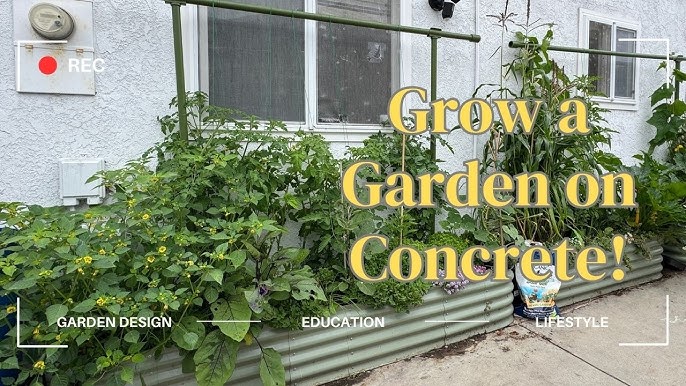
Are you thinking about starting a garden but only have concrete space available? You might be wondering, can you put a raised garden bed on concrete?
The answer could change the way you grow your plants and make gardening easier than you thought. Imagine turning that hard, unused surface into a lush, thriving garden full of fresh veggies and flowers. You’ll discover simple tips and smart tricks to create a raised garden bed right on your concrete, helping you grow healthy plants without digging up soil.
Keep reading to find out how to transform your space and enjoy gardening no matter where you live.
Benefits Of Raised Beds On Concrete
Raised garden beds work well on concrete surfaces. They let you grow plants without needing soil under them.
This setup offers many advantages for gardeners with limited space or poor ground soil. Raised beds on concrete can be a smart choice.
Space Optimization
Raised beds on concrete use space efficiently. You can place beds in small areas like patios or driveways.
This allows gardening in places where in-ground planting is impossible. You can grow more plants in tight spaces.
Weed Control
Raised beds on concrete help reduce weeds. Since there is no soil beneath, weed seeds cannot grow up into the bed.
This lowers the amount of weeding needed. It keeps your garden cleaner and easier to maintain.
Improved Drainage
Raised beds on concrete have better drainage. Water flows out easily through the bed’s bottom holes.
This prevents water from pooling and harming plant roots. Good drainage helps plants grow healthy and strong.

Credit: www.reddit.com
Choosing The Right Raised Bed Materials
Choosing the right material for your raised garden bed on concrete is very important. The material affects the bed’s look, durability, and cost.
This guide covers common options like wood, metal, and plastic. It also looks at how long each material lasts.
Wood Options
Wood is popular for raised beds because it looks natural and blends well with gardens. Common choices include cedar, redwood, and pine.
- Cedar resists rot and insects naturally.
- Redwood is strong but can be expensive.
- Pine is affordable but needs treatment to last.
Metal And Plastic Alternatives
Metal and plastic beds offer different benefits. Metal can be very sturdy, and plastic is lightweight and easy to move.
| Material | Pros | Cons |
| Galvanized Steel | Durable, rust-resistant | Can heat up in sun |
| Aluminum | Lightweight, rust-proof | Less strong than steel |
| Recycled Plastic | Low maintenance, weatherproof | Less natural look |
Durability Considerations
Durability is key for raised beds on concrete. The material must resist weather and not degrade quickly.
- Wood needs sealing or treatment to last longer.
- Metal beds can rust if not coated properly.
- Plastic beds resist moisture but may crack in cold.
- Check warranties and user reviews for durability info.
Preparing Concrete Surface
Placing a raised garden bed on concrete needs careful surface preparation. Proper steps help the bed last longer and protect your plants.
This guide covers cleaning, leveling, adding protection, and drainage to prepare concrete for your garden bed.
Cleaning And Leveling
Start by cleaning the concrete surface well. Remove dirt, dust, leaves, and any debris. This makes the surface ready for the bed.
- Sweep or blow off loose debris.
- Wash the surface with water and mild soap.
- Scrub stubborn stains using a brush.
- Rinse thoroughly and let dry completely.
- Check for cracks or uneven spots.
- Use a leveling compound or patch to fix rough areas.
Adding Protective Layers
Protect the concrete and your garden bed by adding layers between them. These layers stop moisture damage and improve bed stability.
| Protective Layer | Purpose | Material Examples |
|---|---|---|
| Moisture Barrier | Prevents water damage to concrete | Plastic sheeting, pond liner |
| Cushion Layer | Reduces pressure and cushions bed | Rubber mat, foam padding |
| Insulation | Protects roots from extreme temperatures | Foam board, straw mat |
Ensuring Proper Drainage
Good drainage stops water from pooling and hurting plant roots. Concrete does not drain well, so add drainage layers.
- Place gravel or small stones at the bed base.
- Use a layer of coarse sand to improve water flow.
- Drill holes in the bottom of wooden beds if possible.
- Check drainage regularly to avoid water buildup.

Credit: www.reddit.com
Drainage Solutions For Raised Beds On Concrete
Raised garden beds on concrete need proper drainage. This prevents water buildup that can harm plants. Learn effective ways to ensure good drainage.
Explore methods like drilling holes, using gravel, and managing water flow. These techniques help your garden thrive.
Drilling Drainage Holes
Drilling holes in your garden bed base allows water to escape. This is crucial for plant health. Use a drill to make several small holes evenly spaced.
- Mark hole positions with a pencil
- Use a drill bit suitable for concrete
- Ensure holes are not too large
Using Gravel And Mesh Layers
Gravel and mesh create a barrier that aids drainage. Place a layer of gravel at the bottom of the bed. Add a mesh layer to prevent soil from clogging the holes.
| Material | Purpose |
| Gravel | Facilitates water drainage |
| Mesh | Prevents soil loss |
Water Flow Management
Managing water flow helps maintain the right moisture level. Install a simple drip irrigation system or use a watering can for better control.
Soil And Planting Tips
Raised garden beds on concrete need special care for soil and plants. The hard surface affects drainage and root growth. You can create a healthy garden with the right soil and plants.
Good soil and smart plant choices help your garden thrive. Proper watering and feeding keep plants strong. Follow these tips for a successful raised bed garden on concrete.
Choosing The Right Soil Mix
Use light, well-draining soil in raised beds on concrete. Heavy soil can stay wet and harm roots. Mix garden soil with compost and perlite or sand for good drainage.
Add organic matter to keep nutrients high. Avoid soil that compacts easily. A good mix helps roots grow and plants stay healthy.
- 50% high-quality garden soil
- 30% compost or aged manure
- 20% perlite or coarse sand
Plant Selection For Raised Beds
Pick plants that do well in raised beds and limited root space. Many vegetables and herbs grow well in these beds. Choose plants that like well-drained soil.
Shallow-rooted plants work best. Avoid very tall or deep-rooted plants. Mix flowers and veggies to create a lively garden.
- Lettuce, spinach, and other leafy greens
- Herbs like basil, parsley, and thyme
- Root crops like radishes and carrots
- Compact tomato and pepper varieties
Watering And Fertilizing
Raised beds on concrete dry out faster than ground beds. Water often but do not soak the soil. Check soil moisture by feeling it before watering.
Feed plants regularly with balanced fertilizer. Use slow-release or liquid fertilizers for steady nutrition. Avoid over-fertilizing to prevent plant stress.
- Water deeply 2-3 times per week
- Use mulch to keep soil moist
- Apply balanced fertilizer every 4-6 weeks
- Adjust watering based on weather

Credit: www.reddit.com
Maintenance And Longevity
Placing a raised garden bed on concrete can affect its care and lifespan. Proper maintenance helps keep the bed strong and lasting. Knowing how to care for the materials is key.
This guide covers how to prevent damage, seasonal care tips, and how to handle repairs or replacement.
Preventing Rot And Rust
Raised garden beds on concrete face risks of wood rot or metal rust. Moisture trapped under the bed can cause wood to decay. Metal parts may rust from exposure to water and air.
To prevent this, use treated wood or rust-resistant metal. Adding a plastic liner between the bed and concrete stops moisture from soaking in. Also, raise the bed slightly to allow air flow.
- Use pressure-treated or cedar wood for rot resistance
- Choose galvanized or powder-coated metal to avoid rust
- Place a plastic or rubber barrier between wood and concrete
- Elevate the bed slightly to improve air circulation
Seasonal Care
Season changes affect your garden bed. In cold weather, water can freeze under the bed and cause damage. In hot weather, wood can dry out and crack.
Check the bed at the start of each season. Remove debris and clear any standing water. Cover the bed in winter to protect it from snow and ice. Water the wood lightly in summer to keep it from drying.
- Clear leaves and dirt from the bed regularly
- Cover the bed with a tarp in winter months
- Water wooden beds in dry summer periods
- Inspect the bed for damage each season
Repair And Replacement
Small damage can become bigger if not fixed. Check the bed for loose screws, cracks, or rust spots. Fix these problems early to avoid full replacement.
Replace wood planks that are rotten or metal parts that are badly rusted. Use the same type of materials to keep the bed stable. Tighten screws and nails as needed to keep the bed secure.
- Inspect screws and nails for looseness
- Replace rotten wood planks promptly
- Sand and repaint rusted metal parts
- Tighten all fasteners regularly
Common Challenges And Solutions
Raised garden beds on concrete offer a great way to grow plants in small spaces. Still, gardeners face certain challenges when using this setup. Understanding these problems helps keep plants healthy and thriving.
This guide covers common issues like soil overheating, root growth limits, and pest control. Each section offers practical solutions to improve your raised bed garden on concrete.
Overheating Of Soil
Concrete absorbs and reflects heat, which can make the soil in raised beds hotter than normal. This heat stress can harm plant roots and reduce water retention.
- Use light-colored mulch to reflect sunlight and cool the soil.
- Water plants early in the morning to keep soil moist during hot hours.
- Place shade cloth over the bed during peak sun hours.
- Choose heat-tolerant plants for beds on concrete.
Limited Root Growth
Concrete blocks roots from growing downward. This restriction can stunt plant growth and reduce nutrient uptake.
| Solution | Explanation |
| Use deep raised beds | Allows more soil volume for roots to spread. |
| Add lightweight soil mix | Improves drainage and root penetration. |
| Include root barriers | Directs roots to grow sideways for better space use. |
| Grow shallow-rooted plants | Plants like lettuce and herbs fit limited root depth. |
Pest Management
Pests can still attack plants in raised beds on concrete. Managing them without harming plants is important.
Try these pest control ideas:
- Handpick insects off plants regularly.
- Use natural sprays like neem oil or soapy water.
- Encourage beneficial insects such as ladybugs and lacewings.
- Keep the garden clean and remove dead leaves or debris.
- Install physical barriers like row covers to block pests.
Frequently Asked Questions
Can You Grow Plants In A Raised Bed On Concrete?
Yes, you can grow plants in a raised bed on concrete. Use a quality soil mix and ensure proper drainage to prevent water buildup and root rot.
How To Ensure Drainage For Raised Beds On Concrete?
Add drainage holes or a layer of gravel at the bottom. This prevents waterlogging and helps roots breathe, promoting healthy plant growth.
What Materials Work Best For Raised Beds On Concrete?
Wood, metal, and composite materials work well. Ensure they are durable and resistant to moisture for long-lasting raised garden beds on concrete.
Will Plants Get Enough Nutrients On Concrete?
Plants rely on the soil you provide. Use nutrient-rich soil and consider adding compost or fertilizer regularly to support healthy growth.
Conclusion
Raised garden beds work well on concrete surfaces. They keep plants contained and soil neat. Make sure to add drainage holes to avoid water buildup. Use quality soil and compost for healthy plants. Raised beds on concrete make gardening easier in small spaces.
They also protect plants from pests in the ground. Start small and watch your garden grow. Simple steps lead to great results. Gardening on concrete can be fun and rewarding. Give it a try and enjoy fresh, homegrown veggies.