
Have you ever wondered if it’s safe to place your refrigerator on a carpet? You’re not alone.
Many people face this dilemma, especially when rearranging their living spaces or moving into a new home. You might think it’s a simple decision, but the truth is, putting a refrigerator on carpet can lead to unexpected consequences. Imagine the hassle of dealing with overheating appliances or even mold growth.
These are just a few of the potential issues lurking beneath your fridge. But don’t worry, understanding the risks and knowing how to address them can save you time, money, and stress. We’ll uncover the facts, dispel the myths, and equip you with the knowledge you need to make the best choice for your home. Ready to find out more? Keep reading to discover how to keep your kitchen both stylish and safe!

Credit: www.nytimes.com
Risks Of Placing A Refrigerator On Carpet
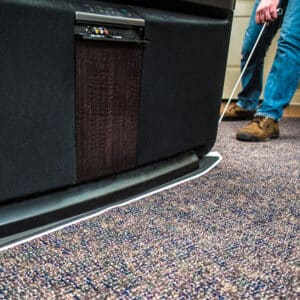
Placing a refrigerator on carpet poses several risks that can affect its performance and longevity. Carpets can interfere with the appliance’s design, which relies on solid, hard surfaces for proper operation. Understanding these risks helps prevent damage and costly repairs.
Impact On Airflow And Cooling
Refrigerators need good airflow around their base. Carpet blocks vents and restricts air movement. Poor airflow causes the compressor to work harder. This leads to higher energy use and less efficient cooling. Over time, the fridge may overheat and fail.
Potential For Moisture Damage
Carpet can trap moisture under the refrigerator. Condensation or spills create damp areas that damage the carpet and the fridge’s base. Moisture can cause rust or mold growth on metal parts. This weakens the appliance and creates bad odors.
Effects On Appliance Stability
Carpet is soft and uneven compared to hard floors. This makes the refrigerator unstable and prone to wobbling. An unstable fridge can cause door alignment issues and damage internal components. It also increases noise and wear on the compressor.
Credit: www.surfaceshields.com
Carpet Types And Suitability
Choosing the right carpet type is crucial if you’re thinking about placing a refrigerator on it. Not all carpets handle heavy appliances well, and understanding the differences can save you from potential damage. Let’s look closely at how carpet types affect the suitability for supporting a refrigerator.
Low-pile Vs High-pile Carpets
Low-pile carpets have shorter fibers and a denser weave. This makes them more stable and better suited to hold heavy items like refrigerators without compressing too much.
High-pile carpets, on the other hand, have longer, fluffier fibers. They tend to compress under weight, which can cause uneven support and create pressure points under your refrigerator’s feet.
Have you noticed how your furniture leaves dents on plush rugs? That same effect can apply to your fridge, possibly affecting its balance and performance.
Material Considerations
The material of your carpet plays a big role in durability and moisture resistance. Synthetic fibers like nylon or polyester are often tougher and can handle weight better than natural fibers such as wool.
Wool carpets absorb moisture more easily, which might be a problem if your refrigerator leaks or sweats. This can lead to mold or odors under the carpet over time.
Think about your carpet’s fiber type before placing a heavy appliance on it—does it stand up to potential spills and pressure?
Carpet Padding Issues
Underneath your carpet is padding that provides cushioning, but it can be a weak point when supporting heavy appliances. Thick, soft padding can cause your refrigerator to sink slightly, affecting its stability.
Thin or firm padding is better for weight distribution, but it might reduce comfort when walking in the room. You need to strike a balance between protecting your floor and maintaining appliance safety.
Have you ever tried placing a heavy chair on a foam mat? The way it sinks in shows how padding affects support. The same applies here—padding quality matters.
Alternatives To Placing Directly On Carpet
Placing a refrigerator directly on carpet can cause issues like poor ventilation, moisture buildup, and damage to both the appliance and the floor. Luckily, you don’t have to place your fridge straight on the carpet. There are smarter alternatives that protect your investment and keep your kitchen safe and functional.
Using A Hard Platform Or Board
A solid platform or board can provide a stable, flat surface for your refrigerator. Materials like plywood or MDF work well and prevent the fridge from sinking into the carpet fibers.
Make sure the platform is slightly larger than the fridge base to evenly distribute the weight. This reduces pressure points and improves air circulation underneath.
I once used a thick wooden board under my fridge, and it stopped the carpet from bunching up and kept the appliance level for years. Would you want your fridge wobbling or tilting every time you open the door?
Placement Of Protective Mats
Specialized protective mats designed for appliances can act as a barrier between your carpet and refrigerator. These mats often have non-slip surfaces and moisture-resistant properties.
Using a mat helps prevent carpet stains from spills or condensation. It also reduces wear and tear on the carpet fibers caused by the fridge’s weight and vibrations.
Look for mats made of durable rubber or vinyl—they’re easy to clean and maintain. Have you checked if your local hardware store stocks appliance mats that fit your fridge size?
Elevating The Refrigerator
Raising your fridge slightly off the carpet with adjustable feet or risers can improve ventilation and prevent moisture problems. Elevation creates airflow underneath, which is crucial for the compressor’s efficiency.
You can find risers made specifically for heavy appliances, or use sturdy blocks that are stable and safe. Just ensure the fridge remains level to avoid any operational issues.
Before elevating, consider the height of your fridge door and how it opens. Would adding risers make it harder to access or cause any safety concerns in your kitchen space?

Credit: www.amazon.com
Tips For Safe Refrigerator Placement
Placing a refrigerator safely requires careful thought and some simple steps. Proper placement can extend the life of the appliance and keep it working well. This section offers key tips to help position your refrigerator safely, even on carpeted floors. Follow these tips to avoid common problems and keep your fridge in top shape.
Ensuring Proper Ventilation
Refrigerators need space around them to release heat. Without good airflow, the appliance can overheat and use more energy. Leave at least a few inches of space between the fridge and the wall or cabinets. Avoid pushing the refrigerator directly against the carpeted surface, which can block vents. Check the user manual for the recommended clearance to keep the motor cool.
Checking For Level Ground
A level surface is essential for refrigerator doors to close properly. Uneven floors can cause the fridge to wobble and the doors to misalign. Use a spirit level to check the floor before placing the fridge. If the carpet is thick or uneven, place a sturdy plywood board underneath. This creates a stable base and prevents the fridge from sinking into the carpet.
Regular Maintenance And Inspection
Inspect the fridge often to catch issues early. Look for signs of moisture or mold under and behind the appliance. Clean the coils regularly to improve efficiency and prevent overheating. Check the door seals to make sure they are tight and free of cracks. Regular care keeps the refrigerator running smoothly and helps avoid costly repairs.
Common Mistakes To Avoid
Placing a refrigerator on carpet might seem harmless at first, but several common mistakes can cause problems down the line. Avoiding these pitfalls can save you from costly repairs and efficiency issues. Let’s look at some key mistakes you should steer clear of to keep your fridge running smoothly.
Ignoring Manufacturer Guidelines
Many people overlook the importance of reading the manufacturer’s instructions about placement. These guidelines often specify the best surface types to ensure proper ventilation and operation.
Ignoring these can lead to overheating or poor performance. Have you checked if your fridge’s manual mentions carpet or soft flooring? Skipping this step could mean your warranty won’t cover damage caused by improper placement.
Overlooking Moisture Build-up
Carpets can trap moisture, which creates a hidden problem for refrigerators. Moisture buildup under or around your fridge can cause rust, mold, or damage to electrical components.
If you notice any dampness or musty smells, it might be a sign that moisture is accumulating. Do you have a way to monitor or control humidity where your fridge sits? Ignoring this can shorten the appliance’s lifespan significantly.
Neglecting Stability Concerns
Stability is crucial for refrigerators, and carpeted floors often lack the firm support needed. Uneven or soft carpet can cause the fridge to wobble or tilt, affecting door sealing and internal mechanisms.
Have you tested your fridge’s stability on carpet before fully setting it up? Even a slight tilt can increase energy consumption and wear out parts faster. Using a hard, flat surface or placing a sturdy board underneath can make a big difference.
Frequently Asked Questions
Can A Refrigerator Damage Carpet Flooring?
Yes, refrigerators can damage carpet by trapping moisture underneath. This leads to mold growth and carpet deterioration. Using a protective mat or hard surface underneath helps prevent damage and improves air circulation.
Is It Safe To Place A Fridge Directly On Carpet?
Placing a fridge directly on carpet is not ideal. Carpets restrict airflow and cause overheating. This reduces fridge efficiency and may shorten its lifespan. A hard, flat surface is recommended for stability and ventilation.
How To Protect Carpet Under A Refrigerator?
Use a sturdy, waterproof mat or a thin plywood board under the fridge. This prevents moisture buildup and distributes weight evenly. It also improves ventilation and protects the carpet fibers from crushing or staining.
Will A Refrigerator On Carpet Cause Overheating?
Yes, carpet blocks proper airflow beneath the fridge. This can cause the compressor to overheat and work harder. Overheating reduces energy efficiency and may lead to mechanical failures or higher electricity bills.
Conclusion
Placing a refrigerator on carpet can cause issues like poor airflow and heat buildup. These problems may reduce the fridge’s efficiency and lifespan. Hard, flat surfaces work best to keep the appliance stable and cool. Using a board or mat under the fridge can help protect both carpet and appliance.
Always check the fridge manual for placement advice. Taking simple steps keeps your refrigerator running well and your floor safe. Remember, careful placement matters for better performance and longer appliance life.