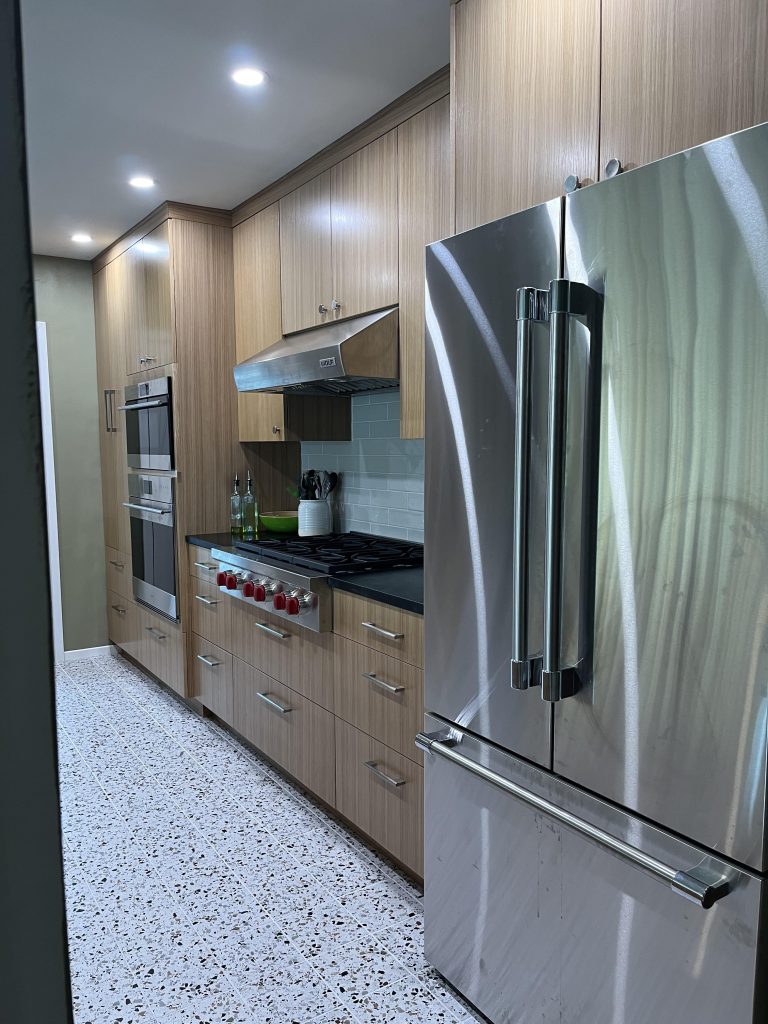
Are you wondering if it’s okay to place your stove right next to your refrigerator? It sounds simple, but this common kitchen question can have a big impact on how well your appliances work—and even on your energy bills.
You want your kitchen to be safe, efficient, and comfortable. Keep reading to find out what experts say about this setup and discover smart tips to make your kitchen both practical and stylish. Don’t risk damage or higher costs without knowing the facts first!

Credit: www.magnet.co.uk
Safety Concerns
Placing a stove next to a refrigerator raises several safety concerns. Both appliances have different heat and ventilation needs. Ignoring these can cause damage or hazards. Understanding these risks helps keep your kitchen safe and your appliances working well.
Heat Impact On Refrigerator
Stoves produce heat that affects nearby appliances. The refrigerator works harder to stay cool if it is next to a stove. This extra effort uses more electricity. It can also shorten the fridge’s lifespan. Constant heat exposure may cause the fridge to overheat or fail.
Fire Hazards
Heat from a stove can ignite nearby flammable materials. Kitchen items stored near the fridge or stove may catch fire. Grease buildup between the two appliances increases fire risk. Proper spacing and cleaning reduce this danger. Keeping a fire extinguisher nearby is wise for safety.
Ventilation Issues
Both stove and refrigerator need good airflow to work well. Placing them too close blocks air vents. This causes overheating and poor appliance performance. Poor ventilation also increases energy use. Ensuring space for air circulation keeps both appliances running smoothly.
Manufacturer Recommendations
Manufacturer recommendations play a crucial role in deciding if you can place a stove next to a refrigerator. These guidelines are designed to ensure safety, maintain appliance efficiency, and extend their lifespan. Ignoring them can lead to overheating, energy waste, or even damage to both appliances.
Spacing Guidelines
Most manufacturers suggest a minimum gap between the stove and refrigerator to prevent heat transfer. This space usually ranges from 1 to 6 inches, depending on the model. For example, some refrigerator brands recommend at least 2 inches of clearance to avoid increased compressor workload.
Have you checked your appliance manuals for specific spacing rules? Failing to follow these can cause your refrigerator to work harder, raising your electricity bills. Adding a heat-resistant barrier or an insulating panel can sometimes help if space is tight.
Installation Instructions
Installation instructions often emphasize proper ventilation around both appliances. Stoves generate heat that can raise the refrigerator’s internal temperature if placed too close. Manufacturers may require a heat shield or a side panel designed to protect the refrigerator.
During installation, make sure to align the stove and refrigerator on a level surface to avoid gaps that trap heat. Also, avoid enclosing the refrigerator in tight cabinetry that restricts airflow. Ask yourself: does your kitchen layout allow enough room for airflow as suggested in the manuals?
Energy Efficiency
Placing a stove next to a refrigerator can impact energy efficiency. Both appliances work differently, affecting each other’s performance. Understanding this can help in making informed kitchen layout decisions.
Increased Energy Consumption
Putting a stove near a refrigerator often leads to higher energy usage. The heat from the stove forces the refrigerator to work harder. This increased workload can spike energy bills over time.
The refrigerator’s compressor runs more frequently to maintain cool temperatures. This constant operation uses more electricity, leading to higher costs. A kitchen layout should consider the energy implications of appliance placement.
Cooling Performance
Refrigerators next to stoves may struggle with cooling performance. The heat from the stove can cause the refrigerator to warm up. This affects its ability to keep food at safe temperatures.
Proper cooling is essential for food preservation. When a refrigerator operates inefficiently, it can lead to spoilage. This not only wastes food but also money.
Considering these factors can help optimize kitchen space and energy usage. Thoughtful appliance placement can lead to a more efficient and cost-effective kitchen environment.

Credit: www.yahoo.com
Design Alternatives
Designing a kitchen with a stove next to a refrigerator can be tricky. Heat from the stove can affect the fridge’s efficiency. Certain design alternatives help keep both appliances safe and working well. These options improve kitchen flow and protect your appliances.
Using A Heat Shield
A heat shield acts as a barrier between the stove and the refrigerator. It blocks heat from reaching the fridge. Shields come in metal or heat-resistant materials. You can install them on the side of the stove next to the fridge.
Heat shields help maintain the fridge’s cool temperature. They also protect the refrigerator’s surface from heat damage. This option is simple and cost-effective. It allows you to keep the stove and fridge close without risk.
Rearranging Kitchen Layout
Changing the kitchen layout can solve the stove and fridge placement issue. Move one appliance to create space between them. Even a small gap improves safety and efficiency.
Consider placing a countertop or cabinet between the stove and fridge. This adds counter space and a heat buffer. Think about your kitchen’s work triangle to keep cooking easy. Rearranging might take time but improves long-term use.
Practical Tips
Placing a stove next to a refrigerator requires careful attention to safety and efficiency. Following practical tips helps protect your appliances and keeps your kitchen safe. These tips focus on spacing, airflow, and upkeep to ensure both devices work well together.
Maintaining Proper Distance
Keep a gap between the stove and refrigerator to avoid heat damage. A minimum distance of 12 inches is ideal. This space prevents the fridge from working harder to stay cool. It also reduces fire risks and heat buildup near the refrigerator’s surface. Use a heat-resistant barrier if space is limited. This helps shield the fridge from stove heat.
Ensuring Adequate Ventilation
Good airflow around both appliances is essential. Ventilation helps remove heat and moisture. Avoid blocking vents or placing appliances in tight corners. Use range hoods or exhaust fans near the stove. This reduces heat and cooking odors. Make sure the refrigerator vents are clear of dust and clutter. Proper airflow extends the life of both appliances.
Regular Maintenance
Clean your stove and refrigerator regularly. Remove grease and food debris from the stove surface and vents. Check the refrigerator coils and clean dust buildup. Inspect seals and gaskets to keep cold air inside. Schedule routine checks to spot potential problems early. Regular maintenance keeps appliances safe and running efficiently.

Credit: www.reddit.com
Frequently Asked Questions
Can A Stove Damage A Nearby Refrigerator?
Yes, heat from a stove can raise the fridge’s temperature. This makes the refrigerator work harder, increasing energy use and reducing its lifespan. Always keep a proper gap or insulation between them to avoid damage and maintain efficiency.
How Much Space Is Needed Between Stove And Refrigerator?
A minimum of 12 inches (30 cm) is recommended to separate a stove and refrigerator. This gap prevents heat transfer and ensures better appliance performance. Adequate spacing also improves kitchen safety and ventilation, reducing risks of overheating or fire.
Does Placing A Stove Next To A Fridge Affect Energy Bills?
Yes, placing a stove too close to a fridge can increase energy costs. Heat from the stove makes the refrigerator cool more to maintain temperature. This extra effort uses more electricity, raising your monthly energy bills significantly.
What Kitchen Layouts Avoid Stove Next To Refrigerator?
Kitchen layouts like L-shaped, U-shaped, and island designs usually keep stove and refrigerator apart. These designs enhance workflow, safety, and appliance efficiency. Proper spacing reduces heat impact and improves cooking and storage convenience in your kitchen.
Conclusion
Placing a stove next to a refrigerator can cause problems. The stove’s heat makes the fridge work harder. This can raise your energy bills and shorten the fridge’s life. Keeping some space or a barrier helps both appliances work well.
Think about safety and efficiency before deciding your kitchen layout. Small changes can make a big difference in how your kitchen functions. Choose wisely to keep your kitchen safe and energy smart.