
Have you ever wondered if you can put your trusty thermos in the dishwasher? It’s a common question that crosses the mind of anyone looking to save time and effort on cleaning.
You love your thermos for keeping your drinks at the perfect temperature, and naturally, you want to make sure it stays in great shape. But before you pop it in the dishwasher, it’s important to know how this might affect its longevity and performance.
We’ll dive into what you need to consider to keep your thermos in top condition. Stay with us, because understanding this simple yet crucial detail can save you from unexpected surprises and prolong the life of your favorite drink companion.
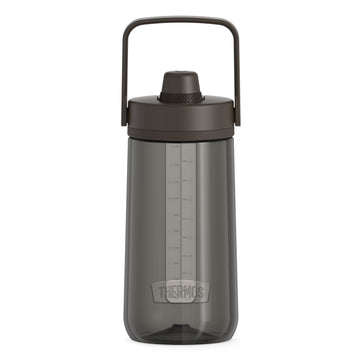
Credit: thermos.com
Thermos Materials And Dishwasher Safety
Thermoses come in many materials, each with different care needs. Knowing what your thermos is made of helps protect it during cleaning. Some materials handle heat and water better than others. Understanding these differences keeps your thermos safe and lasting longer.
Common Thermos Materials
- Stainless Steel:Durable and rust-resistant. Often used in high-quality thermoses.
- Plastic:Lightweight and affordable. Usually found in budget or kids’ thermoses.
- Glass:Offers good insulation but fragile. Often inside stainless steel shells.
- Silicone:Used for seals and lids. Flexible and heat resistant.
Dishwasher Compatibility
Not all thermos materials survive dishwasher cycles well. Stainless steel usually handles dishwasher heat and water without damage. Plastic parts may warp or crack under high temperatures. Glass can be dishwasher safe but risks breaking or chipping.
Silicone lids and seals often withstand dishwashers but can wear out faster. Check the manufacturer’s label to be sure. Many thermoses advise hand washing to protect insulation and seals. Placing a thermos in the dishwasher may void its warranty.

Credit: thermos.com
Risks Of Dishwasher Cleaning
Cleaning a thermos in the dishwasher may seem easy. Still, it can cause problems that reduce the thermos’s life and performance. Understanding these risks helps you protect your thermos better.
Potential Damage To Insulation
Dishwasher heat can harm the thermos’s insulation. High temperatures may break the vacuum seal inside. This damage lowers the thermos’s ability to keep drinks hot or cold. Over time, the thermos loses its main function.
Strong water pressure in dishwashers can also affect insulation. It may push water into places it shouldn’t be. This leads to rust or mold inside the thermos.
Effects On Seals And Lids
Seals and lids are sensitive to dishwasher heat and detergent. Hot water can warp or melt plastic seals. This creates gaps where leaks can start. Soap chemicals may wear down rubber seals, making them brittle.
Lids with small parts or buttons can trap water inside. This causes mold growth or bad smells. Some lids are not dishwasher safe and might crack or discolor.
Hand Washing Techniques
Hand washing your thermos is a gentle way to clean it without damage. It helps keep the vacuum seal and insulation intact. Proper hand washing removes stains and odors effectively. This method is safe for most thermos types. It also prevents rust or cracks that dishwashers might cause.
Best Cleaning Practices
Use warm water and mild dish soap for cleaning. Avoid harsh chemicals or bleach that can harm the thermos. Fill the thermos halfway with warm soapy water. Use a soft brush or cloth to scrub inside. Clean the lid and seals thoroughly to remove trapped dirt. Rinse well with warm water to remove soap residue. Air dry the thermos upside down to avoid moisture buildup. Clean your thermos regularly to keep it fresh and safe.
Recommended Cleaning Tools
- Soft bottle brush for reaching inside
- Non-abrasive sponge or cloth
- Small brush for cleaning the lid and seals
- Mild dish soap for gentle cleaning
- Baking soda for removing strong odors
Use tools designed for delicate surfaces to avoid scratches. Avoid metal scrubbers or rough brushes. Baking soda mixed with water can help clear stubborn smells. Let the mixture sit inside for 15 minutes before scrubbing. Rinse well after using baking soda to prevent residue.
Removing Stains And Odors
Removing stains and odors from a thermos can extend its life and keep drinks tasting fresh. Stains often come from coffee, tea, or juice. Odors develop when liquids sit too long or containers are not cleaned well. Proper cleaning methods can clear both stains and smells without damaging the thermos.
Natural Cleaning Solutions
Natural ingredients work well to clean thermoses safely. Baking soda is a popular choice. It absorbs odors and lifts stains gently. Vinegar also helps break down residue and kills bacteria that cause smells.
- Mix 2 tablespoons of baking soda with warm water.
- Pour into the thermos and shake well.
- Let it sit for 15 to 30 minutes.
- Rinse thoroughly with warm water.
For vinegar cleaning, add equal parts vinegar and water. Fill the thermos and let it sit for 15 minutes. Rinse well to remove all vinegar taste.
Deep Cleaning Methods
Sometimes stains and odors need stronger cleaning. Use a bottle brush to scrub inside the thermos. Focus on corners and the lid where buildup hides. Hot water helps loosen tough stains.
- Fill the thermos with very hot water.
- Add a few drops of mild dish soap.
- Use a bottle brush to scrub all surfaces.
- Rinse multiple times to remove soap.
- Air dry completely to prevent new odors.
For persistent smells, try soaking overnight with a mix of baking soda and water. This deep cleaning refreshes the thermos without harsh chemicals.
Maintaining Your Thermos For Longevity
Keeping your thermos clean and well-maintained helps it last longer. Proper care protects its insulation and prevents smells or stains. Simple habits can keep your thermos working like new for years.
Regular Cleaning Schedule
Clean your thermos after every use to stop bacteria growth. Use warm water and mild soap to wash both the inside and lid. Avoid harsh scrubbing that can damage the inner lining.
For tough stains or odors, mix baking soda with warm water and let it sit inside overnight. Rinse well the next day. Do not leave liquids inside for long periods.
Proper Drying And Storage
Dry your thermos completely before storing it to avoid mold and bad smells. Leave the lid off to let air flow inside. Store it in a cool, dry place away from direct sunlight.
Avoid sealing your thermos with moisture inside. This prevents rust and keeps the seals tight. Proper drying and storage maintain the thermos’ performance and cleanliness.

Credit: www.youtube.com
Frequently Asked Questions
Can You Wash A Stainless Steel Thermos In Dishwasher?
Most stainless steel thermoses are dishwasher-safe, but check the manufacturer’s instructions first. High heat may damage seals or coatings.
Will Dishwasher Harm My Thermos’s Insulation?
Dishwasher heat and detergents can weaken insulation over time. Hand washing preserves the thermos’s heat retention longer.
How To Clean A Thermos Safely In Dishwasher?
Place the thermos on the top rack, avoid high heat cycles, and remove lids before washing for best results.
Can Dishwasher Damage Thermos Lid Or Seals?
Yes, dishwasher heat and detergents can warp or degrade lids and rubber seals. Hand washing these parts is safer.
Conclusion
Thermos bottles need gentle care to last long. Most thermoses should not go in the dishwasher. The heat and strong detergent can damage their seal and insulation. Hand washing with mild soap works best. This keeps your thermos clean and safe.
Taking a little extra time helps your thermos stay in good shape. It saves money and keeps drinks hot or cold. So, treat your thermos with care for better use every day. Simple steps make a big difference.