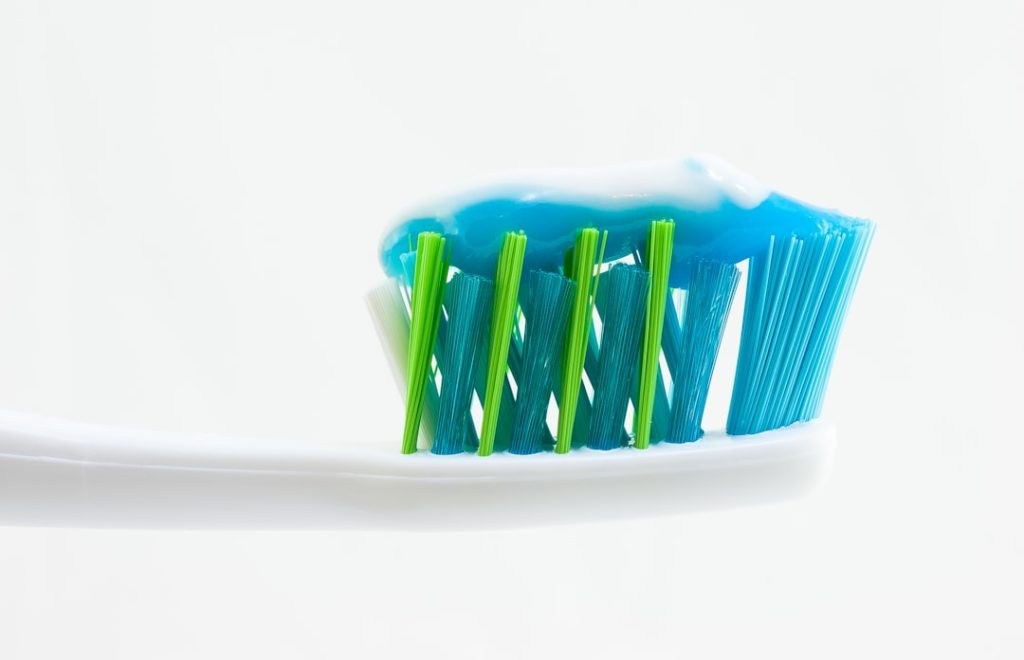
Have you ever wondered if tossing your toothbrush in the dishwasher could be a smart way to keep it clean? If you’re like most people, you probably want to ensure your dental hygiene tools are as spotless as possible.
But is this cleaning method safe or effective? We’ll explore whether your toothbrush can safely join your dishes in the dishwasher. You’ll discover the surprising facts and expert tips that can save you time and improve your health. Curious to find out more?
Keep reading to make sure your oral hygiene routine is as effective as it can be!
Credit: www.rd.com
Dishwasher Cleaning Basics
Understanding the basics of dishwasher cleaning helps you decide what belongs inside and what doesn’t. Dishwashers aren’t just for plates and cutlery; they have a specific way of working that affects how well they clean different items. Knowing these basics can save you from damage and ensure your belongings come out spotless every time.
How Dishwashers Work
Dishwashers use a combination of hot water, detergent, and powerful jets to remove food and grime from dishes. The water temperature often reaches above 120°F (49°C), which helps kill bacteria and dissolve grease. A built-in filter catches large food particles, while the drainage system flushes them away.
The spray arms rotate to cover every angle, ensuring thorough cleaning. Your dishwasher also uses drying cycles that rely on heat or air circulation. This process makes sure dishes come out dry and ready to use.
Common Items Cleaned In Dishwashers
Most people load dishes, glasses, pots, pans, and utensils into their dishwashers. You can also clean some plastic containers, silicone kitchen tools, and even small cutting boards if they are dishwasher-safe. But not everything should go in—certain materials like wood, cast iron, and some delicate plastics can warp or degrade.
- Safe items:Ceramic plates, stainless steel cutlery, glass cups, silicone spatulas
- Items to avoid:Wooden spoons, non-stick pans, sharp knives, toothbrushes (depending on the type)
Have you ever thought about how your dishwasher’s cleaning method might affect personal care items like toothbrushes? That question leads us to the heart of whether a toothbrush belongs in the dishwasher at all.
Credit: creators.yahoo.com
Toothbrush Materials And Design
Your toothbrush’s materials and design play a big role in deciding if it can survive a trip in the dishwasher. Not all toothbrushes are built the same way, and understanding their parts can help you avoid ruining your brush or dishwasher. Let’s look closely at the bristles and handles to see how they respond to heat and water pressure.
Types Of Toothbrush Bristles
Toothbrush bristles come in different types like nylon, polyester, or sometimes natural fibers. Nylon bristles are the most common and tend to handle heat better, but they can still warp or lose stiffness if exposed to high temperatures repeatedly. Polyester bristles are less common and might melt or deform in the dishwasher’s heat.
Have you noticed your bristles bending or fraying after cleaning? That could be a sign they aren’t dishwasher-safe. Soft bristles might get damaged faster than medium or hard ones, so consider your brush’s stiffness before deciding to wash it in a dishwasher.
Handle Materials And Durability
Handles can be plastic, bamboo, or even metal. Plastic handles vary in quality; some are designed to resist heat, while cheaper plastics can warp or crack when exposed to dishwasher heat and detergents. Bamboo handles absorb water and can swell or crack, making them a poor candidate for dishwasher cleaning.
Metal handles are rare but typically more durable; however, they can rust or tarnish without proper drying. If your handle has rubber grips or painted decorations, these parts might peel or degrade quickly in the dishwasher. What kind of handle does your toothbrush have, and how do you think it would hold up under dishwasher conditions?
Safety Of Dishwasher Cleaning For Toothbrushes
Putting a toothbrush in the dishwasher is a question many ask for easy cleaning. Safety is a key concern before trying this method. Understanding how dishwashers affect toothbrushes helps you make a smart choice. The heat, water pressure, and detergent can impact the toothbrush’s materials. Let’s examine the safety aspects in detail.
Potential Damage To Bristles
Dishwasher heat can soften bristles, causing them to lose shape. Bent or frayed bristles reduce cleaning power. Strong water jets may also wear down the bristles faster. Over time, this damage lowers the toothbrush’s effectiveness. Soft bristles are important for gentle cleaning, so damage matters.
Effect On Handle Integrity
Plastic toothbrush handles may warp or crack from dishwasher heat. Handles with decorative paint or rubber grips can peel or degrade. The dishwasher’s harsh environment can weaken the handle’s structure. Broken handles make brushing uncomfortable and waste money. Durable handles may tolerate dishwashers better but are not guaranteed.
Hygiene Benefits And Risks
Dishwashers use hot water and detergent that kill many germs. This can reduce bacteria on toothbrushes more than rinsing with water. However, toothbrushes placed near dirty dishes risk contamination. The dishwasher may not reach all bristle areas evenly. Also, some bacteria may survive if the cycle is too short or cool. Proper placement and cycle choice are important for hygiene.
Alternatives To Dishwasher Cleaning
Not everyone feels comfortable putting a toothbrush in the dishwasher. Luckily, there are several effective alternatives to keep your toothbrush clean and safe. These methods can fit different lifestyles and preferences, ensuring your oral care tool stays hygienic without the dishwasher.
Soaking In Antibacterial Solutions
Soaking your toothbrush in antibacterial mouthwash or a diluted hydrogen peroxide solution is an easy way to kill germs. Just submerge the bristles for a few minutes after brushing, then rinse well before using it again. This method is quick and uses products you might already have at home.
I once started soaking my toothbrush in mouthwash after noticing a strange taste. The difference was clear—my toothbrush felt fresher, and I felt more confident about my oral hygiene. Have you tried soaking your brush before?
Using Uv Sanitizers
UV sanitizers are small devices designed specifically to kill bacteria on toothbrushes using ultraviolet light. They are convenient and chemical-free, making them a popular choice for tech-savvy users. Just place your brush inside the device, and within minutes, it will be sanitized.
While UV sanitizers might seem like a splurge, they offer peace of mind. If you travel often or share a bathroom, this could be a practical investment. Would you consider a UV sanitizer for your daily routine?
Regular Replacement Recommendations
Replacing your toothbrush every three months is one of the simplest ways to maintain oral hygiene. Over time, bristles wear out and can harbor bacteria, reducing effectiveness. If you’ve been holding on to your toothbrush longer, it’s time to swap it out.
- Mark your calendar to remind yourself of replacement dates.
- Replace immediately if you’ve been sick to avoid reinfection.
- Keep extra toothbrushes on hand for quick swaps.
Think about how many toothbrushes you actually replace on time. Could this small habit change improve your dental health more than any cleaning method?
Expert Opinions And Studies
Wondering if your dishwasher can double as a toothbrush cleaner? Many people consider this shortcut to save time and ensure hygiene. But what do experts say, and what does science reveal about this practice?
Dental Professional Advice
Most dental experts recommend against putting your toothbrush in the dishwasher. They explain that the high heat and strong water pressure can damage the bristles, reducing their effectiveness in cleaning your teeth.
Additionally, dentists warn that dishwashers might not completely sterilize your toothbrush. This leaves you at risk of exposure to bacteria and germs that thrive in moist environments.
Instead, professionals suggest rinsing your toothbrush thoroughly after use and storing it upright in an open area to air dry. Some even recommend replacing your toothbrush every three to four months to maintain oral health.
Scientific Research Findings
Studies examining toothbrush sanitation methods reveal mixed results about dishwashers. One study found that while dishwashers reduce some bacteria, they do not eliminate all harmful microbes.
Research also shows that the heat in dishwashers can warp toothbrush bristles, which lowers their cleaning ability. This damage can make brushing less effective and potentially harm your gums.
Alternative methods like soaking your toothbrush in antibacterial mouthwash or using UV sanitizers have shown better results in killing bacteria without damaging the brush.
Have you ever noticed your toothbrush looking worn after a dishwasher cycle? That’s a clear sign it’s not the best cleaning method.
Credit: creators.yahoo.com
Practical Tips For Toothbrush Maintenance
Maintaining your toothbrush properly helps keep your mouth healthy and fresh. Good care extends the life of your brush and reduces bacteria build-up. Follow simple habits to keep your toothbrush clean and dry. These tips improve hygiene and prevent germs from spreading.
Proper Rinsing Techniques
Rinse your toothbrush thoroughly after each use. Use warm water to wash away toothpaste and debris. Avoid using mouthwash or soap on the brush head. Just water is enough to clean it well. Shake off excess water to prevent moisture build-up.
Drying And Storage Tips
Store your toothbrush in an upright position. Let it air dry completely between uses. Avoid closed containers that trap moisture and cause mold. Keep toothbrushes separate to avoid cross-contamination. Place them in a well-ventilated area, away from the toilet and sink splash.
When To Replace Your Toothbrush
Change your toothbrush every three to four months. Replace it sooner if bristles are frayed or worn out. Switch brushes after illness to avoid reinfection. A fresh toothbrush cleans better and protects your teeth effectively.
Frequently Asked Questions
Can You Sanitize A Toothbrush In The Dishwasher?
Yes, you can sanitize a toothbrush in the dishwasher. Use the top rack and a gentle cycle. Avoid high heat to prevent damage. This method helps kill germs and bacteria effectively.
Is Dishwasher Safe For All Types Of Toothbrushes?
No, not all toothbrushes are dishwasher safe. Manual plastic toothbrushes usually are, but electric toothbrush heads may get damaged. Check the manufacturer’s instructions before placing any toothbrush in the dishwasher.
How Often Should You Clean Your Toothbrush In Dishwasher?
Cleaning your toothbrush in the dishwasher once a week is sufficient. Frequent sanitizing helps maintain hygiene and reduces bacterial buildup. Overdoing it may wear out the toothbrush faster.
Will Dishwasher Damage My Toothbrush Bristles?
Dishwasher heat and water pressure can damage bristles over time. It’s best to use gentle cycles and avoid high temperatures. Regular replacement of toothbrushes is recommended for optimal oral health.
Conclusion
Putting a toothbrush in the dishwasher might seem like a quick clean. But dishwashers can damage the bristles and handle. Also, they may not fully remove germs. Regular rinsing and air drying work best. Replace your toothbrush every three months.
Keep it away from the toilet and sink. Clean habits matter more than fancy cleaning tools. Stay safe and keep your smile healthy. Simple care makes a big difference every day.